
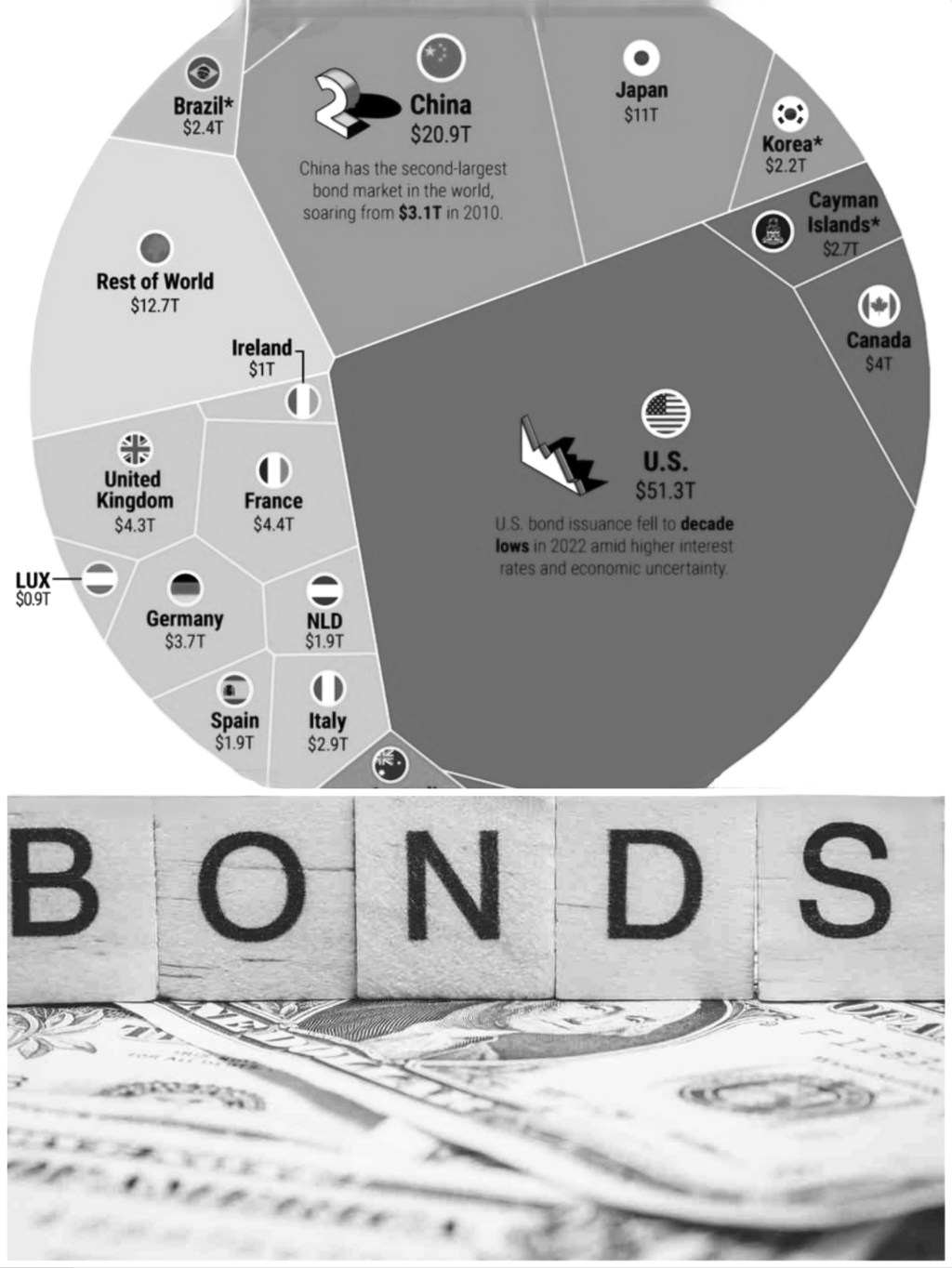
Bond Market Reversal, $40 Trillion Debt Milestone, and Geopolitical Oil Premium: A Snapshot of US Fiscal and Market Pressures
On August 19-20, 2026, US long-term Treasury yields largely erased the temporary relief from a surprise Treasury Department intervention, underscoring persistent fiscal and market tensions. Treasury Secretary Scott Bessent announced that the department would at least double the size of planned buybacks of longer-dated securities (from $2 billion to at least $4 billion per operation) between September 9 and November 4. The move was framed as liquidity support for a thinly traded long end of the curve after the 30-year yield had climbed to its highest levels since around 2007.
Yields fell roughly 9–10 basis points immediately after the announcement. The following day they rebounded, with the 30-year yield rising several basis points to the mid-5.20s percent range (around 5.23-5.26%) and the 10-year also retracing most of its prior decline. Analysts described the buyback expansion as modest relative to the overall Treasury market size and more symbolic than structural. Bessent publicly argued that yields did not reflect underlying fundamentals, pointed to poor liquidity at the long end, and signaled that the administration’s “toolkit” remained available while expressing confidence in eventual fiscal consolidation.
The same period saw US gross national debt surpass $40 trillion for the first time (publicly held debt around $32 trillion). Interest expense continues to climb as a share of the budget, and the fiscal trajectory, driven by entitlements, prior tax policy, defense and other spending, and recent geopolitical costs, remains a source of investor concern over term premium.
Overlaying these domestic pressures is a clear geopolitical risk premium in oil markets. Brent crude traded near $92–94 per barrel and WTI near $86, levels reflecting year-over-year gains of roughly 35% in some measures. Prices have been supported by ongoing US-Iran tensions, slowed or disrupted traffic through the Strait of Hormuz, the freeze on diplomatic talks, and related naval measures. Shipping volumes through the strait have remained well below normal, keeping supply-risk concerns elevated.

Taken together, the episode illustrates several overlapping dynamics. Rising long-term yields increase government borrowing costs and feed through to mortgages and corporate credit. A modest, time-limited buyback can influence prices briefly but struggles to override deeper concerns about supply (heavy issuance), demand (shifting buyer base), and fiscal sustainability. Geopolitical shocks add an inflation and growth uncertainty layer that complicates the Federal Reserve’s and Treasury’s respective objectives. Critics, including market commentators, have characterized the intervention as reactive and limited in lasting effect, drawing analogies to broader questions of policy credibility.

These developments highlight real constraints, elevated debt, higher term premiums, and external shocks, without demonstrating systemic breakdown of US financial markets or the dollar’s role. Markets continue to clear, the Treasury market remains the global benchmark, and policy tools (buybacks, potential further measures, eventual fiscal adjustments) still exist. The durability of any relief will depend less on single announcements and more on credible progress toward lower deficits, clearer growth prospects, and resolution or containment of geopolitical risks. In the near term, volatility in the long end and sensitivity to oil and fiscal headlines are likely to persist.
Now let us clear up all this jargon in layman’s terms. What’s happening with US bonds, debt, and oil can be understood in simple terms. Think of the US government like a family that has been borrowing more money every year for decades. The total amount owed has now crossed $40 trillion. Lately the interest rates on that debt have been climbing sharply, which makes everything more expensive, government spending, home mortgages, car loans, and business borrowing. At the same time, oil prices have jumped because of ongoing conflict and shipping problems near Iran. Officials are trying to calm the markets, but many observers say the efforts look like trying to put out a forest fire with a garden hose.
In mid-August 2026, the interest rate on long-term US government bonds (the 30-year Treasury) rose to its highest level in nearly 20 years. Higher rates mean the government has to pay more just to keep borrowing. In response, Treasury Secretary Scott Bessent announced the government would buy back more of its own longer-term bonds, roughly doubling the size of those purchases for a couple of months. The announcement briefly pushed rates down. The next day, rates mostly climbed right back up. The “fix” lasted less than 24 hours. Meanwhile, the total national debt officially topped $40 trillion for the first time. And oil prices stayed high, Brent crude near $92–94 a barrel and US crude near $86, because of continued tensions with Iran, disrupted shipping through the Strait of Hormuz, and the freeze on diplomatic talks.
When long-term interest rates stay high, mortgages and car loans become more expensive, the government spends more of your tax dollars just on interest payments instead of other priorities, and businesses find it costlier to expand or hire. The debt level itself is a long-term problem. The more the government borrows, the more investors may demand higher rates to keep lending. Adding a geopolitical oil shock on top makes inflation and growth harder to manage. The recent bond buyback is real action, but it is small compared with the overall size of the market and the scale of new debt being issued. That is why critics describe it as fighting a forest fire with a garden hose: it can wet a few flames for a moment, but it does not address the underlying fuel, large ongoing deficits, heavy borrowing needs, and external shocks.
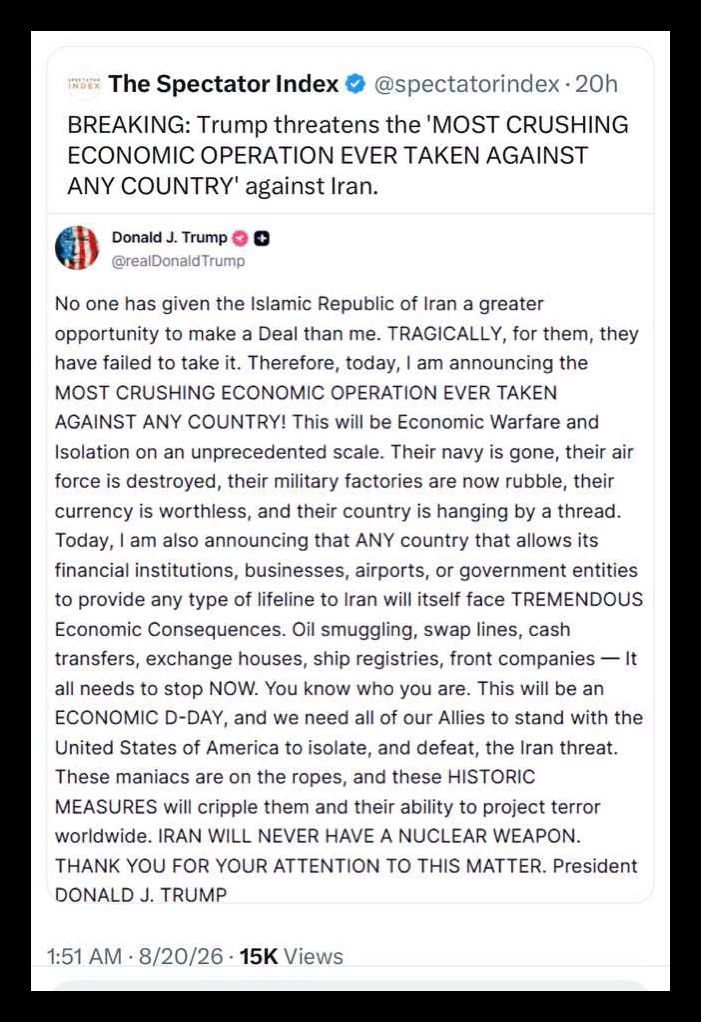
The US still has the world’s deepest financial markets and the dollar remains the main global currency. These markets have not collapsed. But the combination of record debt, rising long-term interest rates that shrug off official interventions, and higher oil prices from geopolitical risk is a serious set of pressures. Whether this becomes a full “timebomb” depends on what happens next, whether deficits are brought under control, whether geopolitical tensions ease, and whether markets regain confidence that the numbers will improve. For now, the fire is still burning, and the hose is still small.
Authored By: Global GeoPolitics
If you prefer to make a one time donation in support of my work, you can do so by clicking any link below:
https://donate.stripe.com/7sY8wPfvi864don0k3awo07 |
https://buymeacoffee.com/ggtv |
https://ko-fi.com/globalgeopolitics |
Bitcoin: 3NiK8BoRZnkwJSHZSekuXKFizGPopkE7ns
References
Bond yields and Bessent intervention
CNBC: “Treasury yields rebound, wiping out the decline following Bessent’s intervention” (Aug. 20, 2026). Details the 30-year yield rising more than 5 basis points to around 5.25% and the temporary nature of the prior day’s drop after the buyback announcement.
Financial Times: “US long-term bonds slide as Bessent intervention fails to soothe investors” (Aug. 20, 2026). Confirms the yield on the 30-year rose as much as 0.07 percentage points, reversing most of the previous day’s decline.
Washington Post / related coverage: Reports the 30-year yield climbing back toward 5.24-5.27% after Bessent’s announcement to at least double long-term buybacks.
US debt reaching $40 trillion
Wall Street Journal: “U.S. Debt Just Topped $40 Trillion: How We Got Here” (Aug. 20, 2026). States total public debt outstanding hit $40.047 trillion.
Reuters: “US debt crosses $40 trillion threshold after doubling under Trump and Biden” (Aug. 19, 2026). Confirms the milestone and provides context on publicly held debt.
New York Times and Washington Post contemporaneous reports also documented the crossing of the $40 trillion mark on Treasury data.
Oil prices and geopolitical factors
Multiple market reports (including Reuters and specialized trackers such as Strait of Hormuz Monitor data around Aug. 20, 2026): Brent crude trading near $92-94 per barrel and WTI near $86, with elevated levels attributed to ongoing US-Iran tensions, slowed Hormuz shipping traffic, and stalled diplomatic talks.


Leave a comment