
Strait of Hormuz
-
The Kingdom That Cannot Sell Its Oil: How Yemen and Iran Have Trapped Saudi Arabia
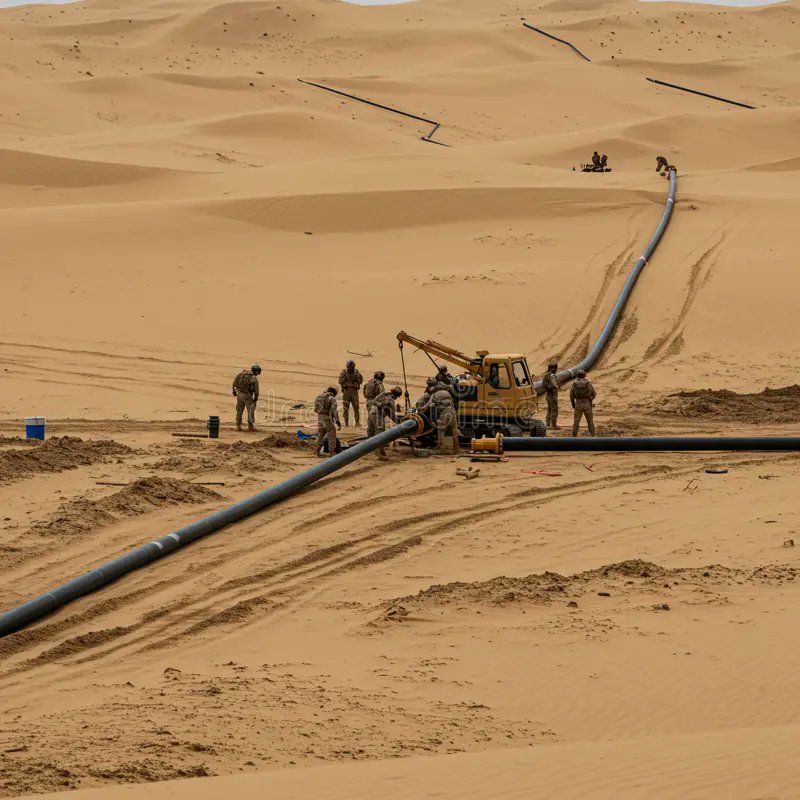
Riyadh’s export lifelines are severed, its allies are wavering, and its American patron has no spare capacity to save it Editorial Analysis | September 2026 The suspension of all crude oil loadings from the Red Sea port of Yanbu represents the most severe disruption to Saudi Arabia’s oil export capacity since the kingdom began exporting… Continue reading
-
The Energy Shock That Washington Pretended Wasn’t Happening
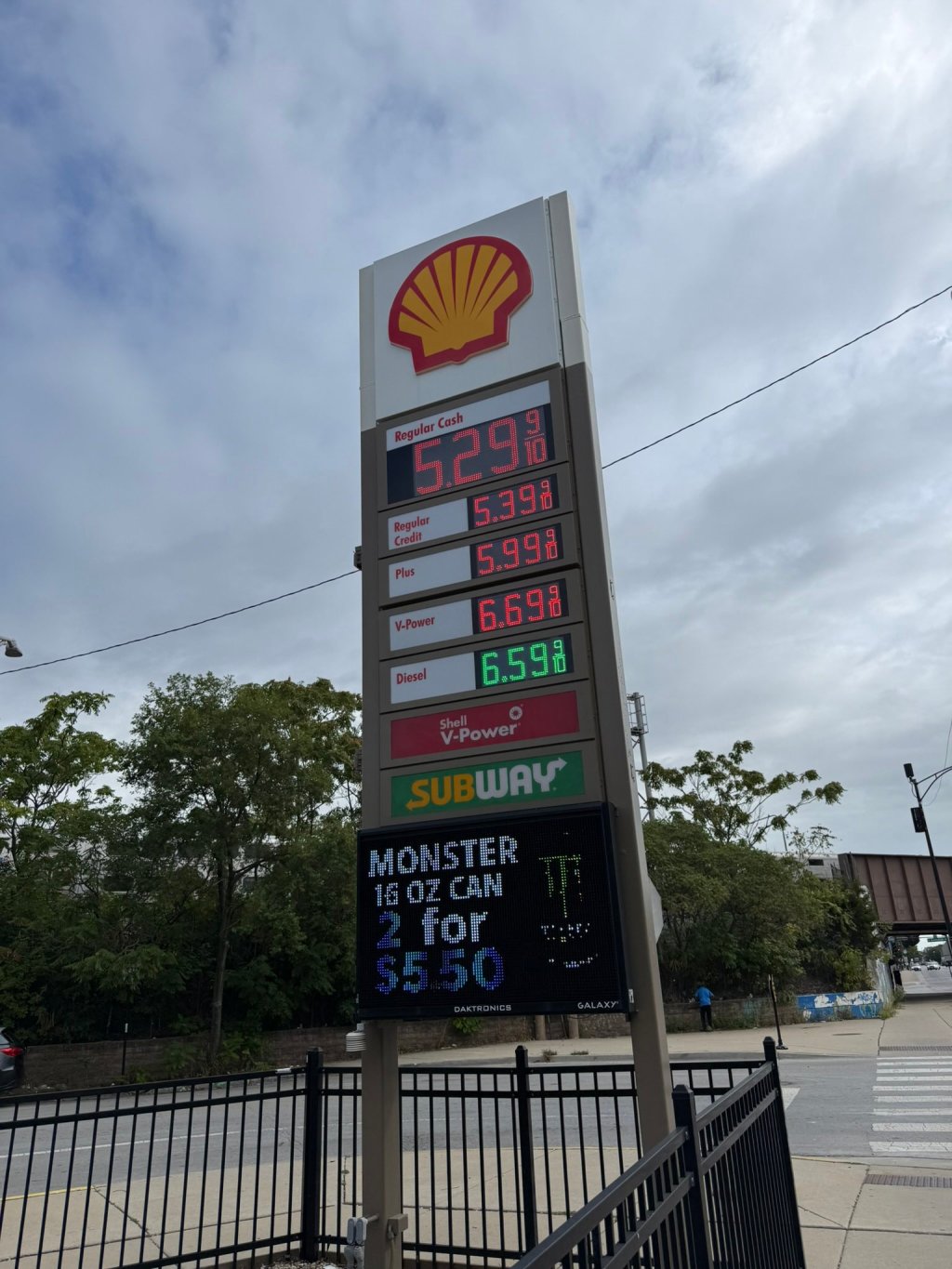
How the suppression of price signals turned a supply disruption into a systemic crisis, and why the costs are being borne by those who had no part in creating it Editorial Analysis | September 2026 The war that began on 28 February 2026 with joint United States and Israeli strikes on Tehran and several other… Continue reading
-
Yemen’s Ansarallah “aka Houthi’s” Take Mokha

The fall of Yemen’s last major western port brings Houthi forces within striking distance of the Bab el-Mandeb and exposes the limits of Saudi and American air power General Article | September 2026 Saudi Arabia poked a beehive. Yemeni forces aligned with Ansarallah have taken the Red Sea port city of Mokha and its airport,… Continue reading
-
China’s Objections at the United States-Hosted G20 Finance Meeting and the Limits of Manufactured Multilateral Consensus
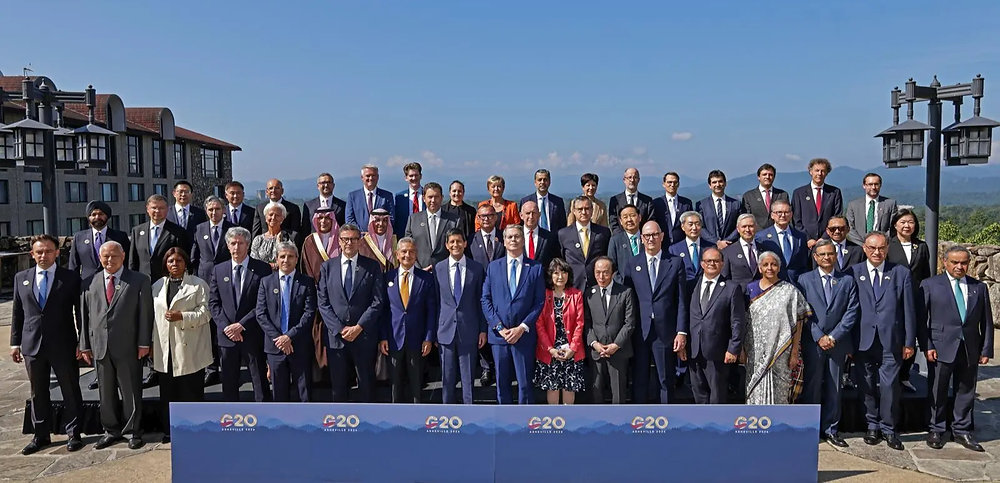
An examination of the institutional, strategic and economic drivers behind Beijing’s refusal to endorse language on trade imbalances, non-market policies and critical supply chains in the chair’s statement issued after the Asheville gathering Editorial Analysis | September 2026 In the closing days of the United States G20 presidency’s finance track, finance ministers and central bank… Continue reading
-
Iran Signals Expansion of Retaliation Beyond Military Targets
After Larak Island strike, Iranian academic and former adviser Mohammad Marandi warns of a “different” and “very painful” response that may include economic assets, with potential effects on energy General Article |September 2026 United States Central Command confirmed that American forces struck two launchers on Larak Island late on 30 August. Officials stated that Islamic… Continue reading
-
American Strike on Larak Island and Iranian Retaliation Widen the Contested Theatre
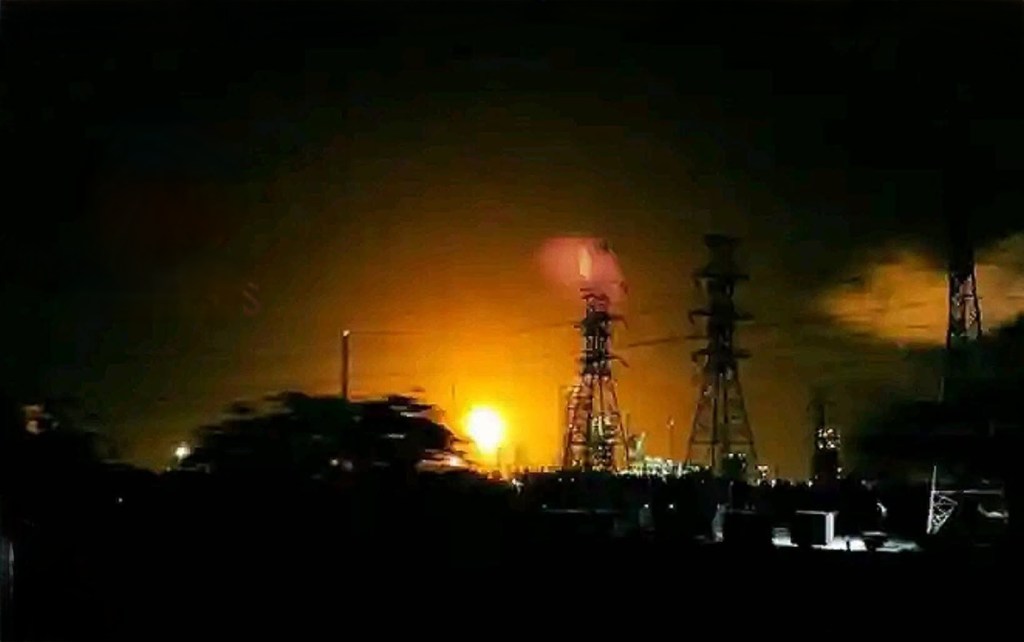
Direct attacks near the Strait of Hormuz, reciprocal launches against United States bases in Jordan, and explicit threats against Israeli leadership mark a further expansion of the conflict’s geographic and political scope General Article | August 2026 United States Central Command confirmed that American forces struck two launchers on Larak Island late on 30 August.… Continue reading
-
Trump Declares Victory in Hormuz, Claiming Iran’s Grip Broken as U.S. Prepares Extended Channel
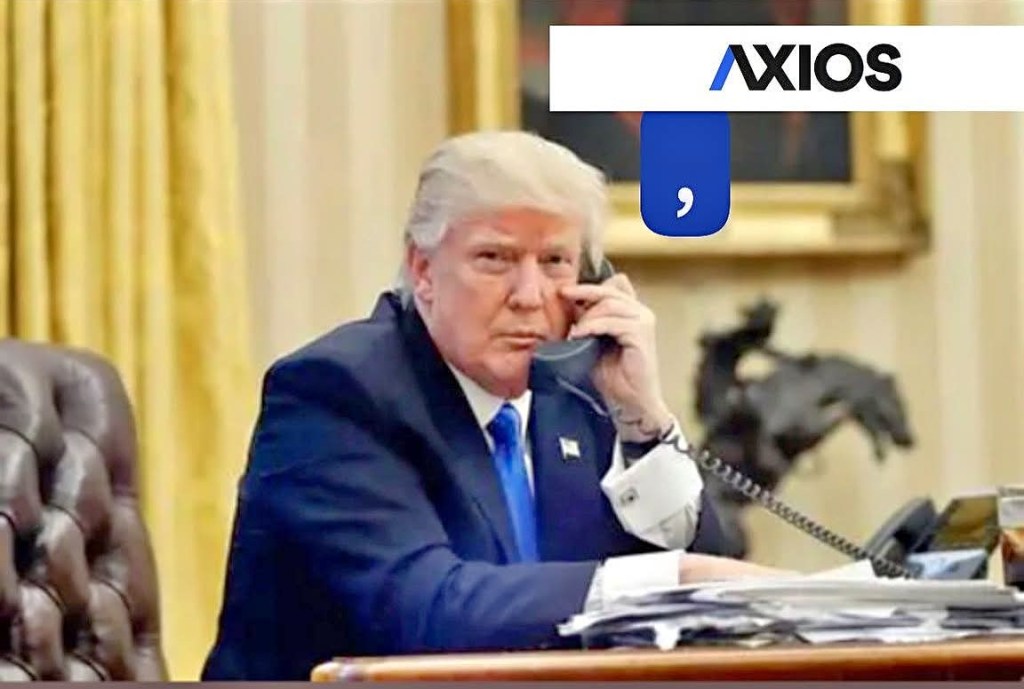
Trump has declared victory in the Strait of Hormuz during a phone call with Axios U.S. President Donald Trump has declared victory in the Strait of Hormuz during a phone call with Axios, asserting that the strategic maritime chokepoint is open and describing Iran’s response as “very mild.” Trump claimed that Iranian forces “don’t want… Continue reading
-
Hormuz Authority Shifts to Iranian Waters
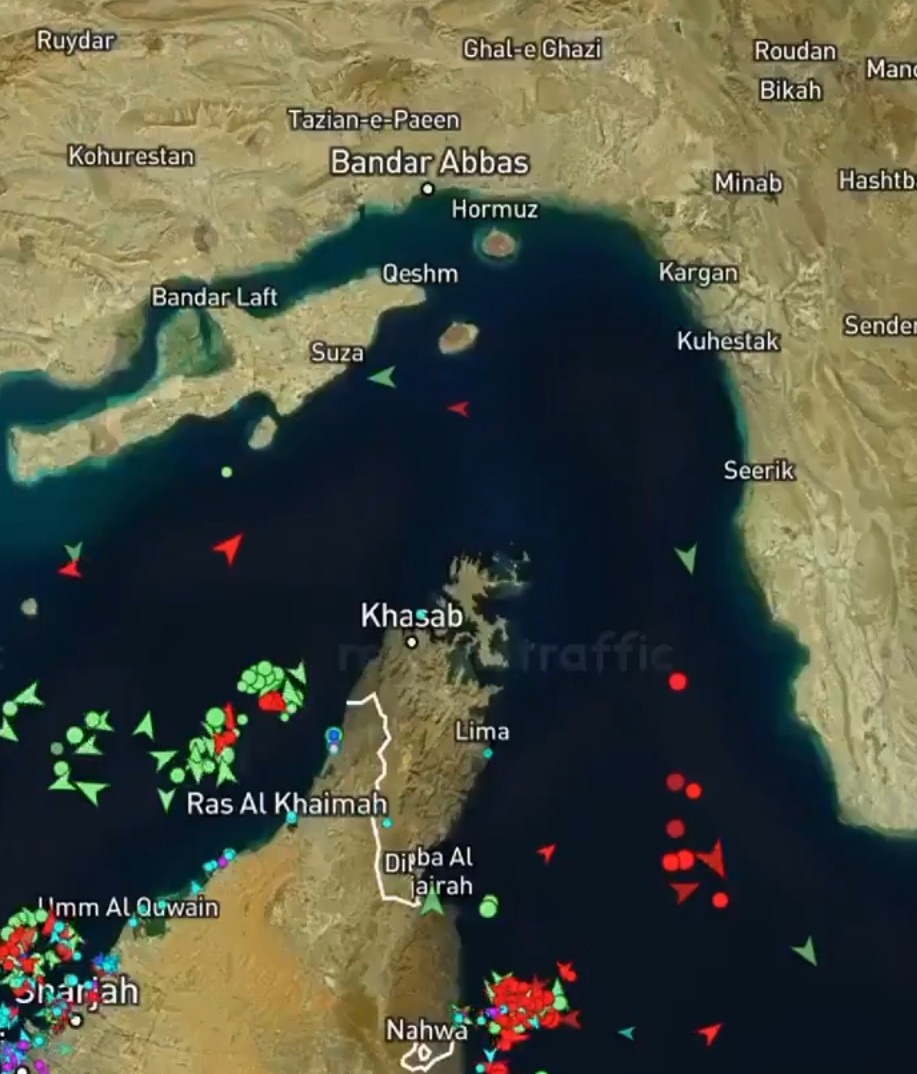
Iran-Oman corridor closes the US-escorted southern route and ties oil transit to Tehran’s political conditions Iran’s leadership confronts two sharply different readings of the present phase of its confrontation with the United States. One interpretation holds that strategic patience alone can convert military success into lasting political victory. The other warns that the same patience… Continue reading
-
Iran and Oman Close America’s Hormuz Corridor
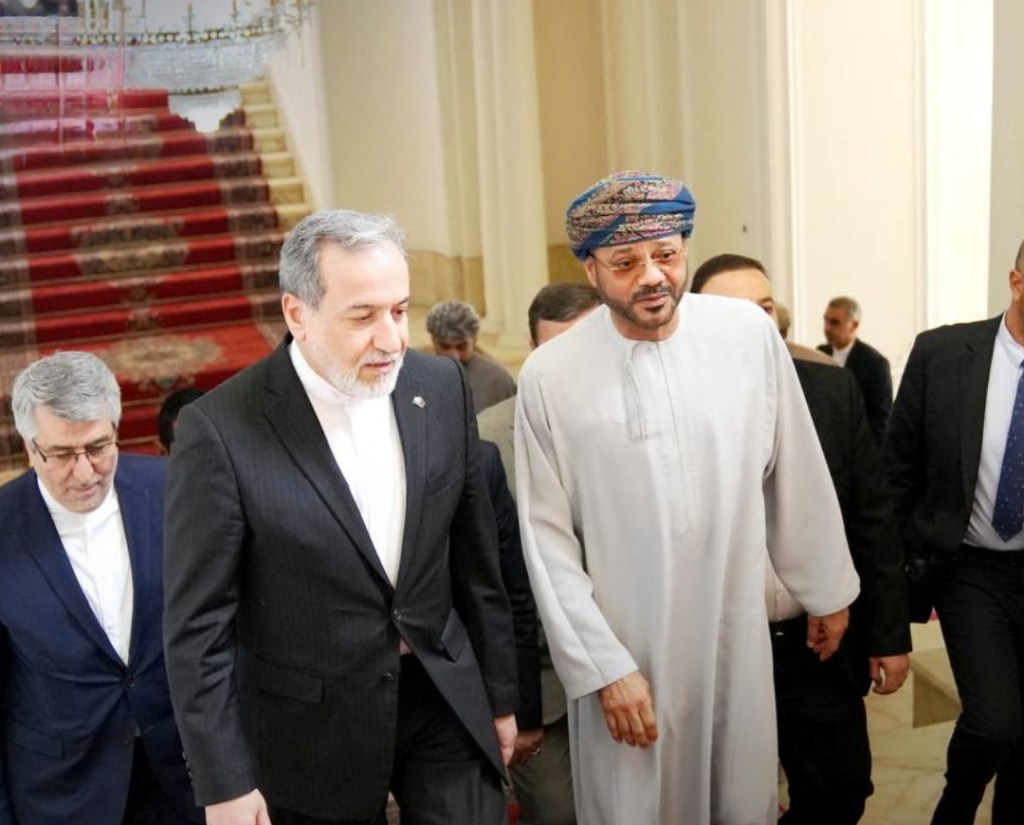
Joint navigation route through Iranian waters replaces the UN-backed southern path that US warships have escorted for five months America’s five-month effort to secure an alternative shipping corridor through the Strait of Hormuz is being rewritten by the very ally that helped establish it. Iran and Oman have agreed to create a temporary joint navigation… Continue reading
-
The Price of a Closed Strait
Material interests, naval power and the political economy of energy transit through the Strait of Hormuz under conditions of prolonged disruption Editorial Analysis | August 2026 Geographic concentration of exportable hydrocarbons in the Persian Gulf has repeatedly drawn major powers into contests over the narrow waterway that connects those fields to oceanic shipping lanes. Approximately… Continue reading
