
Oil Prices
-
The Energy Shock That Washington Pretended Wasn’t Happening
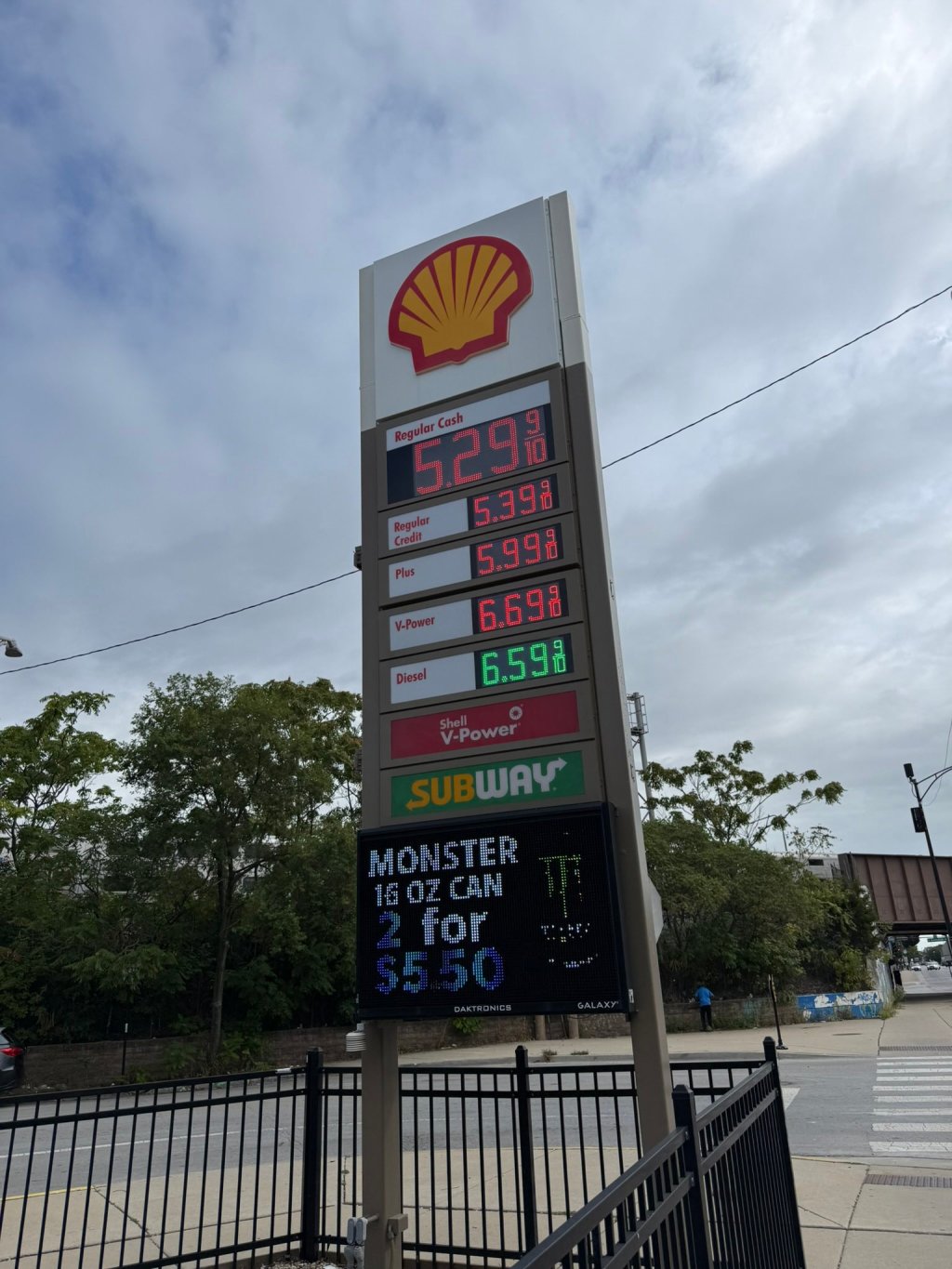
How the suppression of price signals turned a supply disruption into a systemic crisis, and why the costs are being borne by those who had no part in creating it Editorial Analysis | September 2026 The war that began on 28 February 2026 with joint United States and Israeli strikes on Tehran and several other… Continue reading
-
Hormuz Authority Shifts to Iranian Waters
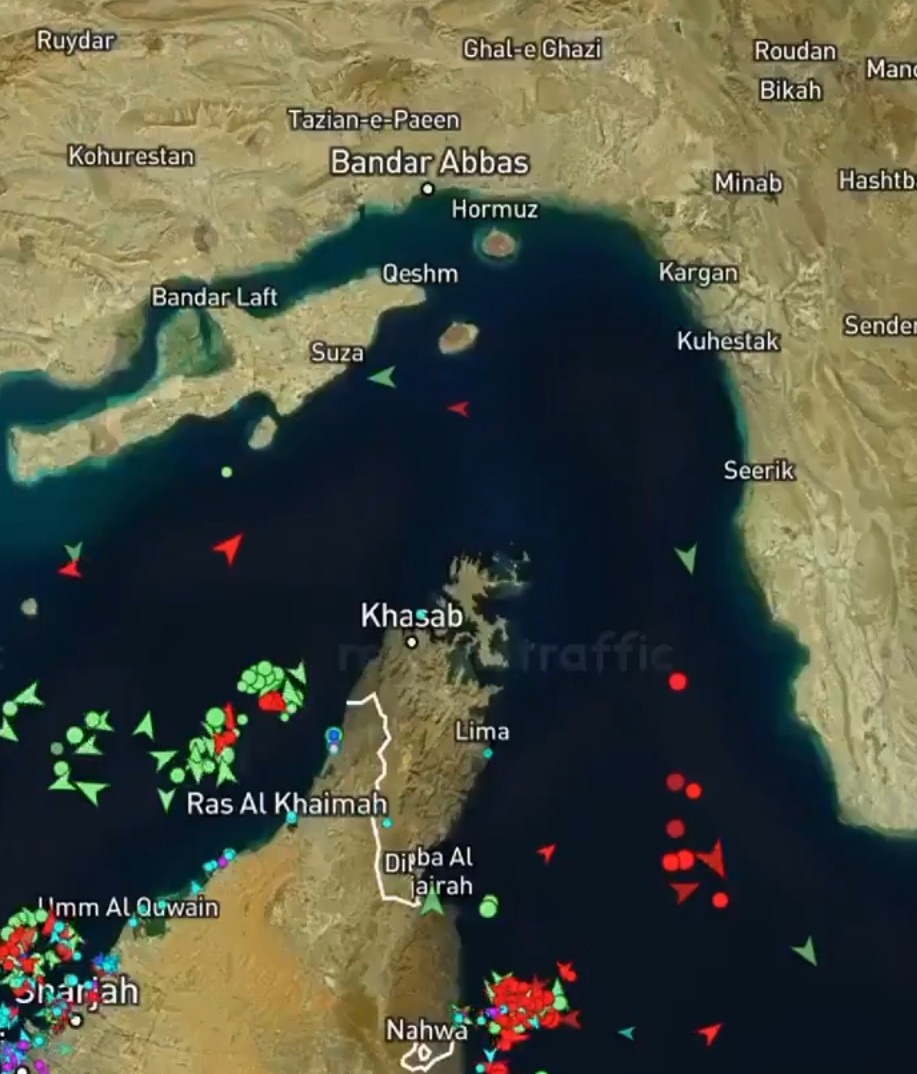
Iran-Oman corridor closes the US-escorted southern route and ties oil transit to Tehran’s political conditions Iran’s leadership confronts two sharply different readings of the present phase of its confrontation with the United States. One interpretation holds that strategic patience alone can convert military success into lasting political victory. The other warns that the same patience… Continue reading
-
Iran and Oman Close America’s Hormuz Corridor
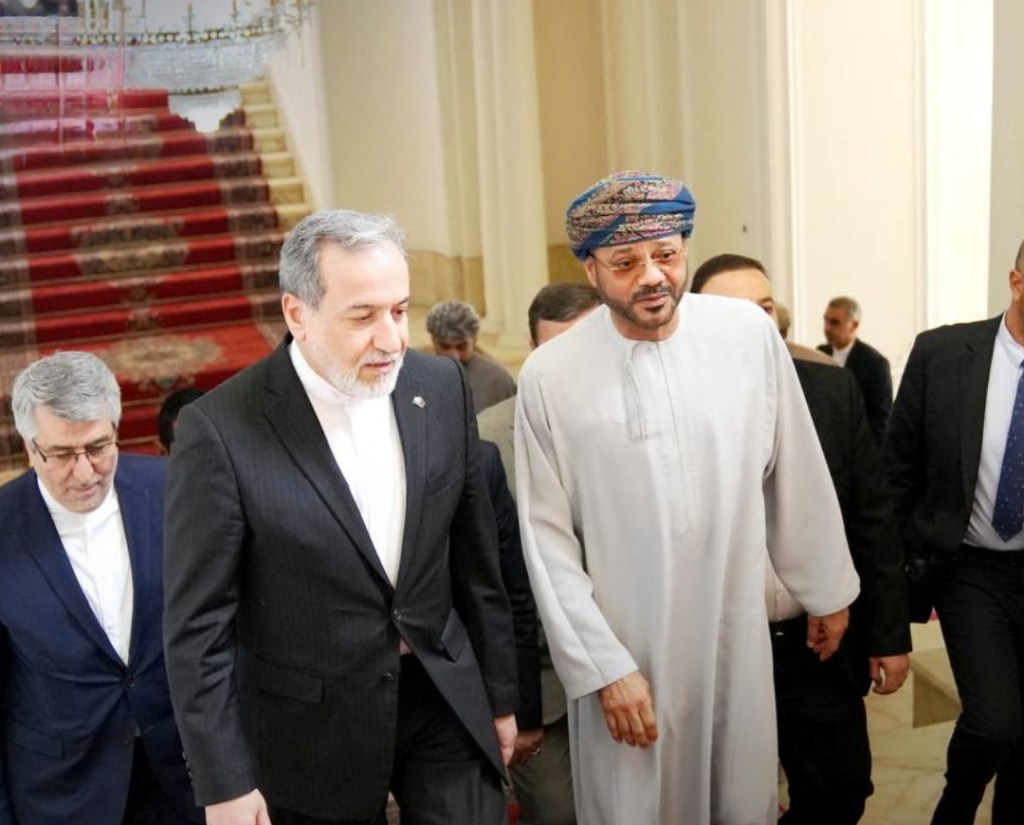
Joint navigation route through Iranian waters replaces the UN-backed southern path that US warships have escorted for five months America’s five-month effort to secure an alternative shipping corridor through the Strait of Hormuz is being rewritten by the very ally that helped establish it. Iran and Oman have agreed to create a temporary joint navigation… Continue reading
-
The U.S. Vows to Impose the Toughest Sanctions in History on Iran
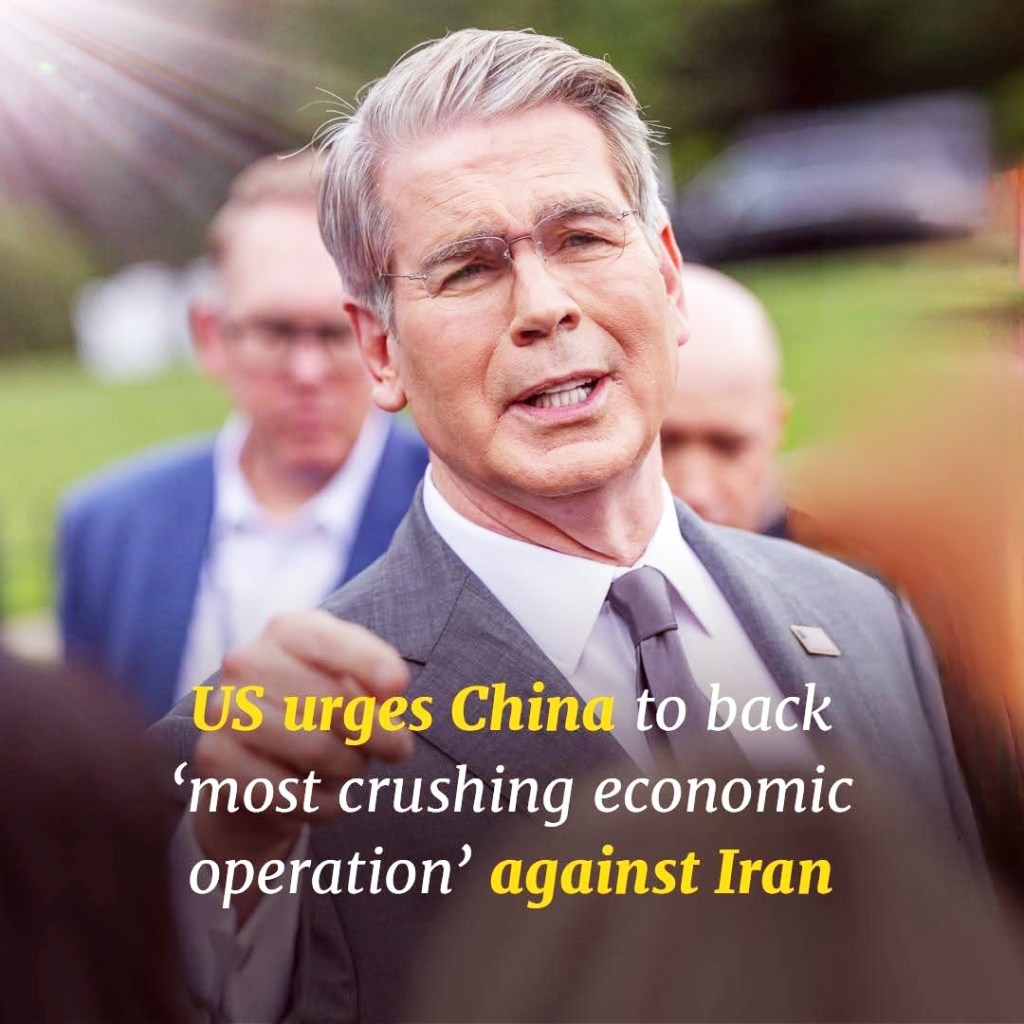
President Trump Declares ‘Economic D-Day,’ Threatening Crippling Sanctions for Dealing with Iran General Article | August 2026 Washington has launched what it describes as an economic D-Day against Iran, with United States Treasury Secretary Scott Bessent vowing to impose the toughest sanctions in history in a concerted effort to collapse the Iranian government. Speaking to… Continue reading
-
What’s Happening with US Bonds, Debt, and Oil
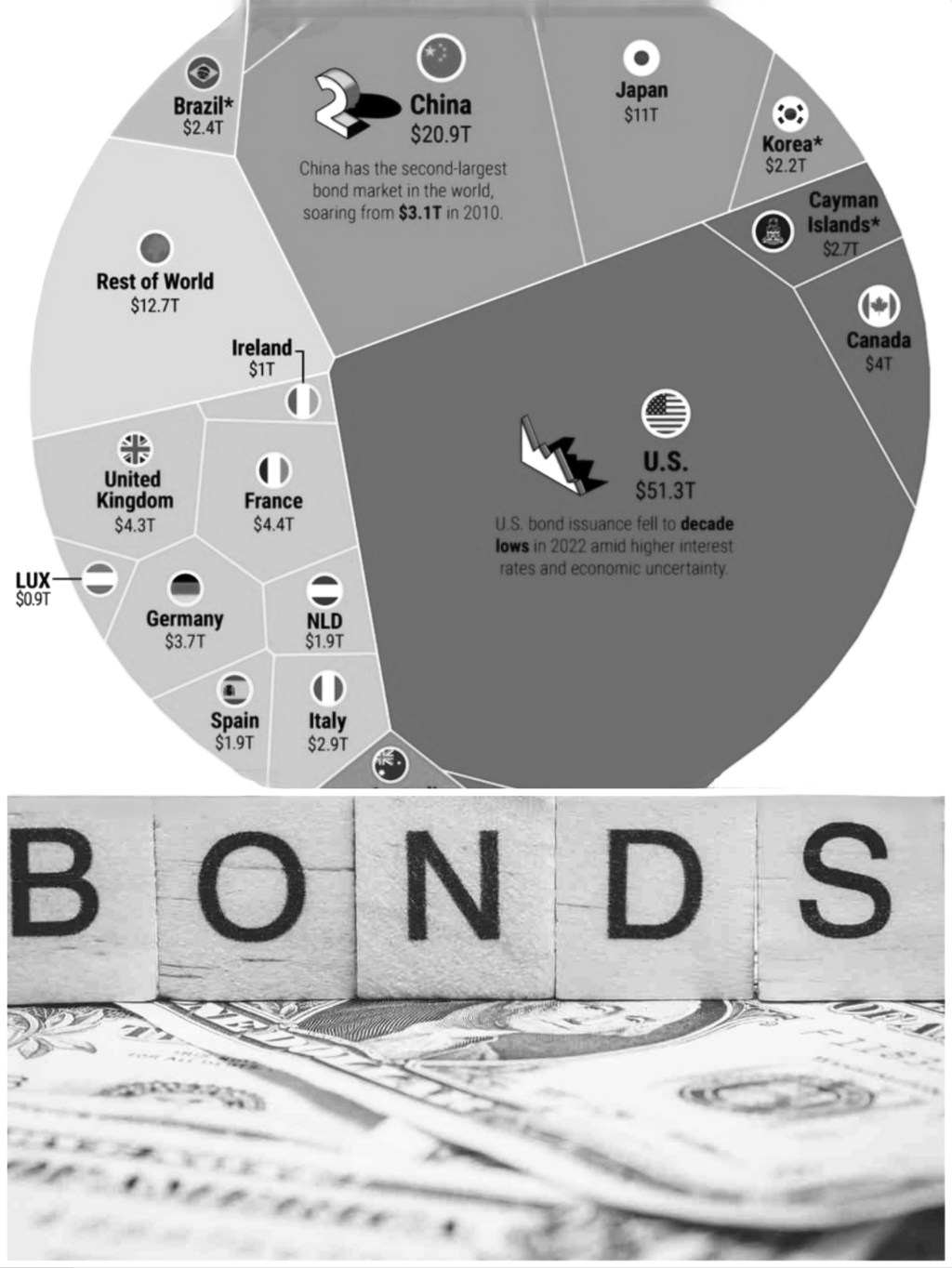
Bond Market Reversal, $40 Trillion Debt Milestone, and Geopolitical Oil Premium: A Snapshot of US Fiscal and Market Pressures On August 19-20, 2026, US long-term Treasury yields largely erased the temporary relief from a surprise Treasury Department intervention, underscoring persistent fiscal and market tensions. Treasury Secretary Scott Bessent announced that the department would at least… Continue reading
-
U.S. Financial Losses Signal Market Breakdown and Risk of Economic Contraction

Energy disruption, inflation, rising debt costs, and global repricing of U.S. assets place sustained pressure across the entire economic system A sharp break in United States financial markets during the final week of March 2026 raised the risk of a broader economic contraction extending beyond equities into the core functions of the economy and its… Continue reading
AI and Digital Control, America, China, economics, Energy, EUROPE, Financial markets, Foreign Policy, Geopolitics, Global Finance, iran, israel, middle east, Mineral Resources, NATO, politics, reserve currency, Russia, warbond yields, capital flows, currency movements, economic contraction, energy crisis, federal reserve, Financial markets, geopolitical risk, global economy, inflation, interest rates, Iran conflict, labour market, layoffs, Lebanon conflict, liquidity, market volatility, Oil Prices, stagflation, stock market decline, Strait of Hormuz, systemic risk, Treasury market, US dollar, US economy -
Turkey and India Lead $82 Billion Dump of U.S. Treasuries
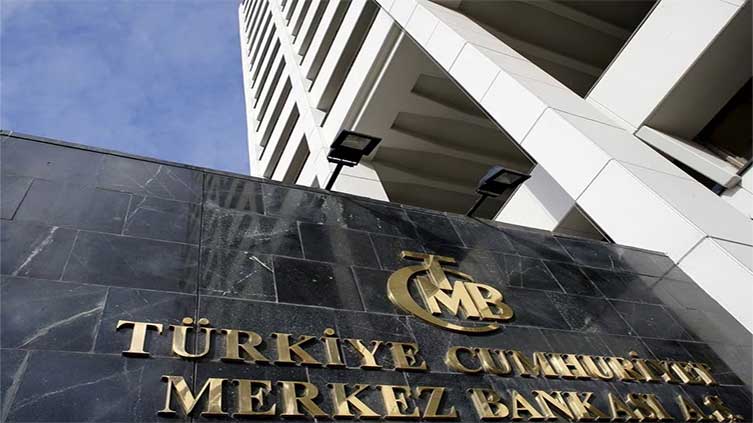
As foreign central banks dump U.S. bonds to defend their own economies, rising yields and shrinking demand threaten to destabilize the financial system underpinning American power. A financial shock is moving through the global system as foreign central banks offload tens of billions of dollars in U.S. Treasuries in a matter of weeks in favor… Continue reading
-
Turkey and India Lead $82 Billion Dump of U.S. Treasuries
As foreign central banks dump U.S. bonds to defend their own economies, rising yields and shrinking demand threaten to destabilize the financial system underpinning American power. A financial shock is moving through the global system as foreign central banks offload tens of billions of dollars in U.S. Treasuries in a matter of weeks in favor… Continue reading
-
The Collapse of “Plan A” and the Emergence of a War Without Control
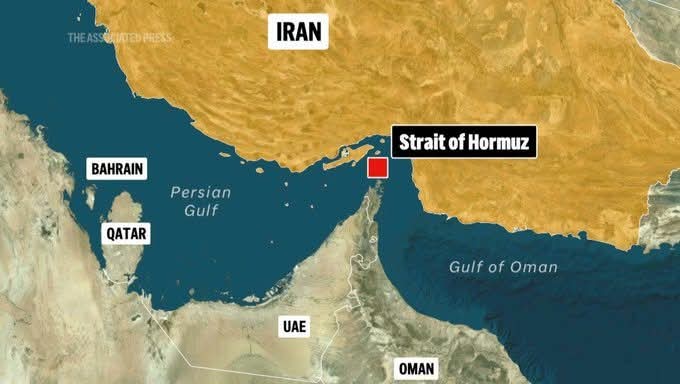
Israeli Escalation, Iranian Leverage, and the Breakdown of United States Control Amid Infrastructure Warfare, Energy Market and Global Economic Shock Military escalation between the United States, Israel and Iran over the past twenty-four hours has altered both the operational direction and the political control of the conflict, with immediate consequences for energy markets, alliance management… Continue reading
-
The Unlawful War Now Threatens The World
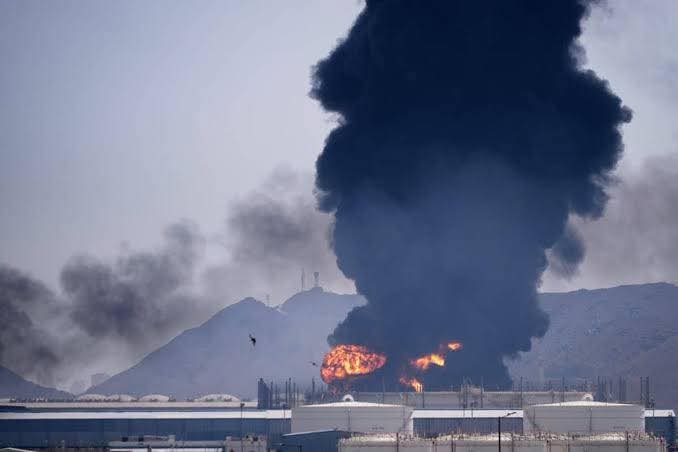
Energy on the Brink as the Middle East Escalation Triggers Global Fallout Global energy markets have entered a state of heightened volatility following Israeli strikes on Iran’s South Pars gas field, prompting retaliatory action that has sent ripple effects across the region and the world. South Pars, shared with Qatar where it is known as… Continue reading
