

As deadly protests continue over economic woes, Iranian officials blame external forces for fueling violence, while President Trump signals potential intervention.
Iranian President Masoud Pezeshkian has accused the U.S. and Israel of actively stoking unrest within the country by supporting “foreign terrorists” embedded among protesters. In a televised interview, Pezeshkian claimed that the violent unrest, which erupted due to the economic crisis and hyperinflation, has been escalated by external forces rather than stemming from genuine domestic grievances. He emphasized that the violence, characterized by acts like the burning of mosques and markets, was being orchestrated by external elements, not by Iranian citizens. According to Pezeshkian, the Iranian people have every right to protest, but those causing destruction are not part of the legitimate protest movement; instead, they are seen as foreign agents disrupting the nation’s stability.
The government’s stance is that it is committed to addressing the economic issues through all available means, suggesting that while the public’s frustrations are valid, the chaos surrounding the protests is being manipulated by foreign actors. Pezeshkian’s rhetoric points to a deliberate effort by the U.S. and Israel to stir the pot, further inflaming tensions. He warned that young people could be misled into joining violent factions, ultimately damaging their own cause.
The violence that has emerged during the protests has been severe, with clashes between demonstrators and security forces resulting in numerous deaths on both sides. Disturbing footage has emerged of extreme violence, including rioters killing police officers and setting fire to sensitive sites like mosques and medical centers. This has led to a growing humanitarian crisis, including a nationwide internet blackout imposed by the government to curb the spread of information.
Adding fuel to the fire, a social media account linked to Israel’s intelligence agency, Mossad, openly claimed to apache agents within the protests, suggesting that foreign involvement was not only possible but intentional. The U.S. has also made its stance clear, with President Trump signaling support for the protesters, even suggesting direct intervention. Trump’s support further complicates the issue, as it could rally nationalistic sentiment in Iran and deepen the divide between the regime and the West.
This entire situation is a volatile mix of genuine domestic dissatisfaction, foreign involvement, and a complex geopolitical dynamic. While the protests initially centered on economic despair, they’ve now become a battleground for larger international rivalries. Iran’s leadership is framing the crisis not as a simple public outcry but as a fight against external forces trying to destabilize the country, thus shifting the narrative from economic failure to national security and sovereignty. The government’s challenge now is to manage the protests while minimizing the influence of foreign powers and keeping public support from slipping further away.
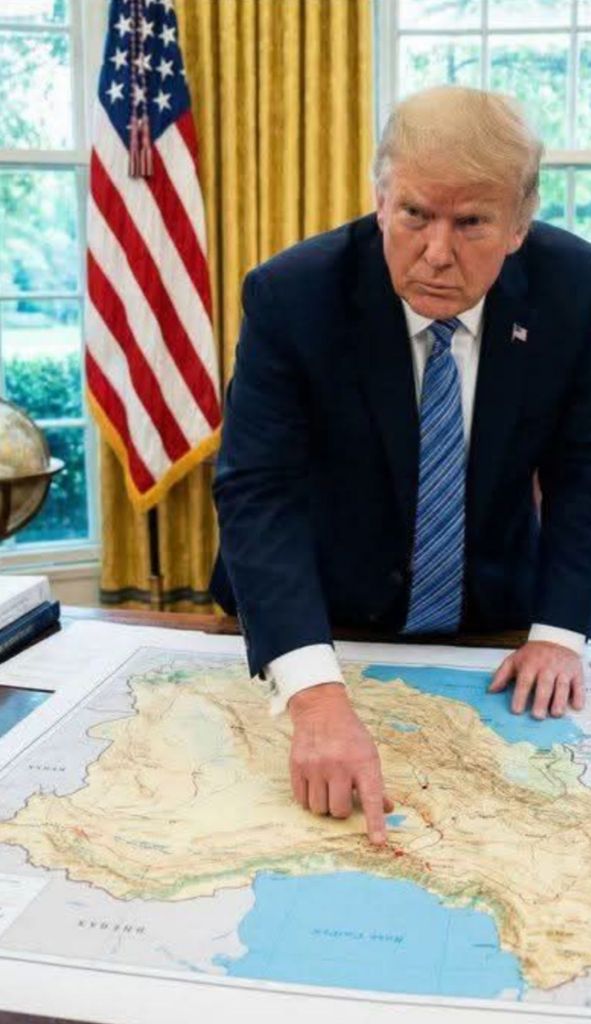
Meanwhile, U.S. military leaders have advised President Trump that any immediate strike on Iran would be premature. Before considering any offensive action, they stressed the need to first solidify their positions and fortify defenses. This suggests that commanders view the situation as requiring careful preparation, likely to minimize the risk of escalation or vulnerabilities in case of retaliation.
Additionally, military officials have warned that launching an attack could inadvertently strengthen the Iranian government’s standing among its citizens. In times of crisis, public sentiment often coalesces around national leadership, and such a move might rally Iranians behind their government, potentially making them more resistant to external pressures. The caution here reflects a broader concern: military action could not only backfire diplomatically but also stoke nationalistic fervor, undermining the very objectives that might have been intended by the strike.
This caution underscores the complexity of the decision-making process regarding military intervention, where strategic calculations need to balance short-term military goals with the long-term political and social consequences.
Authored By: Global GeoPolitics
This is a reader-supported publication. I cannot do this without your support. If you are are a free subscriber, I need a small army of paid subscribers to make my work possible, support the progress, expand my reach across social media and help me push back against the establishment and its failing policies.
If you believe journalism should serve the public, not the powerful, and you’re in a position to help, becoming a PAID SUBSCRIBER truly makes a difference. Alternatively you can support by way of a cup of coffee:
buymeacoffee.com/ggtv


Leave a reply to albertoportugheisyahoocouk Cancel reply