
donald trump
-
The Bishkek Declaration and the Architecture of Imperial Continuity
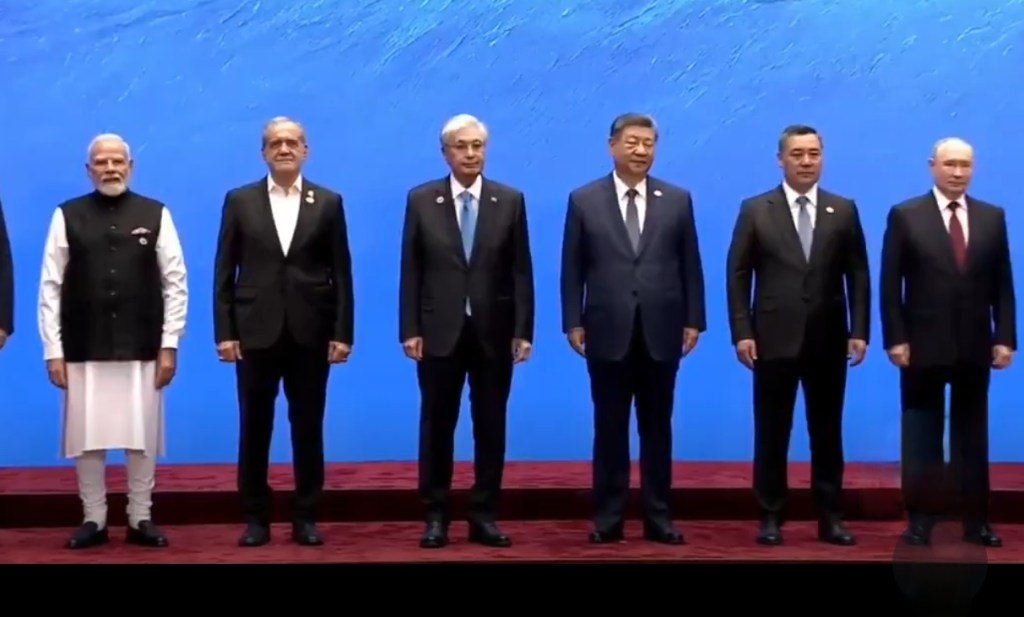
The Shanghai Cooperation Organisation’s unanimous condemnation of the American-Israeli attack on Iran signals more than diplomatic posturing; it exposes the deepening structural contradictions within a unipolar order that can no longer enforce its will without provoking collective resistance. Editorial Analysis | September 2026 The Shanghai Cooperation Organisation’s Bishkek Declaration, adopted on 1 September 2026, represents… Continue reading
-
Trump Declares Victory in Hormuz, Claiming Iran’s Grip Broken as U.S. Prepares Extended Channel
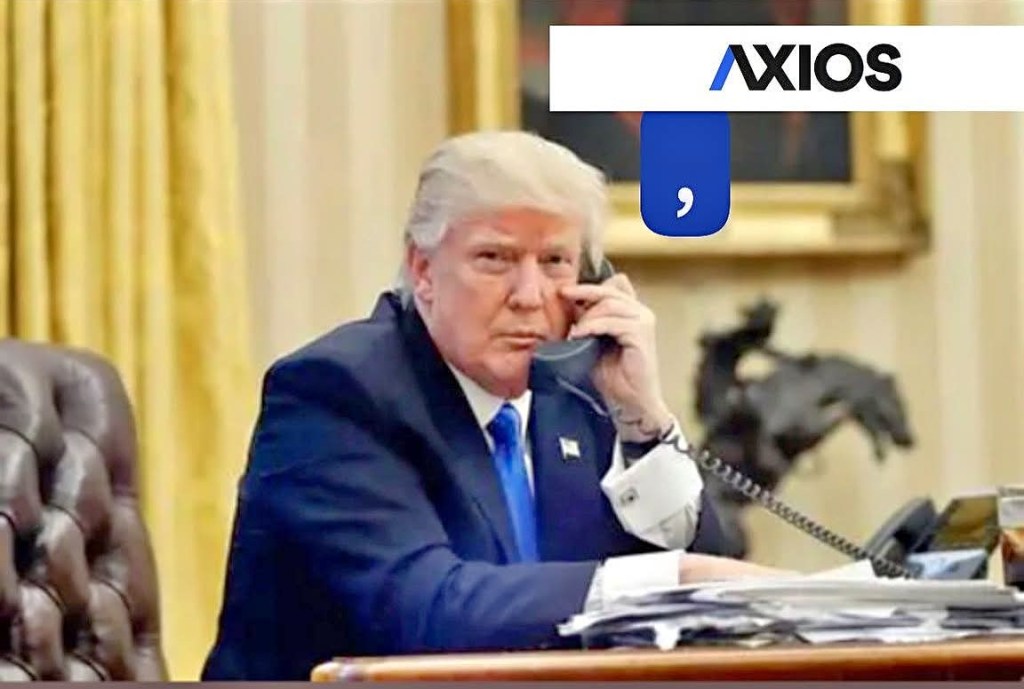
Trump has declared victory in the Strait of Hormuz during a phone call with Axios U.S. President Donald Trump has declared victory in the Strait of Hormuz during a phone call with Axios, asserting that the strategic maritime chokepoint is open and describing Iran’s response as “very mild.” Trump claimed that Iranian forces “don’t want… Continue reading
-
Jurisdiction and Impunity

By attacking the ICC, the United States is undermining the international legal order that it has historically used to legitimise its own interventions The International Criminal Court, established by the Rome Statute in 1998 and operational since 2002, represents the most ambitious effort in history to create a permanent international tribunal capable of prosecuting genocide,… Continue reading
-
The U.S. Vows to Impose the Toughest Sanctions in History on Iran
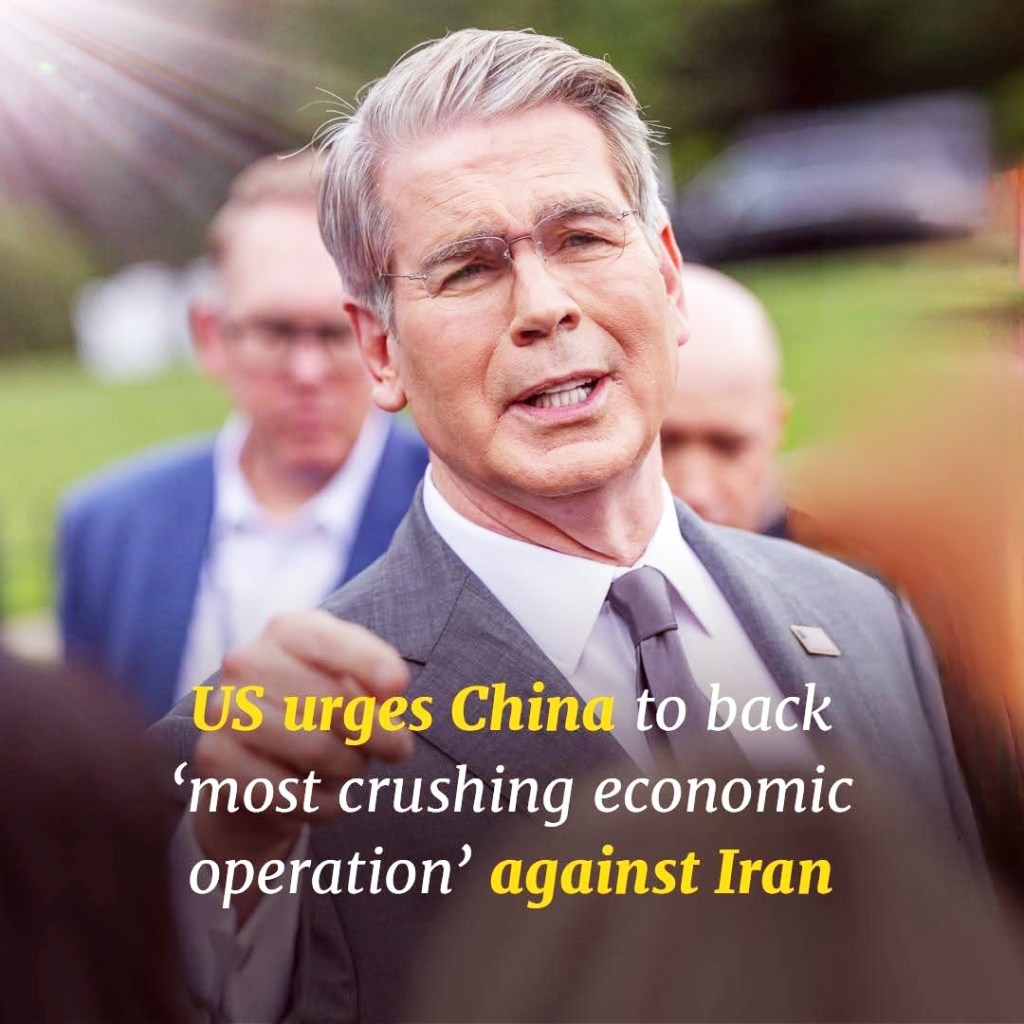
President Trump Declares ‘Economic D-Day,’ Threatening Crippling Sanctions for Dealing with Iran General Article | August 2026 Washington has launched what it describes as an economic D-Day against Iran, with United States Treasury Secretary Scott Bessent vowing to impose the toughest sanctions in history in a concerted effort to collapse the Iranian government. Speaking to… Continue reading
-
The Middle East on the Brink
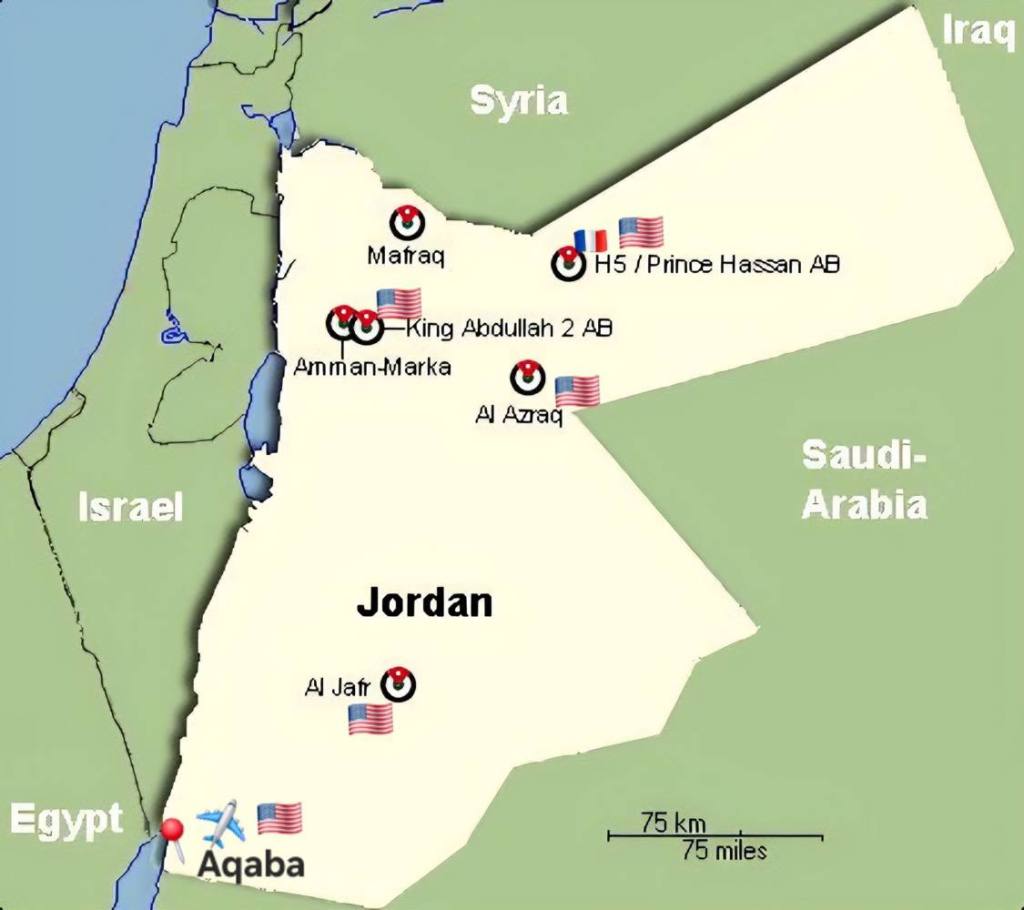
The conflict is no longer confined to a single front, with Jordan, Kuwait, and the Gulf emerging as potential flashpoints in the next stage of the crisis. The latest developments suggest the conflict may be entering a far more dangerous phase. Based on the information I have reviewed, Iran allegedly carried out one of its… Continue reading
America, China, economics, Foreign Policy, Geopolitics, imperialism, iran, israel, middle east, Mineral Resources, NATO, neocolonialism, politics, reserve currency, Russia, technology, warAbu Dhabi, ballistic missiles, breaking news, Defense, donald trump, Dubai, Fujairah, Geopolitics, global security, Gulf Region, Gulf security, HIMARS, international relations, iran, israel, Jebel Ali, Jordan, Kuwait, middle east, Middle East Crisis, military escalation, Muwaffaq Salti Air Base, national security, Regional Conflict, Tehran, U.S. military, UAE, United States, war analysis, White House -
Iran Warns “Entire Region Will Pay the Price” as US Bombs Bridges
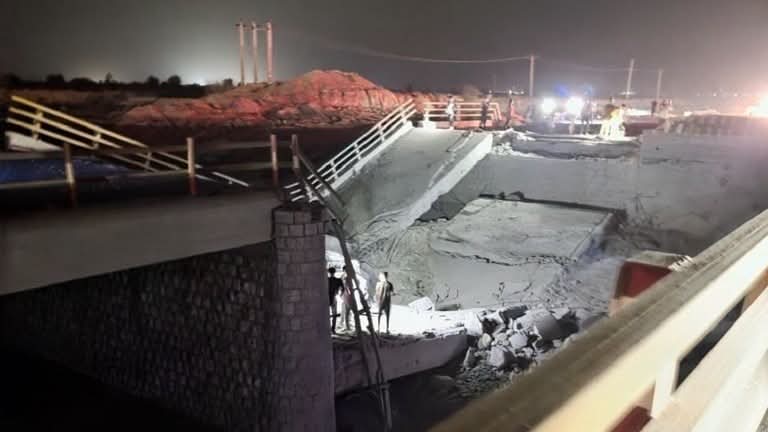
Tehran’s Response Will Leave Americans “Stunned,” Intelligence Source Says The United States carried out its sixth consecutive night of air strikes against Iran on Thursday, with Iranian officials reporting that American aircraft had hit civilian infrastructure, including several bridges, as Tehran warned that any further escalation would carry consequences for the entire region. US Central… Continue reading
Bahrain, Bandar Abbas, Bandar Khamir, Benjamin Netanyahu, civilian casualties, donald trump, Fifth Fleet, iran, Iranshahr Airport, Islamic Revolutionary Guard Corps, Middle East conflict, naval blockade, oil markets, Persian Gulf, regional escalation, RT, Strait of Hormuz, United States, US Central Command, US–Iran war -
Lyndsey Graham: ‘Good Riddance’ is Trending
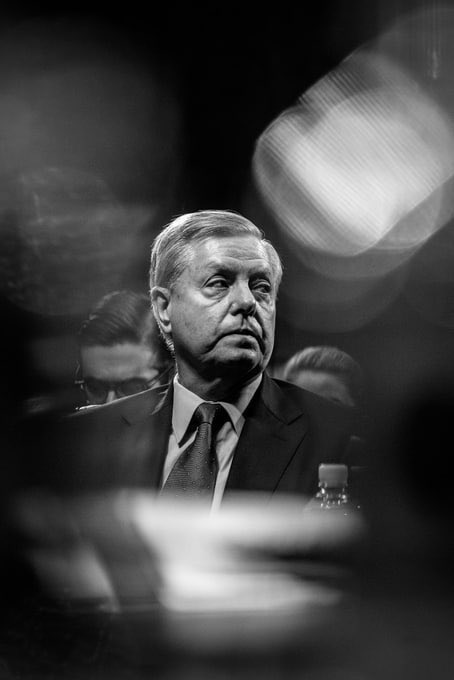
The Final Journey of Senator Lindsey Graham: A Reconstruction of Publicly Documented Movements The sudden death of Senator Lindsey Graham on July 11, 2026, at the age of 71, sent shockwaves through Washington and the international community. A close ally of President Donald Trump and one of the most vocal supporters of Ukraine in the… Continue reading
-
Is the Memorandum Built to Last, or Built to Break?
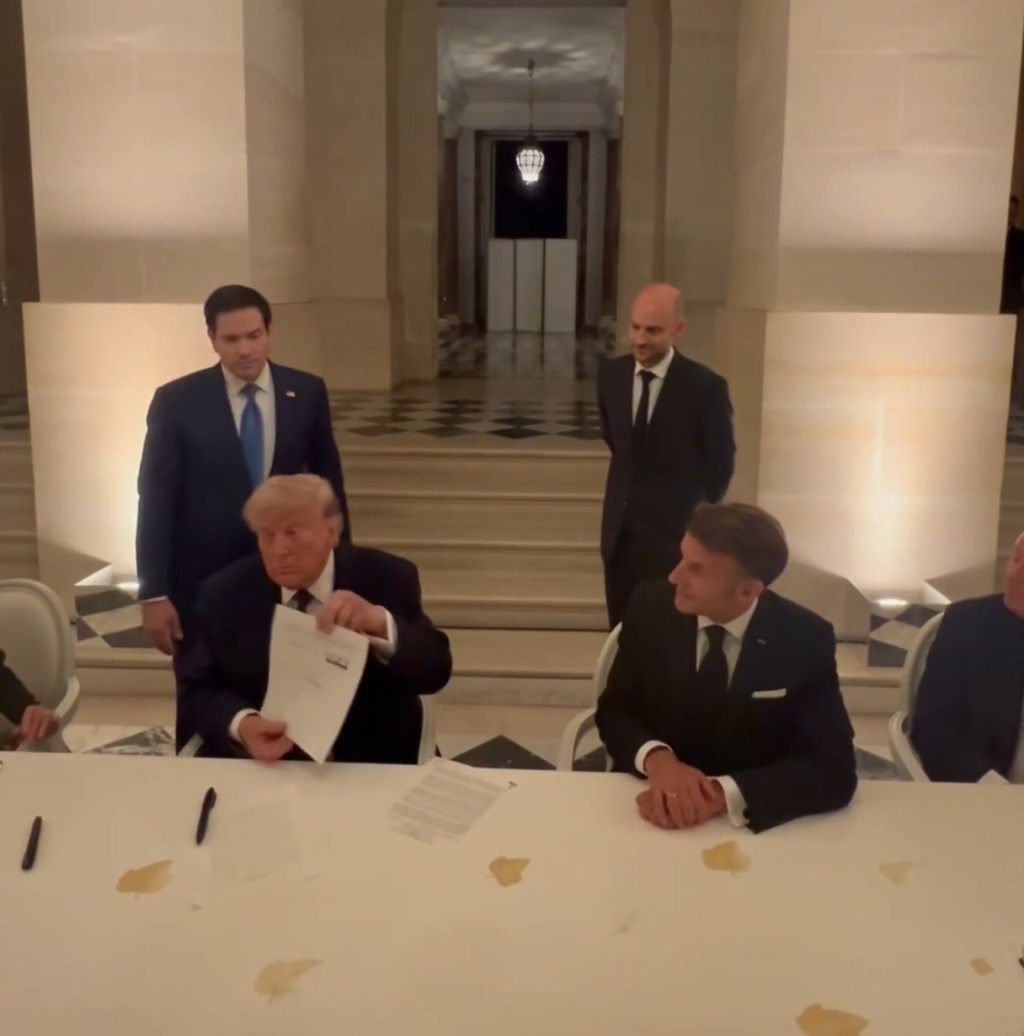
A framework for ceasefire is not a framework for peace, and the distinction has a long American record behind it Editorial Analysis | 18 June 2026 Diplomats concluded a memorandum of understanding with Iran in Geneva, the text finalised after months of Pakistani and Qatari-mediated contact between the two governments, and President Trump put his… Continue reading
-
Hormuz Isn’t the Point
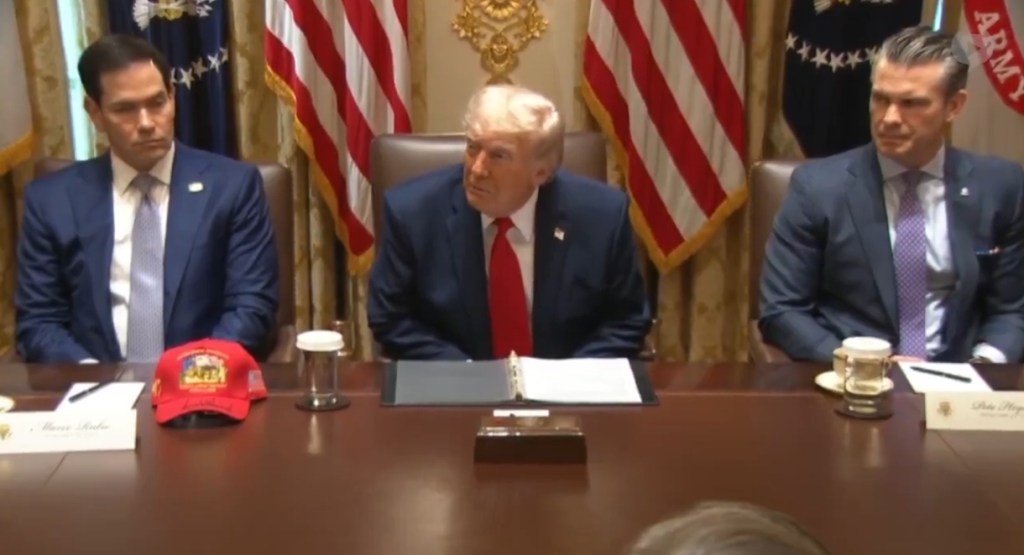
A controlled crisis in Hormuz could deepen East Asia’s dependence on U.S.-aligned energy flows much as Europe was severed from cheap Russian supply On 28 February 2026, United States and Israeli forces launched nearly nine hundred airstrikes against Iran within twelve hours, killing Supreme Leader Ali Khamenei, destroying nuclear facilities and missile infrastructure, and triggering… Continue reading
-
Tulsi Gabbard’s Exit Reveals Washington’s Old Foreign Policy Machinery
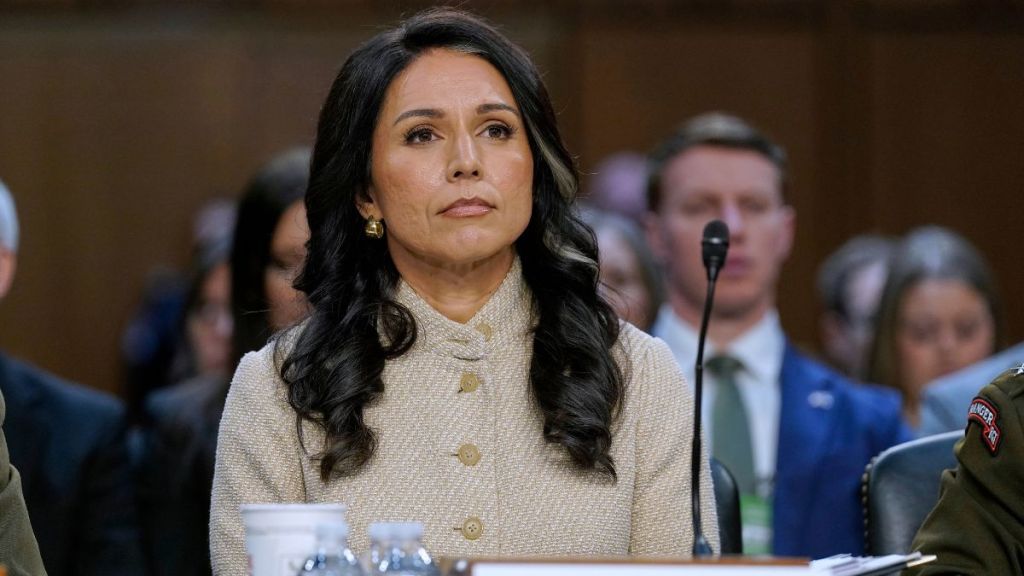
An administration elected partly upon anti-war sentiment increasingly resembles the interventionist security structures it once condemned, while mounting tensions surrounding Iran, intelligence authority, and scrutiny of American-funded biological research programmes cast a longer political shadow over Tulsi Gabbard’s carefully managed departure from the White House Tulsi Gabbard’s resignation from the position of Director of National… Continue reading
