
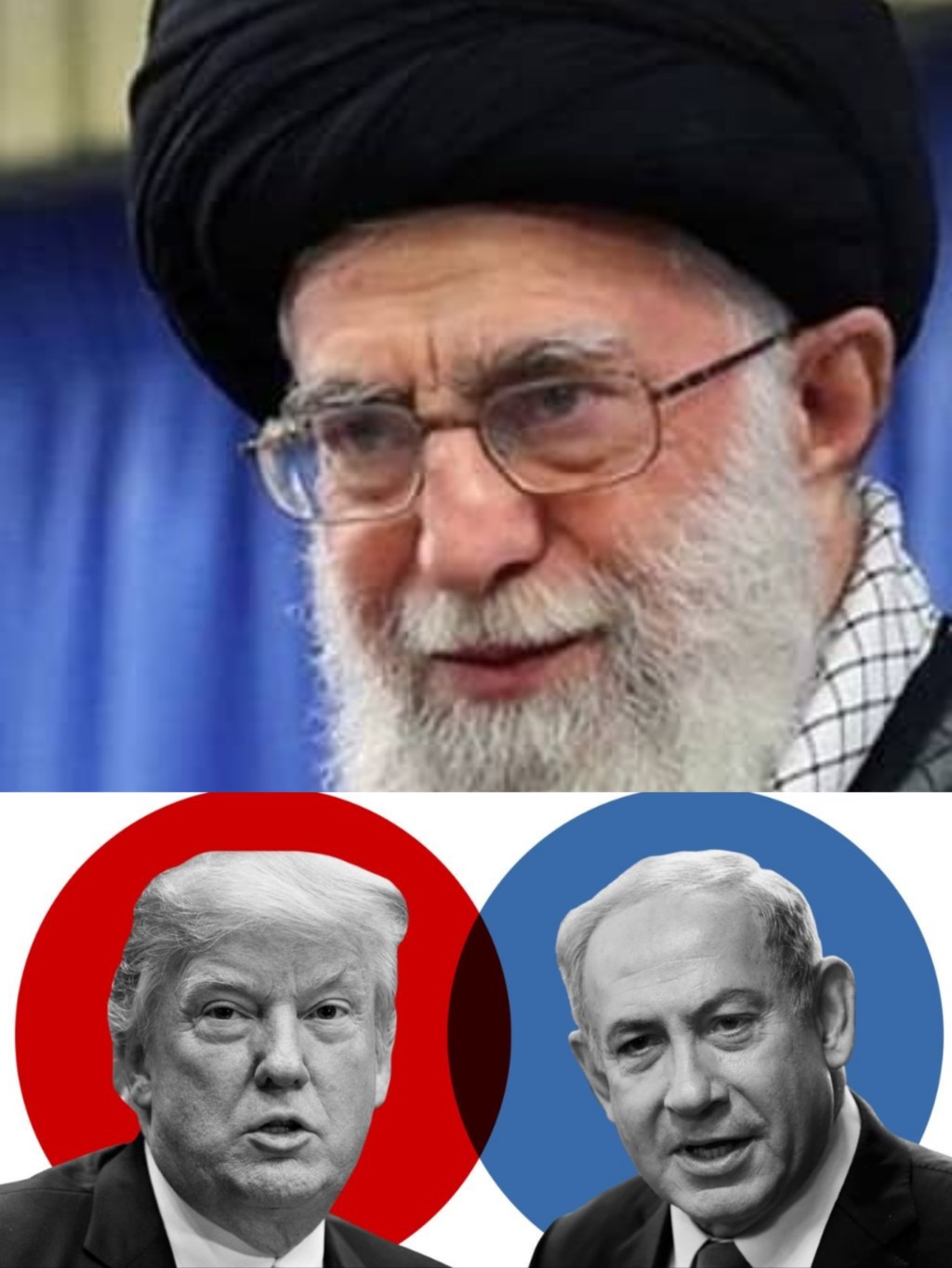
As Military Forces Mobilize and Diplomatic Channels Fray, Experts Warn a Major Confrontation May Be Imminent.
In recent reports, the situation in the Middle East has escalated to a point where military conflict between the United States and Iran appears increasingly imminent. Various outlets, including Reuters and CBS, have reported that the U.S. may be preparing for a military confrontation with Iran, with some sources suggesting that an attack could occur within the next 24 hours. This has led to heightened tensions not only in the region but also within global political circles, as multiple European and Arab officials have expressed concerns over the potential consequences of such an action.
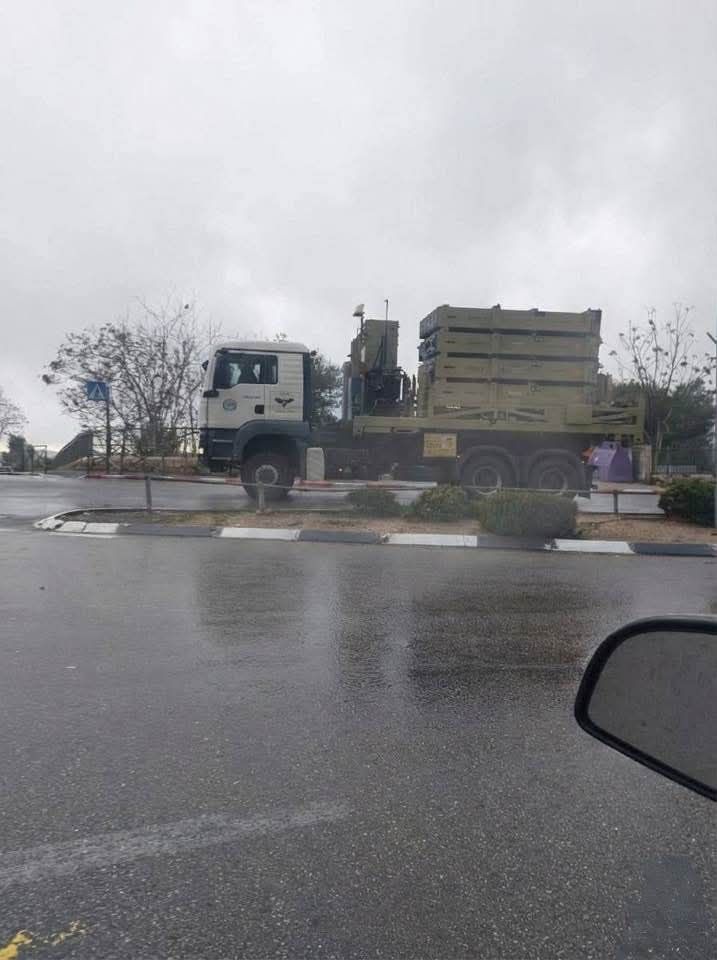
Iran has issued direct warnings to U.S. allies in the region, particularly those hosting American military bases, such as Saudi Arabia, Bahrain, and the UAE. These warnings indicate that any U.S. military strikes against Iran would likely be met with retaliation aimed at these U.S. bases, heightening fears of a broader regional conflict. Israeli media has reported that Israel, anticipating potential retaliatory strikes, is repositioning its Iron Dome missile defense systems across the country. This is seen as a precautionary measure in case of Iranian counterattacks following any escalation.
The situation has been building for months. It follows the partial destruction of Iranian nuclear sites in June 2025 during a brief but intense 12-day conflict. Since then, Iran has significantly rebuilt its missile stockpile, which now includes around 2,000 heavy missiles. Israeli Prime Minister Benjamin Netanyahu has advocated for a more aggressive military strategy, calling for “Operation Iron Strike” in 2026, aimed at neutralizing Iran’s missile and nuclear capabilities once and for all. Meanwhile, former U.S. President Donald Trump has repeatedly threatened military action, warning of “immediate attack” if Iran persists with its nuclear and missile development programs.
The situation has intensified over recent weeks, with U.S. military assets, including aircraft carriers, being moved into the region. Experts have noted that these developments suggest that both sides are preparing for a conflict that could soon spiral out of control. The U.S. has already been involved in military operations in the region, and the presence of such a large military force heightens the risk of direct engagement with Iran. Meanwhile, Israel’s heightened defense posture indicates a belief that it will not be spared from any Iranian retaliation, especially if the conflict expands.
However, despite the growing signs of conflict, there remains some debate over the exact timing and scale of any potential U.S. military action. Some European officials have expressed concerns that Iran may not yet be sufficiently weakened to justify a “decisive blow.” They argue that such an attack might not be able to neutralize Iran’s capabilities effectively and could lead to catastrophic consequences, both regionally and globally.
There is a general consensus among experts that if a military conflict does break out, it could have profound implications not only for the Middle East but also for global security. The risk of direct confrontation between the U.S. and Iran has the potential to draw in other regional powers, such as Russia and China, especially if their strategic interests in the region are threatened. The involvement of these global powers could rapidly expand the conflict beyond the Middle East.
While the exact timing and scope of any military strike remain uncertain, the current situation suggests that the window for action is narrowing. With military forces in position, both the U.S. and Iran appear poised for a possible confrontation, and the next 24 hours could prove pivotal in determining the trajectory of this crisis. The global community is closely monitoring these developments, with concerns growing that this conflict could soon engulf not just the Middle East but the world stage.
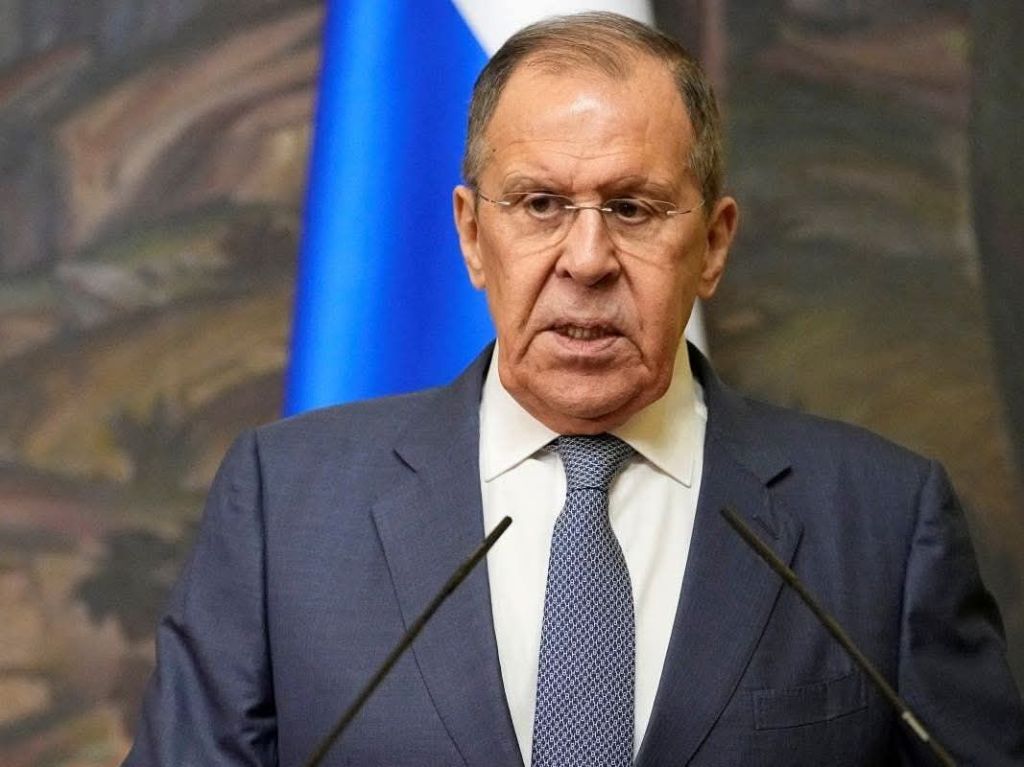
The escalating crisis in the Middle East is occurring alongside broader geopolitical tensions, notably in Venezuela, as underscored by recent comments from Russian Foreign Minister Sergei Lavrov. Lavrov criticized the United States for its recent military actions in Venezuela and for its ongoing threats toward Iran. He argued that U.S. actions are destabilizing the global order and undermining international norms.
Lavrov’s remarks are particularly significant in the context of the growing U.S.-Iran confrontation. The U.S. military operation in Venezuela, which resulted in the capture of Venezuelan President Nicolás Maduro, has sparked global backlash. Many nations, including Russia, have called the operation a violation of Venezuela’s sovereignty, with some warning that such aggressive foreign policies could set dangerous precedents. Russia’s stance on this matter aligns with its broader position on Iran: the Kremlin has pledged to continue strengthening its ties with Tehran in the face of U.S. pressure and threats. These actions, according to Lavrov, highlight a breakdown of the international order that once upheld cooperation and multilateralism.
The U.S.’s belligerence toward Iran, particularly its repeated military threats, has further intensified regional tensions. While Russia has long supported Iran through military, energy, and trade partnerships, the situation could have broader implications for global markets. For example, both the Iranian and Venezuelan crises have the potential to disrupt oil production and prices, particularly if military conflict escalates. This would not only destabilize the Middle East and Latin America but could also trigger a global economic ripple effect, particularly in oil-dependent economies.
Furthermore, Lavrov’s comments reflect a growing frustration with U.S. foreign policy, which many nations now see as unilateral and increasingly unpredictable. As Russia continues to support Iran and Venezuela against Western pressure, it could lead to deeper divides in international alliances, especially as countries like China and India may find themselves balancing their relationships between global powers.
The risks of further destabilization in regions like the Middle East, coupled with the possibility of a volatile oil market, are significant. As tensions rise, more diplomatic efforts are expected, but whether these will result in meaningful de-escalation remains uncertain.
Authored By: Global GeoPolitics
This is a reader-supported publication. I cannot do this without your support. If you believe journalism should serve the public, not the powerful, and you’re in a position to help, becoming a PAID SUBSCRIBER truly makes a difference. Alternatively you can support by way of a donation or cup of coffee:
buymeacoffee.com/ggtv


Leave a comment