
United States
-
The Hunters Became the Hunted
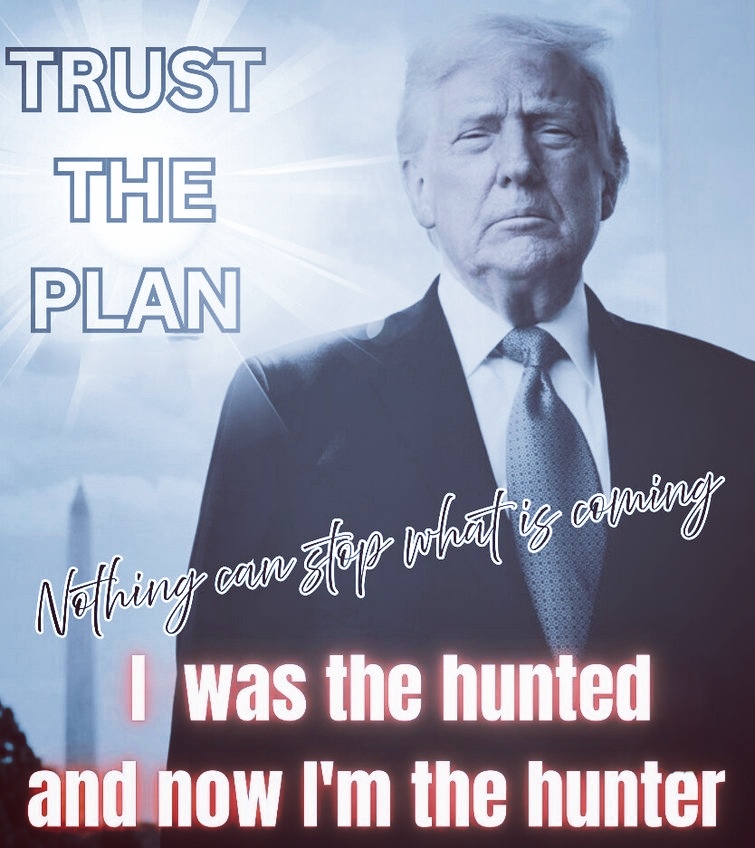
How Iran flipped the war on its attackers and turned oil into a weapon aimed at the American economy Editorial Analysis | October 2026 The Taylor Rule, developed by Stanford economist John Taylor in 1993, was designed to guide central banks in setting interest rates in response to inflation and economic output, and it assumes… Continue reading
-
The Pretend World and Manufactured Fear
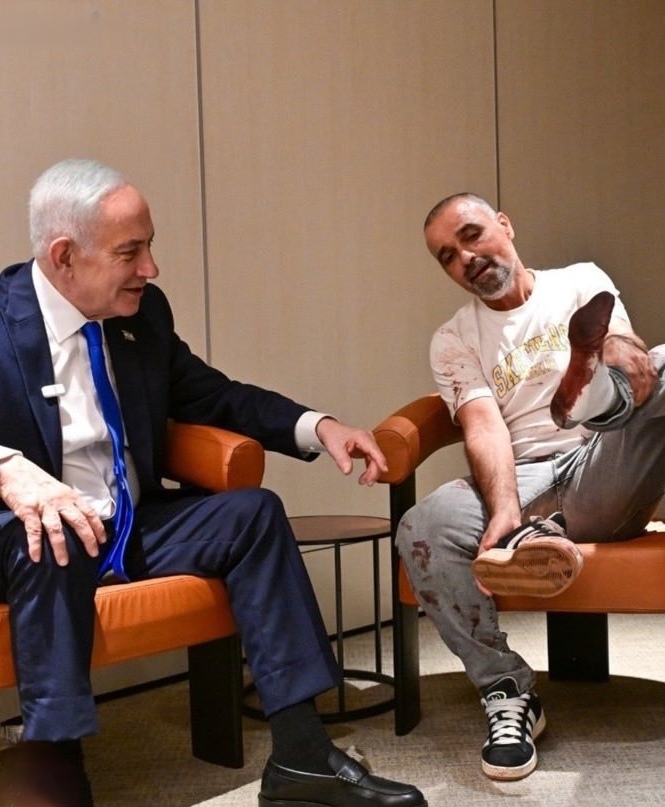
How False Flags, Covert Operations and Manufactured Fear Shape the Stories We Are Told General Article | October 2026 In 2024, a former Mossad agent appeared on 60 Minutes and described the way intelligence operations create what he called a “pretend world”. He explained that they are a global production company, writing the screenplay, directing… Continue reading
AI and Digital Control, America, bond market, China, covid pandemic, economics, Energy, EUROPE, Financial markets, Foreign Policy, Geopolitics, Global Finance, imperialism, iran, israel, middle east, NATO, politics, warBritain, CIA, covert operations, covert warfare, false flags, Geopolitics, information warfare, intelligence agencies, intelligence operations, iran, israel, Lavon Affair, manufactured fear, manufactured narratives, MI5, middle east, Mossad, Operation Northwoods, political deception, political manipulation, propaganda, psychological warfare, Saudi Arabia, state deception, United States -
The Pretend World and Manufactured Fear
How False Flags, Covert Operations and Manufactured Fear Shape the Stories We Are Told General Article | October 2026 In 2024, a former Mossad agent appeared on 60 Minutes and described the way intelligence operations create what he called a “pretend world”. He explained that they are a global production company, writing the screenplay, directing… Continue reading
AI and Digital Control, America, bond market, China, covid pandemic, economics, Energy, EUROPE, Financial markets, Foreign Policy, Geopolitics, Global Finance, imperialism, iran, israel, middle east, NATO, politics, warBritain, CIA, covert operations, covert warfare, false flags, Geopolitics, information warfare, intelligence agencies, intelligence operations, iran, israel, Lavon Affair, manufactured fear, manufactured narratives, MI5, middle east, Mossad, Operation Northwoods, political deception, political manipulation, propaganda, psychological warfare, Saudi Arabia, state deception, United States -
Iran Wrote a Letter to the American People. Here’s What It Says.
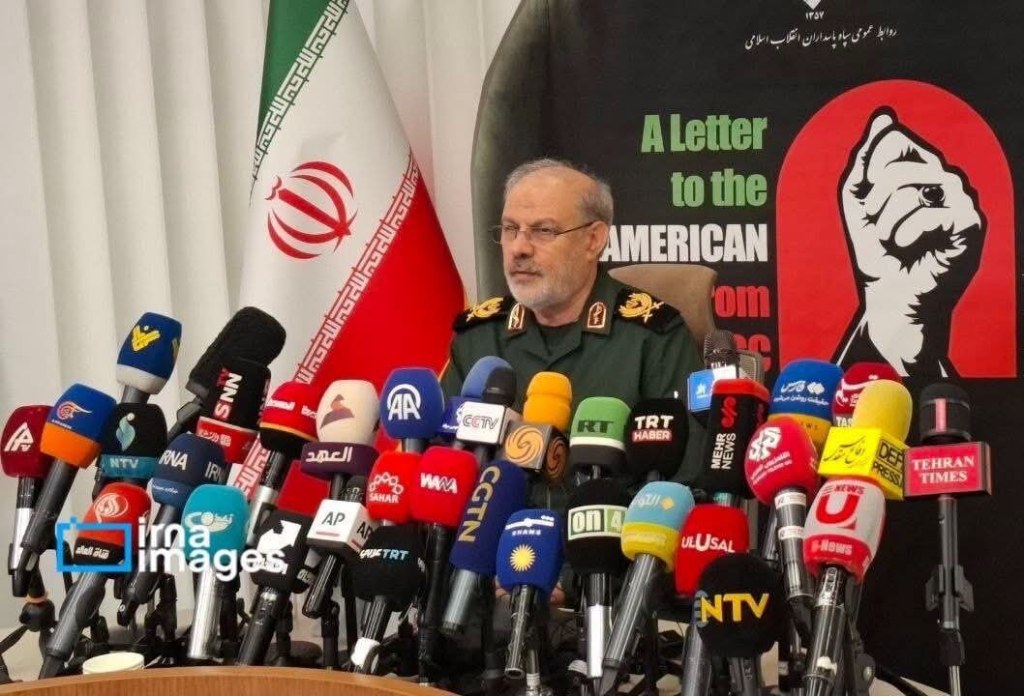
How Iran is trying to build a constituency for peace inside the United States and why its claims about war, poverty, and presidential wealth deserve to be read Editorial Analysis |September 2026 The decision by Brigadier General Mohebbi of the Iranian Revolutionary Guard to address the American people directly rather than communicating through diplomatic channels… Continue reading
-
Iranian President’s Open Letter to the American People
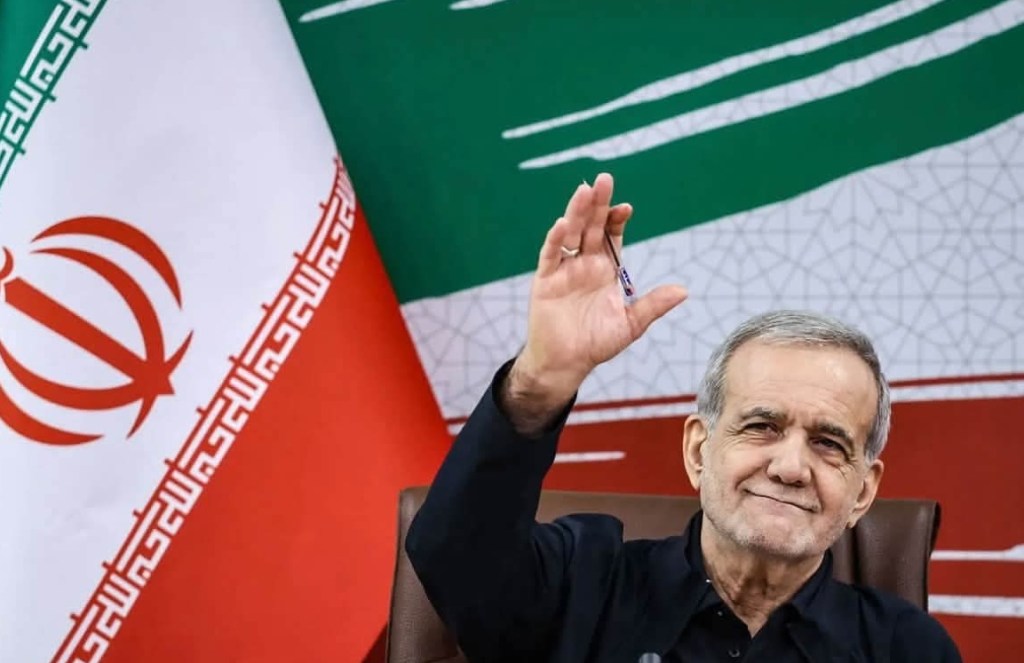
Iran asks America: Is this war really “America First” This is an open letter Iran’s President published to the American people. It is worth reading. To the people of the United States of America, and to all those who, amid a flood of distortions and manufactured narratives, continue to seek the truth and aspire to… Continue reading
-
The Brookings Repertoire and the Manufacture of the Iran War
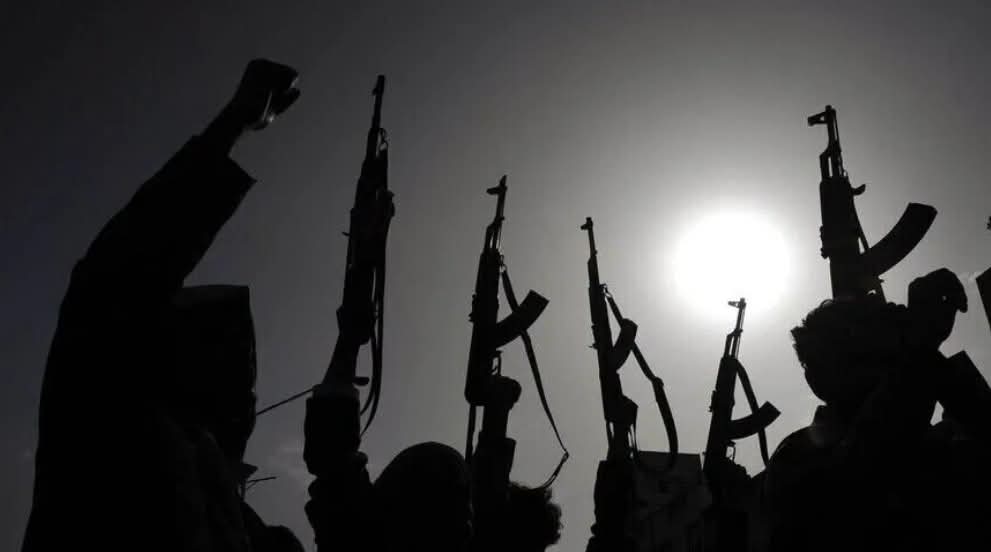
An independent analysis of the strategic repertoire that produced the 2026 Iran war, the institutional networks that sustained it across seventeen years, and the material contradictions that now threaten its architects Editorial Analysis | September 2026 Crafting a durable policy toward the Islamic Republic of Iran has confounded every American administration since the revolution of… Continue reading
AI and Digital Control, America, Energy, EUROPE, Financial markets, Foreign Policy, Geopolitics, Global Finance, Health, Immunisation, imperialism, iran, israel, middle east, Mineral Resources, NATO, neocolonialism, politics, reserve currency, Russia, warAmerican decline, Brookings Institution, civilian casualties, class analysis, defence contractors, diplomatic trap, hegemonic overstretch, institutional continuity, iran, Iranian Jews, munitions depletion, National Endowment for Democracy, regime change, think tanks, United States, USS Harry S. Truman, Which Path to Persia, Yemen -
The Unipolar Delusion and the Return of Great-Power Politics: Why Western Escalation Reflects Panic Rather Than Strength
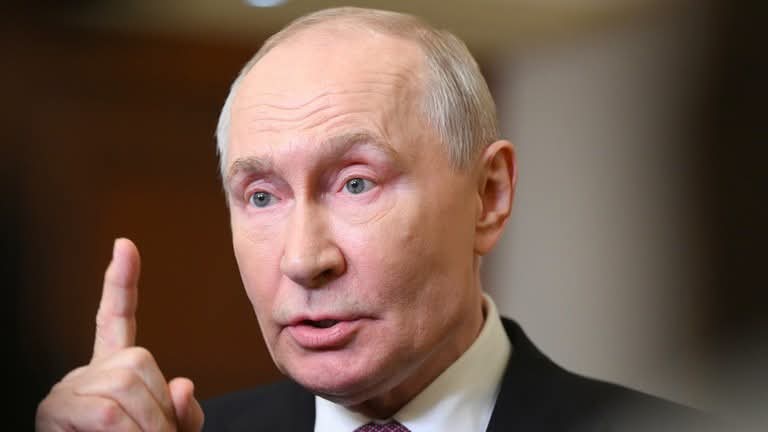
Editorial Analysis | September 2026 The collapse of the Soviet Union produced a distribution of global power that left Washington in effective control of the international system. That concentration of power, combined with the desire to maintain it in perpetuity, created structural incentives that shaped American foreign policy for three decades. One side emerged from… Continue reading
-
Trump Declines Direct Strikes as Houthis Tighten Hold on the Red Sea
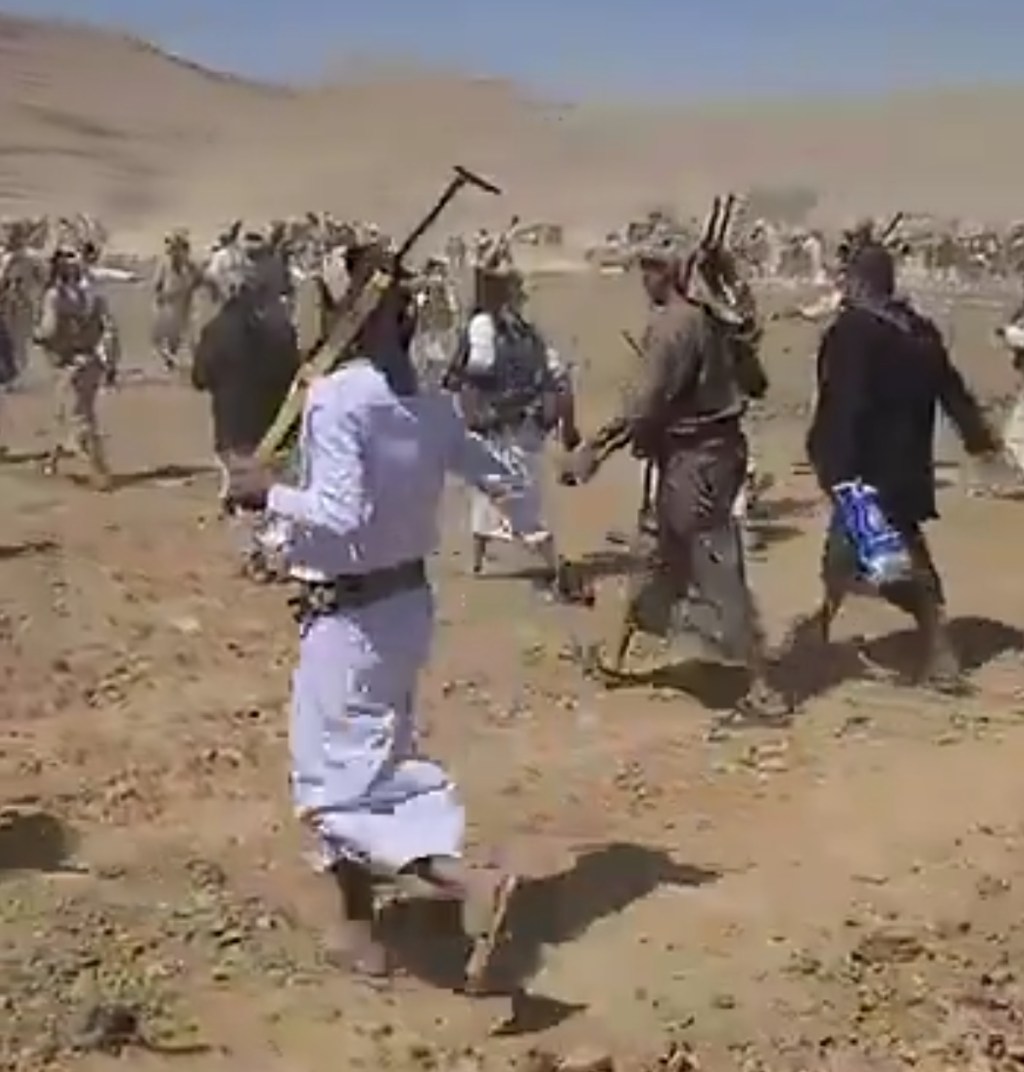
Public reassurances in Dublin contrast with CENTCOM coordination in Riyadh and the shutdown of Saudi Arabia’s East-West pipeline after the fall of Mokha General Article | September 2026 President Donald Trump, speaking to reporters in Dublin on 12 September after meeting Irish leaders, stated that the Houthis had contacted the United States and did not… Continue reading
-
Yemen’s Ansarallah “aka Houthi’s” Take Mokha

The fall of Yemen’s last major western port brings Houthi forces within striking distance of the Bab el-Mandeb and exposes the limits of Saudi and American air power General Article | September 2026 Saudi Arabia poked a beehive. Yemeni forces aligned with Ansarallah have taken the Red Sea port city of Mokha and its airport,… Continue reading
-
China’s Objections at the United States-Hosted G20 Finance Meeting and the Limits of Manufactured Multilateral Consensus
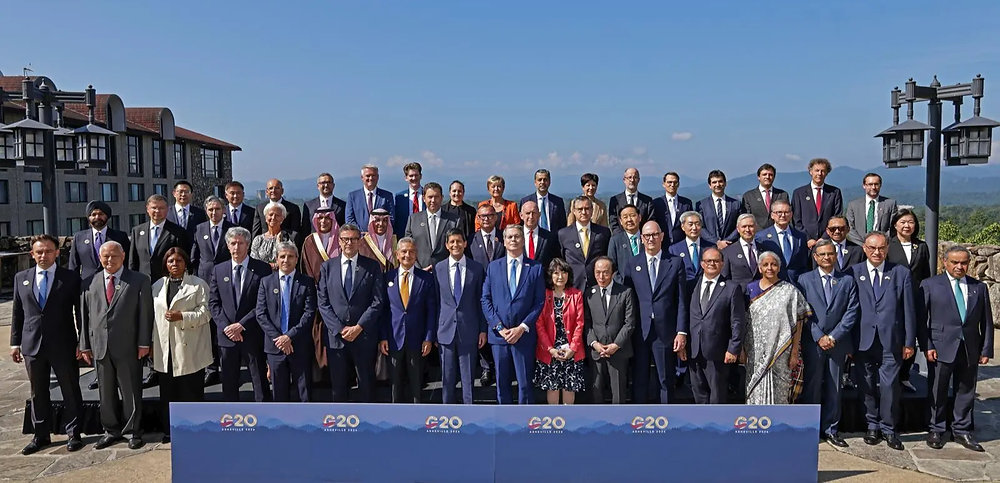
An examination of the institutional, strategic and economic drivers behind Beijing’s refusal to endorse language on trade imbalances, non-market policies and critical supply chains in the chair’s statement issued after the Asheville gathering Editorial Analysis | September 2026 In the closing days of the United States G20 presidency’s finance track, finance ministers and central bank… Continue reading
