
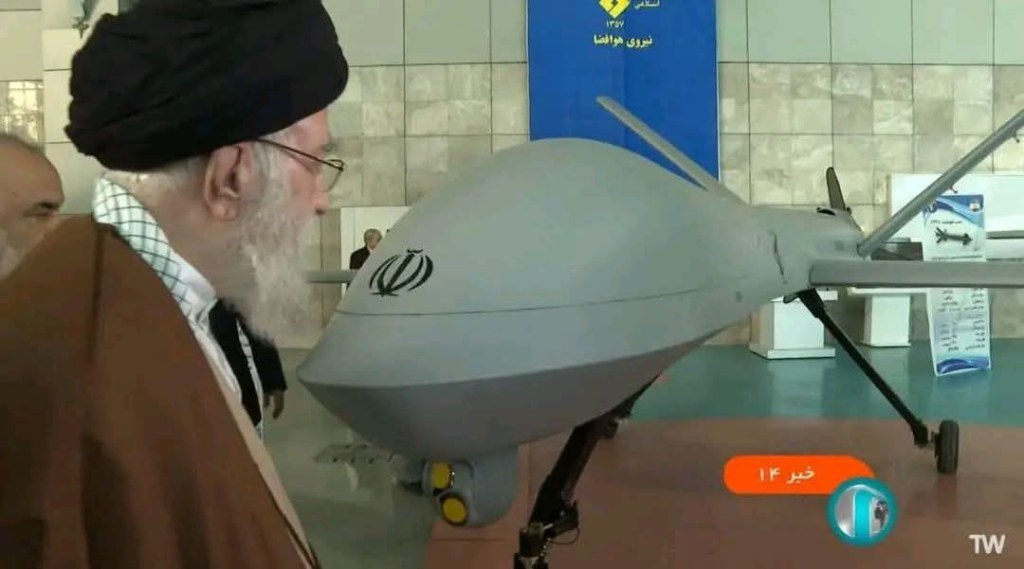
What the use of a fifth-generation fighter against an Iranian drone suggests about modern air defence limits
Reports that a United States F-35 fighter aircraft was used to shoot down an Iranian drone have prompted discussion among military analysts about the broader implications of the incident. While the interception itself was successful, the choice of platform has drawn attention, given the significant cost and advanced capabilities of the aircraft involved when compared with the limited capability of the target.
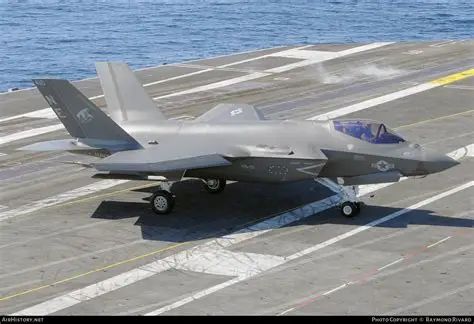
The F-35 is designed primarily for operations against advanced air defence systems and peer or near-peer adversaries. Its strengths lie in stealth, sensor fusion, and deep strike operations. Using such an aircraft to counter a relatively unsophisticated unmanned aerial vehicle raises questions about whether other air defence options were unavailable, unsuitable, or simply not positioned to respond in time. Analysts at the International Institute for Strategic Studies have previously noted that air defence decisions are often shaped as much by readiness and proximity as by ideal force matching, particularly in contested regions such as the Middle East.
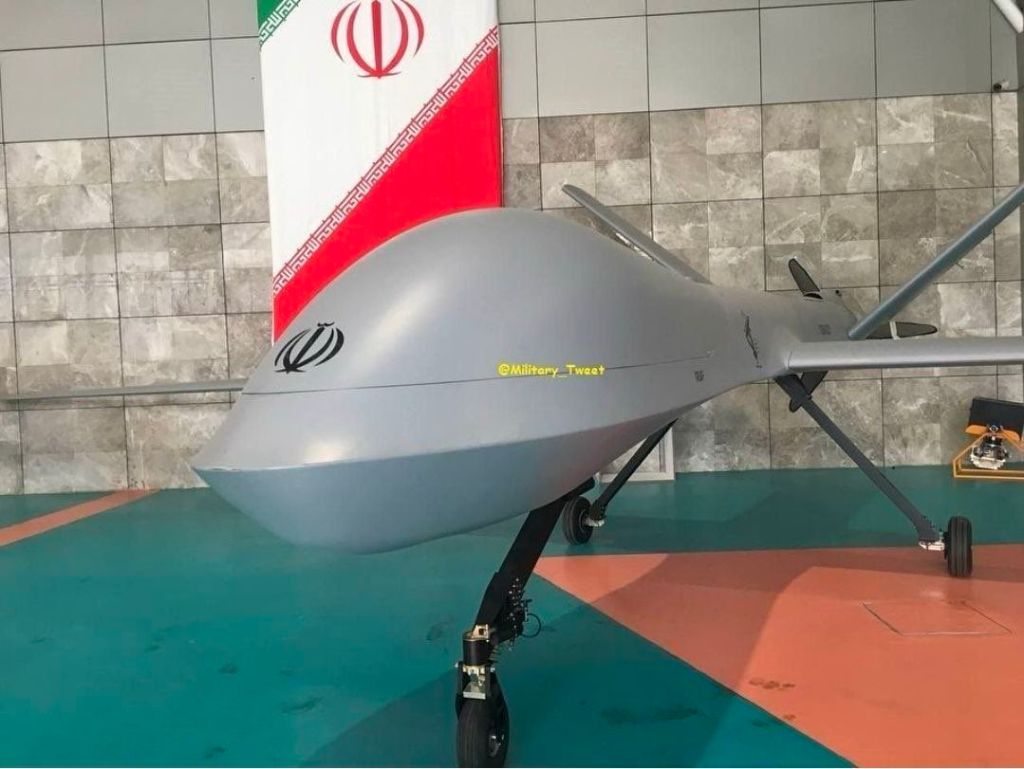
Nevertheless, the incident has renewed debate about the resilience of US forces against large-scale drone attacks. Iran has invested heavily in the production of low-cost, long-range drones and has demonstrated a preference for mass deployment rather than technological sophistication. Justin Bronk of the Royal United Services Institute has repeatedly argued that drone warfare increasingly favours quantity over quality, particularly when used to exhaust defensive systems and interceptor stockpiles.
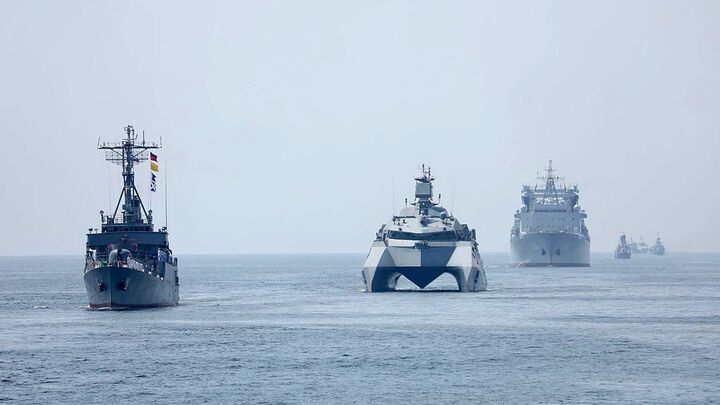
The central concern is not whether the United States can intercept individual drones, but whether it can sustain such interceptions during a prolonged or large-scale attack. Modern air defence systems rely on layered responses, combining fighter aircraft, surface-to-air missiles, electronic warfare, and radar networks. When high-value assets are used for low-value targets, the economic balance may shift in favour of the attacker. The cost disparity between an interceptor missile or air-to-air engagement and a cheaply produced drone is well documented, and defence economists at the Center for Strategic and International Studies have warned that this imbalance could become strategically significant in future conflicts.
Some observers interpret the use of the F-35 as a deliberate demonstration of capability and resolve rather than a sign of weakness. Visible use of advanced platforms may serve a deterrent purpose, signalling that the United States is willing to employ its most capable assets to defend its forces and interests. However, others caution that deterrence by display does not address the underlying challenge posed by massed, attritional drone warfare.
The incident therefore highlights a broader issue facing modern armed forces. While technological superiority remains important, it does not in itself guarantee protection against sustained attacks using simple, expendable systems. As recent conflicts in Ukraine and the Middle East have shown, the ability to endure prolonged pressure may prove as important as possessing the most advanced equipment. The interception of a single drone by an F-35 may not indicate a failure of defence, but it does underline the need for continued adaptation to a changing character of warfare.
References:
International Institute for Strategic Studies (IISS), Military Balance assessments
Royal United Services Institute (RUSI), air power and drone warfare analysis by Justin Bronk
Center for Strategic and International Studies (CSIS), missile defence and cost-exchange Studies
Authored By: Global GeoPolitics
This is a reader-supported publication. I cannot do this without your support. Substack has still not explained why the page abruptly stopped growing. If you believe journalism should serve the public, not the powerful, and you’re in a position to help, becoming a PAID SUBSCRIBER truly makes a difference. Alternatively you can support by way of a cup of coffee:
buymeacoffee.com/ggtv


Leave a comment