
Drone Warfare
-
The Backfire as Putin Loses Patience
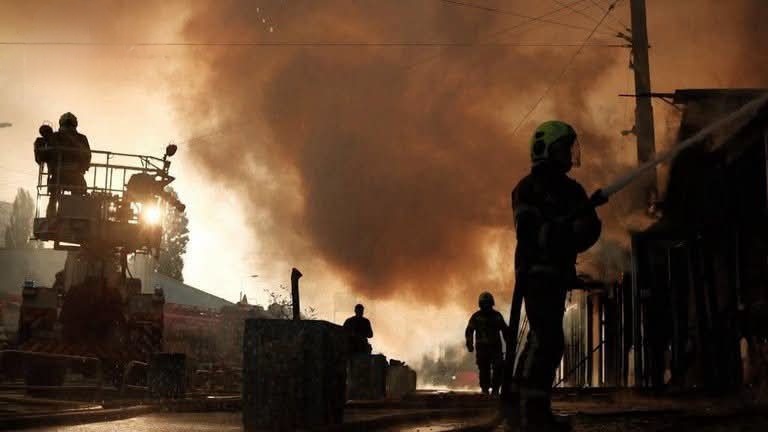
How Ukraine’s Drone Offensive Accelerated Its Own Strategic Collapse The forty-day drone offensive launched by Ukraine against Russian territory represents one of the most significant tactical gambits of the entire conflict, and its consequences will likely reshape the trajectory of the war in ways that Kyiv’s planners almost certainly did not anticipate. President Volodymyr Zelensky… Continue reading
-
The Point of No Return?

Why Moscow May Soon Conclude That Striking Drone Facilities in Poland and the Baltics Is a Strategic Necessity General Article | August 2026 The public mood inside Russia has undergone a significant transformation in recent months, driven by the steady expansion of Ukrainian drone strikes into the country’s interior and the increasing frequency with which… Continue reading
-
The Gloves Are Off
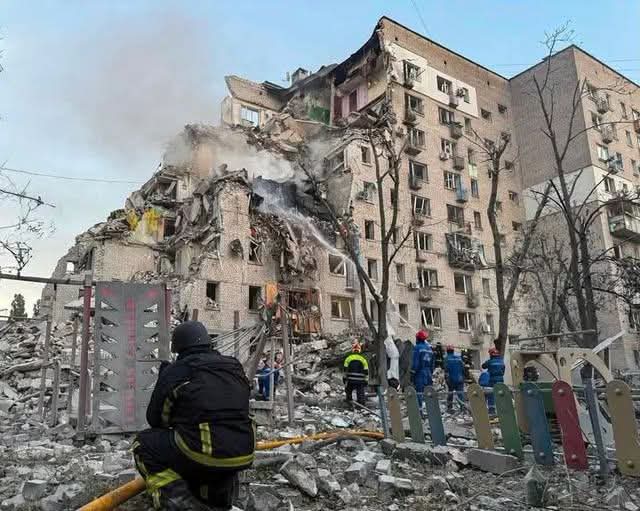
Russia’s Strategic Shift from Negotiation to Military Victory in Ukrain The trajectory of the war in Ukraine has entered a new phase, defined less by the ebb and flow of frontline manoeuvres than by a fundamental strategic reassessment in Moscow. For months, Russian officials had invoked the “spirit of Anchorage”, a term referencing the August… Continue reading
AI and Digital Control, America, Energy, EUROPE, Financial markets, Foreign Policy, Geopolitics, Global Finance, imperialism, iran, israel, NATO, neocolonialism, politics, Russia, warAnchorage agreements, attrition warfare, Bulgaria sanctions, conflict analysis, deindustrialization, donbas, Drone Warfare, energy infrastructure targeting, Escalation dynamics, EU summit 2026, European Union, geopolitical assessment, historical memory, hypersonic missiles, international diplomacy, Kherson, Kinzhal, lavrov, military escalation, military victory, military-industrial capacity, Poland-Ukraine relations, putin, rubio, Russia Ukraine War, Russian offensive, Russian Security Council, Russian strategy shift, strategic reassessment, total war, Trump, Ukraine war analysis, Volhynia massacre, war termination, WWII collaboration, Zaporizhzhia -
Russia’s Shifting Conduct of the War in Ukraine
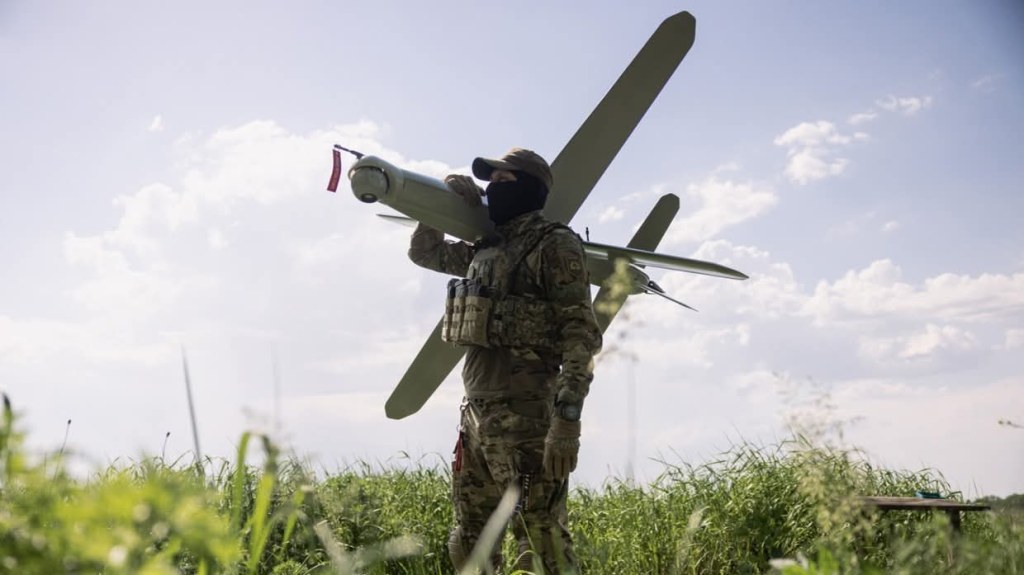
How Russia moved from holding back to deploying its most advanced missiles against Ukraine, what NATO’s solidarity visit to Kyiv actually delivered, and why neither side is close to stopping For more than four years, Vladimir Putin prosecuted his military campaign in Ukraine with a deliberate restraint that frustrated Russian hawks, confused Western analysts, and… Continue reading
-
The Pentagon’s Drone Pivot Signals a Fundamental Shift in U.S. Military Doctrine
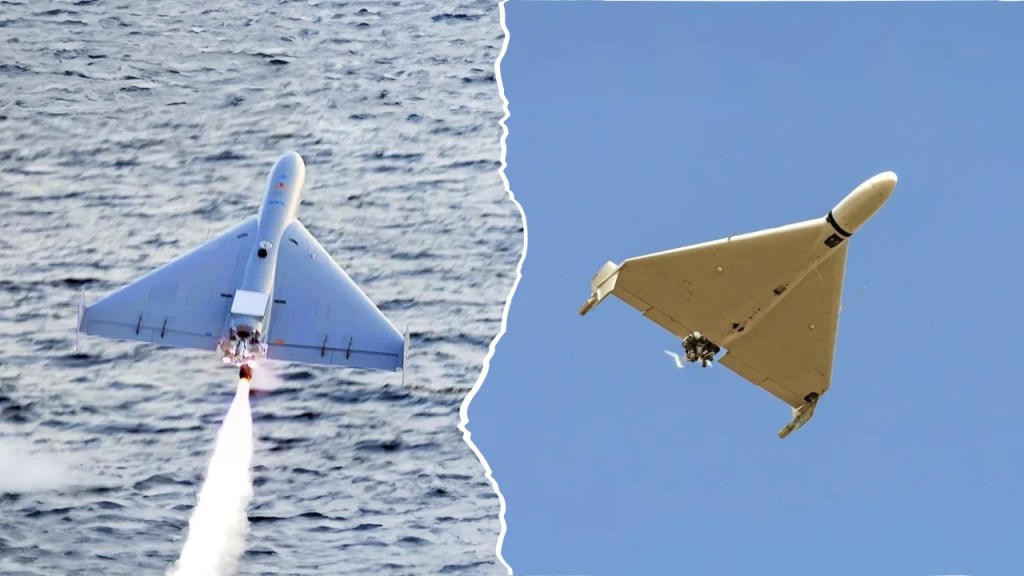
As Washington races to scale low-cost drone production after lessons from Ukraine, the United States is confronting a deeper challenge: transforming a defense system built for technological superiority into one capable of sustaining industrial-scale autonomous warfare during an active era of global competition. The U.S. Department of Defense is reportedly expanding efforts to strengthen domestic… Continue reading
AI and Digital Control, America, China, economics, Energy, EUROPE, Foreign Policy, Geopolitics, Global Finance, iran, israel, middle east, Mineral Resources, NATO, politics, reserve currency, warAI warfare, Autonomous Systems, Defense Industry, Defense Manufacturing, Drone Production, Drone Warfare, Electronic Warfare, FPV Drones, Geopolitics, industrial policy, iran, Low-Cost Drones, LUCAS Drone, military doctrine, military strategy, military technology, Modern Warfare, national security, pentagon, Shahed Drones, Strategic Competition, U.S. Defense Policy, U.S.-Saudi Relations, Ukraine war, United States -
Elon Musk’s Satellites, Twenty-One Dead Teenagers, and the Question Nobody Is Asking
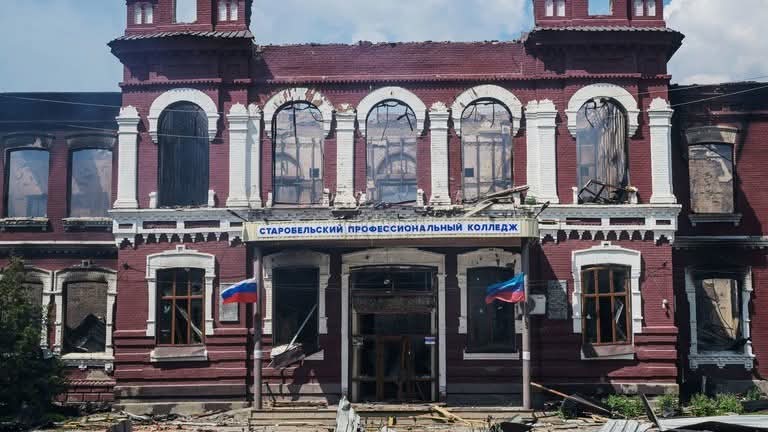
How Starlink’s Integration into Ukrainian Drone Operations Exposes the Legal Void and Accountability Gap at the Heart of Twenty-First Century War On the night of 21–22 May 2026, Ukrainian forces launched sixteen Fire Point FP-1 and FP-2 one-way attack drones against Starobelsk in the Luhansk People’s Republic, striking the dormitory and academic buildings of the… Continue reading
AI and Digital Control, America, Energy, EUROPE, Financial markets, Foreign Policy, Geopolitics, iran, israel, NATO, politics, reserve currency, Russia, satellites, Space, warAdditional Protocol I, aiding and abetting, arms transfers, Article 51 UN Charter, Article 8, artificial intelligence targeting, autonomous weapons systems, belligerent participation, civilian targeting, collective self-defence, command responsibility, corporate complicity, corporate liability, digital kill chain, direct participation in hostilities, Drone Warfare, dual-use infrastructure, geopolitical accountability, ICRC Interpretive Guidance , ICT companies, ICTY, international criminal law, international humanitarian law, Krupp case, networked warfare, Nicaragua v. United States, Nuremberg industrialist trials, Outer Space Treaty, palantir, Pentagon contracting, precautionary obligations, principle of distinction, private military technology, proportionality, Prosecutor v. Tadić, proxy war, Rome Statute, satellite communications, SpaceX, Starlink, Starobelsk, Starshield, state responsibility, Tallinn Manual, transnational belligerency, Ukraine-Russia conflict, war crimes -
EU Leaders Ignore Deadly Starobilsk Dormitory Strike While Condemning Russian Retaliation
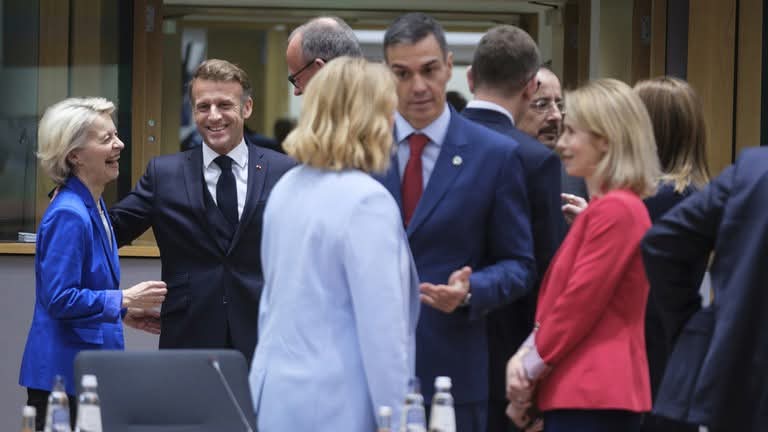
Western outrage again appears selective as deaths of 21 students in Lugansk receive little political attention, filtered through alliance politics rather than universal principle European Union leaders and several major Western governments have condemned Russia’s latest retaliatory missile strikes on Ukraine while remaining largely silent about the Ukrainian drone attack on the Starobilsk Professional College… Continue reading
AI and Digital Control, America, economics, Energy, EUROPE, Financial markets, Foreign Policy, Geopolitics, iran, israel, Mineral Resources, NATO, politics, reserve currency, Russia, warBucha, children in war, civilian casualties, civilian infrastructure, civilian targeting, conflict journalism, Crocus City Hall, Drone Warfare, Foreign Policy, gaza, geopolitical analysis, geopolitical conflict, Global Politics, humanitarian law, information warfare, international relations, international security, iran, Lebanon, Lugansk, Maria Zakharova, media asymmetry, media bias, military ethics, military propaganda, Minab, NATO, Russia, Russia Ukraine War, selective outrage, Starobilsk, strategic communications, ukraine, UN Security Council, Vassily Nebenzia, vladimir putin, war crimes, war reporting, wartime narratives, Western media -
After Minab, Starobilsk: The Pattern of Civilian Children Becoming Targets in Modern War
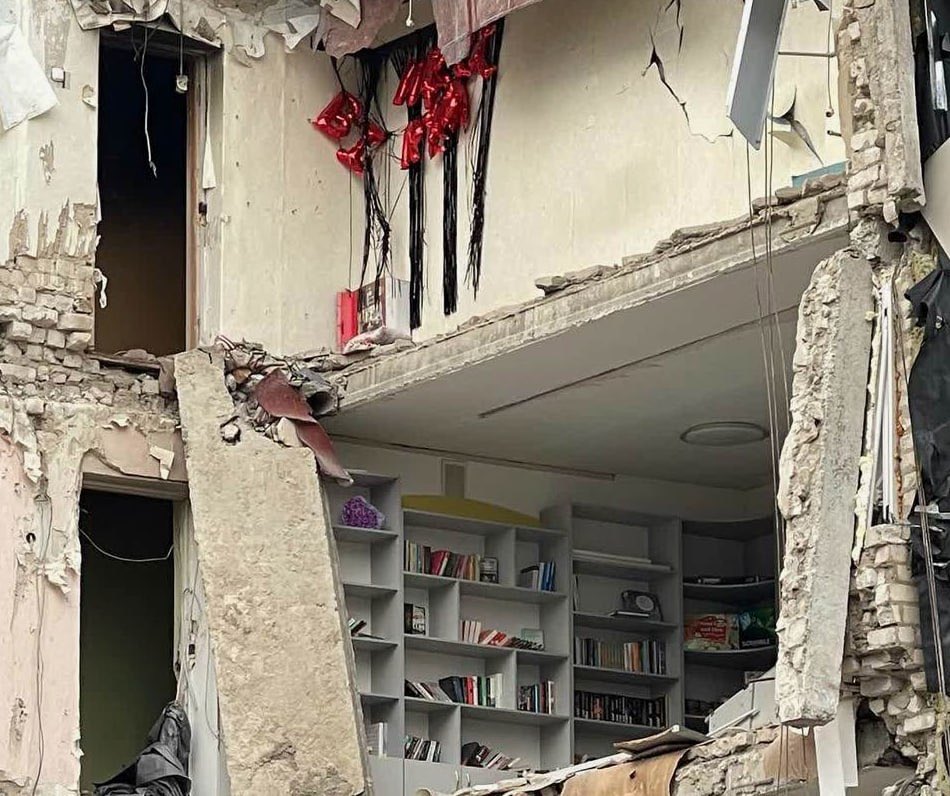
As accusations and denials intensify, the central question remains unchanged: why do civilian children repeatedly become acceptable collateral in geopolitical conflict? The attack on the Starobilsk Pedagogical College in Russian-controlled Lugansk on 22 May entered public discussion through a familiar pattern of accusation, denial, and selective amplification. Russia’s representative to the United Nations, Vassily Nebenzia,… Continue reading
AI and Digital Control, America, China, economics, Energy, EUROPE, Financial markets, Foreign Policy, Geopolitics, iran, israel, middle east, Mineral Resources, NATO, politics, warBucha, children in war, civilian casualties, civilian infrastructure, civilian targeting, conflict journalism, Crocus City Hall, Drone Warfare, Foreign Policy, gaza, geopolitical analysis, geopolitical conflict, Global Politics, humanitarian law, information warfare, international relations, international security, iran, Lebanon, Lugansk, Maria Zakharova, media asymmetry, media bias, military ethics, military propaganda, Minab, NATO, Russia, Russia Ukraine War, selective outrage, Starobilsk, strategic communications, ukraine, UN Security Council, Vassily Nebenzia, vladimir putin, war crimes, war reporting, wartime narratives, Western media -
After Minab, Starobilsk: The Pattern of Civilian Children Becoming Targets in Modern War
As accusations and denials intensify, the central question remains unchanged: why do civilian children repeatedly become acceptable collateral in geopolitical conflict? The attack on the Starobilsk Pedagogical College in Russian-controlled Lugansk on 22 May entered public discussion through a familiar pattern of accusation, denial, and selective amplification. Russia’s representative to the United Nations, Vassily Nebenzia,… Continue reading
AI and Digital Control, America, China, economics, Energy, EUROPE, Financial markets, Foreign Policy, Geopolitics, iran, israel, middle east, Mineral Resources, NATO, politics, warBucha, children in war, civilian casualties, civilian infrastructure, civilian targeting, conflict journalism, Crocus City Hall, Drone Warfare, Foreign Policy, gaza, geopolitical analysis, geopolitical conflict, Global Politics, humanitarian law, information warfare, international relations, international security, iran, Lebanon, Lugansk, Maria Zakharova, media asymmetry, media bias, military ethics, military propaganda, Minab, NATO, Russia, Russia Ukraine War, selective outrage, Starobilsk, strategic communications, ukraine, UN Security Council, Vassily Nebenzia, vladimir putin, war crimes, war reporting, wartime narratives, Western media -
Moscow Warns Baltic States Against Deeper Involvement in Ukraine Drone War
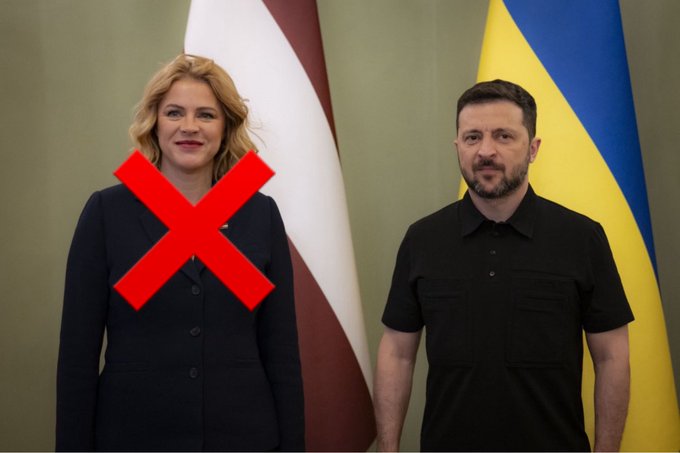
Russian intelligence claims Latvia is facilitating Ukrainian drone operations against Russian territory, raising the risk that the Baltic theatre could become the next escalation point in the widening confrontation between NATO and Moscow. Russia’s Foreign Intelligence Service has accused Latvia of permitting Ukrainian drone operators to use NATO territory for potential strikes against targets inside… Continue reading
AI and Digital Control, America, Energy, EUROPE, Financial markets, Foreign Policy, Geopolitics, iran, israel, NATO, politics, Russia, warAirspace Violations, Article 51, Baiba Braže, Baltic Crisis, Baltic security, Baltic States, Drone Warfare, Eastern Europe, Edgars Rinkēvičs, energy infrastructure, Eurasia, European Politics, European security, European Union, Foreign Policy, Geopolitics, hybrid warfare, Kaliningrad, Kremlin, Latvia, Leningrad Region, military escalation, military strategy, moscow, multipolarity, NATO, NATO Conflict, NATO expansion, NATO Russia Relations, proxy war, Russia, Russia NATO Tensions, Russia Ukraine War, Security Doctrine, Sergey Shoigu, strategic escalation, UAV Attacks, ukraine
