
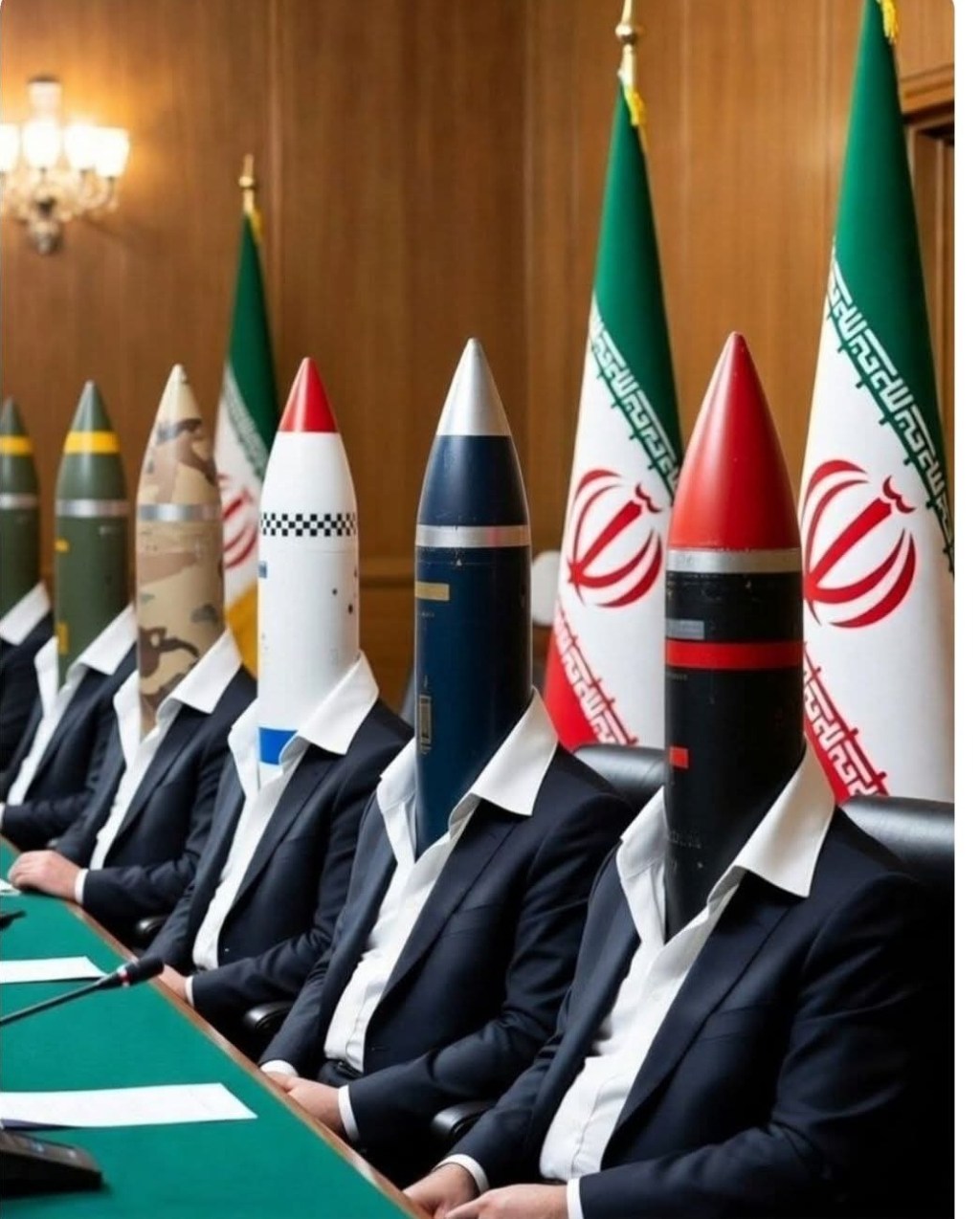
Iran conditions talks on guarantees and concessions while US proposals require prior compliance, leaving negotiations structurally blocked and raise likelihood of battlefield resolution
Recent reporting from The Telegraph reflects a position carried through Gulf and Iranian channels over several days, describing a breakdown in direct contact after a meeting in Geneva on February twenty six, followed by military strikes on Iranian territory within forty eight hours. Iranian officials and aligned sources treat that sequence as evidence that diplomatic contact was used alongside or ahead of force, which damages the basis for further engagement. Wartime negotiation theory places weight on credible commitment, and that condition weakens when one party links dialogue with immediate coercive action.
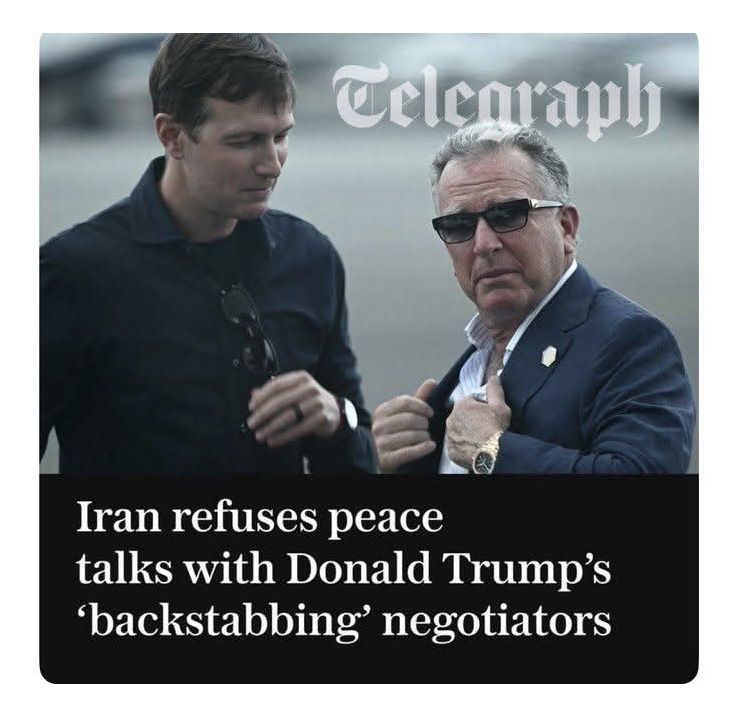
The pattern fits a standard model within game theory where repeated interaction shifts toward defection after perceived betrayal. One side adjusts expectations and assigns a higher probability to bad faith behaviour, which reduces willingness to enter talks without guarantees that can be observed and enforced. Historical cases such as the Cuban Missile Crisis show that negotiated outcomes required verifiable steps carried out in sequence, supported by communication channels that both sides regarded as reliable. Current conditions lack those features, according to the accounts now circulating.
Reports describe an attempt to reopen contact through alternative intermediaries, including figures such as JD Vance and regional states acting as conduits. Indirect channels often emerge when direct engagement carries political or reputational cost, though their effectiveness depends on whether they can transmit assurances that are believed by both sides. Iranian commentary attached to these reports suggests that personnel changes alone do not resolve the underlying trust problem, which concerns state behaviour rather than individual envoys.
A proposed framework attributed to United States channels sets out terms covering enrichment, dismantlement of facilities, transfer of nuclear material, limits on missile development, and restrictions on regional partners. The structure reflects a maximalist bargaining position that seeks full compliance before offering relief or security guarantees. Iranian positions conveyed through intermediaries reject ceasefire conditions tied to such concessions and instead demand recognition of their own security terms, continuation of enrichment capacity, and acceptance of regional influence without rollback. These positions stand in direct opposition, with each side requiring prior concession from the other before meaningful de escalation can occur.
Professor Seyed Mohammad Marandi describes Iran’s position as consistent and deliberate, with recent leadership changes signalling policy continuity and a firm approach. Iranian policy rejects ceasefires that allow opposing forces time to rearm, and instead ties any halt in fighting to prior security guarantees. Gulf states are accused of enabling attacks through provision of bases, airspace, and financial support, leading to demands for reparations and binding commitments preventing future use of their territory against Iran. Claims of ongoing US–Iran negotiations are dismissed within Iranian analysis as information management aimed at influencing markets rather than reflecting genuine diplomacy. Iranian warnings state that strikes on energy infrastructure will be met with direct retaliation against energy and water systems across the region, expanding the scope of conflict beyond military targets. Regional partners in Lebanon, Yemen, and Iraq are positioned as part of an integrated deterrence structure. Conditions for any settlement include restructuring Persian Gulf security arrangements, removal of sanctions, protection of aligned groups, and enforceable guarantees against future attacks on Iranian territory.
The gap between these positions aligns with a bargaining failure in conflict models where both sides hold incompatible expectations about acceptable outcomes. Within game theory, such conditions produce a stable non agreement equilibrium, since neither side accepts the cost of concession relative to continued conflict. Classical strategy associated with Carl von Clausewitz treats war as a continuation of policy when negotiation cannot reconcile opposing objectives, and current demands reflect objectives that do not overlap.
Economic indicators reflect strain associated with the conflict and its potential duration. Prices linked to Brent Crude Oil have risen sharply during periods of escalation, indicating concern over supply disruption and transport risk. Assessments from institutions such as Goldman Sachs describe the situation as a major shock to energy markets, while higher sovereign yields signal broader financial pressure connected to uncertainty in the Gulf region. These factors increase the cost of continued conflict for all parties, though they do not by themselves produce agreement.
Israeli concerns reported through press channels focus on the possibility of a limited settlement that leaves parts of Iran’s capability intact. That position reflects a preference for full dismantlement over partial constraint, based on long term security calculations. United States policy must account for domestic political considerations alongside alliance commitments, which introduces a divergence of objectives. In negotiation theory this creates a principal and agent problem, where the party conducting talks does not fully share the priorities of its partner, reducing the clarity and credibility of its commitments in the eyes of the adversary.
Public reporting and expert commentary across major outlets describe a parallel interpretation of current diplomatic activity, suggesting that engagement may serve to manage timing rather than produce immediate settlement. That interpretation holds that negotiation periods allow for repositioning of military assets, replenishment of stockpiles, and preparation for expanded operations, including the possibility of ground involvement. Such assessments remain contested, though they influence expectations on all sides and reinforce reluctance to enter agreements viewed as temporary or tactical.
Iranian signalling through continued missile and drone operations aligns with the use of force as a communication tool when diplomatic channels are mistrusted. Costly actions demonstrate capacity and intent, and aim to shift the perceived balance in any future negotiation. Such behaviour raises the stakes and narrows the space for compromise, particularly when each side doubts the other’s willingness to honour terms once pressure is reduced.
The structure of demands, the level of distrust, and the continuation of military activity place the situation alongside other conflicts where negotiation has followed rather than preceded decisive shifts on the battlefield. The war associated with Russian invasion of Ukraine shows a similar pattern, where maximalist positions persisted until changes in military conditions altered bargaining space. Present conditions suggest a comparable trajectory, where agreement remains unlikely without a shift in relative position or a change in the cost calculation faced by one side.
A practical course would involve phased concessions linked to inspection and enforcement measures agreed in advance, with third party oversight accepted by both sides. That approach addresses the commitment problem identified in both historical cases and formal models, though it requires both parties to move away from current positions that demand prior compliance without reciprocal guarantees.
Authored By: Global GeoPolitics
Thank you for visiting. This is a reader-supported publication. If you believe journalism should serve the public, not the powerful, and you’re in a position to help, becoming a PAID SUBSCRIBER truly makes a difference. Alternatively you can support by way of a cup of coffee:
https://buymeacoffee.com/ggtv |
https://ko-fi.com/globalgeopolitics |
Bitcoin: 3NiK8BoRZnkwJSHZSekuXKFizGPopkE7ns


Leave a comment