
energy markets
-
Iran Signals Expansion of Retaliation Beyond Military Targets
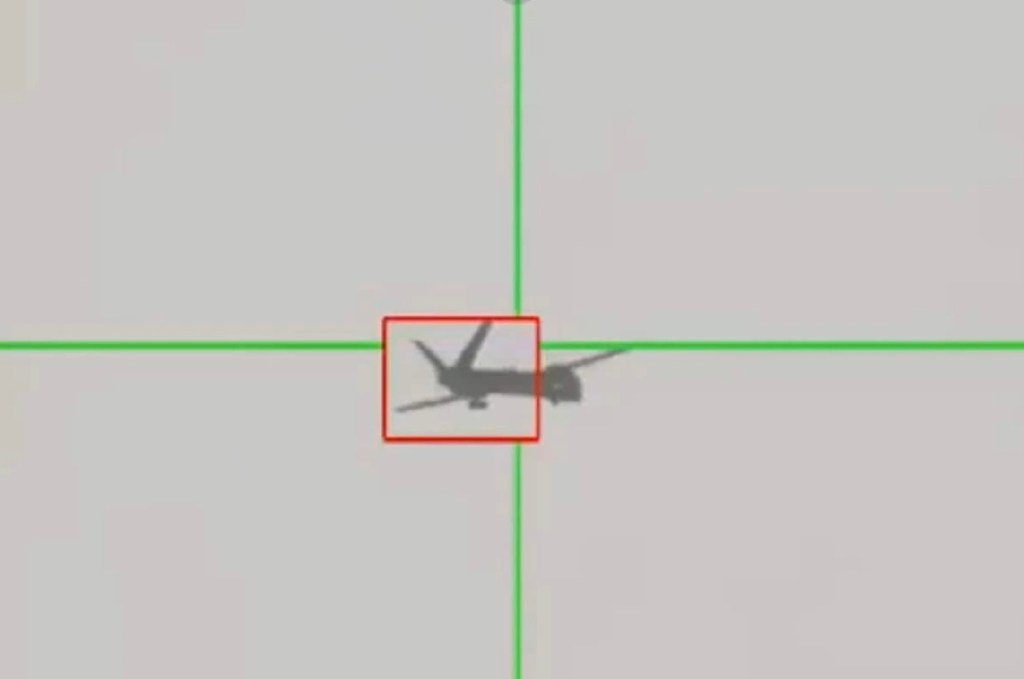
After Larak Island strike, Iranian academic and former adviser Mohammad Marandi warns of a “different” and “very painful” response that may include economic assets, with potential effects on energy General Article |September 2026 United States Central Command confirmed that American forces struck two launchers on Larak Island late on 30 August. Officials stated that Islamic… Continue reading
-
Trump Declares Victory in Hormuz, Claiming Iran’s Grip Broken as U.S. Prepares Extended Channel
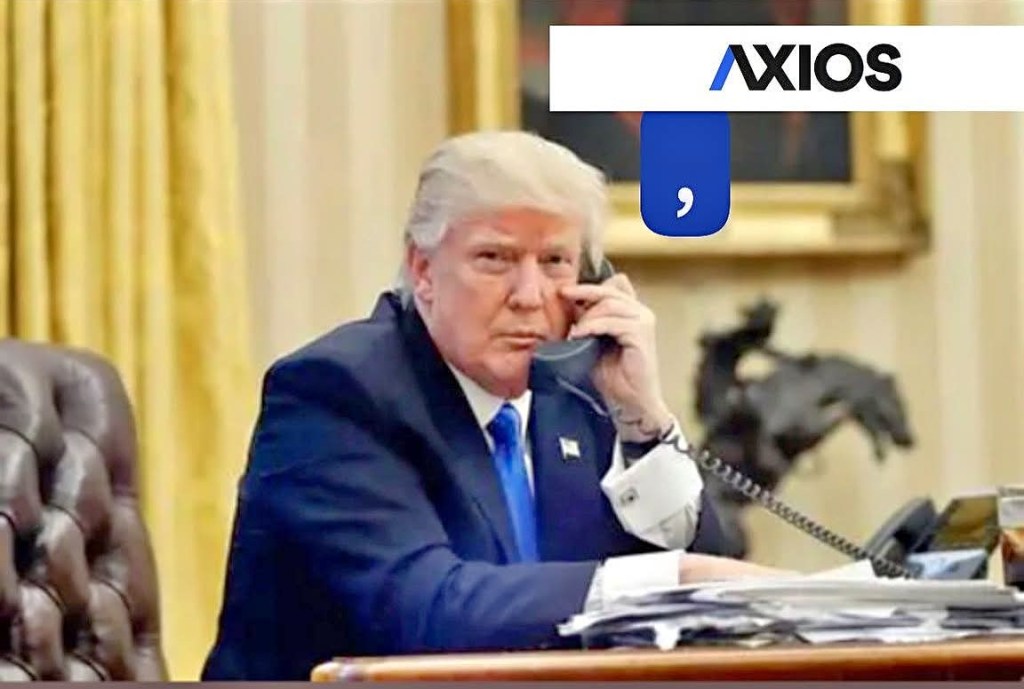
Trump has declared victory in the Strait of Hormuz during a phone call with Axios U.S. President Donald Trump has declared victory in the Strait of Hormuz during a phone call with Axios, asserting that the strategic maritime chokepoint is open and describing Iran’s response as “very mild.” Trump claimed that Iranian forces “don’t want… Continue reading
-
The U.S. Vows to Impose the Toughest Sanctions in History on Iran
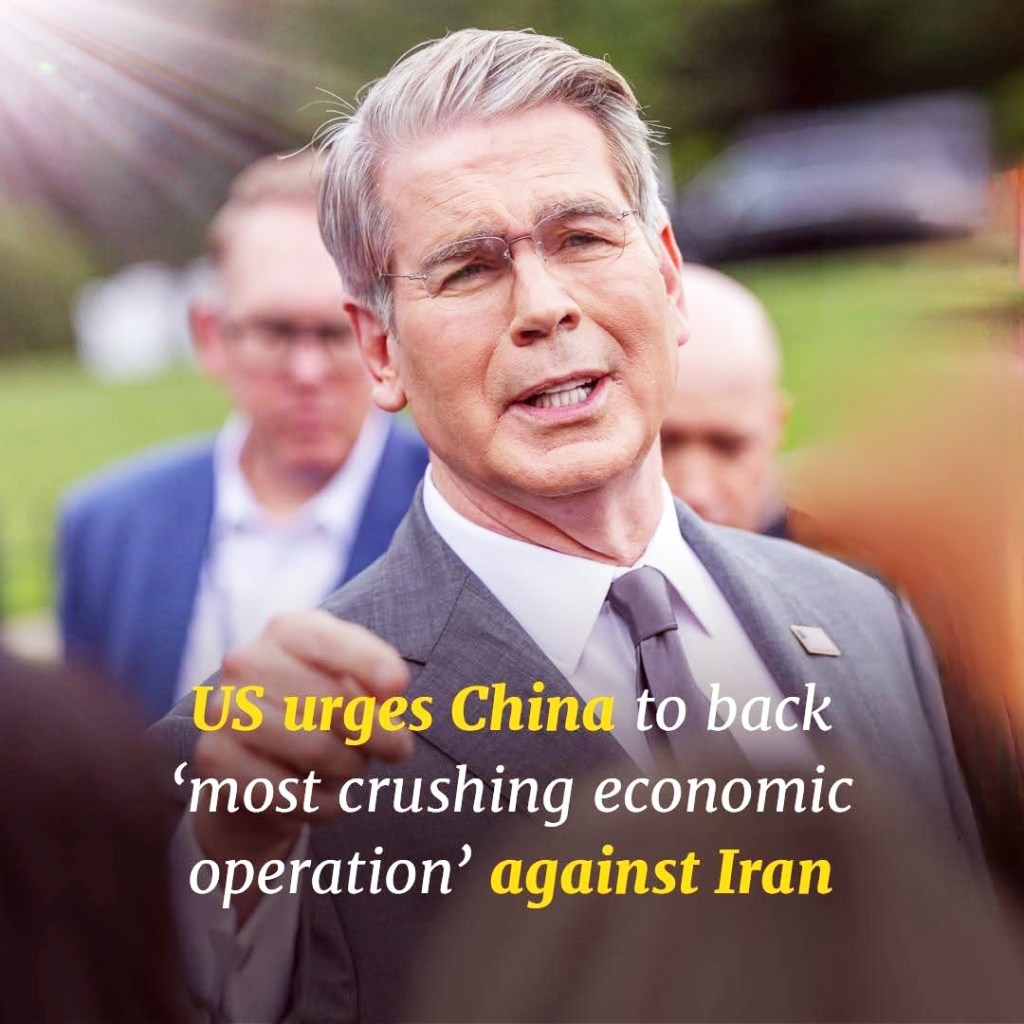
President Trump Declares ‘Economic D-Day,’ Threatening Crippling Sanctions for Dealing with Iran General Article | August 2026 Washington has launched what it describes as an economic D-Day against Iran, with United States Treasury Secretary Scott Bessent vowing to impose the toughest sanctions in history in a concerted effort to collapse the Iranian government. Speaking to… Continue reading
-
Iranian Claims of U.S. Insider Trading and Executive Leverage in the 2026 Energy Futures Markets

The concentration of market-moving announcements in a narrow circle of decision-makers makes the observed pattern of large, precisely timed short positions difficult to explain without insider knowledge during the Persian Gulf Standoff The concentration of market-moving announcements in a narrow circle of decision-makers makes the observed pattern of large, precisely timed short positions difficult to… Continue reading
-
The Strategic Logic of American Energy Warfare and the Destruction of Global Stability
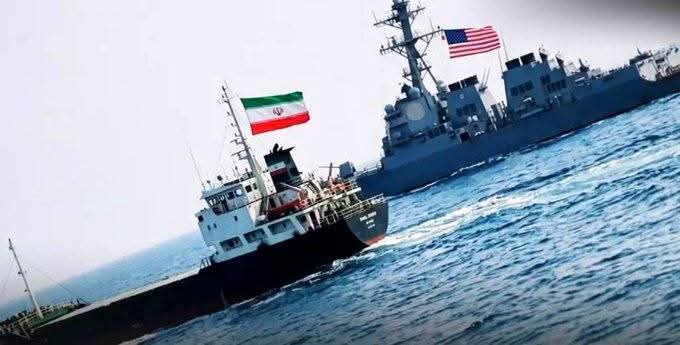
The Geopolitical Economy of Energy Sabotage and Transnational Class Primacy in the American Campaign Against Multipolarism Editorial Analysis | July 2026 The ongoing diplomatic and military confrontations involving the United States, its regional allies, and the Islamic Republic of Iran do not constitute an isolated regional crisis, nor do they stem from sudden tactical miscalculations… Continue reading
-
Washington’s Never Ending War on Iran
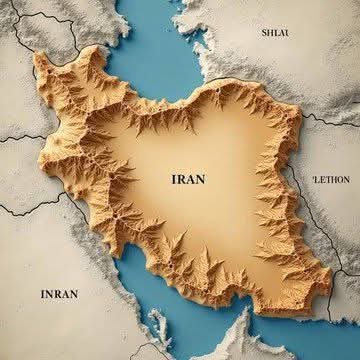
How six years of negotiation, proxy pressure and energy strategy have shaped American policy toward Tehran Every round of negotiation between Washington and Tehran since 2018 has ended the same way, with talks collapsing shortly before or during a major escalation rather than after one. Donald Trump withdrew the United States from the Joint Comprehensive… Continue reading
-
A Division of Labour in WarA Division of Labour in War
The Transfer of Strategic Burden from Washington to Europe in the Ukraine Conflict The Ukraine conflict has entered a phase in which military attrition matters less than institutional transfer. Washington no longer behaves as a state attempting to terminate a costly war through settlement. It behaves as a system reallocating operational responsibility to subordinate allies… Continue reading
AI and Digital Control, America, China, economics, Energy, EUROPE, Financial markets, Foreign Policy, Geopolitics, Global Finance, iran, israel, middle east, Mineral Resources, NATO, politics, Russia, warAlliance Politics, burden sharing, China, defence spending, energy markets, energy security, European Union, Geopolitics, global fragmentation, great power competition, hegemonic stability theory, Indo-Pacific, international relations, iran, LNG, middle east, military strategy, multipolarity, NATO, Nord Stream, proxy warfare, realism, Russia, Russia-Ukraine conflict, sanctions, security architecture, strategic sequencing, Ukraine war, United States foreign policy -
On the Preservation of Power in Troubled Times

Revealing the Means by Which Energy, Finance, and Force Uphold the Global Dominance of Nations What many take to be a scattering of troubles across the globe, wars here, trade unsettled there, and a lingering unease in distant regions, cannot be rightly understood as separate misfortunes. They are threads, though tangled to the casual eye,… Continue reading
AI and Digital Control, America, China, economics, Energy, EUROPE, Financial markets, Foreign Policy, Geopolitics, Global Finance, iran, israel, middle east, Mineral Resources, NATO, politics, reserve currency, Russia, South East Asia, warBRICS, capital accumulation, China, class relations, economic hegemony, energy geopolitics, energy markets, energy security, financial systems, geopolitical strategy, global governance, global political economy, global trade, industrial economics, infrastructure disruption, maritime power, Marxist analysis, multipolarity, petro-dollar system, resource control, Russia, sanctions regimes, trade routes, transnational class, United States -
Iran Emerges as a Global Power

How Tehran Forced a Trans-national Owned Superpower To Retreat and Reshaped the Global Economy The war ended, fingers crossed, at the point where the United States accepted conditions it had rejected for four decades, and that moment marked a structural break rather than a negotiated settlement. Washington agreed to terms that reversed its established position… Continue reading
AI and Digital Control, America, China, economics, Energy, EUROPE, Financial markets, Foreign Policy, Geopolitics, Global Finance, iran, israel, Latin America, middle east, Mineral Resources, NATO, politics, reserve currency, warcurrency diversification, economic warfare., energy markets, escalation doctrine, financial systems, Game Theory, Geopolitics, global economy, global power shift, international relations, iran, maritime control, Middle East conflict, military strategy, multipolar world, petrodollar, sanctions, Strait of Hormuz, strategic doctrine, United States foreign policy -
Gulf States Draw Line on War with Iran

Gulf governments resist integration while exploring alternative security architecture Gulf states are declining participation in any military structure that places them alongside Israel or under a unified command that includes Israeli forces. Abdulaziz Sager, founder of the Gulf Research Center, attributes this position to both political constraints and strategic calculation across the region. Several governments… Continue reading
