
Game Theory
-
Iran’s Engine-Room Strategy Is Testing the Limits of American Power

The Islamic Republic has shifted from warning shots to the systematic disabling of commercial vessels, driving tanker rates to $80 million per voyage, draining diesel inventories to critical lows, and exposing the material foundations upon which the petrodollar system ultimately rests Editorial Analysis | October 2026 The Strait of Hormuz has been transformed from a… Continue reading
AI and Digital Control, America, bond market, Carribean, China, economics, Energy, EUROPE, feminism, Financial markets, Foreign Policy, Geopolitics, Global Finance, imperialism, iran, israel, japan, knowledge, middle east, Mineral Resources, NATO, neocolonialism, politics, reserve currency, Russia, warcarrier strike group, chokepoint, diesel crisis, economic warfare., engine room strikes, Game Theory, iran, Jamie Dimon, Japan energy security, petrodollar, petroyuan, realism, Saudi oil infrastructure, shipping costs, Strait of Hormuz, strategic petroleum reserve, tanker attacks, US military buildup, US–Iran conflict -
American Elections Cannot End the Wars That Corporate Power Requires

The United States has not suspended intelligence sharing with Ukraine, the war in Ukraine is a proxy war against Russia that began in 2014 and continues to escalate, and the midterm elections are scripted performances designed to prevent the public from recognising the corporate interests that actually determine policy Editorial Analysis | October 2026 The… Continue reading
China, economics, Energy, EUROPE, feminism, Financial markets, Foreign Policy, Geopolitics, Global Finance, imperialism, iran, israel, japan, knowledge, middle east, Mineral Resources, NATO, neocolonialism, politics, reserve currency, Russia, technology, warAnchorage, arms manufacturers, blackrock, burden sharing, burden-shedding, CIA, class analysis, corporate capture, corporate interests, democracy, federal reserve, Game Theory, intelligence sharing, Iraq, Marxist analysis, midterms, Minsk, NATO, New York Times, oil revenue, pete hegseth, plutocracy, political circus, proxy war, RAND, RAND Corporation, realism, Russia, self determination, Trump, ukraine, US elections, Vanguard, zelensky -
The Generals in Kiev: Die for the Alliance, But Don’t Ask to Join
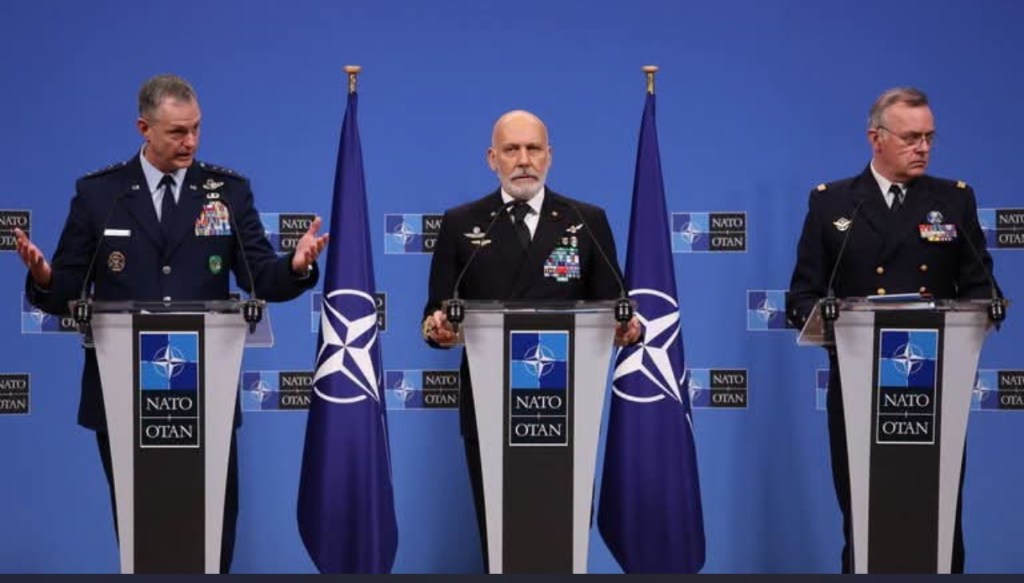
NATO alliance’s top military body visited Ukraine to show solidarity while the US says membership that would require them to defend Ukraine is “not on the table” Editorial Analysis | October 2026 The NATO Military Committee’s visit to Kiev on 7 October 2026, the first such visit in eight years, constitutes a strategic communication exercise… Continue reading
-
The Cannibal Economy
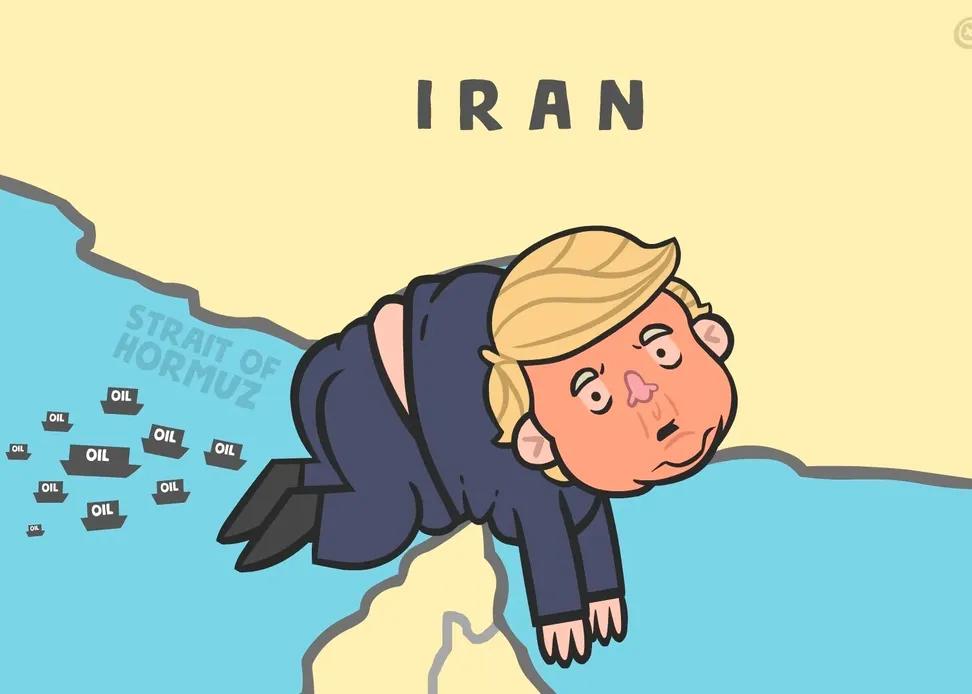
How the US is converting civilian industry to arms production and draining its clients to sustain primacy Editorial Analysis | October 2026 The United States has entered a phase of imperial decline in which the strategies employed to sustain global primacy are themselves accelerating the erosion of the material foundations upon which that primacy rests.… Continue reading
-
The Shield of the Americas – How a Visa Revocation Became an Arrest Warrant and a Prosecutor Became a Prisoner

Bolivia’s Attorney General was detained without warrant forty-eight hours after Washington revoked his visa, and the case he was pursuing reached networks stretching from Mar-a-Lago to La Paz Editorial Analysis | October 2026 Bolivian police arrested their own Attorney General, Roger Mariaca, on 30 September 2026, without a judicial warrant, and detained thirteen other officials… Continue reading
-
The Shield of the Americas – How a Visa Revocation Became an Arrest Warrant and a Prosecutor Became a Prisoner
Bolivia’s Attorney General was detained without warrant forty-eight hours after Washington revoked his visa, and the case he was pursuing reached networks stretching from Mar-a-Lago to La Paz Editorial Analysis | October 2026 Bolivian police arrested their own Attorney General, Roger Mariaca, on 30 September 2026, without a judicial warrant, and detained thirteen other officials… Continue reading
-
The Empire’s Exit as Iraqi Resistance Forced America Out and Exposed the Lie of Victory
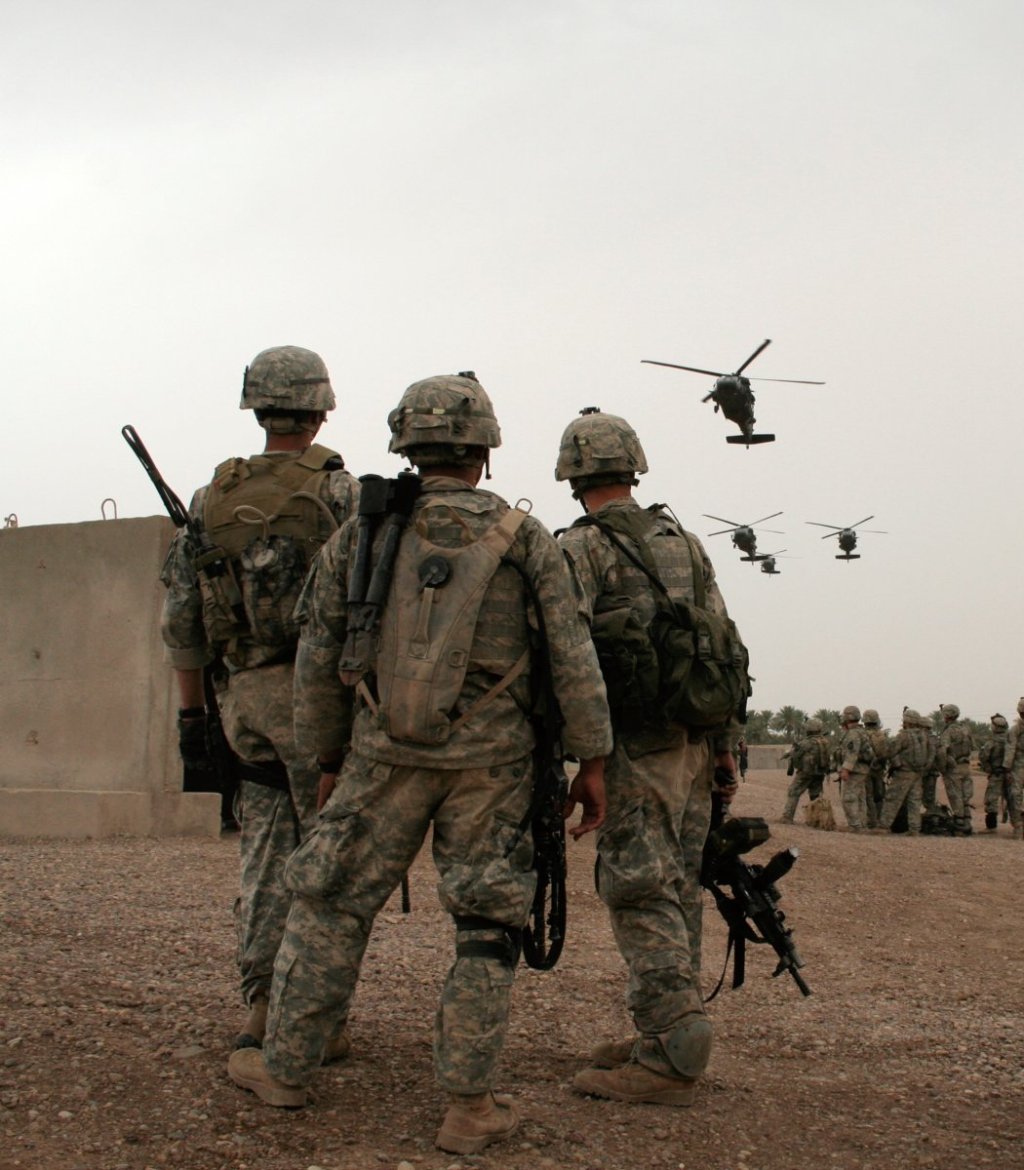
Trump’s withdrawal announcement is not a triumph but a retreat, and the mechanisms of American power that remain reveal both the limits of military occupation and the durability of financial and intelligence coercion mechanisms Editorial Analysis | October 2026 The claim by Donald Trump that the withdrawal of American troops from Iraq constitutes a victory,… Continue reading
-
The Empire’s Exit as Iraqi Resistance Forced America Out and Exposed the Lie of Victory
Trump’s withdrawal announcement is not a triumph but a retreat, and the mechanisms of American power that remain reveal both the limits of military occupation and the durability of financial and intelligence coercion mechanisms Editorial Analysis | October 2026 The claim by Donald Trump that the withdrawal of American troops from Iraq constitutes a victory,… Continue reading
-
The Empire’s Exit as Iraqi Resistance Forced America Out and Exposed the Lie of Victory
Trump’s withdrawal announcement is not a triumph but a retreat, and the mechanisms of American power that remain reveal both the limits of military occupation and the durability of financial and intelligence coercion mechanisms Editorial Analysis | October 2026 The claim by Donald Trump that the withdrawal of American troops from Iraq constitutes a victory,… Continue reading
-
The Digital Break – How Weaponised Interdependence Is Ending the American Tech Empire

From the Hague to Beijing, from Moscow to Paris, the world is dismantling its dependence on American software, hardware, and payment systems, and the weaponisation of these platforms has made the transition irreversible Editorial Analysis | October 2026 The decision by the Dutch government to create its own digital work environment based on the Dutch… Continue reading
