
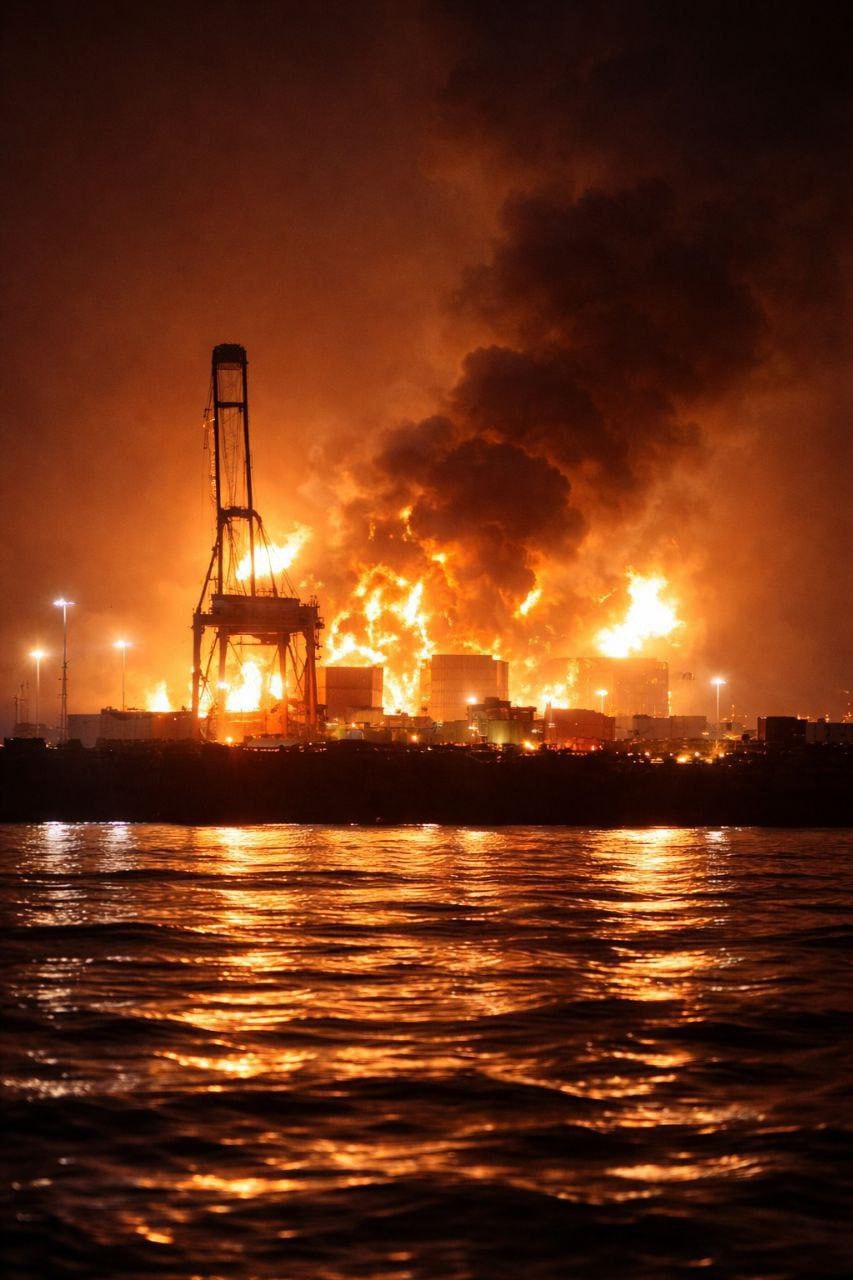
How decades of reliance on Washington expose the Gulf to economic and military vulnerabilities
Resentment is quietly mounting across the capitals of the Gulf Cooperation Council, as a convergence of strategic, economic, and political pressures forces a reassessment of long-standing alliances with Washington. Reports emerging from Riyadh, Abu Dhabi, and Doha suggest that these states perceive themselves as drawn into conflicts they neither initiated nor endorsed, yet for which they bear disproportionate costs in terms of both security and national expenditure. This dissatisfaction reflects structural tensions in the international order: the limits of patronage, the fragility of regional security arrangements, and the vulnerabilities inherent in economies that remain heavily dependent on hydrocarbons. The current climate of frustration may thus mark a turning point in Gulf foreign policy, with implications that extend far beyond the region itself.
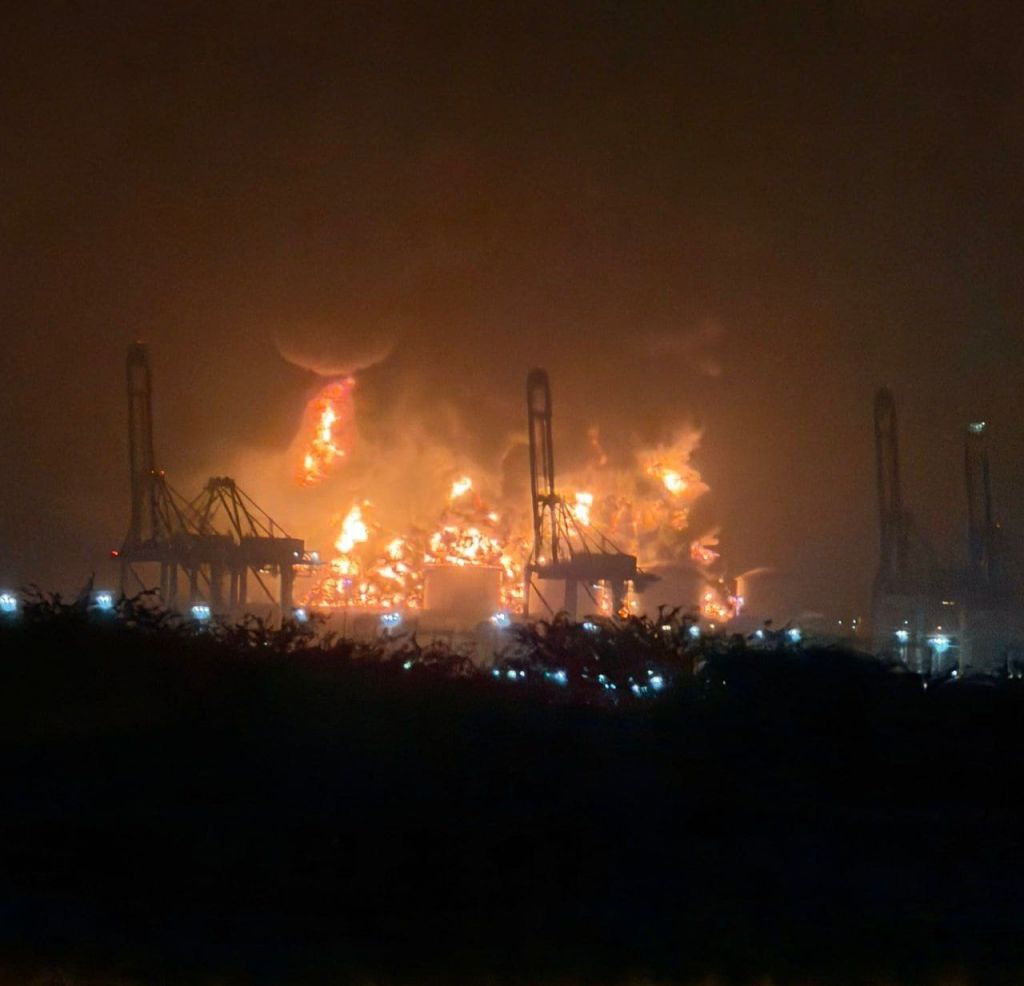
Ebtesam Al-Ketbi, President of the Emirates Policy Center, articulated the sentiment increasingly evident behind closed doors: “This is not our war. We did not want this conflict, yet we are paying the price with our security and our economy.” Such a statement encapsulates a broader grievance: Gulf states feel compelled to assume risks in conflicts driven primarily by the strategic calculus of external powers. Historically, the security architecture of the Gulf has relied upon the deterrent and stabilising effects of American power, from the stationing of the Fifth Fleet in Bahrain to extensive arms transfers and intelligence-sharing agreements. These arrangements allowed Gulf monarchies to focus on domestic priorities and economic development while maintaining the appearance of security against external threats. Yet the present context underscores the limitations of this model: strategic dependence, however long-standing, is only as reliable as the patron’s alignment with local imperatives.
The economic dimension of this disquiet is particularly acute. Gulf economies remain profoundly dependent on oil and gas exports, which collectively account for more than 50 per cent of state revenues in Saudi Arabia, the United Arab Emirates, and Qatar.1 Disruption of energy flows, whether through physical threats to infrastructure or through the broader consequences of conflict, carries immediate fiscal implications. Abdulaziz Sager, Chairman of the Saudi-based Gulf Research Center, emphasised that the American administration has failed to provide guarantees for either the security of energy infrastructure or the continuity of exports during wartime, describing the cost to Gulf economies as “staggering.” This is not hyperbole: the International Monetary Fund has repeatedly warned that even a temporary 10 per cent decline in hydrocarbon revenues could compel Gulf states to draw down sovereign wealth funds, delay infrastructure projects, and curtail public sector employment.2 For economies that rely upon rentier social contracts to maintain domestic legitimacy, the stakes are existential.
Historically, the United States has functioned as both deterrent and economic stabiliser in the Gulf. Its military presence has offset regional threats, from Iran to transnational jihadist networks, while its strategic influence has shaped global oil markets and preserved conditions under which Gulf monarchies could exercise considerable autonomy. The U.S.-Saudi security partnership, formalised in a series of agreements dating back to 1945, and the broader U.S.-GCC security umbrella, including the stationing of air bases and the provision of missile defence systems, created a network of predictable guarantees that underpinned the Gulf states’ confidence in Washington.3 Yet in recent years, American foreign policy has shifted. Strategic recalibration towards the Indo-Pacific, domestic political pressures, and a transactional approach to foreign policy have all contributed to a perception of diminished reliability. Gulf leaders, in assessing the costs and benefits of continued dependence on Washington, are increasingly cognisant that such patronage may be provisional, contingent, or misaligned with regional priorities.
This recognition is fostering a tentative recalibration of regional security arrangements. Gulf states are exploring diversification strategies that were previously considered unthinkable. Engagement with Iran, previously treated as a principal adversary, is no longer categorically excluded. While rapprochement remains politically sensitive, the logic is clear: hedging against overreliance requires the cultivation of alternative mechanisms for regional stability. This may include enhanced bilateral ties, participation in multilateral security initiatives, and the development of mechanisms to ensure continuity of trade and energy supply chains in a region where disruption carries global consequences. The Gulf states’ willingness to contemplate such engagements reflects a pragmatic assessment of both risk and opportunity, informed by decades of experience navigating volatile regional dynamics.
Energy security considerations remain central to this strategic calculus. The Gulf is home to roughly one-third of the world’s proven oil reserves and possesses substantial natural gas holdings, making uninterrupted exports critical not only to local economies but to global energy markets.4 Disruption of Gulf production has historically triggered substantial volatility: during the 1973 oil embargo, oil prices quadrupled within months, while the 2019 drone attacks on Saudi Aramco temporarily removed nearly 5 per cent of global oil supply, resulting in immediate price spikes.5 The present disquiet is thus not merely a matter of principle; it has tangible consequences for global economic stability. Diversifying security arrangements, even tentatively, may provide Gulf states with the leverage necessary to mitigate such risks independently of American guarantees.
The strategic implications for Washington are equally significant. The erosion of unquestioned influence in the Gulf could constrain U.S. diplomatic flexibility, complicate coalition-building in the Middle East, and affect the capacity to project power in adjacent theatres such as the Levant or the Red Sea. From a global energy perspective, the Gulf states’ pursuit of diversified partnerships, including selective engagement with regional rivals, introduces variables that could influence oil and gas pricing, investment flows, and strategic stockpiling policies. Investors, multinational corporations, and policymakers must increasingly account for the possibility that Gulf actors may assert greater autonomy in the management of both security and energy markets.
The recalibration is also illustrative of a broader pattern in contemporary international relations, wherein states increasingly evaluate alliances through the lens of transactional reliability rather than historical sentiment. The Gulf states’ dissatisfaction represents rational calculation: they recognise that sovereignty, economic resilience, and domestic legitimacy cannot be guaranteed by a single external patron. This perspective aligns with trends elsewhere, from Southeast Asia to Eastern Europe, where middle powers hedge against overdependence by cultivating multiple partnerships, developing indigenous capabilities, and asserting agency in regional security architectures. The Gulf, endowed with considerable wealth, strategic location, and military capacity, is particularly well positioned to pursue such diversification, albeit with caution.
Yet this evolution is neither immediate nor without risk. Diversifying alliances in a region characterised by historical enmities, sectarian divisions, and great-power competition requires delicate management. Engagement with Iran, for example, carries potential domestic and regional backlash, particularly from constituencies invested in traditional Sunni-led cooperation frameworks. Similarly, pursuing alternative security arrangements must be reconciled with existing commitments to Washington and with the operational realities of integrated military logistics and intelligence sharing. The strategic challenge lies in securing autonomy and resilience without destabilising existing alliances or triggering unintended escalations.
Nevertheless, the rationale for recalibration is compelling. Gulf states are confronting a moment in which historical assumptions about external protection are being tested against the realities of conflict, economic vulnerability, and global uncertainty. The emerging posture—cautious engagement, diversification of partnerships, and selective assertion of autonomy—reflects both pragmatism and foresight. By signalling the capacity to manage their own security and economic interests, the Gulf states reinforce their negotiating position with established allies while simultaneously cultivating the ability to withstand unforeseen contingencies.
In conclusion, the disquiet observable across Gulf capitals is neither ephemeral nor superficial. It represents a deliberate and considered response to a combination of conflict-induced strain, economic vulnerability, and shifting patterns of global power. The Gulf states’ reassessment of their dependence on Washington signals a broader realignment in regional geopolitics, emphasising sovereignty, diversification, and strategic hedging. Should this trend continue, it will have consequences not only for Washington’s influence but also for global energy security, regional stability, and the strategic calculations of actors across the Middle East. The present moment may mark the beginning of a more autonomous and self-reliant chapter in Gulf diplomacy, one in which these states navigate the interplay of historical alliances, emerging threats, and the imperatives of economic and political survival. In doing so, the agency of the Gulf states emerges not merely as a function of wealth or geography but as a deliberate assertion of strategic independence in an era of increasing international uncertainty.
Authored By: Global GeoPolitics
Thank you for visiting. If you believe journalism should serve the public, not the powerful, and you’re in a position to help, becoming a PAID SUBSCRIBER truly makes a difference. Alternatively you can support by way of a cup of coffee:
https://buymeacoffee.com/ggtv |
https://ko-fi.com/globalgeopolitics |
Bitcoin: 3NiK8BoRZnkwJSHZSekuXKFizGPopkE7ns
References:
- U.S. Energy Information Administration, “UAE, Saudi Arabia, Qatar Profile Overview,” 2023.
- International Monetary Fund, “GCC Fiscal Monitor,” October 2022.
- David B. Ottaway, The United States and the Gulf States: Strategic Relations Since 1945, Middle East Institute, 2019.
- BP Statistical Review of World Energy, 2023.
- Reuters, “Saudi Aramco Oil Production Restored after Drone Attacks,” 17 September 2019; Daniel Yergin, The Prize: The Epic Quest for Oil, Money and Power, Simon & Schuster, 1991.


Leave a comment