energy security
-
Do Not Underestimate the United States (Editorial Version)

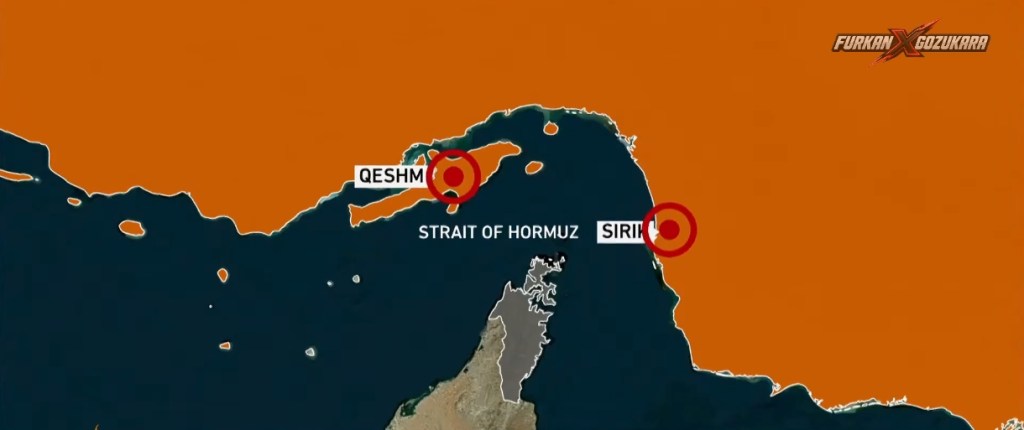
An analytical examination of the US blockade on Iran, the systematic disruption of energy flows to Asia, and the long-term campaign to isolate China The United States Navy’s deployment of FA-18 Super Hornets to conduct strafing attacks against Iranian commercial tankers in the Gulf of Oman on 6 and 8 May 2026, three vessels targeted,… Continue reading
AI and Digital Control, America, China, economics, Energy, EUROPE, Financial markets, Foreign Policy, Geopolitics, Global Finance, iran, israel, middle east, Mineral Resources, NATO, politics, reserve currency, Russia, South East Asia, waralliance systems, Brian Berletic, Brookings Institution, China, deindustrialisation, economic warfare., energy security, Energy Warfare, Eurasia, Eurasian integration, Geopolitics, global energy markets, global trade routes, great power competition, Indo-Pacific, industrial policy, international relations, iran, LNG, maritime chokepoints, Maritime Strategy, NATO, Nord Stream, proxy warfare, RAND Corporation, Russia, sanctions, sanctions policy, Strait of Hormuz, Strait of Malacca, Strategic Competition, Ukraine war, United States foreign policy, US Navy -
Do Not Underestimate the United States (Long Version)

Why the United States Seeks Control of Supply Routes Rather Than Conventional Victory American power has repeatedly been misread during prolonged geopolitical confrontations because commentators continue measuring strategic success through the narrow lens of immediate battlefield outcomes rather than through cumulative institutional, economic, and infrastructural transformation across decades. Independent geopolitical analyst Brian Berletic argued during… Continue reading
AI and Digital Control, America, China, East Africa, economics, Energy, EUROPE, Financial markets, Foreign Policy, Geopolitics, iran, israel, middle east, NATO, politics, reserve currency, Russia, waralliance systems, Brian Berletic, Brookings Institution, China, deindustrialisation, economic statecraft, economic warfare., energy geopolitics, energy security, Energy Warfare, Eurasia, Eurasian integration, geopolitical risk, Geopolitics, global energy markets, global trade routes, great power competition, Indo-Pacific, industrial policy, international relations, iran, LNG, maritime chokepoints, Maritime Strategy, military strategy, NATO, Nord Stream, proxy warfare, RAND Corporation, Russia, sanctions, sanctions policy, Strait of Hormuz, Strait of Malacca, Strategic Competition, strategic studies, supply chains, Ukraine war, United States foreign policy, US Navy, US-China relations -
Trump’s Beijing Delegation Exposed the Real Structure of American Power [Extended Version]
![Trump’s Beijing Delegation Exposed the Real Structure of American Power [Extended Version]](https://globalgeopolitics.co.uk/wp-content/uploads/2026/05/img_20260513_235056.jpg?w=1024)
The Beijing visit exposed how transnational corporations, financial institutions, and technology monopolies now operate openly as the permanent power structure beneath American electoral politics. Donald Trump arrived in Beijing flanked by the commanding layer of American corporate and financial power because the visit exposed something Washington normally prefers hidden behind electoral theatre: transnational capital, technology… Continue reading
AI and Digital Control, America, China, economics, Energy, EUROPE, Financial markets, Foreign Policy, Geopolitics, Global Finance, iran, israel, middle east, Mineral Resources, NATO, politics, reserve currency, Russia, South East Asia, warAmerican decline, American empire, Apple, Belt and Road Initiative, blackrock, Boeing, China, Chinese Strategy, Corporate Globalism, corporate power, dollar hegemony, donald trump, economic warfare., elite power structures, energy security, Eurasia, Financial Capital, Financialisation, Foreign Policy, Game Theory, Geoeconomics, Geopolitics, global hegemony, global order, Goldman Sachs, great power competition, Indo-Pacific, Industrial Capacity, industrial policy, international relations, iran, manufacturing, Maritime Strategy, multipolarity, Nvidia, oligarchy, political economy, realism, Semiconductor War, Silicon Valley, Strategic Competition, strategic studies, supply chains, taiwan, technological sovereignty, Tesla, transnational capital, United States, US-China relations, wall street, Xi Jinping -
The Choke Point Doctrine

How American economic and military pressure now targets the Strait of Hormuz, the Strait of Malacca, the Panama Canal, the Suez Canal, the Strait of Gibraltar, and the Arctic passages The headline video below is circulating on social media under the title “It’s Not Chaos. It’s The Blueprint” argues that the seemingly disconnected crises in… Continue reading
AI and Digital Control, America, China, economics, Energy, EUROPE, Financial markets, Foreign Policy, Geopolitics, Global Finance, iran, israel, middle east, Mineral Resources, NATO, politics, reserve currency, Russia, warAdmiral Samuel Paparo, American empire, April 2026, Arctic passages, artificial intelligence, Belt and Road Initiative, Brookings Institution, China containment, choke point doctrine, energy security, geopolitical analysis, global trade routes, Greenland, Hong Kong, imperial decline, Indonesia military partnership, Iran War, lithium triangle, Malacca Dilemma, maritime interdiction, Maritime Strategy, Marshall Plan, military industrial complex, Morocco defence agreement, multipolarity, national security, naval blockade, Operation Stargate, Panama Canal, Panama ports, petrodollar, RAND Corporation, Senate Armed Services Committee, Strait of Gibraltar, Strait of Hormuz, Strait of Malacca, strategic petroleum reserve, Suez Canal, unipolarity, United States foreign policy, Venezuela Oil -
One Battle, Two Press Releases: Hormuz and the Crisis of American Deterrence

The Persian Gulf confrontation exposed the widening gap between military optics and operational control, while financial stabilisation and military escalation merged into the same strategic system A naval withdrawal inside the Strait of Hormuz would mark a strategic rupture extending far beyond one contested waterway, because the credibility of American maritime supremacy depends upon sustained… Continue reading
AI and Digital Control, America, China, economics, Energy, EUROPE, Financial markets, Foreign Policy, Geopolitics, Global Finance, iran, israel, middle east, Mineral Resources, NATO, politics, reserve currency, Russia, warAmerican Power, anti-access area denial, asymmetric warfare, Clausewitz, Coercive Credibility, Currency Systems, Defence Economics, dollar hegemony, energy security, escalation dominance, Financial markets, financial stability, Game Theory, Geoeconomics, Geopolitics, global order, Hormuz Crisis, imperial decline, international relations, iran, IRGC, maritime chokepoints, Maritime Strategy, Middle East security, military doctrine, Military Industrial Base, military strategy, Missile Saturation, multipolarity, Naval Warfare, Persian Gulf, Plunge Protection Team, political economy, realism, sea power, Strait of Hormuz, Strategic Geography, strategic studies, systemic risk, United States Navy -
The New Geography of Power: Europe Pays, America Pivots (Extended Version)

How Washington weaponised energy chokepoints, controlled instability, and alliance dependency against China, Iran, and Europe. The post-Cold War order is ending not because American power suddenly collapsed beneath external pressure, but because Washington abandoned the economic logic that previously sustained its own imperial system across multiple continents simultaneously. The United States no longer governs primarily… Continue reading
AI and Digital Control, America, China, economics, Energy, EUROPE, Financial markets, Foreign Policy, Geopolitics, Global Finance, iran, israel, middle east, Mineral Resources, NATO, politics, reserve currency, Russia, South East Asia, warAmerican Hegemony, China containment, energy security, Energy Warfare, Eurasia, European Union Crisis, Game Theory, Geopolitics, globalisation, Indo-Pacific, Industrial Dependency, Iran Sanctions, maritime chokepoints, Maritime Strategy, NATO Fragmentation, political economy, realism, Strait of Hormuz, Strait of Malacca, Strategic Competition -
The China Perspective: War Without Declaration

A Consideration of War in Iran and the Greater Reordering of the World In Which China Endures the Tumult of War Whilst the Old Order Strains to Maintain Its Hold China views the Iran war not as a distant regional conflict but as part of a broader strategic environment in which it is the primary… Continue reading
AI and Digital Control, America, China, economics, Energy, EUROPE, Financial markets, Foreign Policy, Geopolitics, Global Finance, iran, israel, middle east, Mineral Resources, NATO, politics, reserve currency, Russia, South East Asia, warBelt and Road Initiative, China, containment strategy, economic warfare., energy security, Eurasian integration, financial systems, Geopolitics, global power shift, global supply chains, global trade, globalisation, international relations, Iran War, maritime chokepoints, Middle East conflict, multipolar world order, realism theory, sanctions, sanctions policy, Strait of Hormuz, Strategic Competition, strategic restraint, United States, US-China relations -
China’s First Direct Rejection of U.S. Financial Jurisdiction

Why Beijing’s refusal to recognise American sanctions marks a structural shift in global financial power A legal border moved across the international system when China’s Ministry of Commerce instructed domestic firms not to recognise, enforce, or comply with United States sanctions against five Chinese refineries. Financial globalisation relied upon a silent assumption that American secondary… Continue reading
AI and Digital Control, America, China, economics, Energy, EUROPE, Financial markets, Foreign Policy, Geopolitics, Global Finance, Health, iran, israel, middle east, Mineral Resources, NATO, politics, reserve currency, Russia, warAnti-Foreign Sanctions Law, Belt and Road Initiative, blocking statute, China sanctions law, Chinese refineries, commodity security, cross-border finance, de-dollarisation, dollar hegemony, economic statecraft, energy geopolitics, energy security, extraterritorial jurisdiction, extraterritorial sanctions, financial coercion, financial decoupling, game theory in geopolitics, geopolitical economy, geopolitical risk, global financial order, global order transition, global supply chains, great power competition, international political economy, Iranian oil trade, legal sovereignty, multipolarity, realist international relations, sanctions compliance, sanctions enforcement, sanctions policy, sanctions resistance, secondary sanctions, sovereign jurisdiction, strategic autonomy, Strategic Competition, systemic rivalry, trade fragmentation, U.S. Treasury sanctions, U.S.–China relations, yuan internationalisation -
A Division of Labour in WarA Division of Labour in War

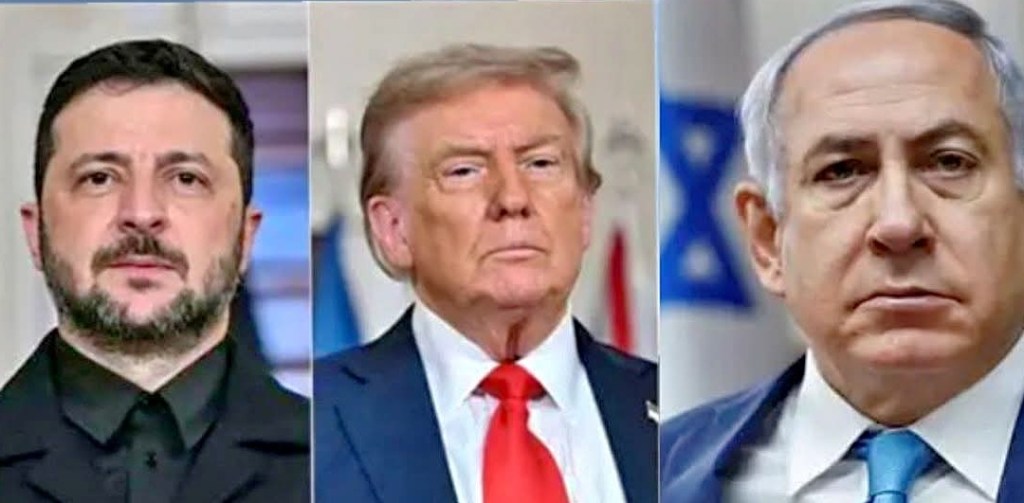
The Transfer of Strategic Burden from Washington to Europe in the Ukraine Conflict The Ukraine conflict has entered a phase in which military attrition matters less than institutional transfer. Washington no longer behaves as a state attempting to terminate a costly war through settlement. It behaves as a system reallocating operational responsibility to subordinate allies… Continue reading
AI and Digital Control, America, China, economics, Energy, EUROPE, Financial markets, Foreign Policy, Geopolitics, Global Finance, iran, israel, middle east, Mineral Resources, NATO, politics, Russia, warAlliance Politics, burden sharing, China, defence spending, energy markets, energy security, European Union, Geopolitics, global fragmentation, great power competition, hegemonic stability theory, Indo-Pacific, international relations, iran, LNG, middle east, military strategy, multipolarity, NATO, Nord Stream, proxy warfare, realism, Russia, Russia-Ukraine conflict, sanctions, security architecture, strategic sequencing, Ukraine war, United States foreign policy -
Next Stop: Strait of Malacca

From Hormuz blockade logic and the extension of maritime leverage into East Asian energy supply chains American naval forces have expanded interdiction operations beyond the Persian Gulf into the wider Indian Ocean along established commercial shipping routes. Recent seizures of tankers including the Tifani and Majestic X occurred in waters between Sri Lanka and Indonesia… Continue reading