
South East Asia
-
The Arithmetic of Attrition in Ukraine’s Manpower

Official Admissions, Divergent Casualty Claims and the Strategic Limits of Ukraine’s Manpower Base General Article | September 2026 General Article | September 2026 In late August 2026 Kyrylo Budanov told a national telethon audience that Ukraine could not mobilise fewer than 30,000 people each month if it wished to preserve the current disposition of its… Continue reading
-
Nowhere To Run
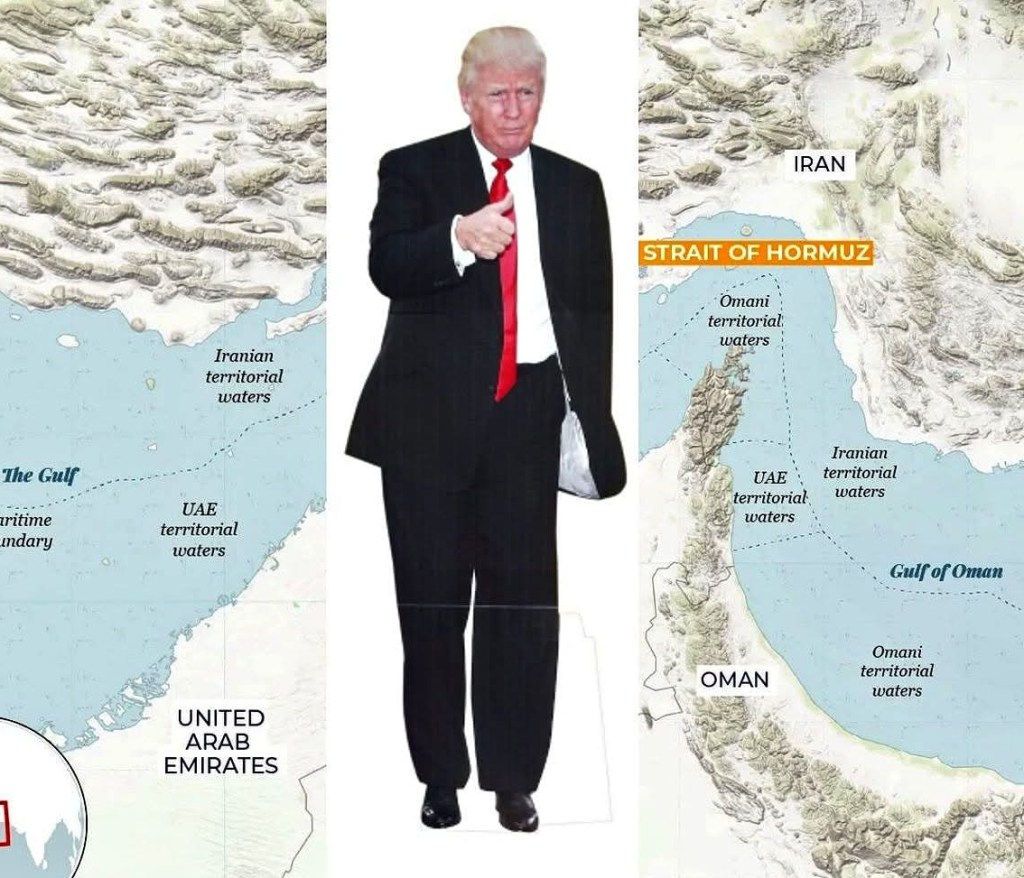
How America’s War on Iran Has Exposed the Limits of Military Power, the Fragility of Financial Hegemony, and the Terminal Decline of Western Imperialism Editorial Analysis | August 2026 The war on Iran, which American planners confidently predicted would conclude within four to six weeks, has instead become a grinding conflict that is consuming the… Continue reading
-
The Logic of Controlled Demolition

How America’s Parallel Wars in Ukraine and West Asia Reveal a Strategy of Managed Decline The public mood inside Russia has undergone a profound and measurable transformation over recent months, driven by Ukrainian drone strikes that have penetrated the country’s interior with increasing frequency and lethality. The attack on a beach in Gelendzhik on the… Continue reading
-
Timeline: From Saudi Arabia’s Message to Iran to Trump’s Strike Reversal
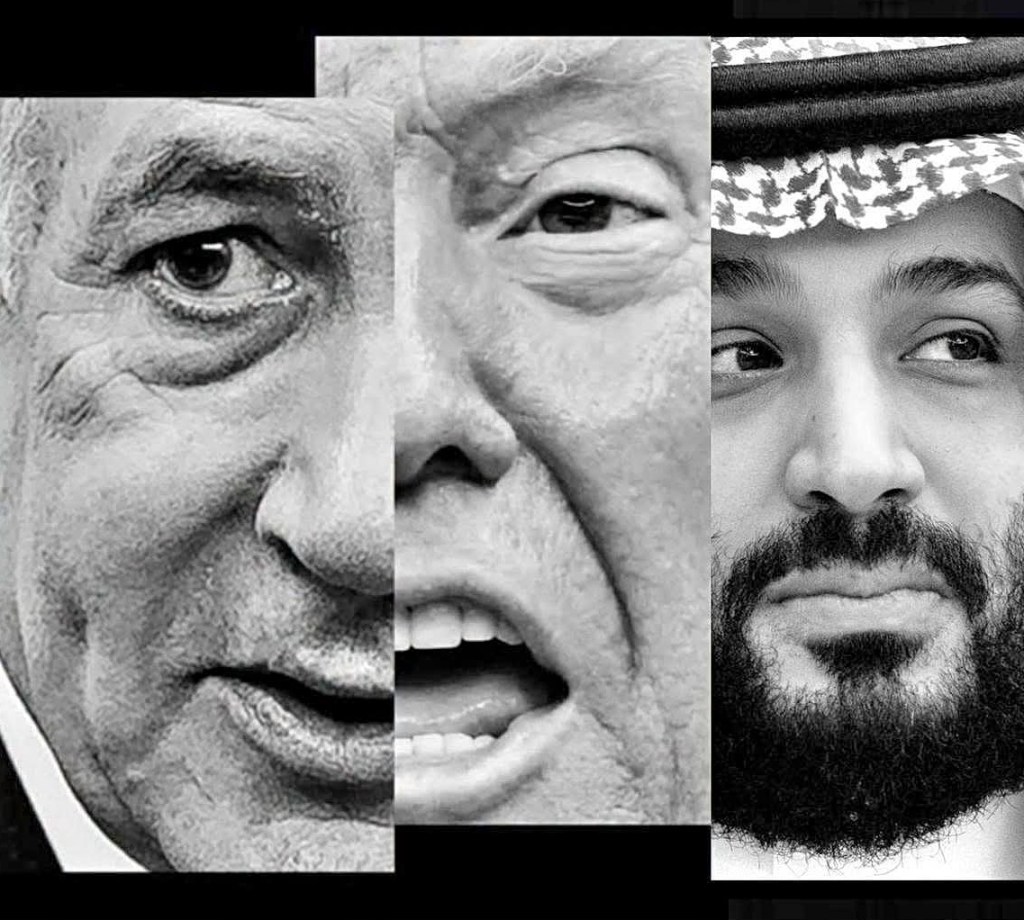
How a diplomatic call between Riyadh and Tehran exposes the structural tensions created by American military facilities on Arab territory during the 2026 conflict General Article | August 2026 Saudi Arabia conveyed a formal warning to Iranian authorities in early March 2026, insisting that continued attacks on the kingdom and neighbouring Gulf states would compel… Continue reading
-
The US has yet to fall on its own sword
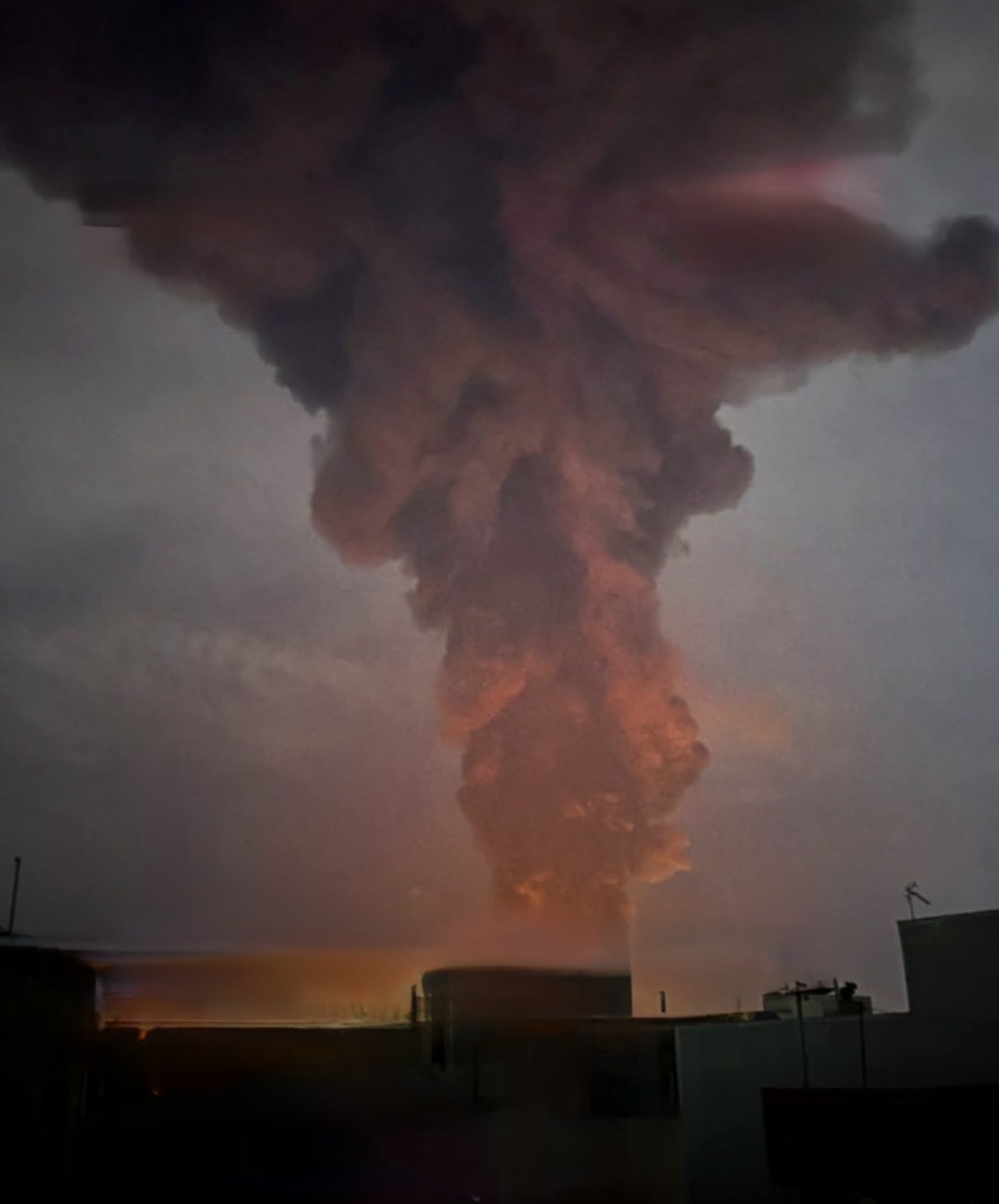
The Unending War for Primacy: US Empire Survival Strategy, Iranian Resistance, and the Struggle for a Multipolar Order Editorial Analysis | July 2026 The confrontation in the Strait of Hormuz that began on July 7, 2026, represents not an isolated incident but the latest chapter in a continuous, decades-long war that the United States has… Continue reading
-
Faltering American Strategy in the Middle East

Escalation in the Strait: Trump, Iran, and the Anatomy of a Strategic Trap The Strait of Hormuz has long been recognised as one of the world’s most consequential maritime chokepoints. Approximately 20 per cent of globally traded oil passes through its narrow waters, making its security a matter of strategic concern for every major economy.… Continue reading
-
Ukraine Bookends Russia’s ‘Davos’ with Drone Raids on St. Petersburg
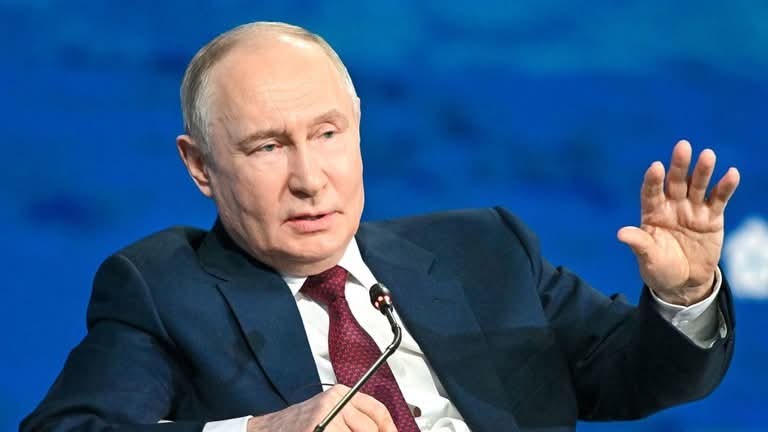
More than 140 drones intercepted on the forum’s final day; airport suspended; Zelensky’s open letter to Putin offers talks but promises more strikes if war continues Ukraine launched one of its largest drone attacks on Russia’s second city in the early hours of Saturday, striking St. Petersburg as delegates prepared to depart the St. Petersburg… Continue reading
-
Reading Between the Lines: Why Rezaee’s CNN Interview Is More About Messaging Than Negotiation
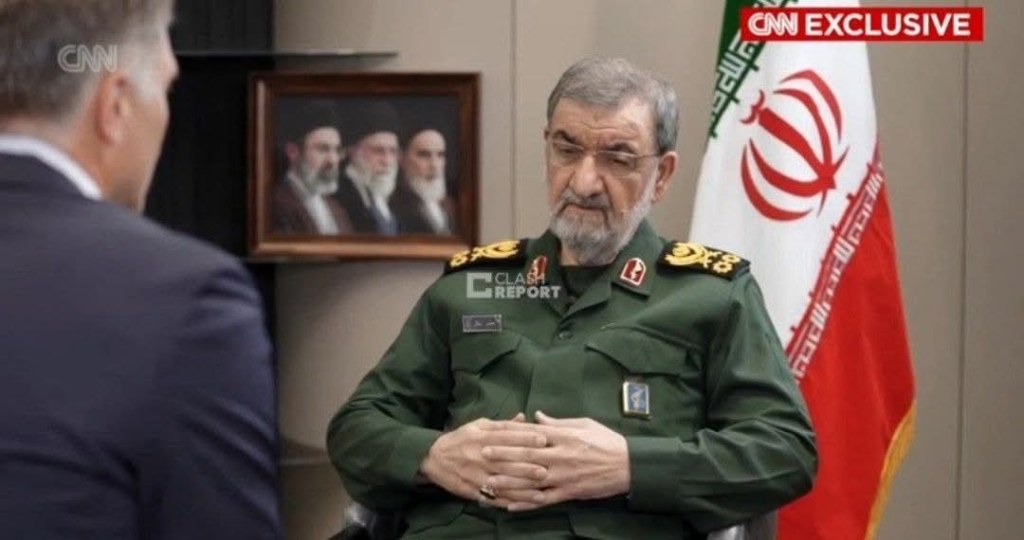
Tehran does not expect negotiations to produce a breakthrough, it wants to shape the narrative around any future escalation My reading of Rezaee’s CNN interview is that it is primarily directed at Western audiences and the cameras, not because Tehran genuinely expects negotiations to produce a breakthrough, but because it wants to shape the narrative… Continue reading
AI and Digital Control, America, Financial markets, Foreign Policy, Geopolitics, Global Finance, imperialism, iran, israel, middle east, Mineral Resources, NATO, neocolonialism, politics, South East Asia, warBab al-Mandab, British Empire Legacy, CNN Interview, Colonial Borders, conflict analysis, diplomacy, escalation, Foreign Affairs, GCC, geopolitical risk, Geopolitics, Geostrategy, Gulf Monarchies, Gulf States, information warfare, international relations, iran, Iran US relations, Long War, maritime security, middle east, Middle East politics, Middle East Transformation, Mohsen Rezaee, multipolar world order, Persian Gulf, political legitimacy, political stability, power projection, Red Sea security, Regime Security, Regional Conflict, Regional Order, Regional Realignment, security studies, state formation, Strategic Affairs, strategic messaging, US foreign policy, West Asia -
Burning the Lifeboats

How Governments and Markets Are Consuming Strategic Reserves to Bridge a Hormuz Disruption Whose End They Cannot Demonstrate On 11 March 2026, the International Energy Agency coordinated the largest emergency strategic reserve release in history, drawing 400 million barrels from the stockpiles of 32 member nations, the United States contributing 172 million barrels from the… Continue reading
AI and Digital Control, America, China, economics, Energy, EUROPE, Financial markets, Foreign Policy, Geopolitics, Global Finance, iran, israel, middle east, Mineral Resources, NATO, politics, reserve currency, Russia, South East Asia, war$4.45 national average, 10 million barrels per day deficit, 172 million barrels, 18 to 22 percent premium, 1973 oil embargo comparison, 20 million barrels per day, 400 million barrels, 8.5 million barrels per day drawdown, Abu Dhabi Crude Oil Pipeline, Al Jazeera IEA analysis, Art Berman, artberman.com, Asian energy dependency, Atlantic Basin producers, Bianco Research, Biden SPR drawdown, Brent crude, BrentChart.com shortfall analysis, buffers exhausted, buy the dip conditioning, bypass pipeline capacity, CleanTechnica UBS warning, compressed decades of change, crude oil quality mismatch, Dallas Federal Reserve, de-mining lags, debt-saturated global economy, December 2026 Brent futures, demand destruction, demand rationing by price, Discovery Alert inventory projection, East-West pipeline, energy investment IEA $3.4 trillion, energy realist, energy Secretary Chris Wright, energy shock 2026, energy transition, even peace takes months, Federal Reserve monetary policy, Financial Sense Newshour, forced adjustment, gasoline prices United States, global oil consumption, Global South energy costs, heavy sour crude, historical oil shocks, Hormuz blockade 2026, Hormuz probability model, IEA coordinated release, IEA Gas Market Report Q2 2026, India energy investment $170 billion, inflation oil prices, institutional blindspot, insurance market recovery, insurance premiums war risk, inventory drawdown, inventory minimum operating levels August 2026, Iran Strait of Hormuz mining, Iran war energy, Iranian Revolution 1979, Jim Bianco, Kevin Warsh Fed Chair, liquidity misdiagnosis, LNG market transfer, LNRG Technology bypass analysis, Macquarie four days global consumption, maritime chokepoint, mean reversion, Mineral Rights Podcast SPR analysis, no historical precedent, not a bull market , oil futures backwardation, oil market pricing, OilPrice.com IEA revision, OPEC structural strain, Palisades Gold Radio, panic buying risk, Paul Horsnell, petroleum geologist, Petroline, Philippines Thailand Malaysia Indonesia South Korea, physical scarcity, refinery configuration, repayment November 2026, rerouting costs, scar tissue effect, Southeast Asia import dependence, SPR exchange structure, SPR facility damage, SPR release, stagflation, Strait of Hormuz closure, strategic petroleum reserve, Strategic Petroleum Reserve capacity, structural energy deficit, structural shortage, supply chain lags, system failure, tanker disruption, tanker queue normalisation, The Great Simplification podcast, Trump SPR release, UBS inventory warning, unprecedented disruption, US LNG exporters, US–Iran war, wartime price spike, WTI crude -
Everyone Wants to Be Great Again
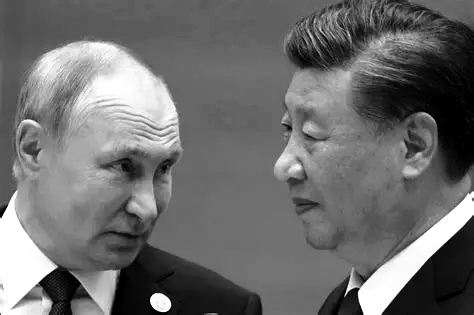
The Putin–Xi Multipolar Declaration, the Data Behind It, and Why Fragmentation May Be a More Accurate Description Than Partnership Editorial Analysis | 31 May 2026 On 20 May 2026, Russian President Vladimir Putin and Chinese President Xi Jinping signed a Joint Declaration on the Establishment of a Multipolar World and a New Type of International… Continue reading
AI and Digital Control, America, China, economics, Energy, EUROPE, Financial markets, Foreign Policy, Geopolitics, Global Finance, iran, israel, middle east, Mineral Resources, NATO, politics, reserve currency, Russia, South East Asia, war30th anniversary Russia-China partnership, anti-hegemonic declaration, balance of power, Beijing summit 2026, bilateral trade decline, Chinese FDI Russia, CNPC, Cold War bipolarity, commodity exporter, energy dependence, fossil fuel asymmetry, fragmentation, gas pipeline stalled, gazprom, great power competition, hegemony, Joint Declaration on the Establishment of a Multipolar World, multipolar world declaration, multipolarity, New Type of International Relations, no-limits partnership, outbound direct investment, Power of Siberia 2, pricing impasse, Putin Xi summit May 2026, Russia energy exports, Russia-China strategic partnership, Russia-China trade 2025, Russian oil exports China, trade contraction 6.9 percent, unipolar moment, US Hegemony, world order
