
geopolitical risk
-
Iranian Claims of U.S. Insider Trading and Executive Leverage in the 2026 Energy Futures Markets

The concentration of market-moving announcements in a narrow circle of decision-makers makes the observed pattern of large, precisely timed short positions difficult to explain without insider knowledge during the Persian Gulf Standoff The concentration of market-moving announcements in a narrow circle of decision-makers makes the observed pattern of large, precisely timed short positions difficult to… Continue reading
-
Reading Between the Lines: Why Rezaee’s CNN Interview Is More About Messaging Than Negotiation
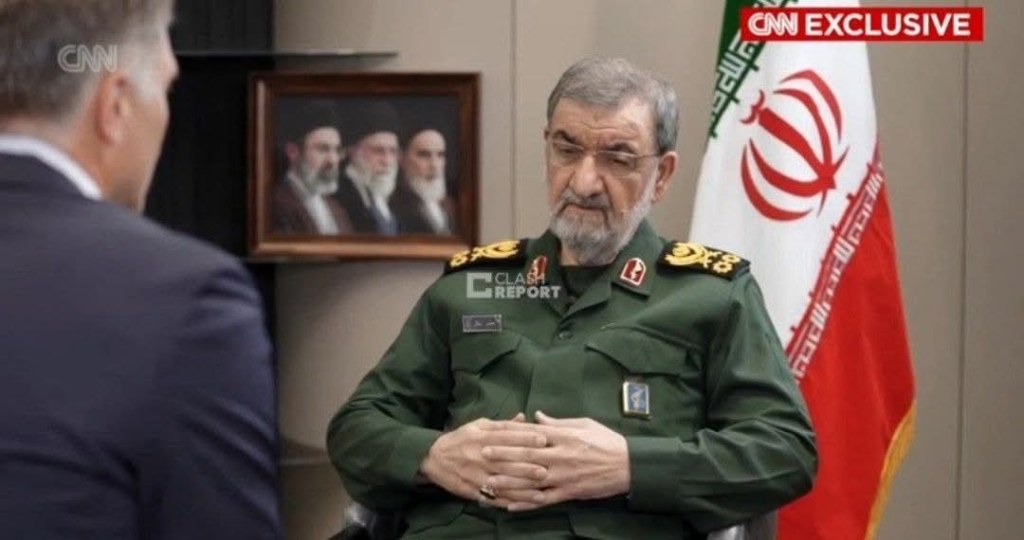
Tehran does not expect negotiations to produce a breakthrough, it wants to shape the narrative around any future escalation My reading of Rezaee’s CNN interview is that it is primarily directed at Western audiences and the cameras, not because Tehran genuinely expects negotiations to produce a breakthrough, but because it wants to shape the narrative… Continue reading
AI and Digital Control, America, Financial markets, Foreign Policy, Geopolitics, Global Finance, imperialism, iran, israel, middle east, Mineral Resources, NATO, neocolonialism, politics, South East Asia, warBab al-Mandab, British Empire Legacy, CNN Interview, Colonial Borders, conflict analysis, diplomacy, escalation, Foreign Affairs, GCC, geopolitical risk, Geopolitics, Geostrategy, Gulf Monarchies, Gulf States, information warfare, international relations, iran, Iran US relations, Long War, maritime security, middle east, Middle East politics, Middle East Transformation, Mohsen Rezaee, multipolar world order, Persian Gulf, political legitimacy, political stability, power projection, Red Sea security, Regime Security, Regional Conflict, Regional Order, Regional Realignment, security studies, state formation, Strategic Affairs, strategic messaging, US foreign policy, West Asia -
Do Not Underestimate the United States (Long Version)
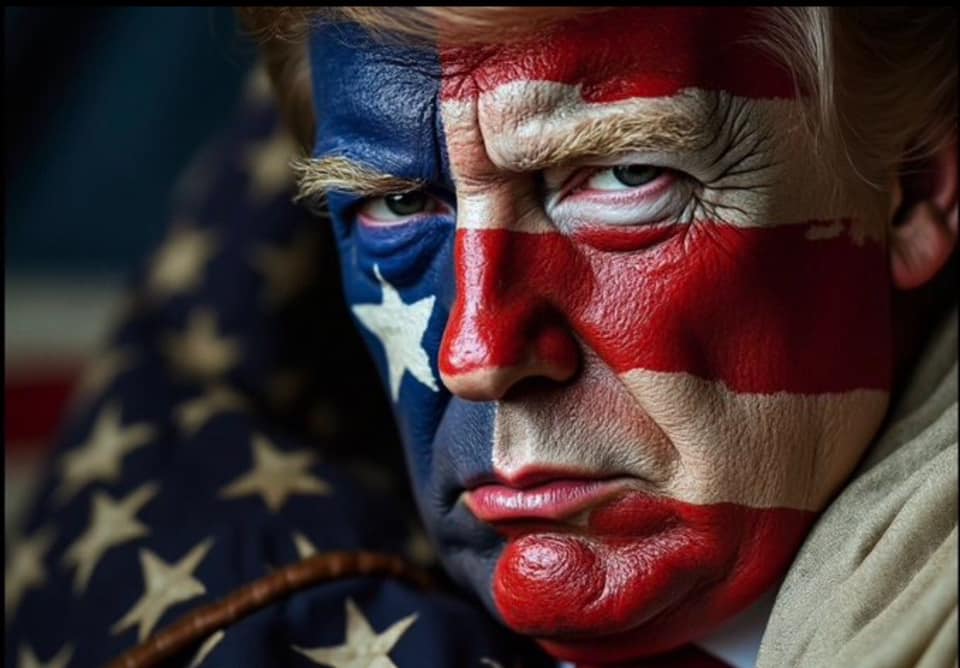
Why the United States Seeks Control of Supply Routes Rather Than Conventional Victory American power has repeatedly been misread during prolonged geopolitical confrontations because commentators continue measuring strategic success through the narrow lens of immediate battlefield outcomes rather than through cumulative institutional, economic, and infrastructural transformation across decades. Independent geopolitical analyst Brian Berletic argued during… Continue reading
AI and Digital Control, America, China, East Africa, economics, Energy, EUROPE, Financial markets, Foreign Policy, Geopolitics, iran, israel, middle east, NATO, politics, reserve currency, Russia, waralliance systems, Brian Berletic, Brookings Institution, China, deindustrialisation, economic statecraft, economic warfare., energy geopolitics, energy security, Energy Warfare, Eurasia, Eurasian integration, geopolitical risk, Geopolitics, global energy markets, global trade routes, great power competition, Indo-Pacific, industrial policy, international relations, iran, LNG, maritime chokepoints, Maritime Strategy, military strategy, NATO, Nord Stream, proxy warfare, RAND Corporation, Russia, sanctions, sanctions policy, Strait of Hormuz, Strait of Malacca, Strategic Competition, strategic studies, supply chains, Ukraine war, United States foreign policy, US Navy, US-China relations -
China’s First Direct Rejection of U.S. Financial Jurisdiction
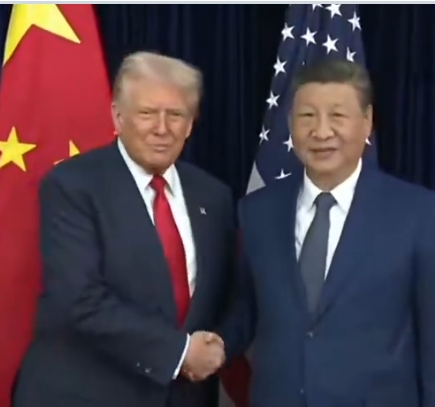
Why Beijing’s refusal to recognise American sanctions marks a structural shift in global financial power A legal border moved across the international system when China’s Ministry of Commerce instructed domestic firms not to recognise, enforce, or comply with United States sanctions against five Chinese refineries. Financial globalisation relied upon a silent assumption that American secondary… Continue reading
AI and Digital Control, America, China, economics, Energy, EUROPE, Financial markets, Foreign Policy, Geopolitics, Global Finance, Health, iran, israel, middle east, Mineral Resources, NATO, politics, reserve currency, Russia, warAnti-Foreign Sanctions Law, Belt and Road Initiative, blocking statute, China sanctions law, Chinese refineries, commodity security, cross-border finance, de-dollarisation, dollar hegemony, economic statecraft, energy geopolitics, energy security, extraterritorial jurisdiction, extraterritorial sanctions, financial coercion, financial decoupling, game theory in geopolitics, geopolitical economy, geopolitical risk, global financial order, global order transition, global supply chains, great power competition, international political economy, Iranian oil trade, legal sovereignty, multipolarity, realist international relations, sanctions compliance, sanctions enforcement, sanctions policy, sanctions resistance, secondary sanctions, sovereign jurisdiction, strategic autonomy, Strategic Competition, systemic rivalry, trade fragmentation, U.S. Treasury sanctions, U.S.–China relations, yuan internationalisation -
U.S. Financial Losses Signal Market Breakdown and Risk of Economic Contraction

Energy disruption, inflation, rising debt costs, and global repricing of U.S. assets place sustained pressure across the entire economic system A sharp break in United States financial markets during the final week of March 2026 raised the risk of a broader economic contraction extending beyond equities into the core functions of the economy and its… Continue reading
AI and Digital Control, America, China, economics, Energy, EUROPE, Financial markets, Foreign Policy, Geopolitics, Global Finance, iran, israel, middle east, Mineral Resources, NATO, politics, reserve currency, Russia, warbond yields, capital flows, currency movements, economic contraction, energy crisis, federal reserve, Financial markets, geopolitical risk, global economy, inflation, interest rates, Iran conflict, labour market, layoffs, Lebanon conflict, liquidity, market volatility, Oil Prices, stagflation, stock market decline, Strait of Hormuz, systemic risk, Treasury market, US dollar, US economy -
How Donald Trump’s Pre-Market Statements Shape Oil Prices To Buy Time During the Unprovoked Iran Conflict
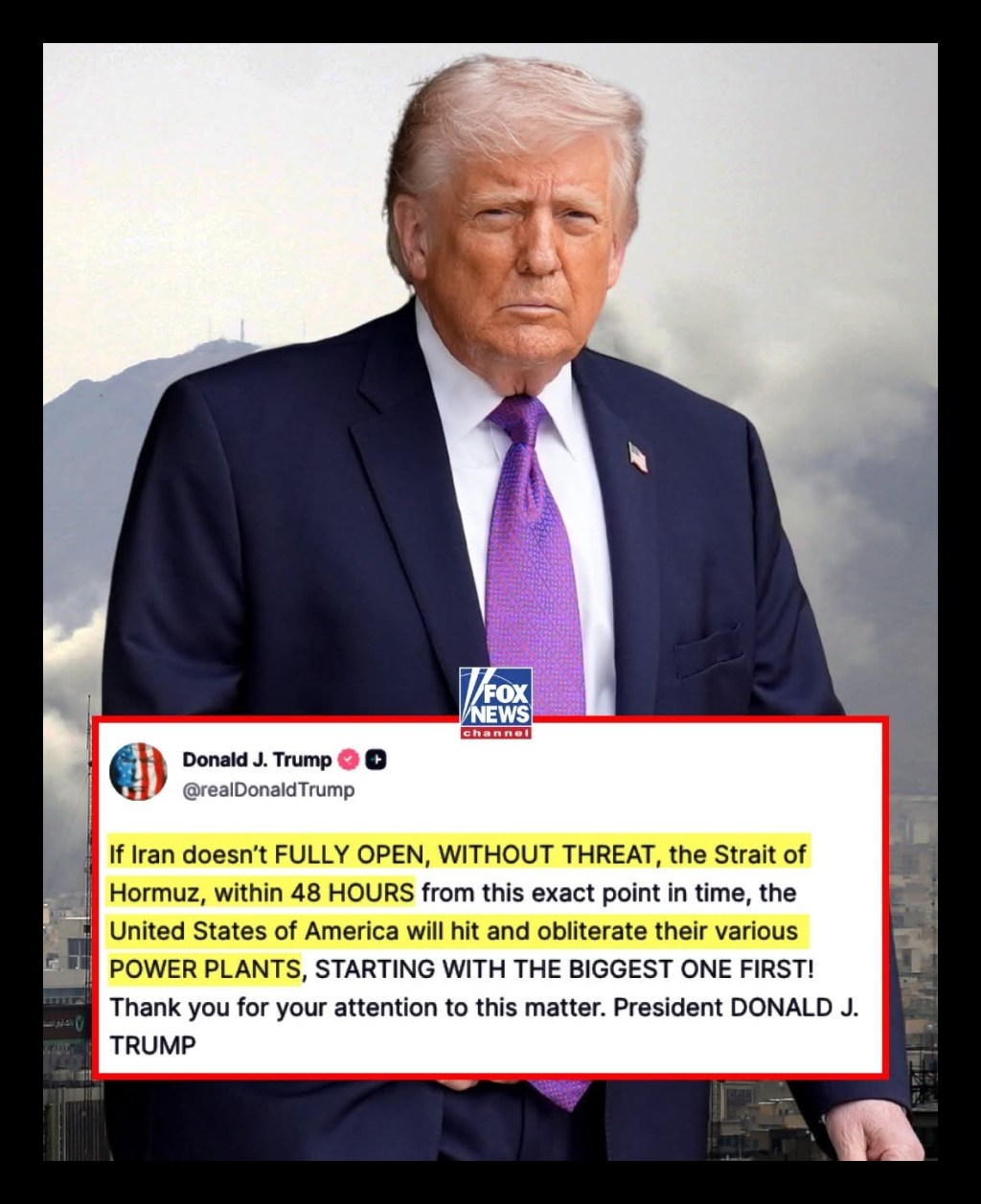
Repeated cycles of reassurance followed by unchanged conflict conditions show messaging functioning as a temporary volatility management tool rather than a reflection of reality Statements issued by Donald Trump over the past three weeks show a repeatable interaction between political messaging and immediate market response, with timing, content, and outcome forming a consistent sequence rather… Continue reading
AI and Digital Control, America, economics, Energy, EUROPE, Financial markets, Foreign Policy, Geopolitics, Global Finance, iran, israel, middle east, Mineral Resources, NATO, politics, warbond markets, crude oil pricing, donald trump, energy prices, equity market reaction, Financial markets, geopolitical risk, investor behaviour, Iran conflict, Iranian foreign policy, market signalling, market volatility, oil markets, risk perception, sanctions, Strait of Hormuz, strategic communication, supply disruption, United States policy, war messaging -
Tungsten Prices Soar as China’s Export Controls Threaten Western Economies and Military Supply Chains

Tungsten, vital for weapons and industry, is becoming increasingly scarce under export bans and geopolitical pressure Industrial metals markets are under severe strain as demand rises sharply and supply tightens across key inputs. Prices for strategic materials linked to defence production have moved higher across global markets since late 2024. The London Metal Exchange and… Continue reading
AI and Digital Control, America, economics, Energy, EUROPE, Financial markets, Foreign Policy, Geopolitics, Global Finance, iran, israel, middle east, Mineral Resources, NATO, politics, reserve currency, technology, warChina export controls, commodity markets, critical minerals, defence supply chains, dual-use materials, energy sector, European Union, geopolitical risk, global commodities, industrial metals, manufacturing, metal prices, military production, mining industry, NATO, raw materials, strategic minerals, supply chain disruption, tungsten, tungsten shortage, US Department of Defense -
Gulf States Caught in the Crossfire
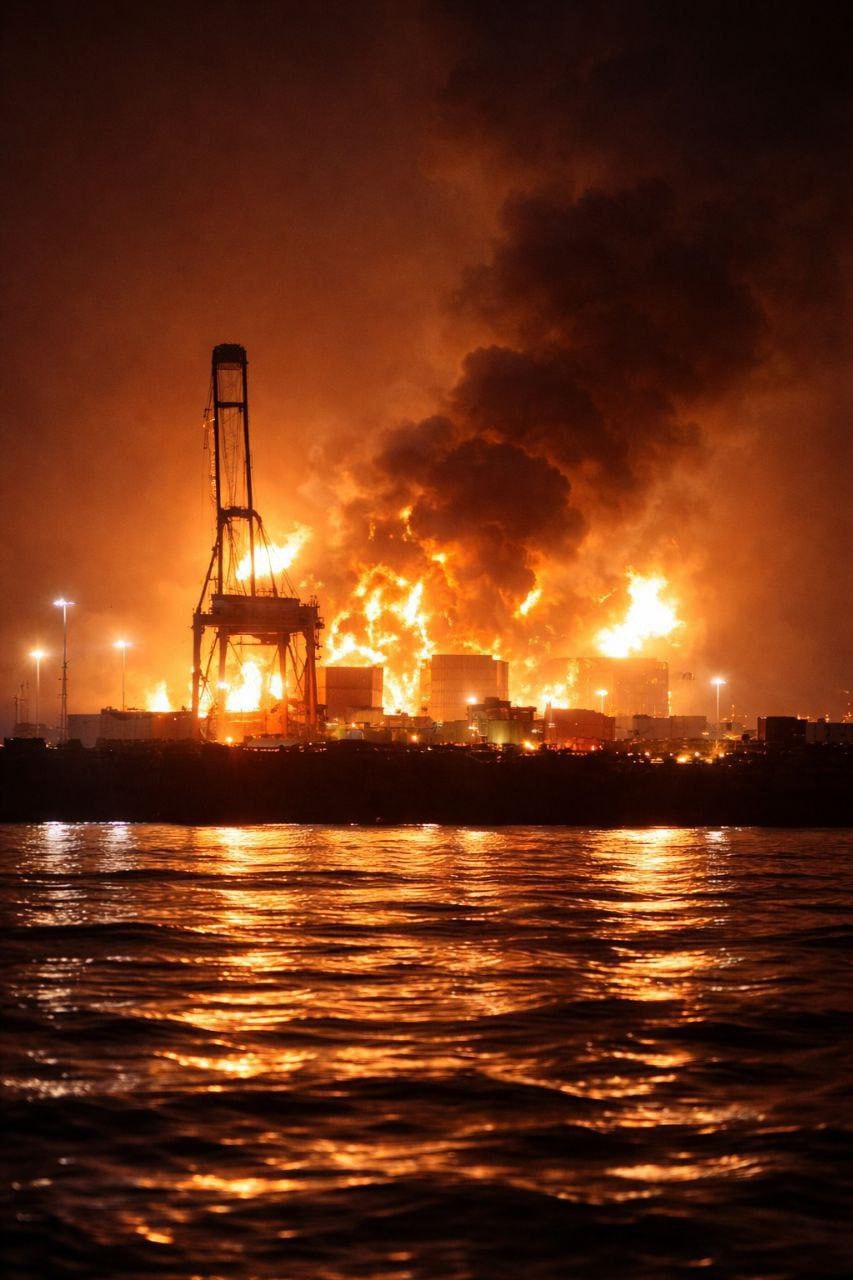
How decades of reliance on Washington expose the Gulf to economic and military vulnerabilities Resentment is quietly mounting across the capitals of the Gulf Cooperation Council, as a convergence of strategic, economic, and political pressures forces a reassessment of long-standing alliances with Washington. Reports emerging from Riyadh, Abu Dhabi, and Doha suggest that these states… Continue reading
-
The Strategic Centrality of the United States Fifth Fleet in Gulf Power Politics
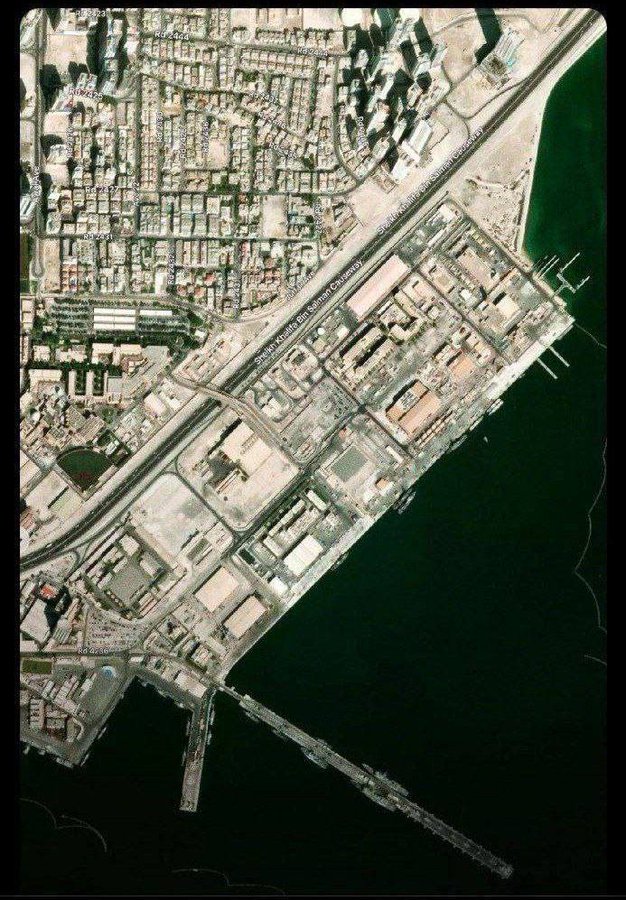
Why Iran Regards the Naval Command in Bahrain as the Core Instrument of American Maritime Dominance in the Middle East Iran’s sustained focus on the United States Fifth Fleet, headquartered in Manama, Bahrain, must be understood within the broader geopolitical contest that has shaped the Persian Gulf since the end of the Cold War. The… Continue reading
-
Nuclear Transfer Allegations and Black Sea Sabotage Claims Raise Direct NATO-Russia Confrontation Risk

Russian claims of covert nuclear transfers to Ukraine and Black Sea pipeline sabotage point to escalation risks beyond conventional war, with consequences for non-proliferation and EU energy security Recent statements from Vladimir Putin and Russia’s Foreign Intelligence Service have introduced allegations that certain NATO members are considering the covert transfer of nuclear weapons components to… Continue reading
