
Energy on the Brink as the Middle East Escalation Triggers Global Fallout
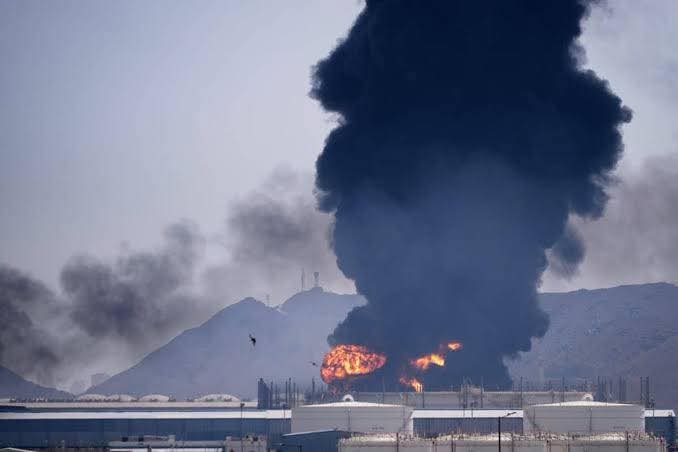
Global energy markets have entered a state of heightened volatility following Israeli strikes on Iran’s South Pars gas field, prompting retaliatory action that has sent ripple effects across the region and the world. South Pars, shared with Qatar where it is known as the North Field, is the world’s largest natural gas reserve, and targeting it represents a significant escalation. Energy infrastructure of this scale is typically treated as a red line in conflicts because its disruption has immediate and widespread economic consequences. The recent strikes highlight the risks of a regional confrontation evolving into a global energy crisis, particularly for Europe and Asia, which rely heavily on liquefied natural gas imports from the Gulf. Arab governments have reportedly expressed anger at Israel’s attack and frustration that the United States failed to prevent it, warning that the escalation could put energy infrastructure across Gulf countries at risk. Some officials view the strikes as a wake-up call, underscoring the precariousness of critical energy assets in the region.
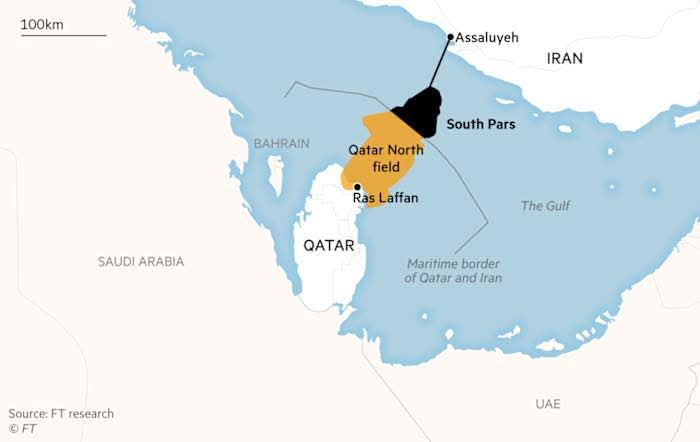
US President Donald Trump responded with an unprecedented threat, warning that the United States could “massively blow up” the South Pars field if Tehran continued targeting Qatari energy facilities. While he assured that no further Israeli attacks would strike South Pars, his remarks link military escalation directly to the destruction of critical economic infrastructure. Such a strategy would not only undermine Iran’s energy capacity but would also disrupt Qatar’s production and global gas supply, effectively weaponizing energy markets. This signals a shift toward coercive economic warfare and raises the stakes for direct US involvement, potentially drawing the conflict further into an international crisis. The Pentagon has reportedly requested over $200 billion to fund the war against Iran, far exceeding current costs, though the proposal is expected to face significant opposition in Congress as debate over the conflict continues.
Iran’s retaliatory strikes on Qatari energy facilities, which Doha says caused extensive damage, demonstrate a willingness to escalate beyond Israel and impose costs on other regional actors aligned with the United States. By targeting Qatar, a key LNG supplier to Europe, Tehran is increasing pressure on Western-aligned states and testing the resilience of global energy networks. European gas prices responded sharply, with Dutch TTF futures surging nearly 30 percent in a single day, reaching levels last seen during the 2022 energy crisis. Oil prices also climbed, with Brent crude surpassing $112 per barrel and US WTI approaching $100, driven by Iran’s de facto blockade of the Strait of Hormuz, one of the world’s most critical maritime chokepoints. Sustained disruption in this corridor could trigger naval responses from multiple powers and accelerate long-term efforts to diversify energy sources and stockpile reserves.
Russia has framed these developments as a potential tipping point. Kremlin spokesman Dmitry Peskov and presidential envoy Kirill Dmitriev warned that strikes on gas infrastructure could escalate instability across the Middle East and destabilize global energy markets. Russia’s position reflects both economic and strategic calculations: rising energy prices may offer short-term benefits, but uncontained escalation threatens global demand and financial stability. Moscow’s statements also serve a diplomatic function, positioning Russia as a potential mediator and highlighting Western responsibility for regional destabilization.
The geopolitical stakes extend beyond energy markets. Iranian Foreign Minister Abbas Araghchi condemned reports that the Pentagon is seeking $200 billion for a potential war with Iran, labeling it part of a broader “Israel First” agenda that he said imposes a “trillion-dollar tax” on the American public. Araghchi also criticized France for calling for a moratorium on attacks against energy infrastructure, noting that Western appeals for restraint emerged only after Tehran struck Qatar, and that prior US-Israeli strikes on Iran had gone uncondemned. These statements reflect Iran’s ongoing narrative of resistance and highlight the difficulties of achieving credible diplomatic intervention in a rapidly escalating conflict.
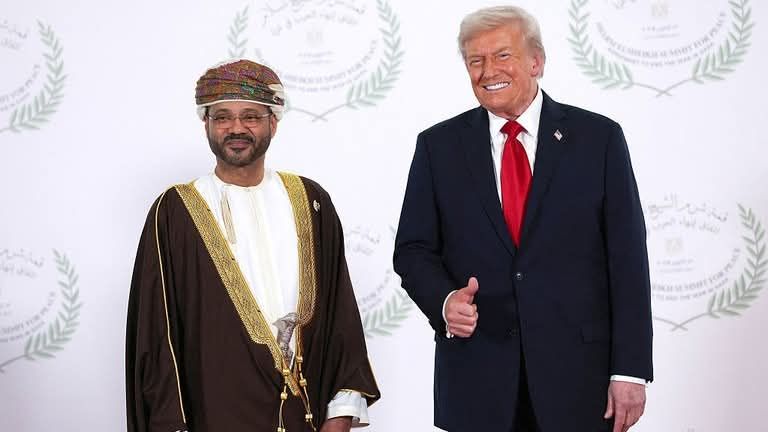
Oman’s Foreign Minister Badr Albusaidi echoed these concerns, asserting that the United States has been drawn by Israel into an “unlawful war” with Iran and now requires help to disengage. He called on US allies to acknowledge that Washington “has lost control” of its own foreign policy, noting that two parties, US and Iran, stand to gain nothing from the war. Albusaidi stressed that renewed negotiations, potentially mediated by Gulf states, could offer a pathway forward despite the current hostility.
The military dimension of the conflict has intensified simultaneously. Iranian media published footage claiming that air defenses had severely damaged a US F-35 fighter jet over central Iran, marking the first reported instance of an American aircraft being struck by Iranian defenses since hostilities escalated in late February. US sources cited by CNN confirmed that a jet made an emergency landing, though the pilot remained in stable condition. If verified, such incidents would challenge assumptions about US air superiority and the effectiveness of advanced stealth platforms, with implications for regional operational planning.
Israel has also expanded the geographic scope of its operations. The Israel Defense Forces claimed for the first time that it struck Iranian missile ships in the Caspian Sea, targeting auxiliary vessels, patrol boats, Navy headquarters, and repair and maintenance infrastructure. Extending military operations into the Caspian region raises the risk of unintended escalation with bordering powers, including Russia, and signals a widening of the conflict beyond its original theater.
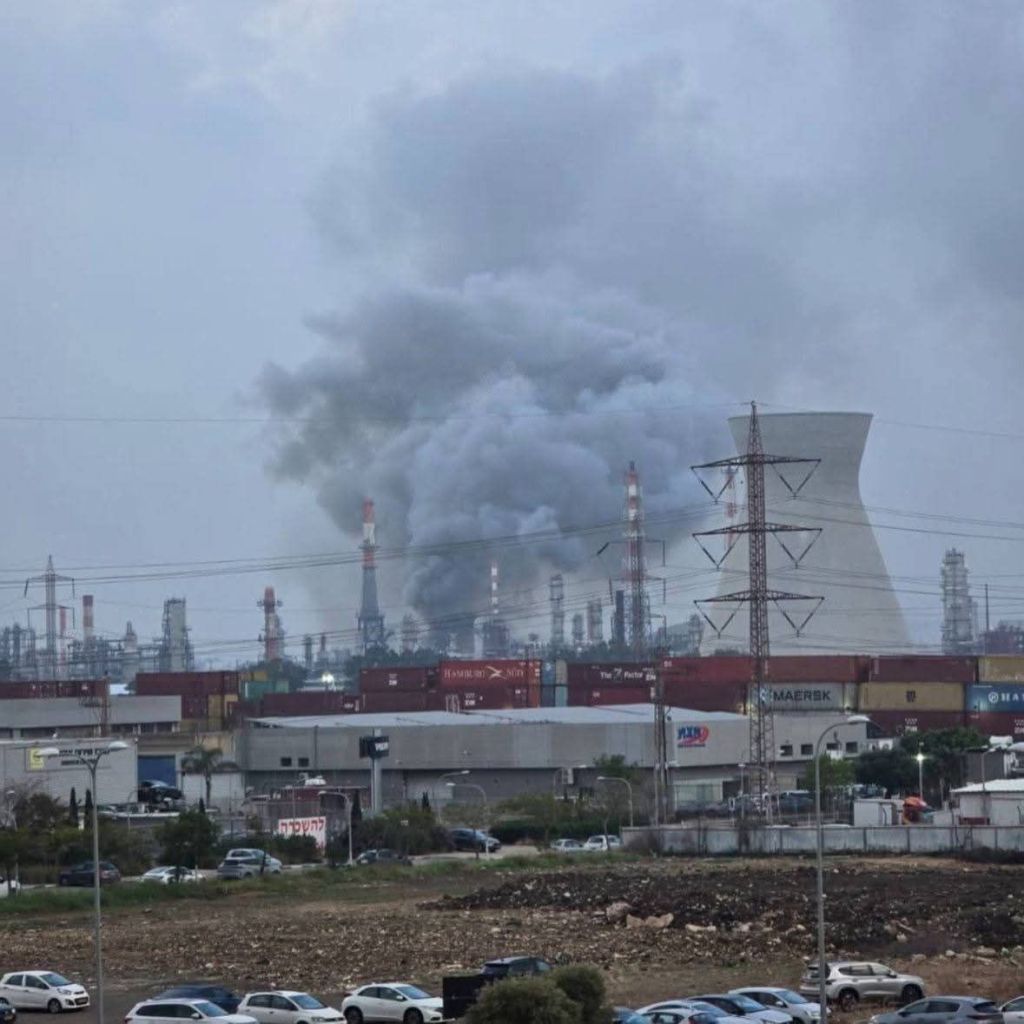
Within Israel, Iranian missile strikes reportedly caused a fire at the Bazan oil refinery in Haifa, the country’s largest and most critical fuel production facility, while surrounding suburbs experienced power outages. Targeting domestic energy infrastructure reflects a pattern of reciprocal attacks designed to degrade resilience and impose economic costs, indicating a shift toward a strategy of attrition that combines military and economic pressure.
The conflict has also endangered journalists. Israeli airstrikes injured RT correspondent Steve Sweeney and his cameraman Ali Rida in Lebanon, prompting condemnation from Kremlin spokesperson Dmitry Peskov. The Israel Defense Forces stated that warnings had been issued regarding the area but did not directly acknowledge the RT crew. Analysts, including former US defense officials, suggested that the proximity of the blast indicates deliberate targeting, underscoring the risks to journalists in conflict zones and the intensifying information war surrounding the conflict.
Additional incidents highlight the complex regional fallout. Iranian female footballers were harassed in Australia by a supporter of the former monarchy, reflecting the wider societal repercussions of the conflict and its ideological dimensions. Former CIA officer Philip Giraldi argued that continued US strikes on Iran and the killing of high-ranking officials will harden Iranian resistance and make future negotiations with Washington nearly impossible, warning that only a US withdrawal and acknowledgment of strategic missteps could restore any chance for diplomacy. Former US National Counterterrorism Center head Joe Kent claimed that Israel and allied media figures ran a “misinformation campaign” to push Washington toward war with Iran, while former Saudi intelligence chief Prince Turki al-Faisal asserted that Israeli Prime Minister Benyamin Netanyahu convinced Trump to support Israel’s agenda against Tehran.
Meanwhile, German defense contractor Rheinmetall warned that missile stockpiles in Europe, the United States, and the Middle East are nearly exhausted due to heavy use of drones and munitions in the conflict. This constraint highlights structural limits in industrial capacity, revealing that prolonged high-intensity warfare could strain not only regional actors but also the global defense supply chain.
Taken together, the recent escalation reflects a convergence of military, economic, and geopolitical pressures. Attacks on critical energy infrastructure, expanded military operations, diplomatic friction among Gulf allies, and rapid depletion of military resources indicate that the conflict is moving toward systemic instability. The implications extend well beyond the immediate region, threatening global energy markets, testing alliance dynamics, and challenging strategic assumptions about deterrence, resilience, and the conduct of modern warfare.
Authored By: Global GeoPolitics
Thank you for visiting. If you believe journalism should serve the public, not the powerful, and you’re in a position to help, becoming a PAID SUBSCRIBER truly makes a difference. Alternatively you can support by way of a cup of coffee:
https://buymeacoffee.com/ggtv |
https://ko-fi.com/globalgeopolitics |
Bitcoin: 3NiK8BoRZnkwJSHZSekuXKFizGPopkE7ns


Leave a comment