
LNG
-
The Proxy Doctrine: How Washington Wages War Through Tel Aviv While Feigning Ignorance
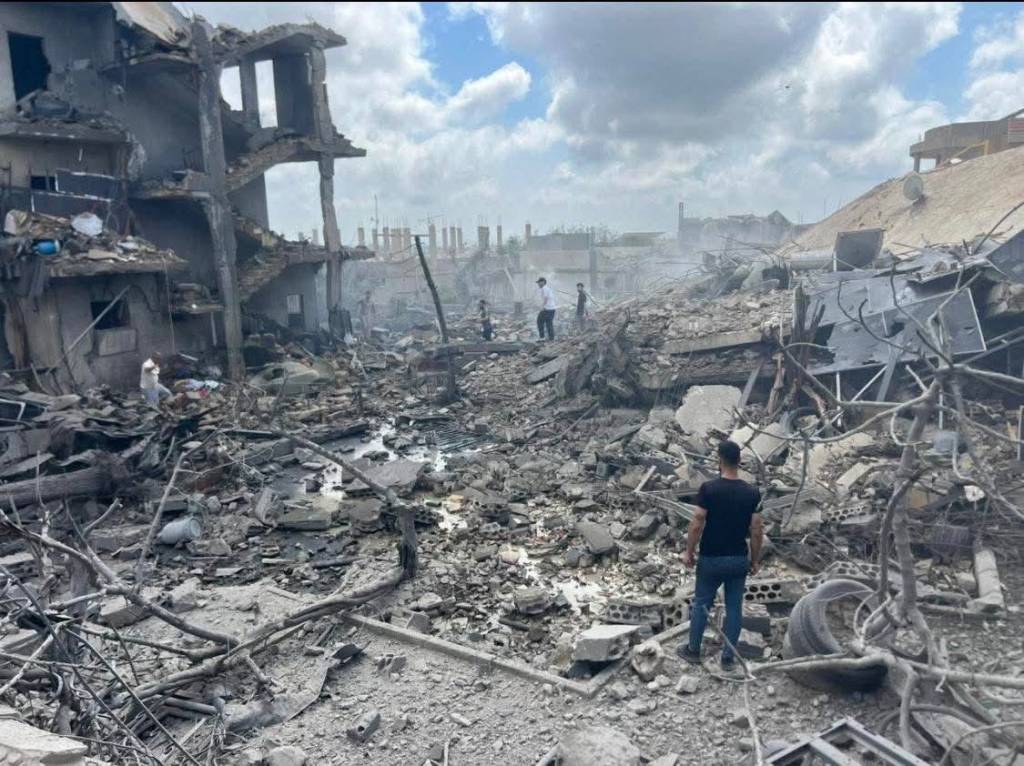
Washington’s long-prepared campaign Tehran operates through Israeli military assets, diplomatic theatre, and a calculated energy strategy designed to reshape Asia’s supply dependencies On 8 June 2026, Israeli aircraft struck Iranian military targets hours after Iran launched missiles toward Israel, and American officials promptly announced that United States forces had played no part in the operation.… Continue reading
-
Do Not Underestimate the United States (Editorial Version)

An analytical examination of the US blockade on Iran, the systematic disruption of energy flows to Asia, and the long-term campaign to isolate China The United States Navy’s deployment of FA-18 Super Hornets to conduct strafing attacks against Iranian commercial tankers in the Gulf of Oman on 6 and 8 May 2026, three vessels targeted,… Continue reading
AI and Digital Control, America, China, economics, Energy, EUROPE, Financial markets, Foreign Policy, Geopolitics, Global Finance, iran, israel, middle east, Mineral Resources, NATO, politics, reserve currency, Russia, South East Asia, waralliance systems, Brian Berletic, Brookings Institution, China, deindustrialisation, economic warfare., energy security, Energy Warfare, Eurasia, Eurasian integration, Geopolitics, global energy markets, global trade routes, great power competition, Indo-Pacific, industrial policy, international relations, iran, LNG, maritime chokepoints, Maritime Strategy, NATO, Nord Stream, proxy warfare, RAND Corporation, Russia, sanctions, sanctions policy, Strait of Hormuz, Strait of Malacca, Strategic Competition, Ukraine war, United States foreign policy, US Navy -
Do Not Underestimate the United States (Long Version)

Why the United States Seeks Control of Supply Routes Rather Than Conventional Victory American power has repeatedly been misread during prolonged geopolitical confrontations because commentators continue measuring strategic success through the narrow lens of immediate battlefield outcomes rather than through cumulative institutional, economic, and infrastructural transformation across decades. Independent geopolitical analyst Brian Berletic argued during… Continue reading
AI and Digital Control, America, China, East Africa, economics, Energy, EUROPE, Financial markets, Foreign Policy, Geopolitics, iran, israel, middle east, NATO, politics, reserve currency, Russia, waralliance systems, Brian Berletic, Brookings Institution, China, deindustrialisation, economic statecraft, economic warfare., energy geopolitics, energy security, Energy Warfare, Eurasia, Eurasian integration, geopolitical risk, Geopolitics, global energy markets, global trade routes, great power competition, Indo-Pacific, industrial policy, international relations, iran, LNG, maritime chokepoints, Maritime Strategy, military strategy, NATO, Nord Stream, proxy warfare, RAND Corporation, Russia, sanctions, sanctions policy, Strait of Hormuz, Strait of Malacca, Strategic Competition, strategic studies, supply chains, Ukraine war, United States foreign policy, US Navy, US-China relations -
A Division of Labour in WarA Division of Labour in War
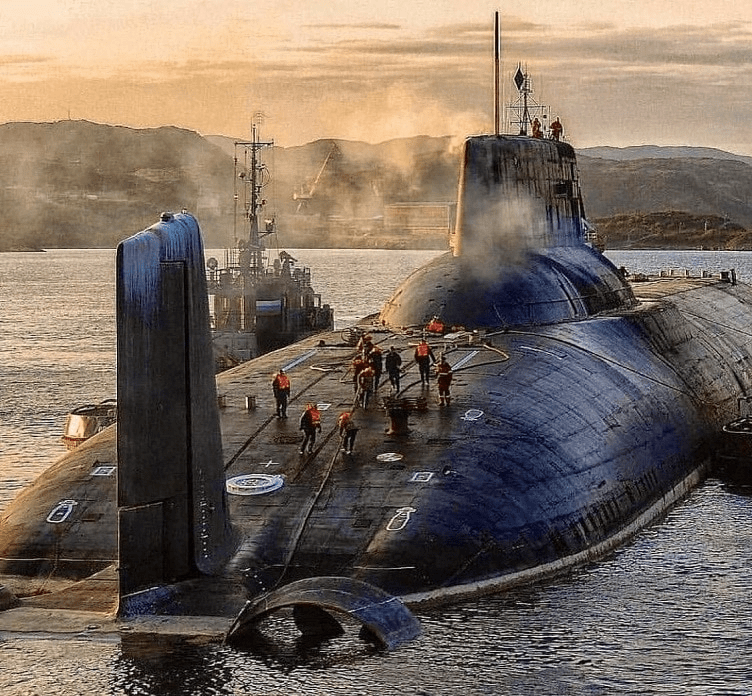
The Transfer of Strategic Burden from Washington to Europe in the Ukraine Conflict The Ukraine conflict has entered a phase in which military attrition matters less than institutional transfer. Washington no longer behaves as a state attempting to terminate a costly war through settlement. It behaves as a system reallocating operational responsibility to subordinate allies… Continue reading
AI and Digital Control, America, China, economics, Energy, EUROPE, Financial markets, Foreign Policy, Geopolitics, Global Finance, iran, israel, middle east, Mineral Resources, NATO, politics, Russia, warAlliance Politics, burden sharing, China, defence spending, energy markets, energy security, European Union, Geopolitics, global fragmentation, great power competition, hegemonic stability theory, Indo-Pacific, international relations, iran, LNG, middle east, military strategy, multipolarity, NATO, Nord Stream, proxy warfare, realism, Russia, Russia-Ukraine conflict, sanctions, security architecture, strategic sequencing, Ukraine war, United States foreign policy -
From Hormuz to Diego Garcia? Iranian Escalatory Strike Capacity Unravels Western Military Assumptions
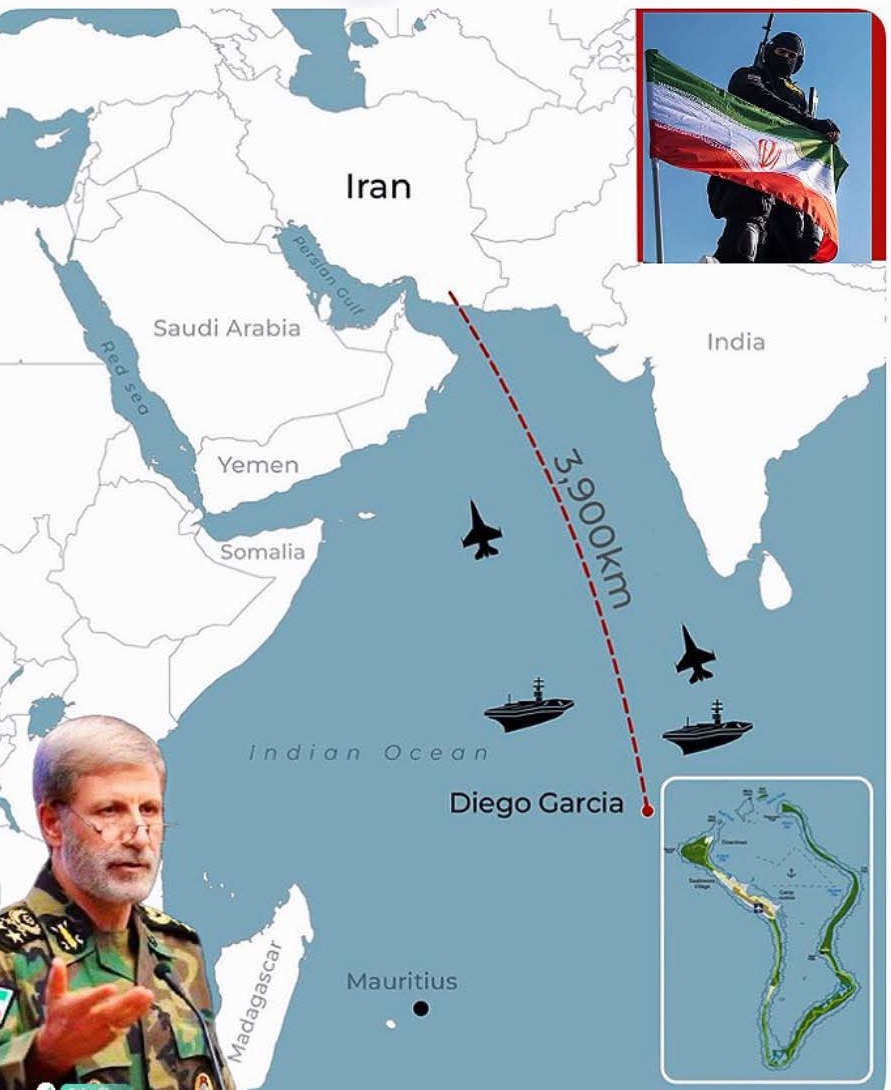
Iranian long-range strike capability, chokepoint control, and infrastructure targeting reshape military balance and global energy systems The conduct of the war has followed a discernible pattern in which Iranian actions have progressively expanded both in scale and technical demonstration, producing cumulative strategic effects that were not anticipated within prevailing Western assessments. Early assumptions regarding the… Continue reading
-
The Unlawful War Now Threatens The World
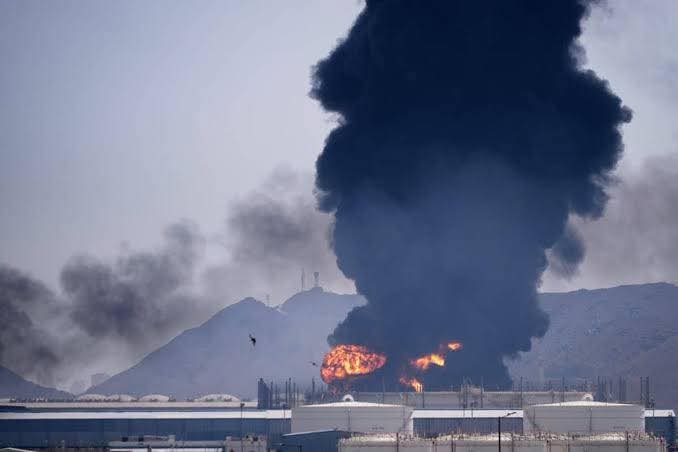
Energy on the Brink as the Middle East Escalation Triggers Global Fallout Global energy markets have entered a state of heightened volatility following Israeli strikes on Iran’s South Pars gas field, prompting retaliatory action that has sent ripple effects across the region and the world. South Pars, shared with Qatar where it is known as… Continue reading
