
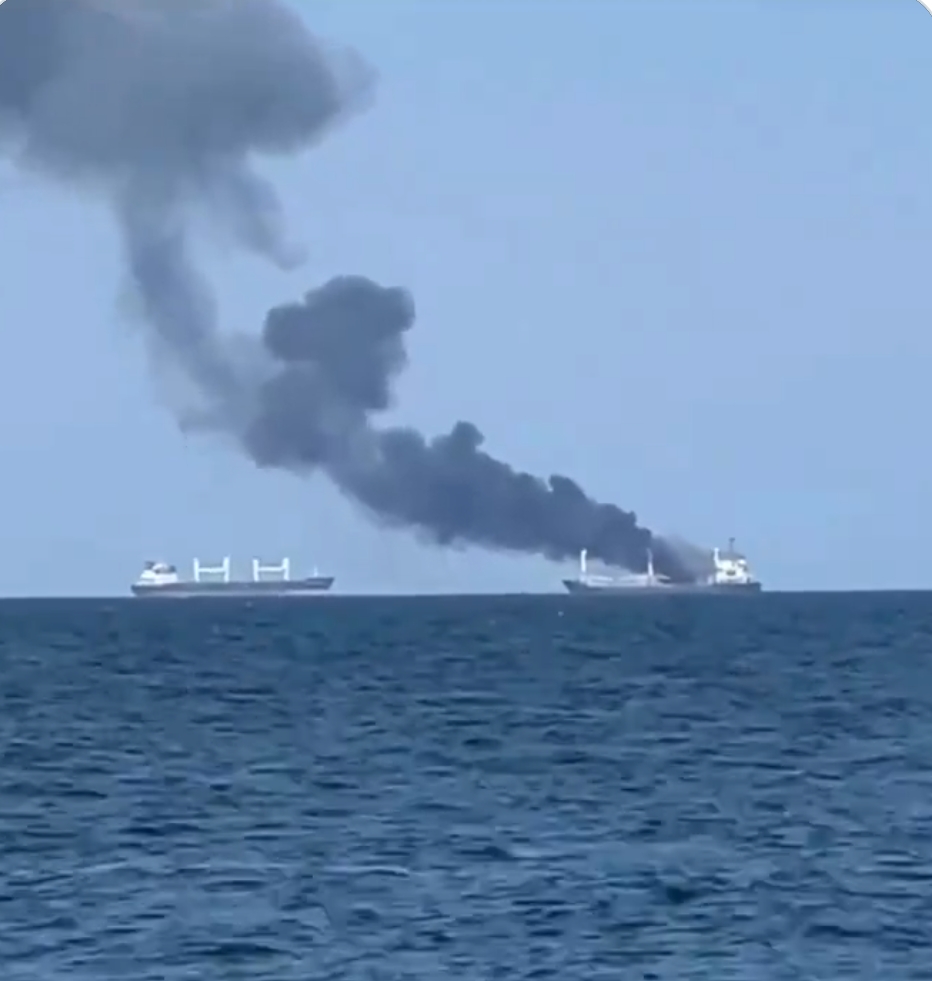
As Moscow escalates strikes on ports and maritime infrastructure, Ukraine faces mounting military, economic, and logistical pressure, prompting an emergency appeal to the UN Security Council.
Ukraine has requested an emergency meeting of the UN Security Council after Russia effectively blocked its Black Sea shipping corridor.
Foreign Minister Andrii Sybiha said Russian attacks on at least three civilian cargo vessels in recent days have killed and injured dozens of crew members. He added that no ships have been able to use Ukraine’s maritime corridor during the peak harvest season. Kyiv accuses Russia of deliberately targeting civilian shipping in an effort to disrupt global food security.
Russia’s campaign against Ukraine’s maritime logistics is no longer limited to isolated strikes on ports. It has evolved into a broader effort to degrade the infrastructure that underpins both Ukraine’s military sustainment and its export economy. Since mid-July, Russian forces have intensified attacks on ports, fuel depots, warehouses, rail connections, and river logistics hubs linked to Odessa, Chornomorsk, Yuzhny, and Izmail. These facilities play a central role in moving military supplies, fuel, and commercial cargo, while repeated strikes also place increasing pressure on Ukraine’s air defense network.
The implications extend well beyond the coastline. Maritime routes have become one of Ukraine’s most important channels for receiving Western military aid, including artillery ammunition, air defense interceptors, armored vehicles, and other equipment. Any prolonged disruption to these supply lines complicates logistics, increases delivery times, and adds pressure to stockpiles that are already under strain after more than three years of high-intensity warfare.
Recent Russian strikes against Kyiv and defense-industrial facilities have demonstrated another element of Moscow’s strategy. Large-scale missile and drone attacks force Ukraine to expend valuable interceptor missiles while simultaneously targeting production sites involved in repairing or manufacturing military equipment. Sustained pressure of this kind could gradually reduce Ukraine’s ability to replenish losses and defend critical infrastructure.
The economic consequences are equally significant. Ukraine depends heavily on Black Sea exports, particularly grain, agricultural products, and industrial goods, to generate foreign currency revenue. Damage to ports along the Black Sea and Danube, combined with rising shipping insurance costs and growing risks for commercial vessels, increases transportation costs and reduces export capacity. If these trends continue, government revenues could come under additional pressure at a time when Ukraine remains heavily dependent on external financial assistance.
Should Russia maintain its pressure on Ukraine’s port infrastructure and maritime logistics, Kyiv could face a widening set of military, economic, and infrastructure challenges. Persistent disruptions to ammunition deliveries and air defense supplies would make it increasingly difficult to sustain defensive operations across multiple fronts. Continued shortages of interceptor missiles could leave military bases, command centers, industrial facilities, and energy infrastructure more exposed to Russian missile and drone strikes.
A deterioration in Ukraine’s air defense coverage would also increase the risk of widespread damage to the national power grid. Repeated attacks on electricity generation and transmission infrastructure could lead to prolonged blackouts, disrupt industrial production, and complicate civilian life, particularly during periods of high seasonal demand. At the same time, strikes on rail networks, bridges, and fuel storage facilities would further complicate military logistics by slowing the movement of personnel, equipment, and supplies.
Economically, a sustained reduction in maritime exports would deprive Ukraine of one of its principal sources of foreign exchange earnings. Lower export revenues would widen budget deficits and increase reliance on continued Western financial support through loans and grants. Over the longer term, if domestic revenues remain insufficient to sustain government spending and reconstruction efforts, Ukraine could become even more dependent on international creditors and foreign investment, limiting its economic flexibility during and after the conflict.
The diplomatic outlook has also hardened. Expectations for a breakthrough following the latest meeting between Russian Foreign Minister Sergey Lavrov and U.S. Secretary of State Marco Rubio quickly faded after the talks in Manila concluded in just 37 minutes without any visible progress. While both sides described the discussion as frank, Rubio acknowledged that previous proposals had failed and said new ideas would be required, while Lavrov reiterated Russia’s commitment to proposals that Moscow says were accepted during the 2025 Alaska summit. The meeting highlighted a widening gap between Washington and Moscow over both the substance of negotiations and even the status of earlier diplomatic understandings.
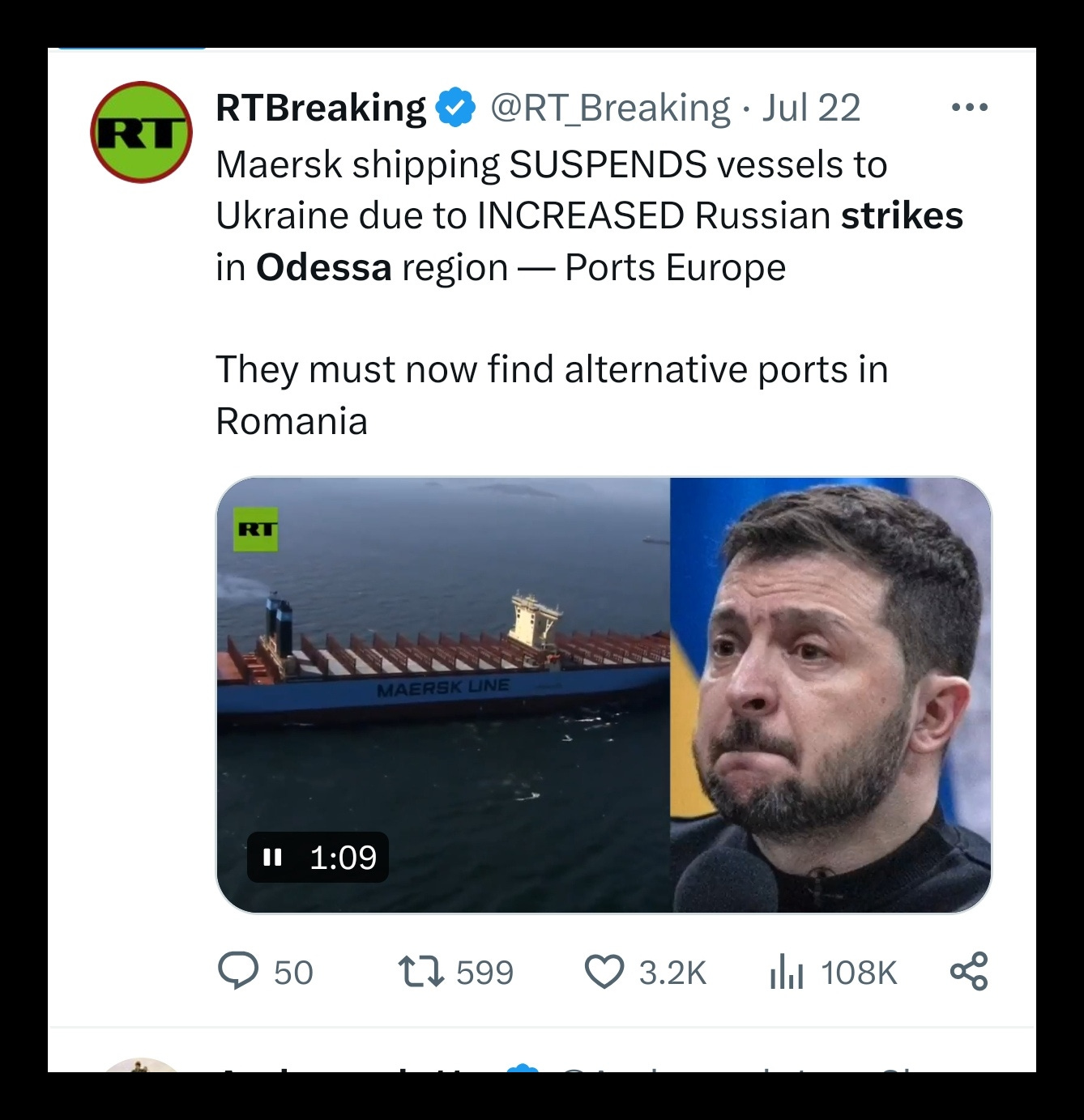
From Moscow’s perspective, there is little incentive to return to another round of negotiations unless the political realities on the battlefield are reflected in the terms of any agreement. Russian officials have repeatedly argued that every month the conflict continues strengthens Moscow’s negotiating position as its forces continue to advance while Ukraine becomes increasingly dependent on Western military and financial support. The Kremlin has consistently warned that any future settlement will become less favorable to Kyiv the longer the war continues, arguing that delays only result in additional territorial losses and tougher Russian demands.
Russian officials also argue that NATO has strategic incentives to prolong the conflict. From Moscow’s perspective, the alliance can weaken a major geopolitical rival by supporting Ukraine without committing its own forces directly. Russian commentators point to what they describe as the collapse of earlier U.S. proposals discussed during the Alaska summit, while also criticizing several European governments for rejecting direct engagement with Moscow in favor of continued military support for Kyiv. Whether or not this assessment is accepted in Western capitals, it has become a central assumption shaping Russian diplomatic strategy.
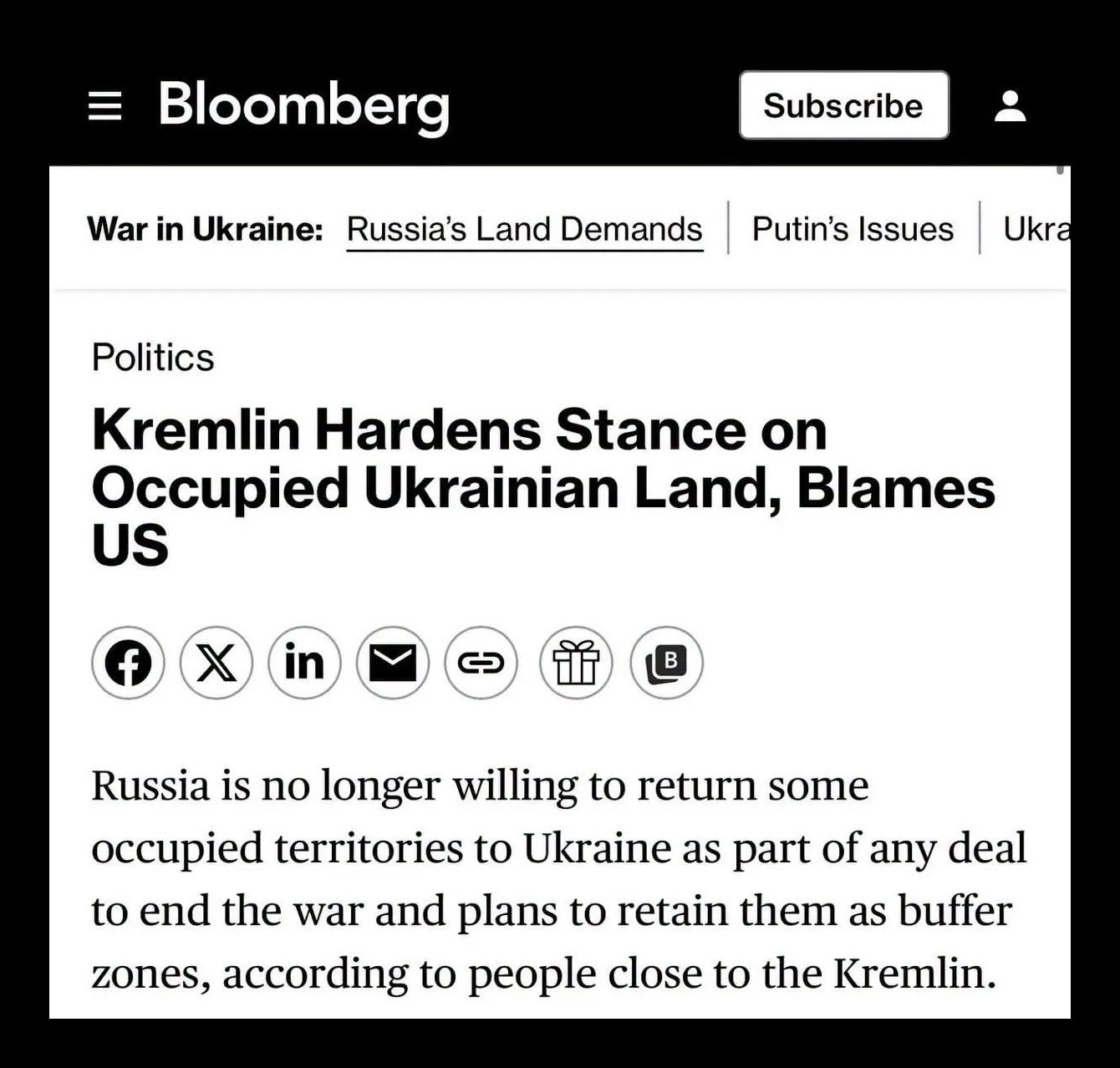
Territory has consequently become Russia’s primary source of negotiating leverage. Russian policymakers appear to calculate that offering identical peace terms after additional months of fighting would remove any incentive for NATO-backed Ukraine to negotiate, since continued military assistance could be provided without imposing direct costs on alliance members. Instead, Moscow has increasingly signaled that any future settlement would begin with the framework discussed during the 2022 Istanbul negotiations but would also reflect subsequent changes on the battlefield, including additional territorial concessions from Ukraine. In practical terms, Russia is seeking to establish a negotiating formula in which the price of peace rises as the war continues, creating incentives for earlier rather than later diplomacy.
This logic is not unique to Russian strategic thinking. RAND Corporation’s 2019 report, “Extending Russia,” examined how the United States could increase strategic pressure on Moscow through a range of military, economic, and geopolitical measures, including greater support for Ukraine, while also cautioning that escalation carried risks if it ultimately resulted in Russia consolidating additional strategically important territory. Although written before the full-scale invasion, the study illustrates how both Moscow and NATO have viewed the conflict through the broader lens of long-term strategic competition rather than solely the immediate military campaign.
The battle for the Black Sea has therefore become about far more than shipping lanes alone. Control over Ukraine’s maritime access increasingly shapes the country’s military endurance, economic resilience, and ability to sustain the war effort. As Russia intensifies its campaign against ports and logistics infrastructure, the strategic importance of the Black Sea continues to grow, making it one of the conflict’s most decisive theaters.
Authored By: Global GeoPolitics
If you prefer to make a one time donation in support of my work, you can do so by clicking any link below:
https://donate.stripe.com/7sY8wPfvi864don0k3awo07 |
https://buymeacoffee.com/ggtv |
https://ko-fi.com/globalgeopolitics |
Bitcoin: 3NiK8BoRZnkwJSHZSekuXKFizGPopkE7ns
References
RAND Corporation (2019) Extending Russia: Competing from Advantageous Ground. Santa Monica, CA: RAND Corporation. Available at: https://www.rand.org/pubs/research_reports/RR3063.html (Accessed: 23 July 2026).
Reuters (2026) Rubio says US committed to helping end Ukraine war after meeting Lavrov. 23 July. Available at: https://www.reuters.com/world/rubio-says-us-committed-helping-end-ukraine-war-after-meeting-lavrov-2026-07-23/ (Accessed: 23 July 2026).
Reuters (2026) Russia’s Lavrov contradicts Rubio, calls for clarity on US mediation role. 26 June. Available at: https://www.reuters.com/world/europe/russias-lavrov-contradicts-rubio-calls-clarity-us-mediation-role-2026-06-26/ (Accessed: 23 July 2026).
Reuters (2026) Lavrov tells Rubio of Russian decision to strike Kyiv sites linked to military. 25 May. Available at: https://www.reuters.com/world/lavrov-tells-rubio-russian-decision-strike-kyiv-sites-linked-military-2026-05-25/ (Accessed: 23 July 2026).
Office of the President of Ukraine
(2022) During the negotiations with Russia, the Ukrainian delegation officially outlined its proposals for a new system of security guarantees for our country. 29 March. Available at: https://www.president.gov.ua/en/news/na-peregovorah-iz-rosiyeyu-ukrayinska-delegaciya-oficijno-pr-73933 (Accessed: 23 July 2026).
Official Turkish Government
Republic of Türkiye Directorate of Communications (2022) Meeting of Russia-Ukraine negotiation delegations in İstanbul ends. 29 March. Available at: https://www.iletisim.gov.tr/english/haberler/detay/meeting-of-russia-ukraine-negotiation-delegations-in-istanbul-ends (Accessed: 23 July 2026).
UK Parliament Research (excellent secondary source summarising the Istanbul draft)
UK House of Commons Library (2025) Developments in Ukraine peace talks (April to June 2025). Research Briefing CBP-10251. Available at: https://researchbriefings.files.parliament.uk/documents/CBP-10251/CBP-10251.pdf (Accessed: 23 July 2026).
Official U.S. State Department
U.S. Department of State (2022) Department Press Briefing – November 7, 2022. Available at: https://2021-2025.state.gov/briefings/department-press-briefing-november-7-2022/ (Accessed: 23 July 2026).
RAND Corporation (for the “Extending Russia” argument)
RAND Corporation (2019) Extending Russia: Competing from Advantageous Ground. Available at: https://www.rand.org/pubs/research_reports/RR3063.html (Accessed: 23 July 2026).


Leave a comment