
maritime security
-
Russia Tightens the Noose Around Ukraine’s Black Sea Lifeline
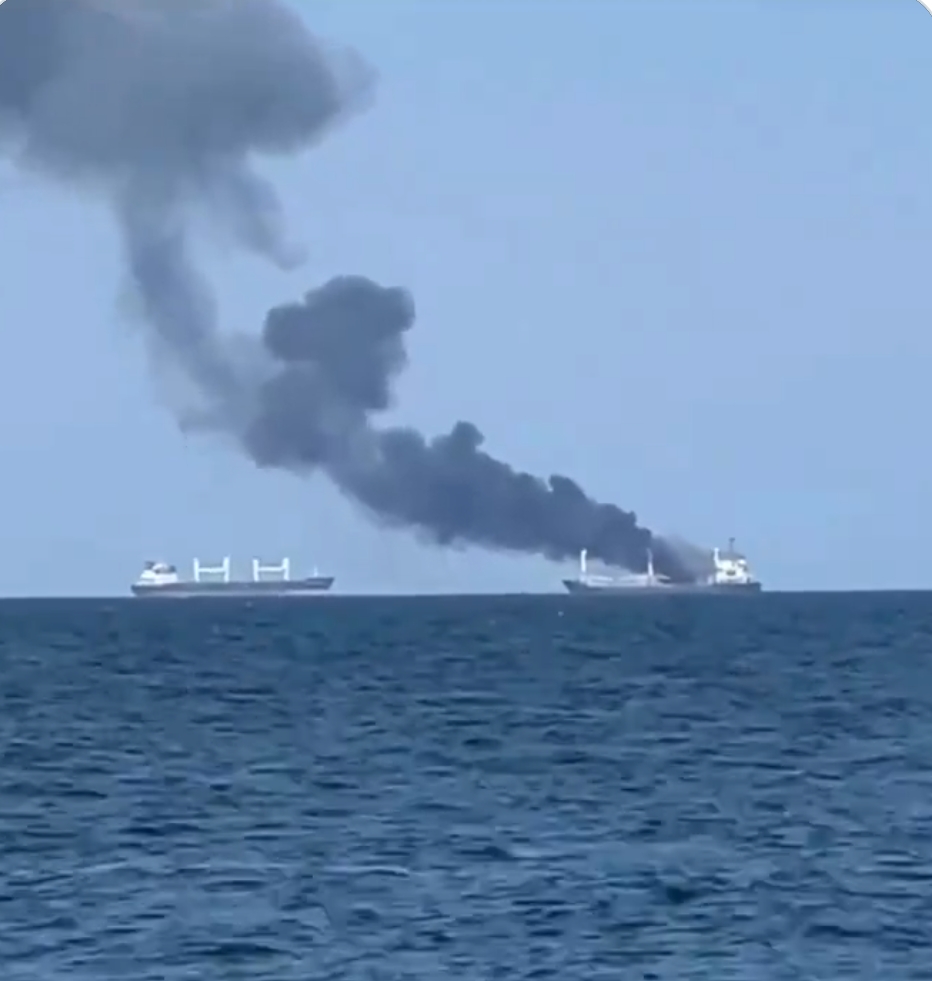
As Moscow escalates strikes on ports and maritime infrastructure, Ukraine faces mounting military, economic, and logistical pressure, prompting an emergency appeal to the UN Security Council. Ukraine has requested an emergency meeting of the UN Security Council after Russia effectively blocked its Black Sea shipping corridor. Foreign Minister Andrii Sybiha said Russian attacks on at… Continue reading
-
Reading Between the Lines: Why Rezaee’s CNN Interview Is More About Messaging Than Negotiation
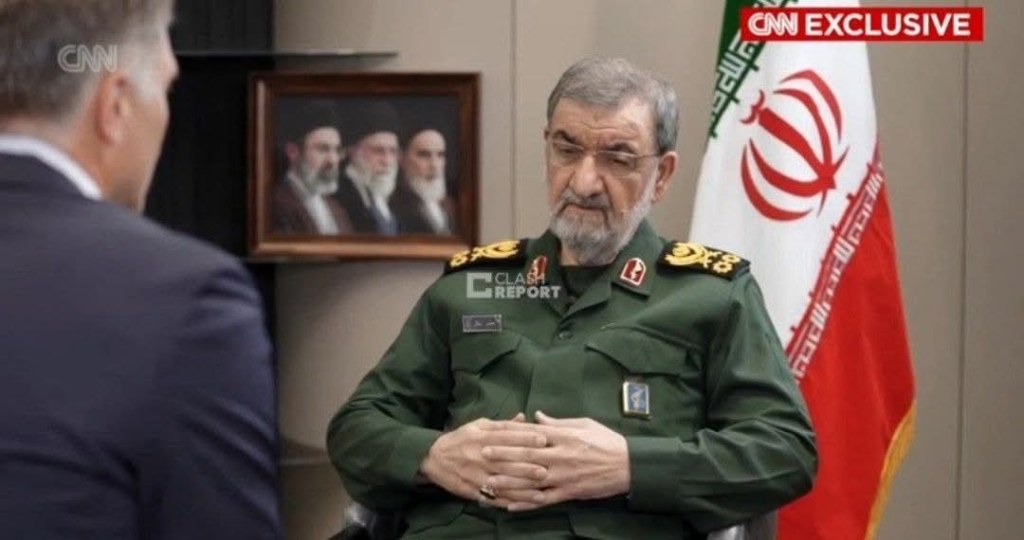
Tehran does not expect negotiations to produce a breakthrough, it wants to shape the narrative around any future escalation My reading of Rezaee’s CNN interview is that it is primarily directed at Western audiences and the cameras, not because Tehran genuinely expects negotiations to produce a breakthrough, but because it wants to shape the narrative… Continue reading
AI and Digital Control, America, Financial markets, Foreign Policy, Geopolitics, Global Finance, imperialism, iran, israel, middle east, Mineral Resources, NATO, neocolonialism, politics, South East Asia, warBab al-Mandab, British Empire Legacy, CNN Interview, Colonial Borders, conflict analysis, diplomacy, escalation, Foreign Affairs, GCC, geopolitical risk, Geopolitics, Geostrategy, Gulf Monarchies, Gulf States, information warfare, international relations, iran, Iran US relations, Long War, maritime security, middle east, Middle East politics, Middle East Transformation, Mohsen Rezaee, multipolar world order, Persian Gulf, political legitimacy, political stability, power projection, Red Sea security, Regime Security, Regional Conflict, Regional Order, Regional Realignment, security studies, state formation, Strategic Affairs, strategic messaging, US foreign policy, West Asia -
Iran Targets Undersea Internet Cables in Strait of Hormuz

Tehran’s new licensing plan for foreign fiber optic cables increases pressure on US tech companies and adds another layer to growing global infrastructure tensions. Iran has announced a new plan to charge fees for underwater internet cables passing through the Strait of Hormuz. Iranian media connected to the Islamic Revolutionary Guard Corps said companies such… Continue reading
AI and Digital Control, America, Geopolitics, iran, israel, middle east, Mineral Resources, NATO, politics, warblockade risk, cable landing stations, choke point control, customs control, digital infrastructure, economic warfare., energy trade route, freedom of navigation, geopolitical control, global energy supply, Here are clean comma-separated tags for your topic: Iran, Hormuz Strait, international waters law, Iranian Revolutionary Guard Corps, IRGC, LNG shipping, maritime chokepoint, maritime logistics, maritime security, maritime tariffs, naval control, naval escort system, oil shipping route, oil transport, Persian Gulf, port authority, sanctions enforcement, shipping insurance, shipping lanes, shipping regulation, shipping toll booth, Strait of Hormuz, strategic waterways, submarine communications cables, tanker traffic, telecommunications cables, territorial waters, toll system, transit fees, UNCLOS, undersea cables, vessel inspection -
Next Stop: Strait of Malacca
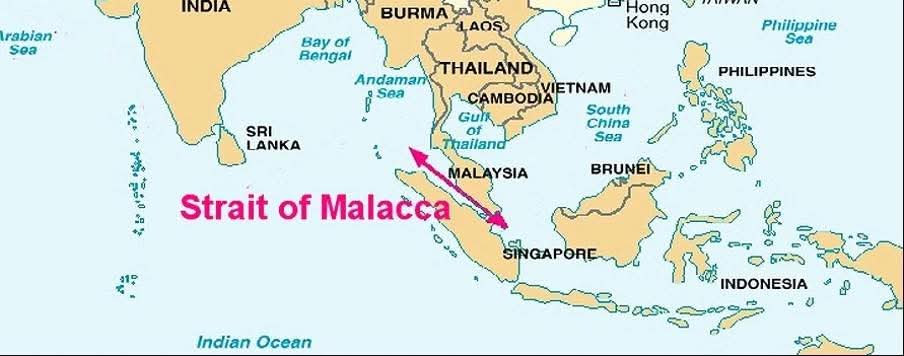
From Hormuz blockade logic and the extension of maritime leverage into East Asian energy supply chains American naval forces have expanded interdiction operations beyond the Persian Gulf into the wider Indian Ocean along established commercial shipping routes. Recent seizures of tankers including the Tifani and Majestic X occurred in waters between Sri Lanka and Indonesia… Continue reading
-
The United States Prepared for a Naval Blockade It Cannot Win
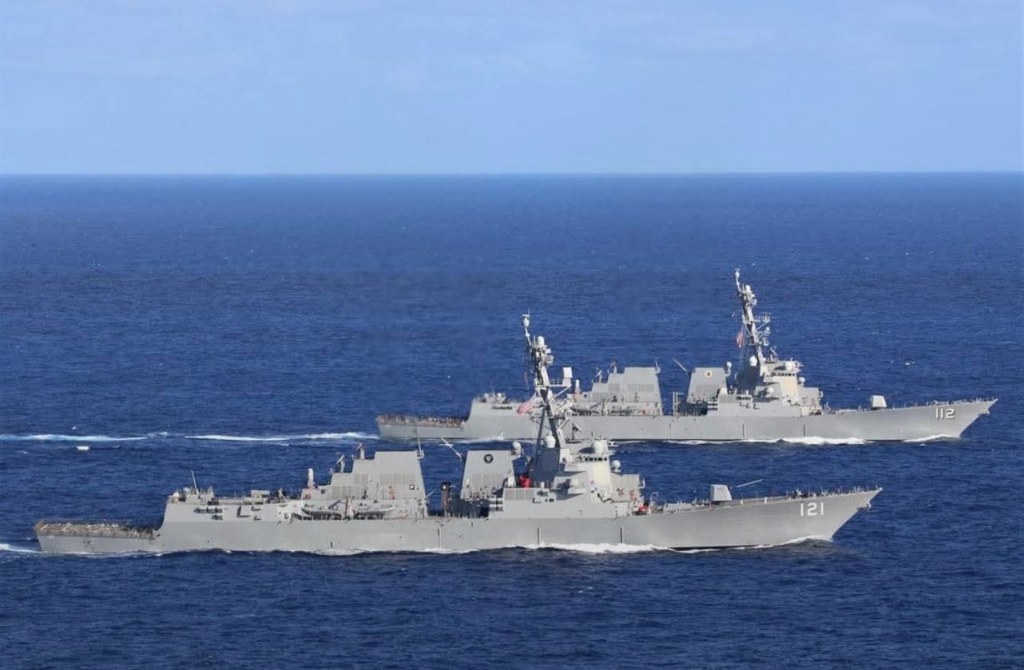
A blockade of the Strait of Hormuz exposes the gap between American power projection and its tolerance for loss The proposed American blockade of the Strait of Hormuz is a strategic gamble in which the conditions for failure are much easier to reach than the conditions required for success. Washington is preparing to commit a… Continue reading
AI and Digital Control, America, China, economics, Energy, EUROPE, Financial markets, Foreign Policy, Geopolitics, Global Finance, iran, israel, middle east, NATO, reserve currency, Russia, waranti-ship missile systems, asymmetric warfare, chokepoint strategy, defence policy analysis, Drone Warfare, economic disruption, energy geopolitics, geopolitical escalation, global oil supply, international maritime law, Iran military doctrine, maritime security, Middle East conflict, military risk assessment, naval power projection, Strait of Hormuz blockade, strategic deterrence, US naval strategy -
Gate of Tears, Strait of No Return

How simultaneous chokepoint warfare has trapped global trade between two narrowing exits, a strategic game the West cannot easily exit The Houthi declaration of entry into the war alters the structure of the conflict in a measurable way that can be tested against known data on maritime flows, energy dependency, escalation theory, and capital market… Continue reading
AI and Digital Control, America, economics, Energy, EUROPE, Financial markets, Foreign Policy, Geopolitics, iran, israel, middle east, NATO, politics, Russia, warasymmetric warfare, bab el mandeb, chokepoint warfare, economic warfare., energy crisis, energy infrastructure attacks, Escalation dynamics, Financial markets, Game Theory, Geopolitics, global inflation, global trade disruption, houthis, Iran strategy, maritime security, Middle East conflict, multipolar world order, oil markets, oil price volatility, petrodollar system, proxy warfare, red sea crisis, regime resilience, shipping routes, sovereign debt risk, Strait of Hormuz, strategic endurance, supply chains, Ukraine-Russia war, Yemen war -
Trump’s Hormuz Coalition
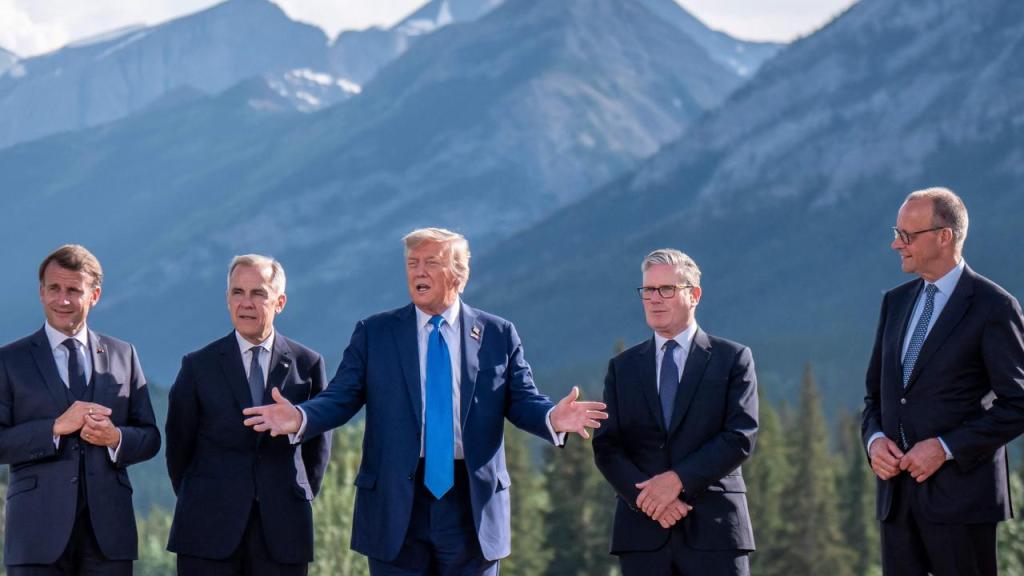
European and allied leaders join Washington’s Hormuz coalition while public opposition and legal questions remain unaddressed Recent decisions by Keir Starmer, Emmanuel Macron, Friedrich Merz, Giorgia Meloni, Rob Jetten, Sanae Takaichi, and Mark Carney mark a coordinated shift in policy towards direct support for United States operations in the Strait of Hormuz. Public statements issued… Continue reading
-
The United States-Israel Attack on Iran During Negotiations
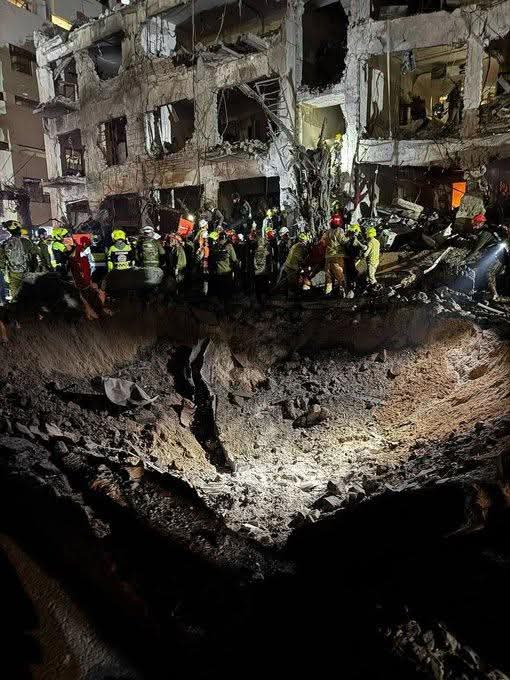
How an Unprovoked Attack on Iran Amid Active Negotiations, Triggered A Regional War and Closure of the Strait of Hormuz United States and Israeli forces initiated coordinated unprovoked strikes against Iranian nuclear and military infrastructure during active negotiations in Geneva, where Omani intermediaries had conveyed cautious optimism following reported Iranian concessions. Targets included enrichment facilities… Continue reading
AI and Digital Control, America, economics, Energy, EUROPE, Financial markets, Foreign Policy, Geopolitics, Global Finance, israel, middle east, NATO, politics, Russia, warballistic missile programme, China energy security, civilian casualties, Geneva nuclear talks, girls school airstrike, global energy markets, great power rivalry, Iran deterrence doctrine, Israel–Iran war, maritime security, Middle East escalation, nuclear dismantlement demands, oil supply disruption, Oman mediation, regional fragmentation strategy, Russia Iran ties, sanctions relief dispute, Strait of Hormuz closure, strike during negotiations, US foreign policy, US–Iran conflict, zero enrichment policy -
BRICS needs strategic maritime cooperation – Putin aide

Why BRICS is moving toward maritime cooperation and why it has not become a military alliance Cooperation between the navies of member countries would help protect sea lanes, Nikolay Patrushev has said,speaking to Argumenty i Fakty (meaning “arguements and facts” ), a Russian weekly newspaper. ‘Our key task is building a multipolar order at sea.… Continue reading
