
Technology transfer, an empty Russian embassy in London and explicit threats of strikes on production sites mark a decisive hardening of the European-Russian confrontation over Ukraine
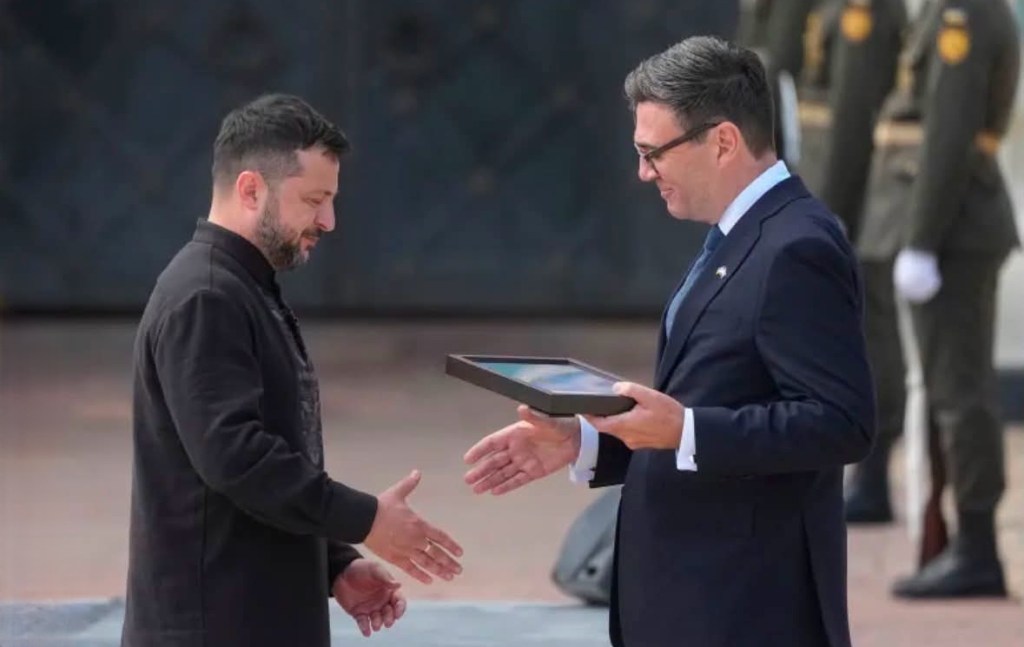
British Prime Minister Andy Burnham arrived in Kyiv on 24 August 2026 for his first overseas engagement since taking office, coinciding with the thirty-fifth anniversary of Ukrainian independence. During the visit he announced that the United Kingdom government had authorised the defence manufacturer MBDA to release classified information concerning British-made components of the Storm Shadow cruise missile, known in France as SCALP. The transfer is designed to support French and Ukrainian plans to establish local production lines inside Ukraine by the end of the year. Burnham framed the step as evidence that Britain remains fully committed to Ukraine’s defence at a moment when American willingness to share comparable technology, particularly for Patriot interceptors, has been more limited.
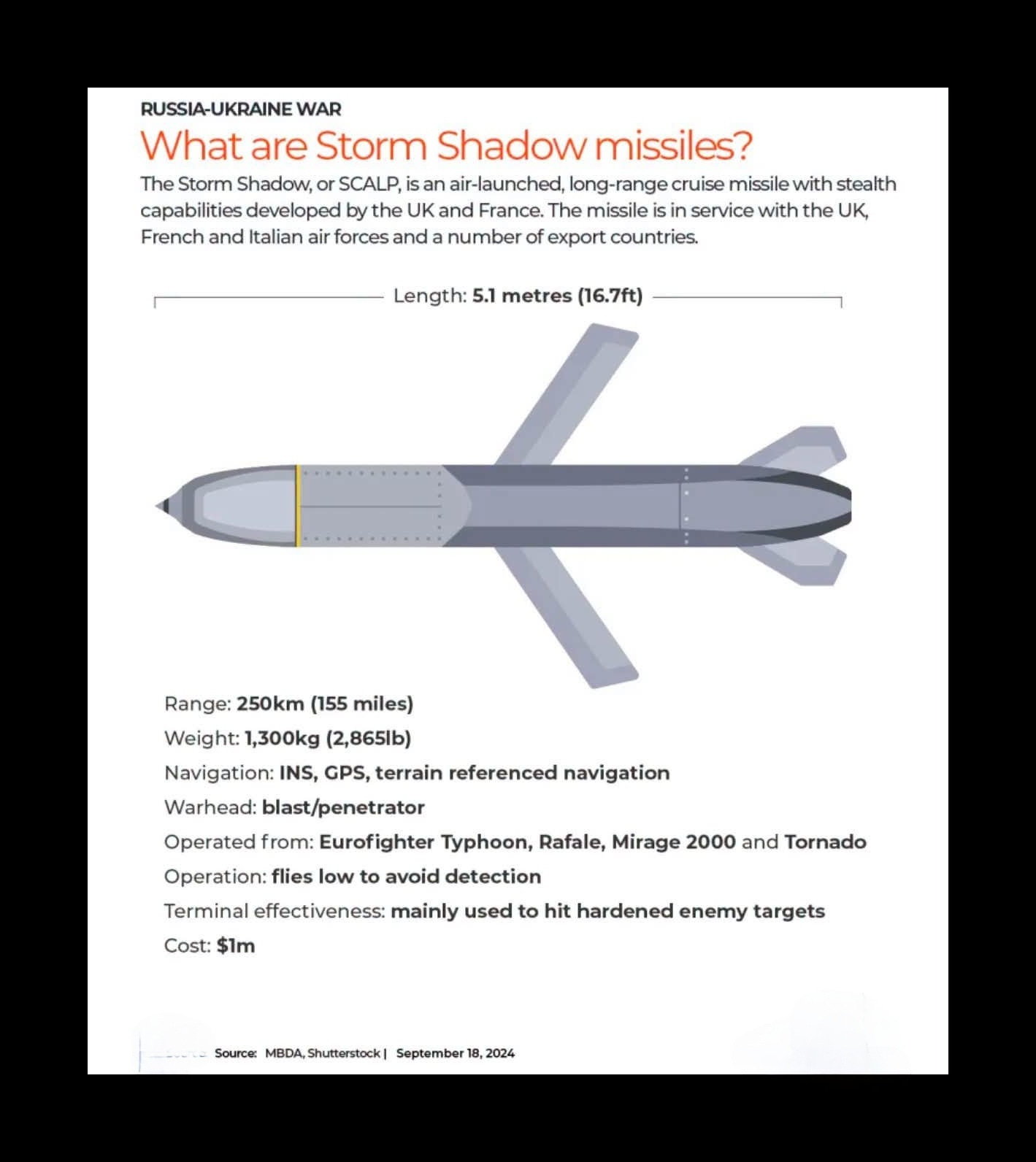
The Storm Shadow is a conventionally armed, air-launched cruise missile with a range of approximately 560 kilometres. Ukrainian forces have already employed British and French-supplied versions against hardened targets, including naval facilities in Crimea and industrial sites inside Russia. Domestic manufacture would allow Kyiv to increase the volume of such precision strikes beyond the constrained stocks previously transferred by European partners. Analysts note that Ukraine’s wartime defence industry has demonstrated rapid adaptation, yet the complexity of the system, its reliance on international supply chains and the presence of certain sensitive technologies mean that full-scale production will face both technical and security obstacles. Missile plants inside Ukraine would themselves become high-value targets for Russian long-range systems.
Moscow’s reaction was immediate and unequivocal. Kremlin spokesman Dmitry Peskov stated that Britain is “participating in this war on the side of the Kyiv regime” and is “adding fuel to the fire.” He indicated that Russian intelligence is actively seeking the locations of any future production facilities so that they can be destroyed. The warning follows an earlier embassy statement in London that deeper British involvement would carry “consequences” and that the price paid by the United Kingdom would rise accordingly. These verbal escalations acquire additional weight from the simultaneous confirmation that Russia has withdrawn its ambassador, Andrey Kelin, who left London on 21 July after more than seven years in post. No replacement has been nominated, leaving the embassy under a chargé d’affaires. Russian officials have attributed the decision to Britain’s “path of confrontation” and have expressed the hope that a more constructive relationship might one day resume if London revises its policy.
The withdrawal of Ambassador Andrey Kelin without a nominated successor represents a qualitative departure from previous post-Cold War crises. In 2006, 2007 and 2018 Russia responded to British expulsions and accusations with strictly reciprocal measures while keeping its ambassador in place. The present decision therefore signals that Moscow no longer sees value in maintaining a senior diplomatic channel. At the same time, Britain’s capacity for further conventional escalation is tightly constrained. Active-duty troop numbers stand at their lowest level since the Napoleonic Wars, ammunition stocks are reported sufficient for less than a day of high-intensity combat, and the United Kingdom possesses no operational defence against ballistic missiles. These material limits sit uneasily beside political rhetoric that continues to frame the conflict in existential terms.
Russian officials have indicated that the practical response to any Ukrainian production of Storm Shadow-type missiles will be the identification and destruction of the relevant facilities. Ukraine’s air-defence situation has deteriorated sharply; Patriot interceptor stocks are exhausted and the 2026 defence budget was largely consumed in the first half of the year by drone production. Under these conditions, Russian long-range strikes face fewer obstacles than at any point since 2022. Within the British defence establishment itself, several senior figures have privately or publicly urged the restoration of military-to-military contacts and a more realistic assessment of achievable outcomes, yet the political cost of visible de-escalation remains high for a government that has invested heavily in the language of unwavering support.
The ambassador’s departure removes a senior channel of communication at a time when residual diplomatic contact was already minimal. Britain continues to maintain an ambassador in Moscow, yet the asymmetry underscores the progressive emptying of bilateral mechanisms. Other NATO members have pursued parallel but less dramatic steps: France is the principal partner in the SCALP production initiative, while the Coalition of the Willing, co-chaired by Burnham during the Kyiv visit, continues to coordinate European military and industrial support. The United States remains the largest single provider of certain air-defence systems, yet its reluctance to transfer the underlying technology for Patriot interceptors has left a capability gap that European partners are attempting to fill through measures such as the Storm Shadow data release.
The strategic direction of the escalation is becoming clearer. Britain and France are moving from the supply of finished munitions toward the transfer of production knowledge, thereby embedding their defence industries more deeply in Ukraine’s war effort. Russia is responding by treating that industrial support as direct participation and by signalling that the corresponding facilities will be targeted. Diplomatic representation has been reduced to a formal minimum. The result is a progressive narrowing of off-ramps and an increase in the material stakes for both sides. Whether the technology transfer can be translated into meaningful numbers of missiles before Russian strikes interdict the production sites, and whether European capitals are prepared to absorb the retaliatory costs that Moscow has explicitly threatened, will determine the next phase of the confrontation. For the present, the combination of classified data sharing, an empty ambassadorial post in London and reciprocal warnings of consequences marks a further step away from managed competition and toward open industrial and military entanglement.
Authored By: Global GeoPolitics
If you prefer to make a one time donation in support of my work, you can do so by clicking any link below:
https://donate.stripe.com/7sY8wPfvi864don0k3awo07 |
https://buymeacoffee.com/ggtv |
https://ko-fi.com/globalgeopolitics |
Bitcoin: 3NiK8BoRZnkwJSHZSekuXKFizGPopkE7ns
References
Government of the United Kingdom (2026) *Britain is 100% behind you: Prime Minister Andy Burnham visits Kyiv on Ukrainian Independence Day for first international trip*. London: GOV.UK. Available at: https://www.gov.uk/government/news/britain-is-100-behind-you-prime-minister-andy-burnham-visits-kyiv-on-ukrainian-independence-day-for-first-international-trip (Accessed: 24 August 2026).
The Guardian (2026) ‘Russia withdraws ambassador to UK as Kremlin raises pressure over Ukraine support’, *The Guardian*, 23 August. Available at: https://www.theguardian.com/world/2026/aug/23/russia-withdraws-ambassador-uk-kremlin-pressure-ukraine-andrey-kelin (Accessed: 24 August 2026).
The Guardian (2026) ‘Burnham accuses Russia of “outrageous threats” against UK as he visits Kyiv’, *The Guardian*, 24 August. Available at: https://www.theguardian.com/politics/2026/aug/24/uk-adding-fuel-to-the-fire-by-giving-weaponry-blueprints-to-ukraine-says-russia (Accessed: 24 August 2026).
Kremlin (2026) Remarks by Presidential Press Secretary Dmitry Peskov on British technology transfers to Ukraine, 24 August 2026. Moscow: Kremlin Press Service.
Russian Embassy in the United Kingdom (2026) Statement on the conclusion of Ambassador Andrey Kelin’s diplomatic mission and the state of bilateral relations. London: Embassy of the Russian Federation.
Al Jazeera (2026) Reporting on UK plans to share Storm Shadow/SCALP missile data with Ukraine and associated technical analysis. Available at: https://www.aljazeera.com (Accessed: 24 August 2026).
BBC News (2026) ‘Burnham to hand long-range missile blueprints as he visits Kyiv’, *BBC News*, 24 August. Available at: https://www.bbc.co.uk/news/articles/clyqypkrzq5o (Accessed: 24 August 2026).


Leave a Reply