
Joint navigation route through Iranian waters replaces the UN-backed southern path that US warships have escorted for five months
America’s five-month effort to secure an alternative shipping corridor through the Strait of Hormuz is being rewritten by the very ally that helped establish it. Iran and Oman have agreed to create a temporary joint navigation corridor whose entrance and part of whose exit will pass through Iranian territorial waters, effectively closing the southern route that the United States Navy has been escorting since May.
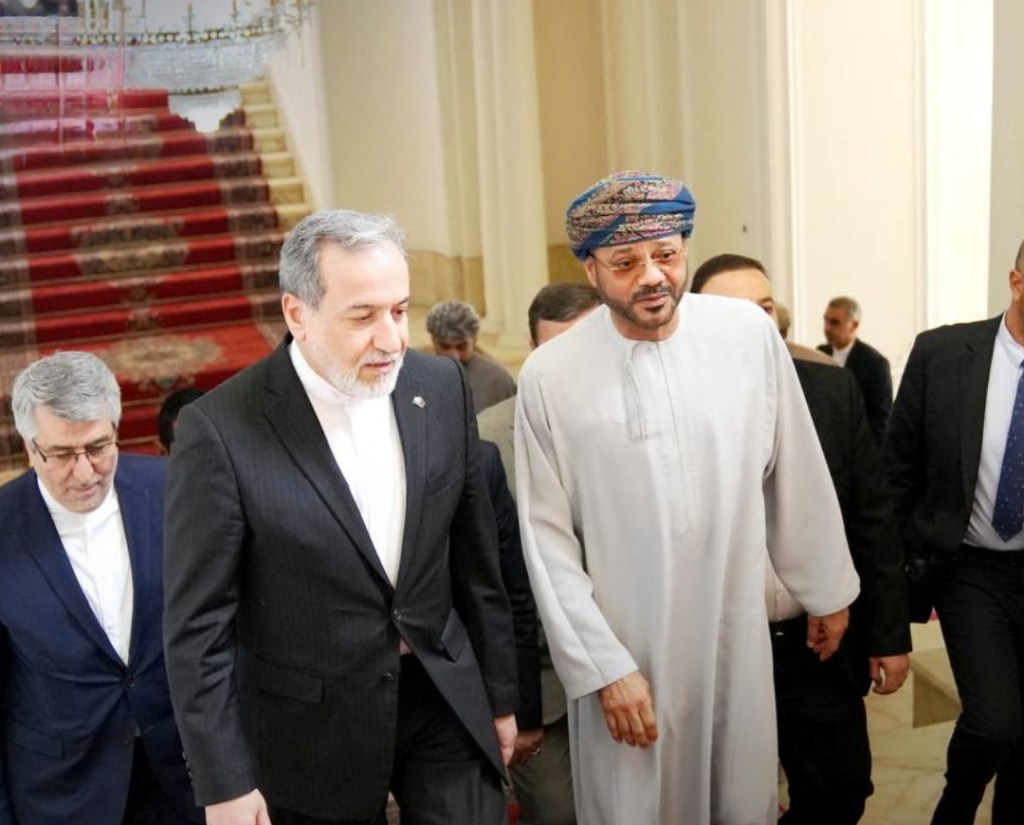
The joint statement issued after Omani Foreign Minister Badr Albusaidi’s talks in Tehran with Iranian Foreign Minister Abbas Araghchi confirms both the new corridor and a parallel project to clear mines from the strait. Iranian Deputy Foreign Minister Kazem Gharibabadi stated on national television that the corridor’s geography places critical segments under Iranian jurisdiction. The arrangement therefore supersedes the UN-authorised southern route announced earlier this year under a memorandum of understanding between Oman and the International Maritime Organisation, a route that enjoyed explicit American backing and along which Central Command reported the transit of more than 660 million barrels of crude under naval escort.
Omani Foreign Minister Albusaidi subsequently indicated on social media that the corridor would be announced shortly and that longer-term management of the strait would follow. The same week President Trump stated that the United States Navy had informed him every mine located in international waters had already been removed or destroyed, while warning that any attempt to lay new mines would meet a military response. Oman’s simultaneous announcement of a joint mine-clearing programme with Iran sits uneasily beside that claim. The American statement was limited to mines already found and confined to international waters; it did not address residual capability inside Iranian waters or the practical necessity of Iranian cooperation for any comprehensive clearance.
Market reaction supplied an immediate verdict. Global oil prices declined for a third consecutive session on news of the Tehran talks, even as the previous day’s announcement of the most extensive sanctions yet imposed on Iran left prices largely unmoved. Traders appear to have judged that diplomatic arrangements affecting the physical map of the strait carry greater weight for supply than additional designations on paper.
Iranian Foreign Minister Araghchi has written to the United Nations Secretary-General, the president of the Security Council and member states requesting an assessment of the humanitarian and human-rights consequences of the latest sanctions package. The request forms part of a broader diplomatic effort to frame the economic campaign as itself a source of instability.
Six months after the conflict began, the decisive metric remains control of the line on the map. The corridor that American warships protected and through which hundreds of millions of barrels moved is being closed by agreement between Iran and an American ally. The new route’s entry point lies in Iranian waters. Washington may yet describe the outcome as a diplomatic achievement; the geography will still record whose territorial waters the ships must enter.
Authored By: Global GeoPolitics
If you prefer to make a one time donation in support of my work, you can do so by clicking any link below:
https://donate.stripe.com/7sY8wPfvi864don0k3awo07 |
https://buymeacoffee.com/ggtv |
https://ko-fi.com/globalgeopolitics |
Bitcoin: 3NiK8BoRZnkwJSHZSekuXKFizGPopkE7ns


Leave a Reply