
Foreign Policy
-
The 2025 Phase of the Gaza Ethnic Cleansing

Military Expansion, Regional Escalation, Ceasefire Breakdown, and International Recognition of Palestine By the beginning of 2025, the Gaza–Israel conflict had entered its second year without a political settlement or meaningful reduction in violence. Israeli military operations in Gaza continued at scale, civilian casualties and displacement increased, and humanitarian access remained severely restricted. In March, United… Continue reading
-
Gaza Withdrawal in Name Only

Occupation Through Air, Sea, and Administrative Control The claim that Israel left Gaza in 2005 rests on a narrow reading of physical troop redeployment while ignoring the broader legal, military, and administrative structures that continued without interruption. Removal of permanent ground forces and settlements did not alter effective control over Gaza’s borders, airspace, sea access,… Continue reading
-
The Political Economy of Hunger
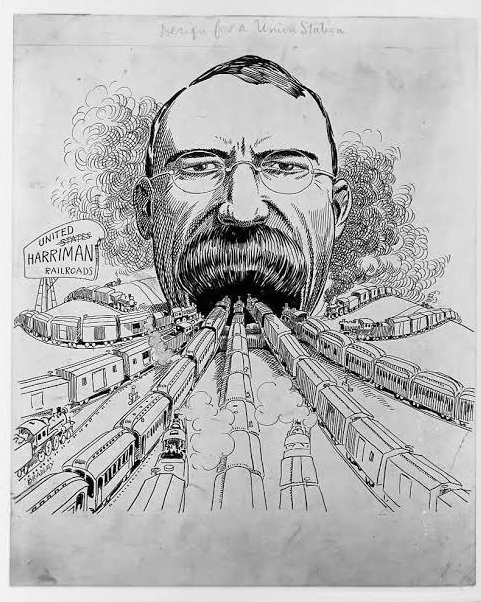
Why abundance exists alongside mass hunger in the modern economy Capitalism presents itself as a system of efficiency, abundance, and rational distribution, yet observable outcomes across food, housing, labour, and technology show persistent scarcity imposed amid material plenty. Around two billion people live with chronic food insecurity, according to figures consolidated by the Food and… Continue reading
administrative state, Agenda 2030, asset concentration, capitalism, communism, economy, food security, global governance, housing policy, marxism, New York COPA Act, NGO intermediation, private equity housing, property rights, rent economy, socialism, surveillance governance, urban political economy -
Gaza’s Two-Month Deadline To Disarm

Why enforced disarmament under occupation fails to produce stability The purpose of this analysis is to examine the reported joint Israeli and United States decision to impose a fixed two-month deadline for Hamas disarmament, and to assess what that decision reveals about current power structures, negotiation practices, and enforcement realities in Gaza. The case matters… Continue reading
asymmetric warfare, automation, capitalism, ceasefire violations, civilian protection, coercive diplomacy, conflict governance, distribution by price, ecological limits, enforcement mechanisms, food insecurity, gaza, global food system, global inequality, Hamas disarmament, hunger, international law, Israel Palestine conflict, labour displacement, market failure, Middle East geopolitics, military occupation, ownership and power, political economy, rent extraction, surplus and scarcity, technofeudalism, US Israel relations -
From Ownership to Permission: New York’s COPA Act as a Global Warning of the Administrative Capture of Housing

Why a local New York housing law exposes a deceitful elite coordinating a global shift from private towards managed ownership under Agenda 2030 This analysis is written as a warning rather than an abstract policy review. New York provides a clear case study of how state sanctioned administrative housing controls migrate from theory into binding… Continue reading
-
Lebanon, Syria and the Future of Iran’s Resistance Axis

Israel’s objectives, Iran’s calculations and Hezbollah’s survival choices Haytham Ali Tabatabai’s killing in Beirut marks a structural inflection in the resistance axis’s operational and political posture across Lebanon, Syria and Yemen. Hezbollah’s command losses and the public rhetoric from Iran’s senior leadership expose the organisation to a simultaneous operational squeeze and political contestation that will… Continue reading
-
Saudi Arabia and the UAE Break Ranks in Yemen
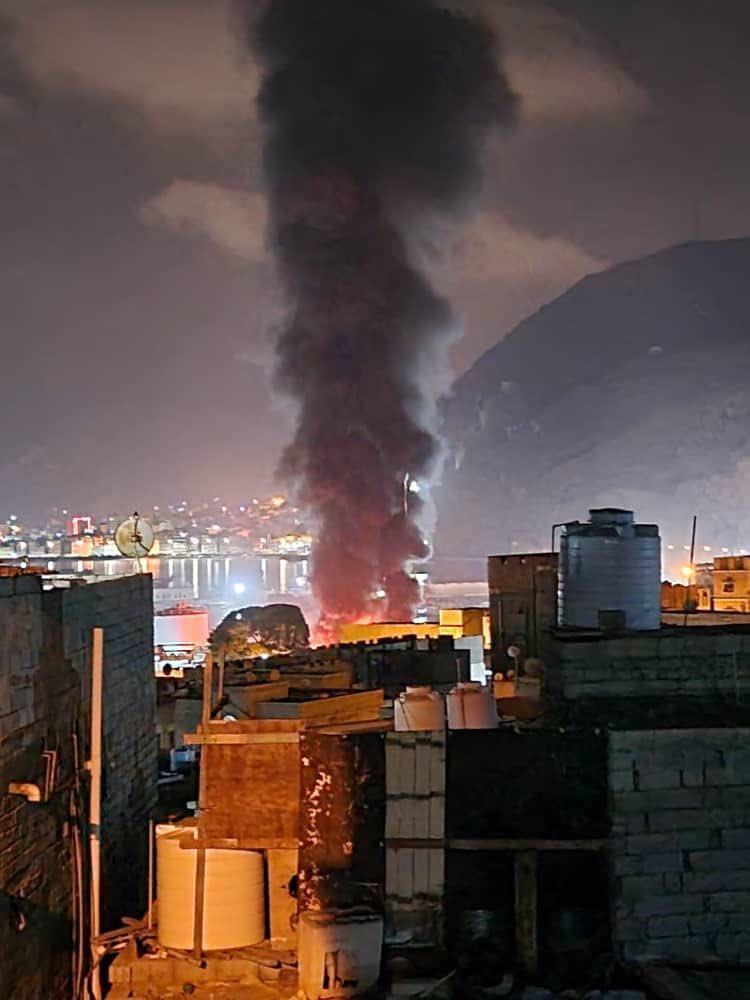
How Saudi airstrikes on Emirati-linked arms exposed a quiet war inside the war The Saudi airstrike on Mukalla port at the end of December marked a rupture that had been forming inside the anti-Houthi camp for several years, though rarely acknowledged in public. The destruction of an Emirati-linked weapons shipment destined for the Southern Transitional… Continue reading
-
Israel Targeting Iran Again: From Nuclear Alarm to Ballistic Missile Crisis
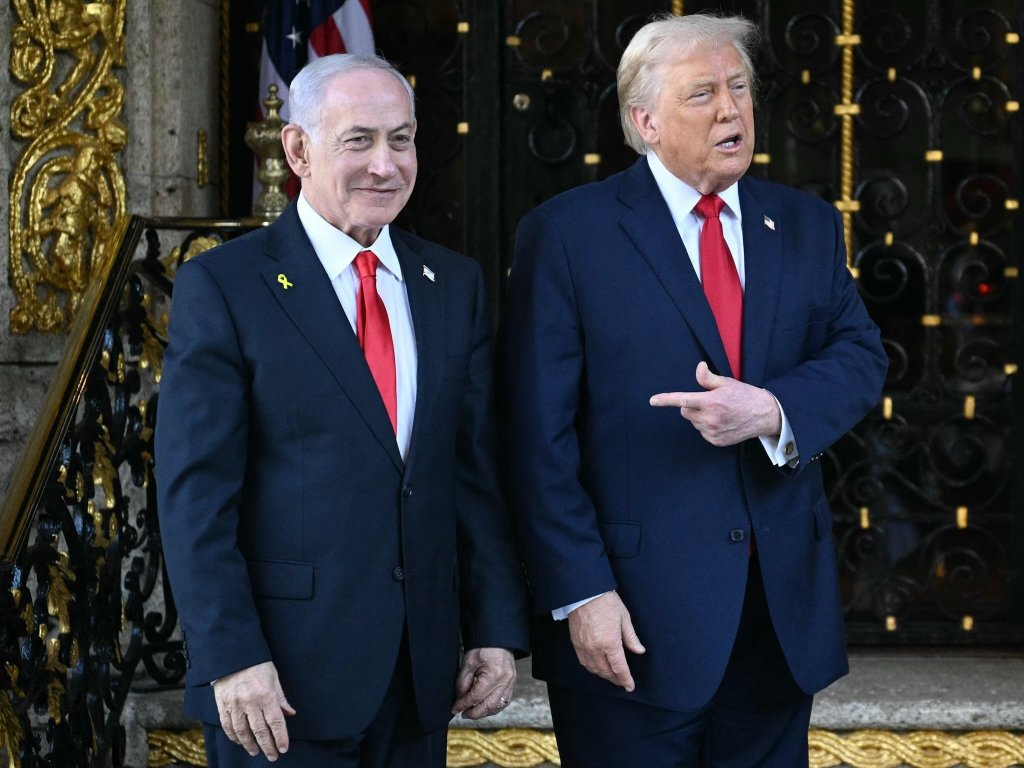
How Netanyahu’s shifting threat narratives sustain escalation when strategy stalls Trump, who continues to refuse the release of the Epstein files, welcomed Netanyahu, a leader travelling under formal pursuit by the International Criminal Court prosecutor, with arrest warrants sought against him for alleged war crimes. His aircraft transited the airspace of several states that are… Continue reading
-
Trump Meets Zelensky Again- Endgame or Stalemate?
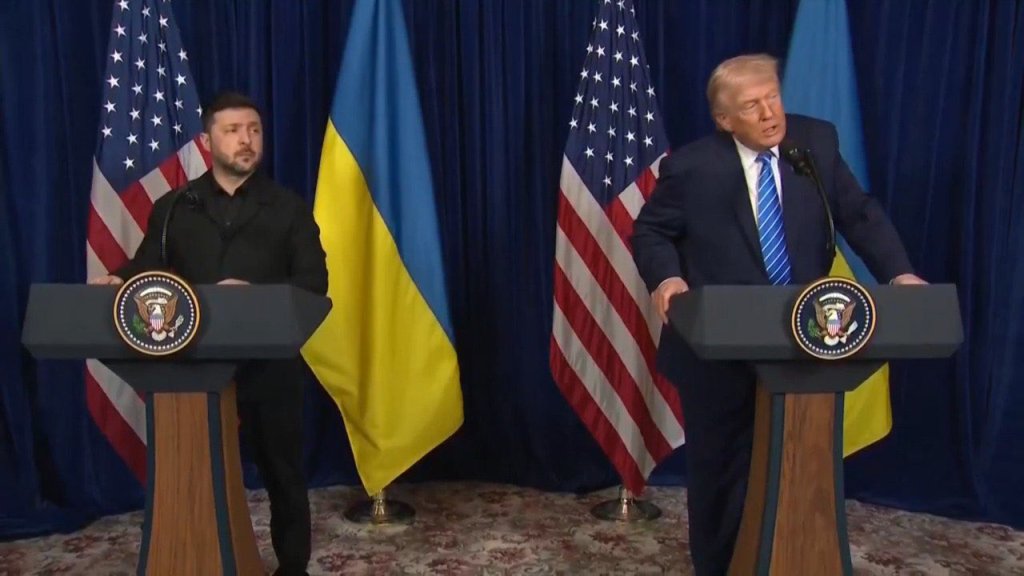
Battlefield Realities Continue To Define Diplomatic Maneuvering in Ukraine The attempt to negotiate an end to the Russia-Ukraine war at the close of 2025 reflects a widening gap between battlefield realities and diplomatic positioning rather than a convergence toward settlement. Political activity around peace has increased, yet the substance of negotiations remains constrained by territorial… Continue reading
-
Russia Achieves Strategic Advantage in the 2025 Arms Race

Nuclear-powered systems, hypersonic deterrence, force modernisation, and asymmetric operational adaptation By 2025, trends in defence investment, procurement cycles, and weapons testing across major military powers showed a clear intensification of strategic competition. This was driven by sustained European militarisation, continued Western support for Ukraine’s armed forces, and the expansion of United States defence programmes described… Continue reading
