
proxy warfare
-
U.S. GRAND STRATEGY: Peripheral Pressure and Attrition in the Contest with Iran and Russia

How multi-vector proxy strategies, constrained munitions stocks and energy disruption shape contemporary American attempts to manage relative decline Editorial Analysis | August 2026 American military and intelligence activity directed at Iran has unfolded across several simultaneous vectors rather than through a single decisive campaign. Conventional strikes have been accompanied by continued material and political support… Continue reading
-
The Logic of Controlled Demolition

How America’s Parallel Wars in Ukraine and West Asia Reveal a Strategy of Managed Decline The public mood inside Russia has undergone a profound and measurable transformation over recent months, driven by Ukrainian drone strikes that have penetrated the country’s interior with increasing frequency and lethality. The attack on a beach in Gelendzhik on the… Continue reading
-
America’s Terrorist Pipeline For War with China
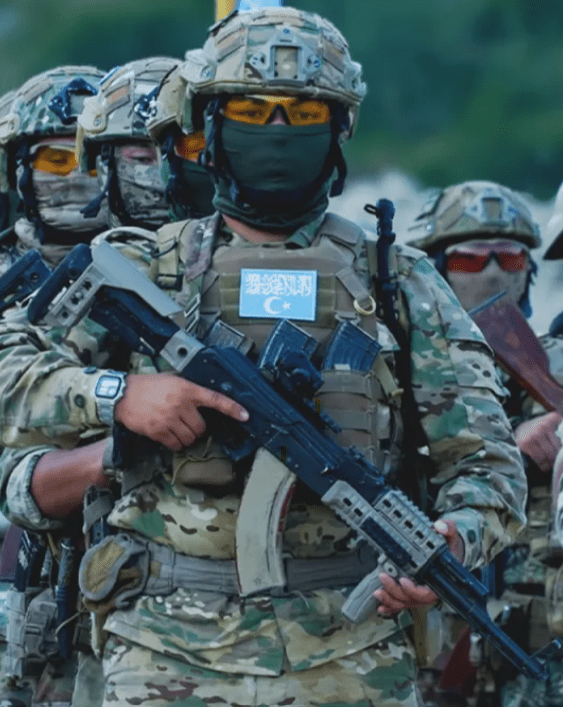
Two recent decisions to remove designated terrorist organisations from US lists sit inside a longer pattern of tactical realignment against China and Russia National Public Radio published a lengthy feature on 17 May 2026 profiling Uyghur fighters who helped topple the Assad government in Syria, describing them through interviews conducted in Idlib and Jisr al-Shughur… Continue reading
AI and Digital Control, America, China, economics, Energy, Financial markets, Foreign Policy, Geopolitics, Global Finance, imperialism, iran, israel, middle east, Mineral Resources, NATO, neocolonialism, politics, reserve currency, Russia, warAhmed al-Sharaa, Balochistan Liberation Army, China containment, China Pakistan Economic Corridor, East Turkestan Islamic Movement, Foreign Policy, Geopolitics, Hay’at Tahrir al-Sham, Information Operations, National Endowment for Democracy, proxy warfare, terrorist designation, Turkestan Islamic Party, United States foreign policy, Uyghur fighters Syria, Xinjiang -
The Memorandum of Convenience
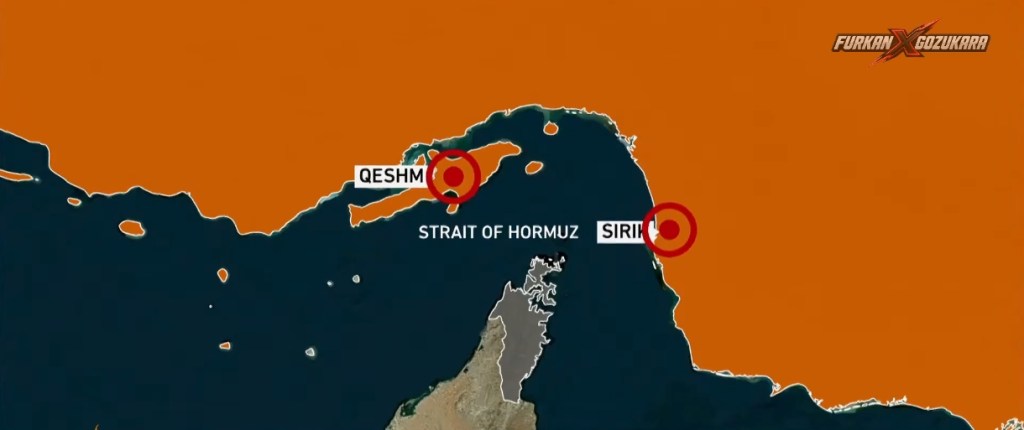
Why the US-Iran MOU Represents Another Chapter in a Longstanding Pattern of Strategic Deception The June 2026 Memorandum of Understanding between the United States and Iran has been presented to the world as a diplomatic breakthrough. According to the 14-point text, the agreement commits both parties to the immediate and permanent termination of military operations… Continue reading
AI and Digital Control, America, China, economics, Energy, EUROPE, Financial markets, Foreign Policy, Geopolitics, iran, israel, warBRICS, Brookings Institution, color revolution, energy security, Extending Russia, Geneva Convention, geopolitical competition, international law, Iran nuclear deal, Iran Sanctions, Iran War, Israel–Iran conflict, JCPOA withdrawal, LNG exports, MOU 2026, multipolarity, munitions depletion, proxy warfare, RAND Corporation, regime change, Strait of Hormuz, treaty violations, Trump administration, unipolarity, US foreign policy, US imperialism, US military inventory, US strategic deception, US–Iran relations, Which Path to Persia -
America’s Global War
An Opinion Analysis of US-Israel-Ukraine Relations, the Integration of Military-Intelligence Infrastructure, and the Pursuit of Global Primacy The United States Congress has moved with remarkable determination to permanently codify the US-Israel relationship through legislative mechanisms that transcend traditional alliance frameworks. Section 224 of the House version of the 2027 National Defense Authorization Act, titled the… Continue reading
AI and Digital Control, America, China, Foreign Policy, Geopolitics, iran, israel, middle east, NATO, neocolonialism, politics, Russia, warAmerican foreign policy, American Hegemony, Brookings Institution, congressional legislation, defence industrial base, energy security, global energy markets, great power competition, intelligence sharing, Iran strategy, LNG exports, Middle East geopolitics, military integration, multipolar world, National Defense Authorization Act, proxy warfare, Russia-Ukraine conflict, strategic coercion, Ukraine war, US Israel relations -
The President Changes. The Strategy Doesn’t

American Primacy, Structural Entrenchment, and the Path to Permanent Conflict On 8 March 1992, the New York Times published a front-page report under the headline “U.S. Strategy Plan Calls for Insuring No Rivals Develop,” based on a leaked draft of the Pentagon’s Defense Planning Guidance for fiscal years 1994 to 1999. The document, drafted under… Continue reading
AI and Digital Control, America, China, economics, EUROPE, Financial markets, Foreign Policy, Geopolitics, Global Finance, iran, israel, middle east, Mineral Resources, NATO, politics, reserve currency, Russia, war$1.5 trillion defence spending, AI competition, American exceptionalism, American population, American primacy, anti-ship missiles, arms procurement, Asian energy dependency, AUKUS, Boeing, Brian Berletic, British Empire, burden sharing, China containment, Chinese education, Chomsky, CIA drone operations, controlled demolition, corporate capture, corporate extraction, defence budget, Defense Planning Guidance 1992, Dick Cheney, domestic austerity, economic nationalism, escalation, Force Design 2030, General David Berger, General Dynamics, geopolitical analysis, Georgetown CSET, Grand Bargain, great power competition, hegemonic decline, Herman, historical precedent, I. Lewis Libby, ideological indoctrination, imperial overextension, Indo-Pacific strategy, Iran war 2026, japan, LNG markets, Lockheed Martin, manufacturing consent, Marine Littoral Regiments, media distraction, Middle East energy disruption, military industrial complex, multipolar world, national debt, National Science Board, National Security Strategy 2025, New Eastern Outlook, NMESIS, no rivals develop, Northrop Grumman, One Big Beautiful Bill, One China policy, Paul Wolfowitz, perpetual conflict, petrodollar, Philippines, political theatre, post-Cold War strategy, proxy warfare, RAND Corporation, Raytheon, reindustrialisation, rent-seeking economy, reserve currency, Russian energy blockade, science and engineering indicators, semiconductors, Senate Armed Services Committee, shareholder primacy, social spending cuts, South Korea, Soviet collapse, STEM graduates, Strait of Hormuz, structural entrenchment, taiwan, tariffs, technological competition, think tank policy, Trump foreign policy, Ukraine proxy war, unipolarity, US dollar hegemony, wall street, Wolfowitz Doctrine, workforce competition, world war risk -
Do Not Underestimate the United States (Editorial Version)
An analytical examination of the US blockade on Iran, the systematic disruption of energy flows to Asia, and the long-term campaign to isolate China The United States Navy’s deployment of FA-18 Super Hornets to conduct strafing attacks against Iranian commercial tankers in the Gulf of Oman on 6 and 8 May 2026, three vessels targeted,… Continue reading
AI and Digital Control, America, China, economics, Energy, EUROPE, Financial markets, Foreign Policy, Geopolitics, Global Finance, iran, israel, middle east, Mineral Resources, NATO, politics, reserve currency, Russia, South East Asia, waralliance systems, Brian Berletic, Brookings Institution, China, deindustrialisation, economic warfare., energy security, Energy Warfare, Eurasia, Eurasian integration, Geopolitics, global energy markets, global trade routes, great power competition, Indo-Pacific, industrial policy, international relations, iran, LNG, maritime chokepoints, Maritime Strategy, NATO, Nord Stream, proxy warfare, RAND Corporation, Russia, sanctions, sanctions policy, Strait of Hormuz, Strait of Malacca, Strategic Competition, Ukraine war, United States foreign policy, US Navy -
Do Not Underestimate the United States (Long Version)
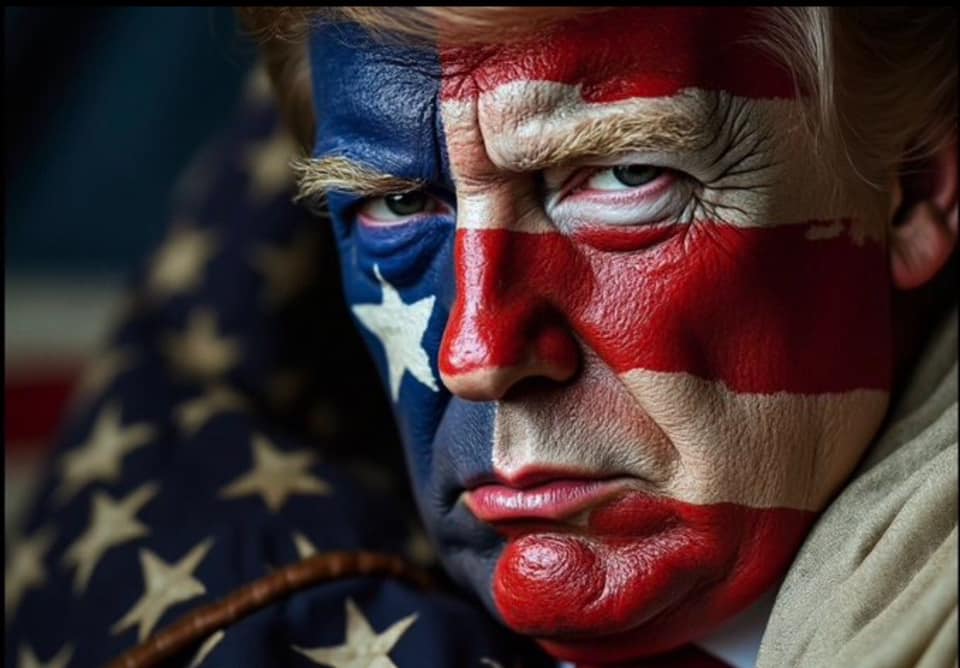
Why the United States Seeks Control of Supply Routes Rather Than Conventional Victory American power has repeatedly been misread during prolonged geopolitical confrontations because commentators continue measuring strategic success through the narrow lens of immediate battlefield outcomes rather than through cumulative institutional, economic, and infrastructural transformation across decades. Independent geopolitical analyst Brian Berletic argued during… Continue reading
AI and Digital Control, America, China, East Africa, economics, Energy, EUROPE, Financial markets, Foreign Policy, Geopolitics, iran, israel, middle east, NATO, politics, reserve currency, Russia, waralliance systems, Brian Berletic, Brookings Institution, China, deindustrialisation, economic statecraft, economic warfare., energy geopolitics, energy security, Energy Warfare, Eurasia, Eurasian integration, geopolitical risk, Geopolitics, global energy markets, global trade routes, great power competition, Indo-Pacific, industrial policy, international relations, iran, LNG, maritime chokepoints, Maritime Strategy, military strategy, NATO, Nord Stream, proxy warfare, RAND Corporation, Russia, sanctions, sanctions policy, Strait of Hormuz, Strait of Malacca, Strategic Competition, strategic studies, supply chains, Ukraine war, United States foreign policy, US Navy, US-China relations -
The Unipolar Machine: Structure of Unipolar Warfare

A Geopolitical Analysis of the United States Senate Hearing on Indo-Pacific Command, April 2026 – (Part One) For most people who follow international affairs, the daily news cycle provides a sense of orientation. Headlines announce wars, peace talks, diplomatic summits, and military mobilisations. Politicians stand behind lecterns and speak of freedom, democracy, and the defence… Continue reading
AI and Digital Control, America, China, economics, Energy, EUROPE, Financial markets, Foreign Policy, Geopolitics, Global Finance, iran, israel, middle east, Mineral Resources, NATO, politics, reserve currency, warAmerican decline, BYD versus Tesla, China containment, energy blackmail, energy war, hellscape strategy, Indo-Pacific Command, LNG decoupling, military industrial complex, Nord Stream, Orwellian language, permanent war, proxy warfare, Senate hearing 2026, South Korea, taiwan, Ukraine template, unipolarity, US foreign policy, wood chipper doctrine -
The Unipolar Machine: Evidence and the Future

A Geopolitical Analysis of the United States Senate Hearing on Indo-Pacific Command, April 2026 – (Part Two) The fifth and most disturbing pattern in the testimony was the explicit preparation for a future war with China. Admiral Paparo described the Indo-Pacific Command as an AI-powered headquarters racing to achieve decision superiority over Beijing. General Brunson… Continue reading
AI and Digital Control, America, China, economics, Energy, EUROPE, Financial markets, Foreign Policy, Geopolitics, Global Finance, iran, israel, middle east, NATO, politics, Russia, warAmerican decline, BYD versus Tesla, China containment, energy blackmail, energy war, hellscape strategy, Indo-Pacific Command, LNG decoupling, military industrial complex, Nord Stream, Orwellian language, permanent war, proxy warfare, Senate hearing 2026, South Korea, taiwan, Ukraine template, unipolarity, US foreign policy, wood chipper doctrine
