
economic coercion
-
Iran’s Hold on Hormuz Forces US Into High-Risk Military Options

Amphibious forces position for interdiction and potential seizure of Iran’s primary oil terminal as Washington seeks leverage over oil flows and China-bound exports The deployment of United States Marine Expeditionary Units into the Persian Gulf reflects a defined operational logic grounded in maritime control rather than territorial conquest. The force structure, doctrinal design, and historical… Continue reading
AI and Digital Control, America, China, economics, Energy, EUROPE, Financial markets, Foreign Policy, Geopolitics, Global Finance, iran, israel, middle east, Mineral Resources, NATO, politics, Russia, waramphibious operations, Bab el Mandeb Strait, China energy security, chokepoints, economic coercion, energy geopolitics, Escalation dynamics, global oil supply, Kharg Island, Marine Expeditionary Units, maritime interdiction, naval strategy, naval supremacy, Persian Gulf security, Strait of Hormuz, US military strategy -
Trump’s Tariffs Backfired and Weakened Economic Power
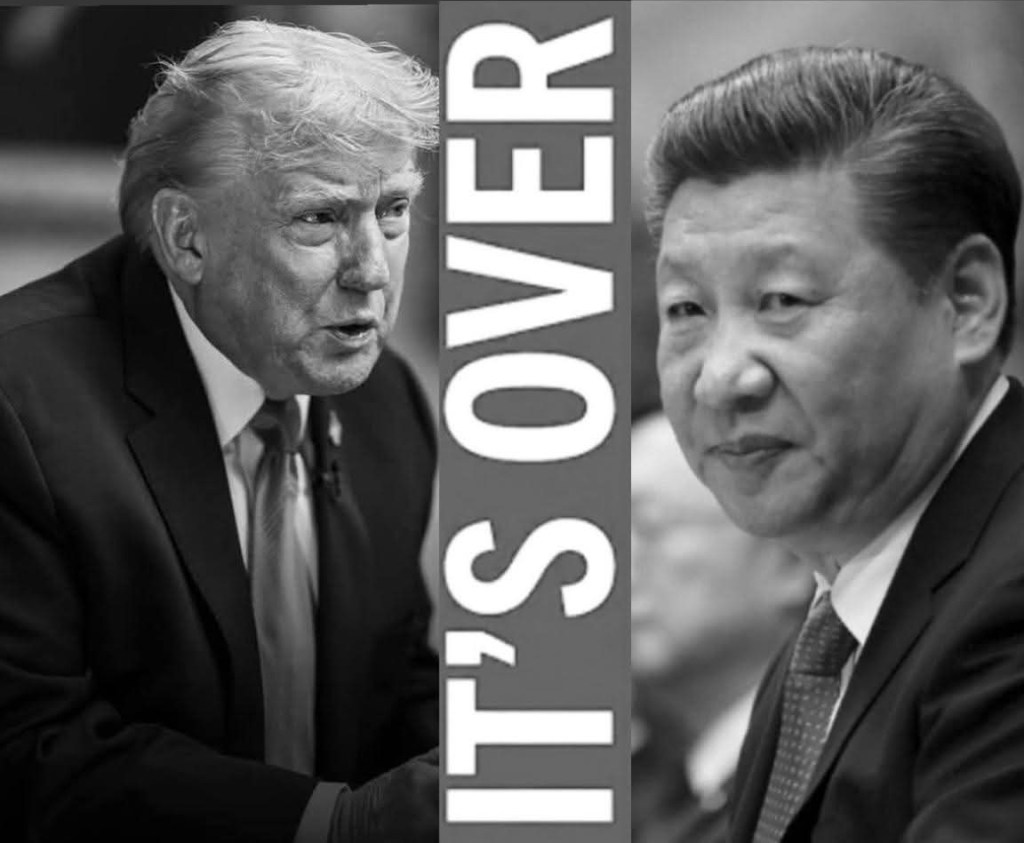
The Burdem of United States Trade Policy Failure Fell on American Consumers, Firms, Allies, and Markets The reintroduction and expansion of United States tariffs under the Trump administration formed the centrepiece of a strategy publicly presented as economic nationalism, strategic leverage, and industrial revival. The policy failed on each stated objective while imposing measurable domestic… Continue reading
-
The Total Financial Subjugation of Iraq After 2003 by the United States
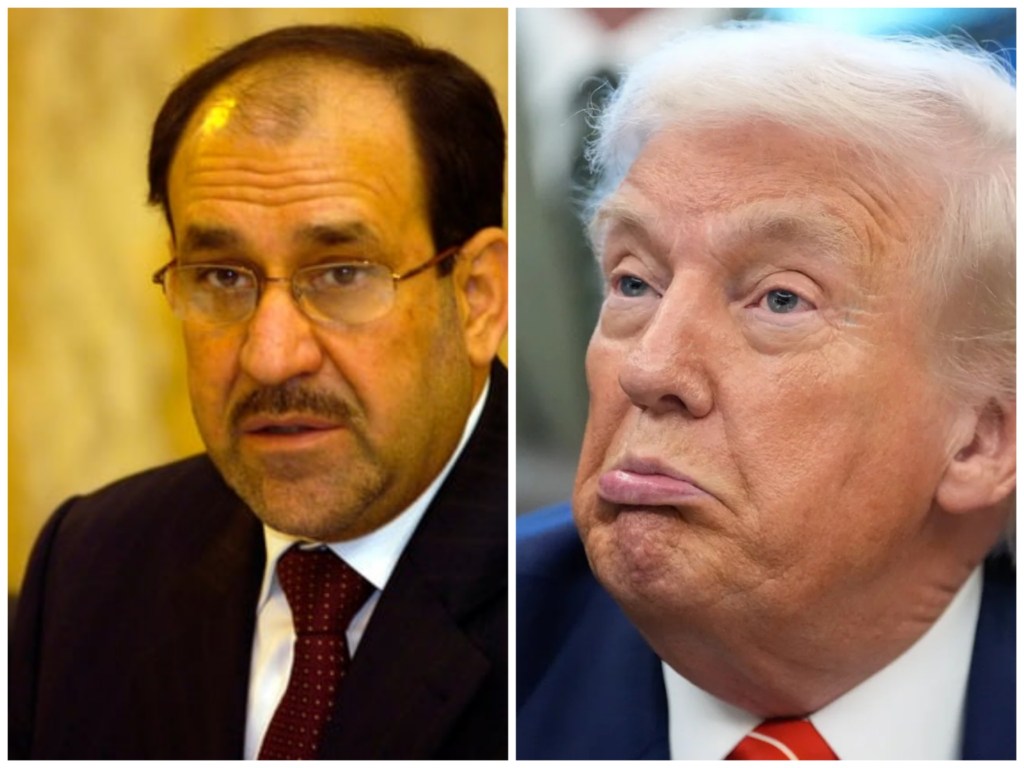
Why Iraq Governs Without Access to Its Own Income via an External U.S Banking Authority The United States exercises decisive control over Iraq through financial mechanisms established after the 2003 invasion, rather than through formal colonial administration or direct ownership of physical resources, a system Hussein Askary has described as “a complete financial and economic… Continue reading
economics, Energy, Financial markets, Foreign Policy, Geopolitics, Global Finance, israel, middle east, Mineral Resources, NATO, politics, warbanking compliance, corruption dynamics, Development Fund for Iraq, dollar dependency, economic coercion, Executive Order 13303, Federal Reserve Bank of New York, financial subjugation, Iraq, Monetary sovereignty, oil revenue custody, Oil-for-Food programme, political economy of Iraq, post-2003 occupation, post-occupation governance, Resolution 1483, Resolution 1956, sanctions architecture, Treasury control, United Nations Security Council, United States foreign policy
