
energy geopolitics
-
The Proxy Doctrine: How Washington Wages War Through Tel Aviv While Feigning Ignorance
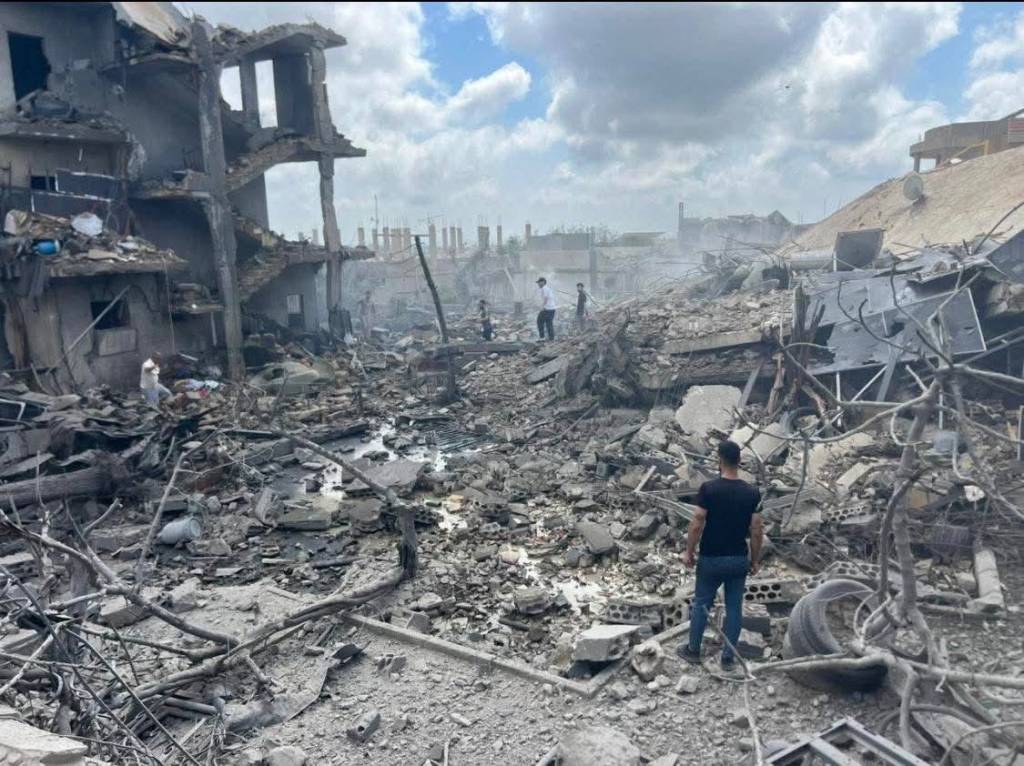
Washington’s long-prepared campaign Tehran operates through Israeli military assets, diplomatic theatre, and a calculated energy strategy designed to reshape Asia’s supply dependencies On 8 June 2026, Israeli aircraft struck Iranian military targets hours after Iran launched missiles toward Israel, and American officials promptly announced that United States forces had played no part in the operation.… Continue reading
-
1953 Coup: The Original Sin of US-Iran Relations

The 1953 Anglo-American overthrow of Mohammad Mosaddegh destroyed a democratic nationalist government, and laid the foundations for the anti-Western resistance doctrine drives Tehran’s politics today The modern confrontation between Iran and the United States did not begin with the 1979 Islamic Revolution, the embassy hostage crisis, or the rise of the Islamic Republic under Ayatollah… Continue reading
AI and Digital Control, America, Financial markets, Foreign Policy, Geopolitics, iran, israel, middle east, Mineral Resources, NATO, politics1953 Iranian Coup, Anglo-Iranian Oil Company, anti-imperialism, ayatollah khomeini, BP, BRICS, British Empire, British foreign policy, CIA, CIA Coups, Cold War, Declassified Documents, economic warfare., energy geopolitics, Eurasia, foreign intervention, Geopolitics, Global South, intelligence operations, iran, Iranian Nationalism, Iranian Revolution, Iranian Sovereignty, MI6, middle east, Mohammad Mosaddegh, multipolarity, nationalisation, Oil Politics, Operation Ajax, Petroleum Politics, political Islam, regime change, sanctions, SAVAK, Shah Mohammad Reza Pahlavi, United Kingdom, United States, US foreign policy, US–Iran relations, Western Intervention -
Do Not Underestimate the United States (Long Version)
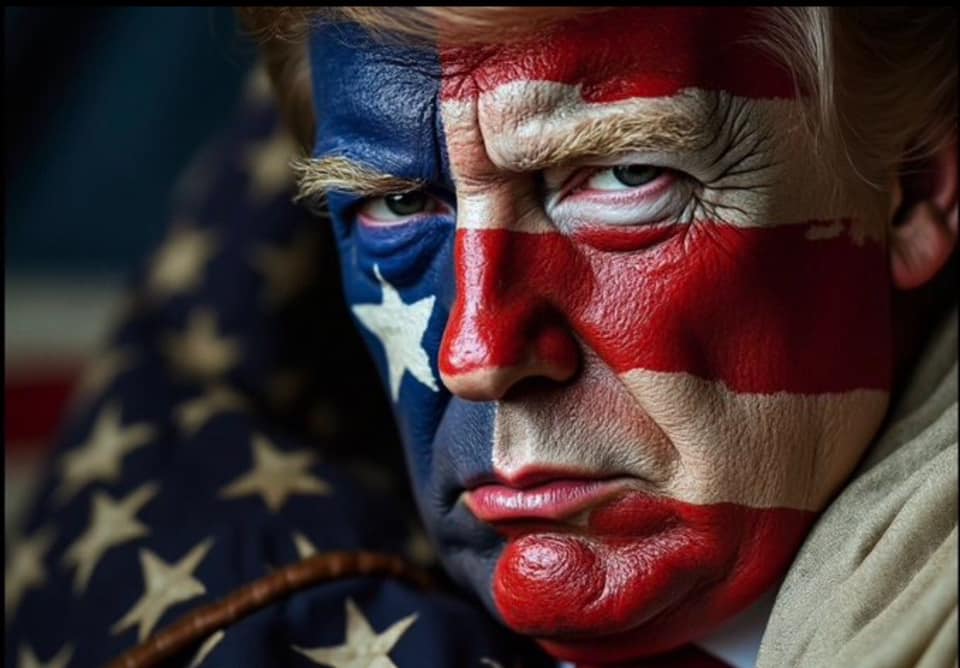
Why the United States Seeks Control of Supply Routes Rather Than Conventional Victory American power has repeatedly been misread during prolonged geopolitical confrontations because commentators continue measuring strategic success through the narrow lens of immediate battlefield outcomes rather than through cumulative institutional, economic, and infrastructural transformation across decades. Independent geopolitical analyst Brian Berletic argued during… Continue reading
AI and Digital Control, America, China, East Africa, economics, Energy, EUROPE, Financial markets, Foreign Policy, Geopolitics, iran, israel, middle east, NATO, politics, reserve currency, Russia, waralliance systems, Brian Berletic, Brookings Institution, China, deindustrialisation, economic statecraft, economic warfare., energy geopolitics, energy security, Energy Warfare, Eurasia, Eurasian integration, geopolitical risk, Geopolitics, global energy markets, global trade routes, great power competition, Indo-Pacific, industrial policy, international relations, iran, LNG, maritime chokepoints, Maritime Strategy, military strategy, NATO, Nord Stream, proxy warfare, RAND Corporation, Russia, sanctions, sanctions policy, Strait of Hormuz, Strait of Malacca, Strategic Competition, strategic studies, supply chains, Ukraine war, United States foreign policy, US Navy, US-China relations -
Trump’s Beijing Delegation Exposed the Real Structure of American Power (Short Version)
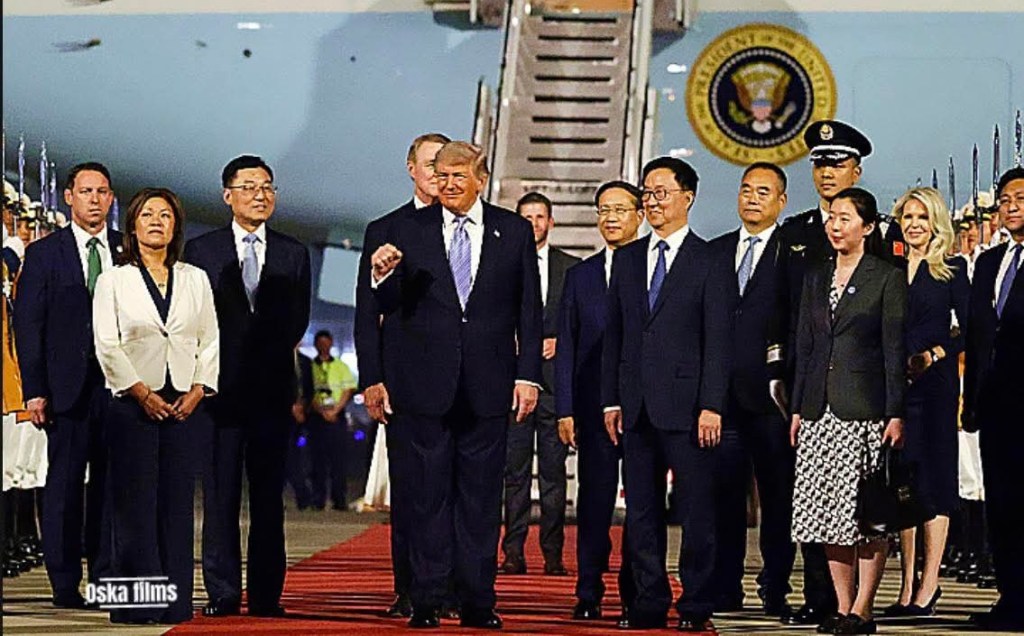
The Beijing visit exposed how transnational corporations, financial institutions, and technology monopolies now operate openly as the permanent power structure beneath American electoral politics. This is the short version analytical examination of Donald Trump’s state visit to China and its implications for the emerging multipolar order. See link at the bottom for the extended version.… Continue reading
AI and Digital Control, America, China, economics, Energy, EUROPE, Financial markets, Foreign Policy, Geopolitics, Global Finance, iran, israel, middle east, Mineral Resources, NATO, politics, Russia, warAdmiral Paparo, American decline, Apple, Beijing Summit, Belt and Road, blackrock, China Policy, China White Paper 2026, Chinese Self-Sufficiency, Corporate Diplomacy, Corporate Lobbying, decoupling, donald trump, Elbridge Colby, energy geopolitics, foreign policy analysis, Geopolitics, Goldman Sachs, Grand Bargain, Indo-Pacific, iran, Joint Communiqués, multipolar order, National Defense Strategy, National Security Strategy 2025, New Quality Productive Forces, Nvidia, One-War Military, PLA Modernisation, Qualcomm, rare earths, Semiconductor War, Senate Armed Services Committee, Six Assurances, SMIC, Strait of Hormuz, Strategic Competition, strategic encirclement, taiwan, Think Tank, Trump-Xi 2026, US-China relations, Wall Street China, Xi Jinping -
China’s First Direct Rejection of U.S. Financial Jurisdiction
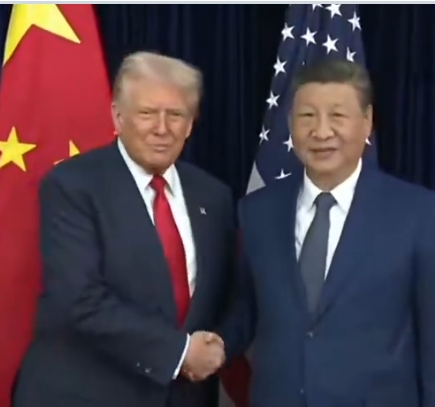
Why Beijing’s refusal to recognise American sanctions marks a structural shift in global financial power A legal border moved across the international system when China’s Ministry of Commerce instructed domestic firms not to recognise, enforce, or comply with United States sanctions against five Chinese refineries. Financial globalisation relied upon a silent assumption that American secondary… Continue reading
AI and Digital Control, America, China, economics, Energy, EUROPE, Financial markets, Foreign Policy, Geopolitics, Global Finance, Health, iran, israel, middle east, Mineral Resources, NATO, politics, reserve currency, Russia, warAnti-Foreign Sanctions Law, Belt and Road Initiative, blocking statute, China sanctions law, Chinese refineries, commodity security, cross-border finance, de-dollarisation, dollar hegemony, economic statecraft, energy geopolitics, energy security, extraterritorial jurisdiction, extraterritorial sanctions, financial coercion, financial decoupling, game theory in geopolitics, geopolitical economy, geopolitical risk, global financial order, global order transition, global supply chains, great power competition, international political economy, Iranian oil trade, legal sovereignty, multipolarity, realist international relations, sanctions compliance, sanctions enforcement, sanctions policy, sanctions resistance, secondary sanctions, sovereign jurisdiction, strategic autonomy, Strategic Competition, systemic rivalry, trade fragmentation, U.S. Treasury sanctions, U.S.–China relations, yuan internationalisation -
Maritime Pressure and the Denial of Stable Energy Corridors to China
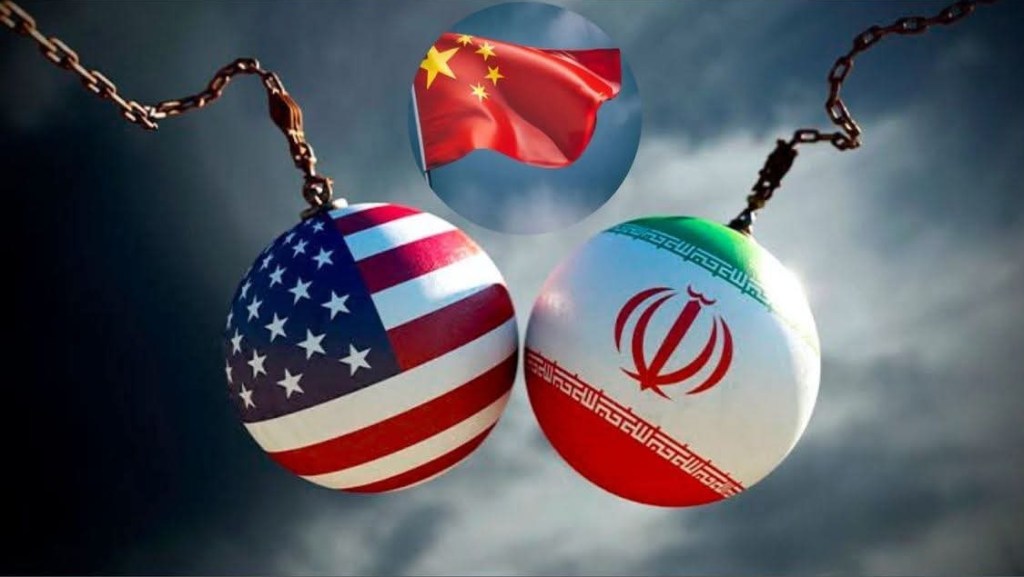
How ceasefire narratives mask the progressive tightening of global energy supply lines into China Energy flows into China are contracting across several supply corridors at the same historical moment, and that contraction marks a structural shift in the organisation of global power. The reduction does not stem from ordinary market volatility, cyclical pricing, or temporary… Continue reading
AI and Digital Control, America, China, economics, Energy, EUROPE, Financial markets, Foreign Policy, Geopolitics, Global Finance, iran, israel, middle east, Mineral Resources, NATO, politics, reserve currency, Russia, warBelt and Road Initiative, blockade strategy, China energy security, energy geopolitics, geopolitical economy, global trade disruption, Iran Sanctions, maritime chokepoints, Middle East conflict, multipolar world order, Russia energy exports, strategic infrastructure, supply chain coercion, US-China rivalry, Venezuela sanctions -
On the Preservation of Power in Troubled Times

Revealing the Means by Which Energy, Finance, and Force Uphold the Global Dominance of Nations What many take to be a scattering of troubles across the globe, wars here, trade unsettled there, and a lingering unease in distant regions, cannot be rightly understood as separate misfortunes. They are threads, though tangled to the casual eye,… Continue reading
AI and Digital Control, America, China, economics, Energy, EUROPE, Financial markets, Foreign Policy, Geopolitics, Global Finance, iran, israel, middle east, Mineral Resources, NATO, politics, reserve currency, Russia, South East Asia, warBRICS, capital accumulation, China, class relations, economic hegemony, energy geopolitics, energy markets, energy security, financial systems, geopolitical strategy, global governance, global political economy, global trade, industrial economics, infrastructure disruption, maritime power, Marxist analysis, multipolarity, petro-dollar system, resource control, Russia, sanctions regimes, trade routes, transnational class, United States -
A War on Iran, A Strategy Against China
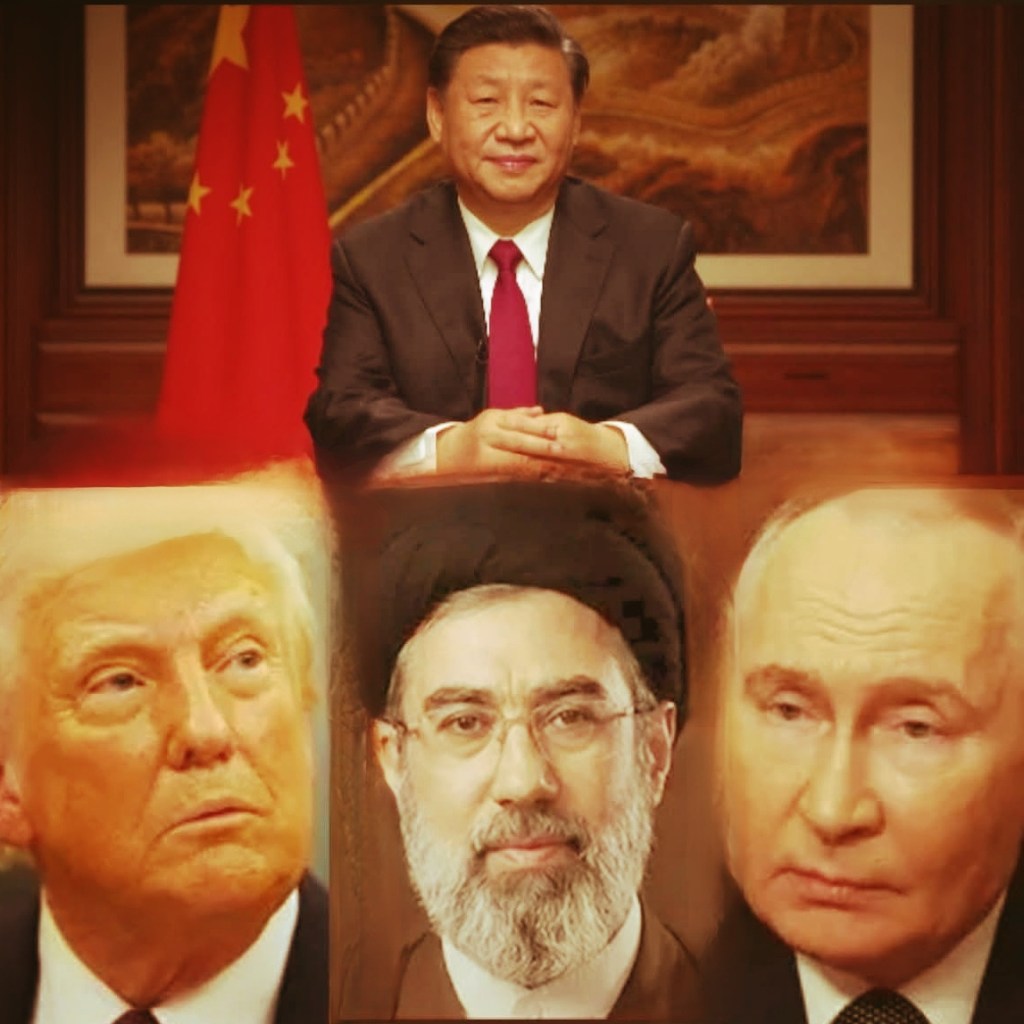
United States policy toward Iran reflects a broader strategy of energy control aimed at constraining China and maintaining systemic primacy The escalation of United States military and economic pressure against Iran must be understood within a broader strategic framework in which energy flows, maritime chokepoints, and financial systems intersect with long-term competition between major powers,… Continue reading
AI and Digital Control, America, China, economics, Energy, EUROPE, Financial markets, Foreign Policy, Geopolitics, Global Finance, iran, israel, middle east, Mineral Resources, NATO, politics, reserve currency, Russia, warBelt and Road Initiative, China containment, CPEC, de-dollarisation, economic warfare., energy geopolitics, energy security, financial systems, Geopolitics, global energy markets, global trade networks, great power rivalry, Iran conflict, maritime chokepoints, military strategy, multipolar world order, naval power, political economy, reserve currency, Russia-China relations, sanctions, Strait of Hormuz, Strategic Competition, supply chains, US foreign policy, US primacy -
The United States Prepared for a Naval Blockade It Cannot Win
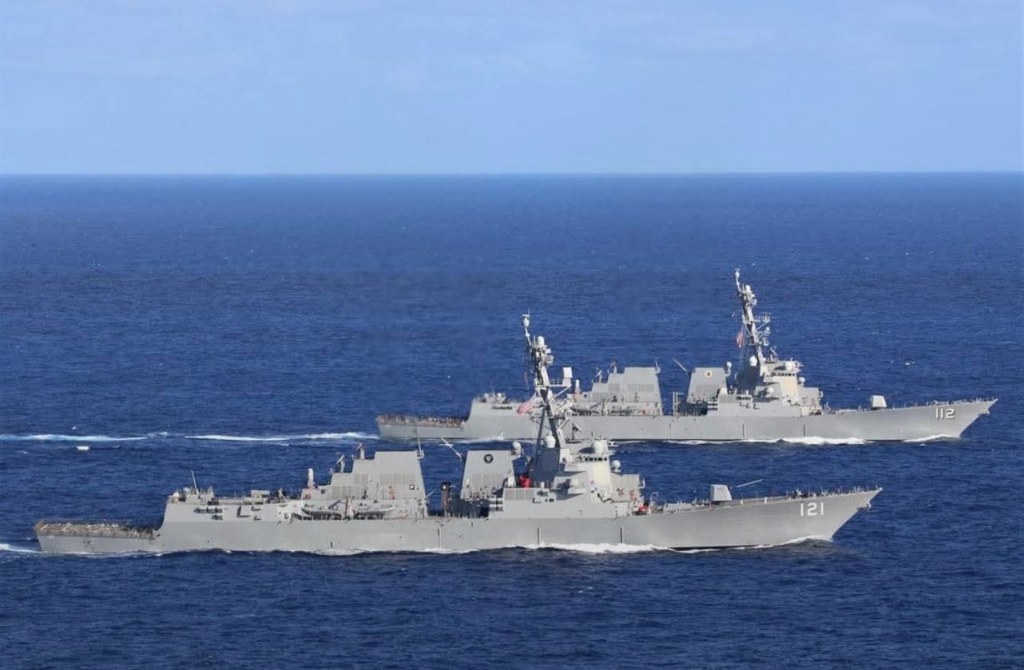
A blockade of the Strait of Hormuz exposes the gap between American power projection and its tolerance for loss The proposed American blockade of the Strait of Hormuz is a strategic gamble in which the conditions for failure are much easier to reach than the conditions required for success. Washington is preparing to commit a… Continue reading
AI and Digital Control, America, China, economics, Energy, EUROPE, Financial markets, Foreign Policy, Geopolitics, Global Finance, iran, israel, middle east, NATO, reserve currency, Russia, waranti-ship missile systems, asymmetric warfare, chokepoint strategy, defence policy analysis, Drone Warfare, economic disruption, energy geopolitics, geopolitical escalation, global oil supply, international maritime law, Iran military doctrine, maritime security, Middle East conflict, military risk assessment, naval power projection, Strait of Hormuz blockade, strategic deterrence, US naval strategy -
Iran – The Last Window of Empire to Stop Multipolarity
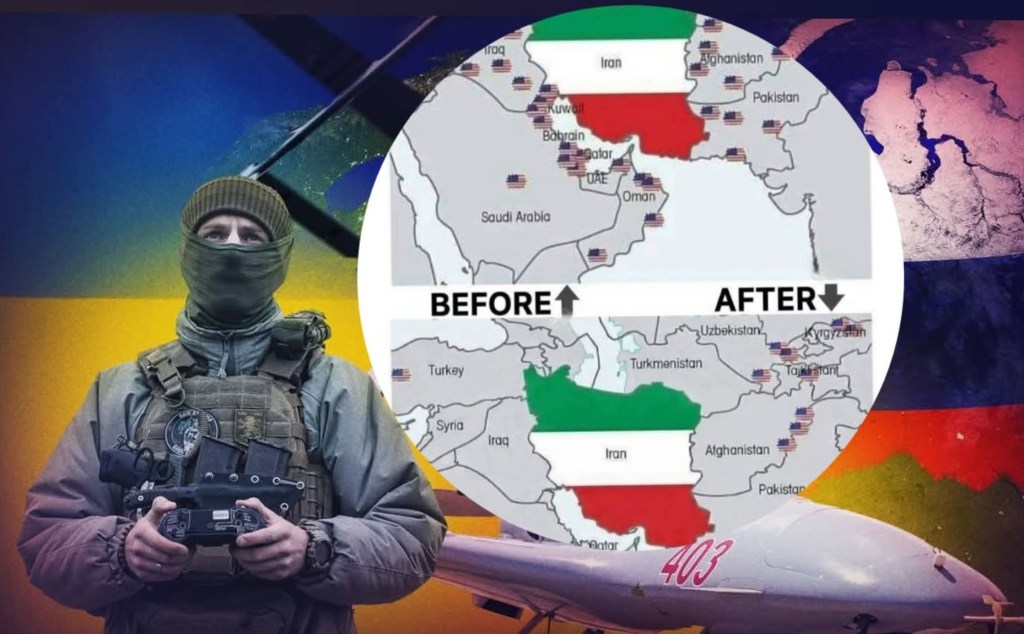
Why the War on Iran Signals a Final Attempt to Halt Multipolarity Before It Becomes Irreversible A structural rupture in the international system is already underway, and its trajectory has become effectively irreversible. The confrontation centred on Iran constitutes not a regional escalation but a terminal phase in the enforcement of a unipolar order that… Continue reading
AI and Digital Control, America, China, economics, Energy, EUROPE, Financial markets, Foreign Policy, Geopolitics, Global Finance, iran, israel, Latin America, middle east, Mineral Resources, NATO, politics, reserve currency, Russia, South East Asia, warChina Strategy, de-dollarisation, economic warfare., energy geopolitics, Game Theory, Geopolitics, global energy markets, global order, grand strategy, great power competition, hegemonic decline, imperial strategy, international relations theory, Iran conflict, Middle East geopolitics, multipolarity, petrodollar system, political economy, proxy warfare, Russia strategy, sanctions, Strategic Competition, systemic risk, unipolarity, US foreign policy
