
global oil supply
-
The United States Prepared for a Naval Blockade It Cannot Win
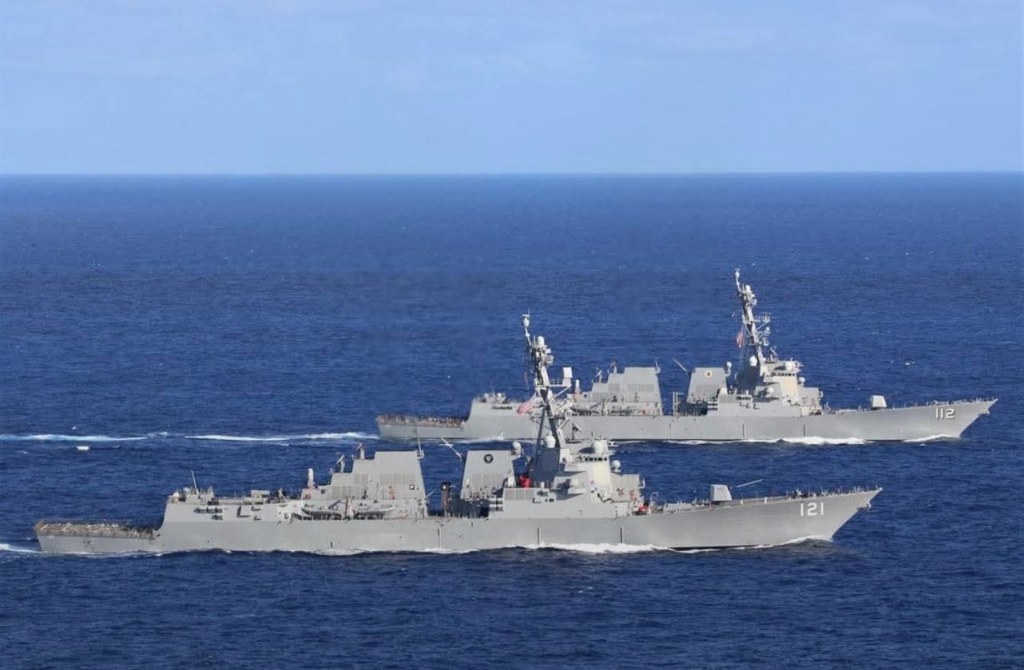
A blockade of the Strait of Hormuz exposes the gap between American power projection and its tolerance for loss The proposed American blockade of the Strait of Hormuz is a strategic gamble in which the conditions for failure are much easier to reach than the conditions required for success. Washington is preparing to commit a… Continue reading
AI and Digital Control, America, China, economics, Energy, EUROPE, Financial markets, Foreign Policy, Geopolitics, Global Finance, iran, israel, middle east, NATO, reserve currency, Russia, waranti-ship missile systems, asymmetric warfare, chokepoint strategy, defence policy analysis, Drone Warfare, economic disruption, energy geopolitics, geopolitical escalation, global oil supply, international maritime law, Iran military doctrine, maritime security, Middle East conflict, military risk assessment, naval power projection, Strait of Hormuz blockade, strategic deterrence, US naval strategy -
Iran’s Hold on Hormuz Forces US Into High-Risk Military Options

Amphibious forces position for interdiction and potential seizure of Iran’s primary oil terminal as Washington seeks leverage over oil flows and China-bound exports The deployment of United States Marine Expeditionary Units into the Persian Gulf reflects a defined operational logic grounded in maritime control rather than territorial conquest. The force structure, doctrinal design, and historical… Continue reading
AI and Digital Control, America, China, economics, Energy, EUROPE, Financial markets, Foreign Policy, Geopolitics, Global Finance, iran, israel, middle east, Mineral Resources, NATO, politics, Russia, waramphibious operations, Bab el Mandeb Strait, China energy security, chokepoints, economic coercion, energy geopolitics, Escalation dynamics, global oil supply, Kharg Island, Marine Expeditionary Units, maritime interdiction, naval strategy, naval supremacy, Persian Gulf security, Strait of Hormuz, US military strategy
