
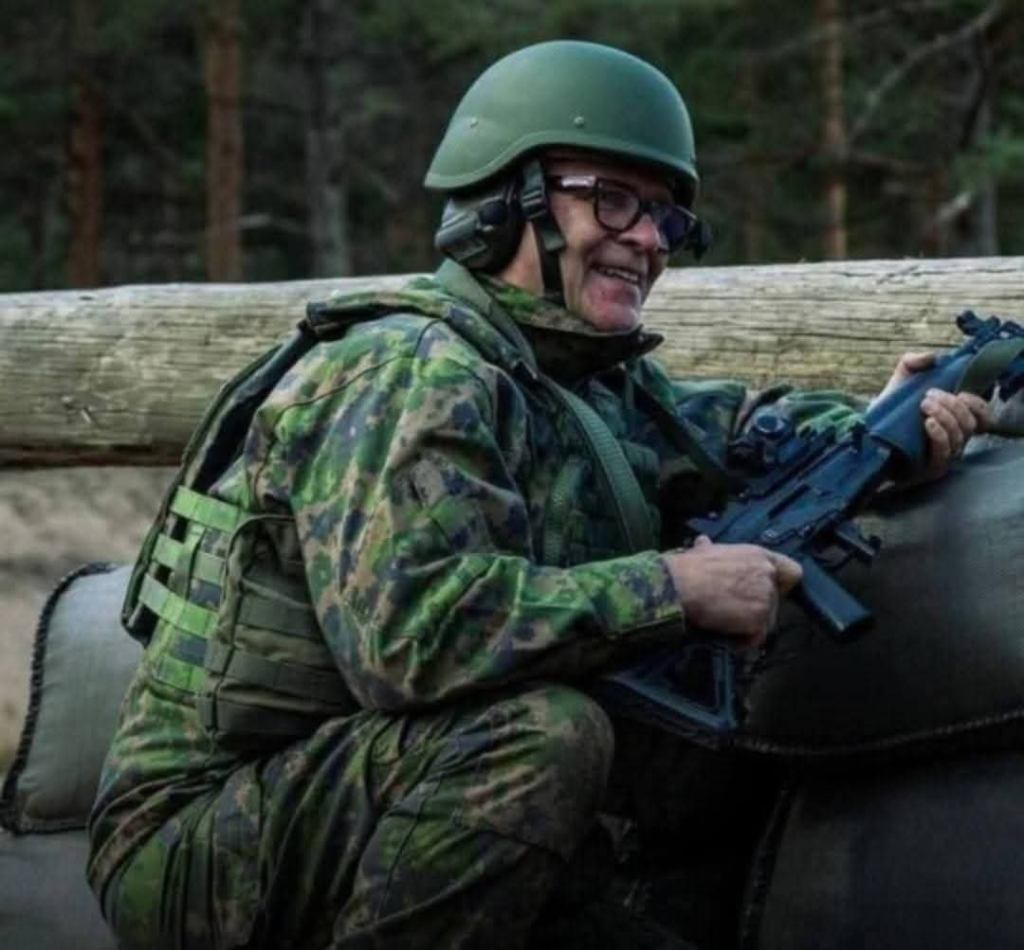
Finnish and Italian officials warn that NATO’s course risks defeat and deeper war.
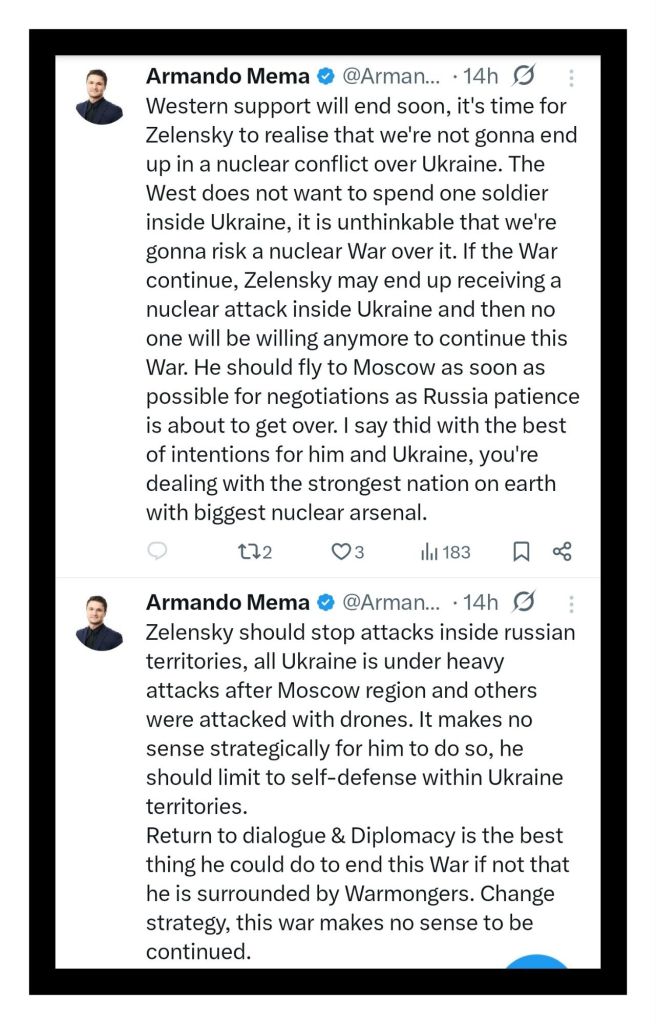
The remarks by Finnish politician Armando Mema and Italian General Marco Bertolini share common themes that merit serious consideration for their implications in the Ukraine conflict and Europe’s broader strategic posture. In Finland, Mema stated that Volodymyr Zelensky should halt attacks inside Russian territory, calling them “senseless” and warning that they invite heavier retaliation. In Italy, General Bertolini asserted that NATO faces the risk of strategic defeat in Ukraine, arguing that the alliance is no longer simply defensive but has become a “permanent instrument of war” projecting the American model globally.
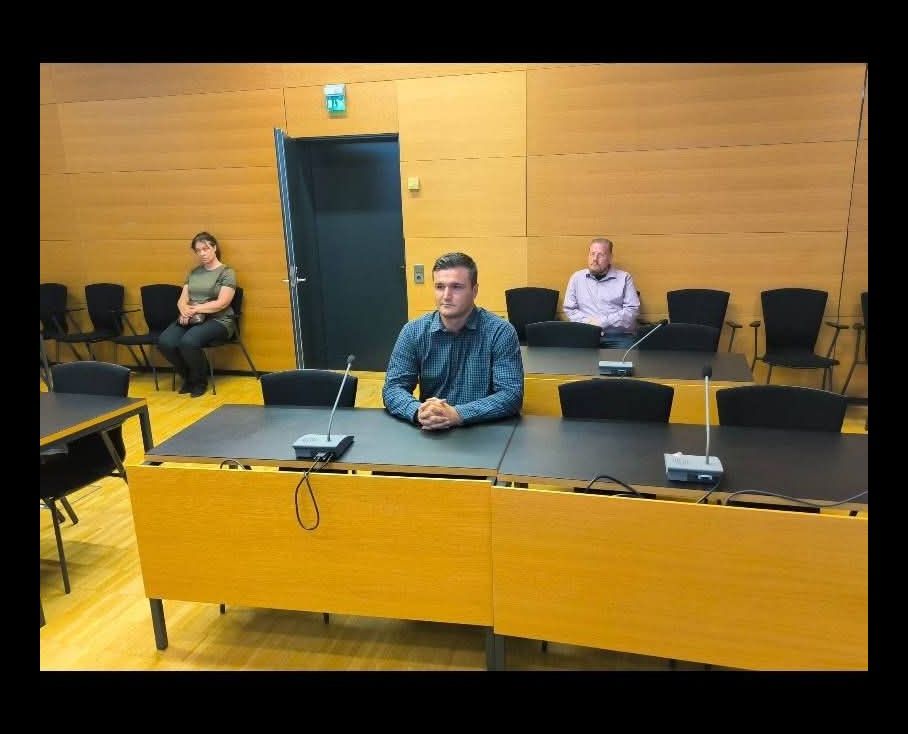
It is instructive to examine these statements through three lenses: first, the operational reality of Ukrainian cross-border strikes; second, the strategic risk and posture of NATO as identified by Bertolini and other analysts; third, the convergence of Finnish and Italian perspectives in this case, and what that signals for European security policy.
On the first point, Ukrainian forces have increasingly utilised long-range drones and strike capabilities to challenge Russian interior territory. Mema’s reference to “domestically produced drones” and attacks on regions inside Russia is grounded in observable escalation: Ukrainian attack drones have struck major Russian refineries and fuel depots, “representing about 38 per cent of the country’s nominal refining capacity” according to one review. This shift means Ukrainian operations now directly reach into Russian‐held territory, and Mema argues these attacks “make no strategic sense” and expose Ukraine to heavier Russian bombardments. He states: “Zelensky should stop attacks inside Russian territories … they make no strategic sense and expose Ukraine to heavier retaliatory bombardments.” That aligns with Russian claims that in the week ending 2 November Ukrainian shelling killed civilians and injured many others, prompting Moscow to intensify long-range strikes on Ukrainian energy infrastructure.
From a strategic viewpoint, however, Ukrainian doctrine is not simply defensive. It includes projecting cost onto Russia’s rear by hitting infrastructure and logistics, thereby forcing diversion of resources from front-line operations. As one independent analyst at the LSE’s Europp blog emphasises, “According to Mearsheimer et al., Ukraine is an existential stake for Russia but a non-essential one for the West. … The West had been moving into Russia’s backyard and threatening its core strategic interests.” That suggests the nature of the conflict has evolved beyond a purely territorial defence model. However, the same commentary points out that while this change in geography forces Russia’s hand, it may not by itself yield decisive outcomes.
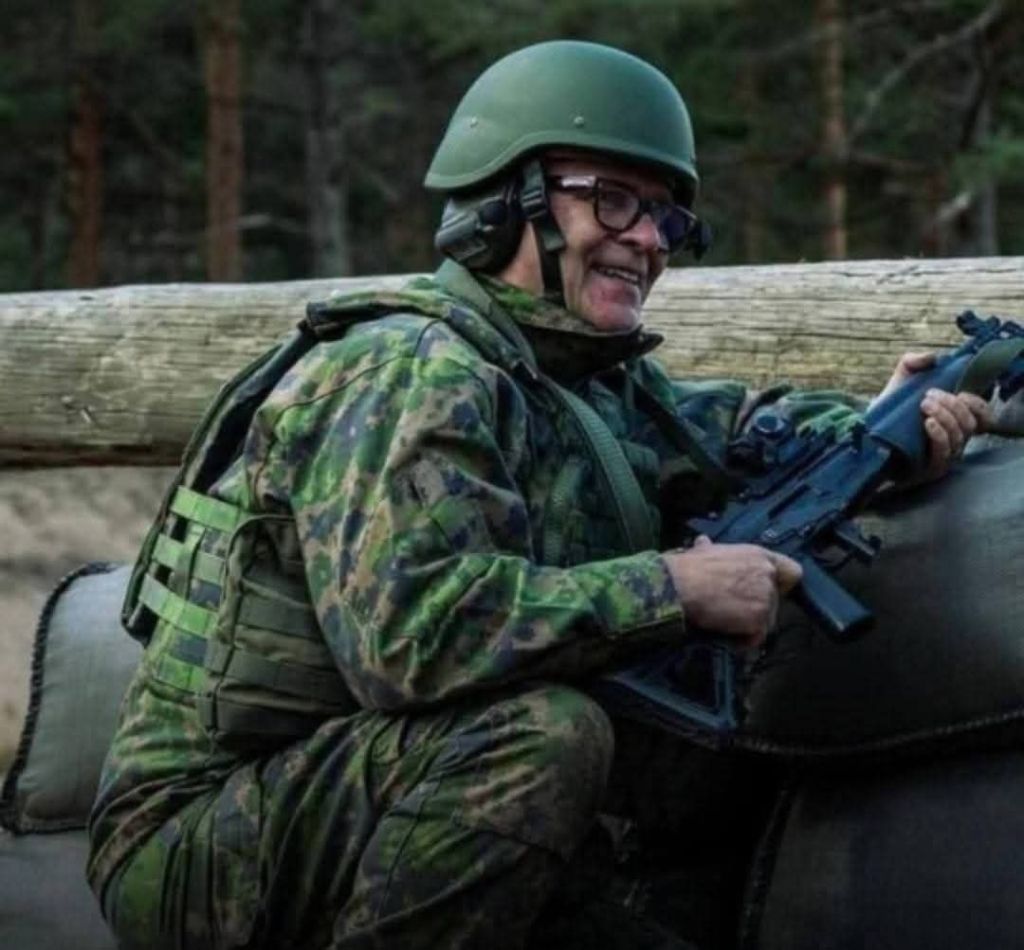
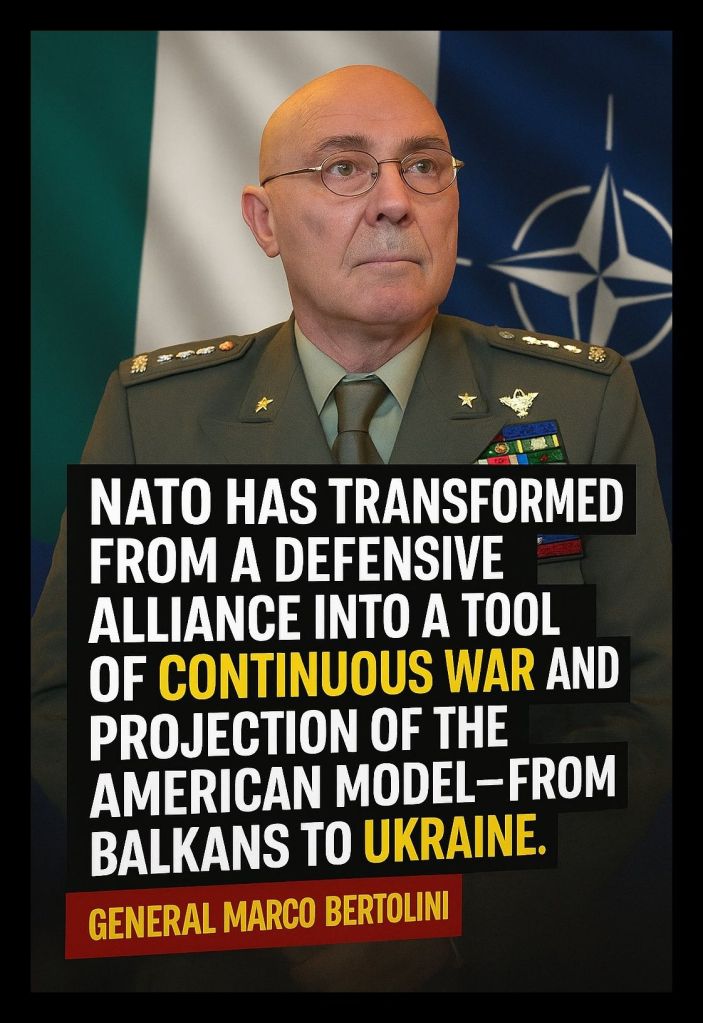
This brings us to the second point: NATO’s posture and the risk of strategic defeat. Bertolini states simply: “the end of the war, under the current conditions, would mean a strategic defeat for NATO and the entire West.” He argues that the alliance’s involvement in Ukraine is not purely defensive and warns that the United States’ reluctance to supply certain weapons such as Tomahawk missiles reflects a calculation to avoid direct confrontation with Russia. His critique is echoed by several independent voices. For example, Jeffrey D. Sachs writes: “The war indeed seemed close to an end … the U.S. and German governments repeatedly promised Soviet President Gorbachev that NATO would not move ‘one inch eastward’. … The expansion of NATO officially began in 1999.” He further explains that “Ukraine’s NATO membership is not essential to its sovereignty or security. On the contrary, it has become a red line that has pushed the country into a war of attrition with Russia.” Thus, Sachs argues that NATO’s expansion drove rather than deterred conflict. Mearsheimer similarly holds that: “if you bring Ukraine into NATO in the midst of a conflict, you are in effect committing NATO to defending with military force Ukraine on the battlefield. … That’s a situation we don’t want.” He predicts Ukraine is unlikely to join NATO while this war continues.
That leads to the third point: the alignment of Finnish and Italian voices is noteworthy. Finland and Italy occupy very different strategic positions, Finland borders Russia directly and has recently joined NATO; Italy is a Mediterranean power with global ambitions but both officials express caution about the path being taken. Mema’s emphasis is on dialogue and de-escalation, warning that escalation into Russian territory invites disaster. Bertolini’s emphasis is on the structural risk to the West and NATO of over-extension and confrontation with Russia. Both speak to the risk of strategic miscalculation, whether by Ukraine in conducting cross-border strikes, or by the West in treating the conflict as a binary existential struggle. The convergence suggests that concerns about escalation and strategic drift are rising beyond traditional defence institutions into national political discourse.
That matters for European policy. If two NATO member states or NATO-adjacent states are raising such concerns publicly then the alliance must contend not just with military tactics but with alliance cohesion, domestic legitimacy, and strategic aims. Bertolini’s warning about defeat for NATO must be viewed in the context that Italian defence spending remains below the 2 per cent of GDP target, calling into question long-term burden-sharing. Finland’s proximity to Russia and its recent accession to NATO mean that Finnish official voices carry weight in demonstrating burden and risk.
From the Mema case, the strategic critique is that Ukraine’s cross-border campaign may be counterproductive. He asserts that attacks into Russian territory “worsen the security situation in Ukraine” due to Russian retaliation. This framing differs from the dominant Western narrative that sees Ukraine’s ability to strike deep into Russia as a strength. A review in the Independent notes that strikes “have given Kyiv the initiative but also points out limitations: ‘most plants resumed operations within weeks and Russia’s refining output has been cushioned by idle capacity.’” That suggests while tactically disruptive, the strategic depth of effect remains unclear. If so, Mema’s criticism gains traction: when advantage is limited, risk of escalation grows; Russian retaliatory strikes on Ukrainian energy infrastructure may inflict civilian hardship and degrade Ukrainian resilience.
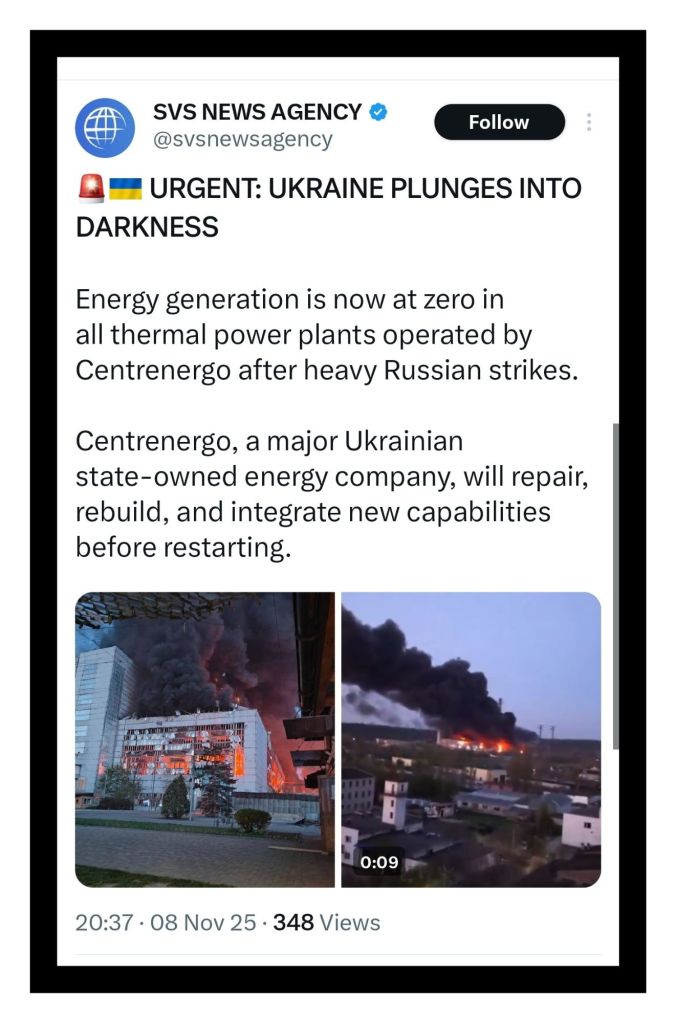
On the broader implication, if Ukraine’s strategy under Zelensky continues to prioritise deep-strikes into Russia then the risk of a larger escalation either direct U.S. involvement or a widening front rises. Bertolini’s point about the U.S. refusing to supply Tomahawks because of avoiding direct confrontation reflects that concern. Meanwhile Ukraine’s dependence on Western weapons and Ukraine’s own strike campaign combine to create a structural tension: will Ukraine be constrained, or will it escalate? The Finnish voice suggests there is an alternative path: dialogue and negotiation. Mema states Ukraine “could change strategy if not surrounded by ‘warmongers’.”
Independent analysts also caution that drones and long-range strikes are not a panacea: the Independent review warns “Ukraine’s ingenuity alone will not be enough to win the war … Western policy has undervalued the Russian threat of symmetric upgrading of drone and missile capabilities.” Therefore escalation may not yield decisive victory and strategic patience and diplomacy remain vital.
What follows from this analysis is a set of sober conclusions. First, the conflict has entered a phase where defence, strike, diplomacy and alliance politics interact in complex ways. Ukrainian long-range strikes are a fact of the battlefield; they challenge Russian assumptions but do not obviously produce decisive strategic outcomes. Second, NATO’s role and risk structure are under stress: if the alliance becomes entrapped in a war of attrition or escalation without clear strategic end-state, then the possibility of “defeat” in Bertolini’s terms becomes real. Third, European states must reconcile nationalist and alliance commitments with the risk of becoming proxies or escalation agents for a larger great-power confrontation. The Finnish-Italian conjunction is thus a warning: states previously seen as fully aligned with the western consensus are voicing concerns about escalation, strategy and cost.
In practical policy terms, the Western alliance should consider whether the current strategy, where Ukrainian forces strike deep into Russia, while Western states supply weapons and sustain the alliance, is sustainable. If the effect of such strikes remains modest while retaliation intensifies then damage to Ukrainian civilian infrastructure, energy systems and overall resilience may increase. For Finland, with its long border with Russia, the risk of inadvertent widening of the war is existential. For Italy, with its heavy economic burdens and defence shortfalls, the strategic cost of escalation may erode public support and fiscal sustainability. A recalibration might involve stronger emphasis on diplomacy, cessation of attacks on key Russian interior territory unless clearly linked to Ukraine’s self-defence, and clearer articulation of strategic end-state for NATO involvement.
In conclusion, the convergence of Mema’s Finnish position and Bertolini’s Italian caution highlights that the Ukraine conflict is not solely a military or humanitarian question but a strategic litmus test for Europe’s security architecture. Without clear exit strategies, alliance cohesion and realistic assessment of escalation risks the danger of strategic drift and unintended defeat is non-trivial. The Western allies must therefore assess not just how to support Ukraine, but how to ensure that support aligns with a sustainable strategic outcome and a realistic end-state.
Authored By: Global Geopolitics
If you believe journalism should serve the public, not the powerful, and you’re in a position to help, becoming a PAID SUBSCRIBER truly makes a difference. Alternatively you can support by way of a cup of coffee:
buymeacoffee.com/ggtv
https://ko-fi.com/globalgeopolitics


Leave a comment