
Iranian long-range strike capability, chokepoint control, and infrastructure targeting reshape military balance and global energy systems
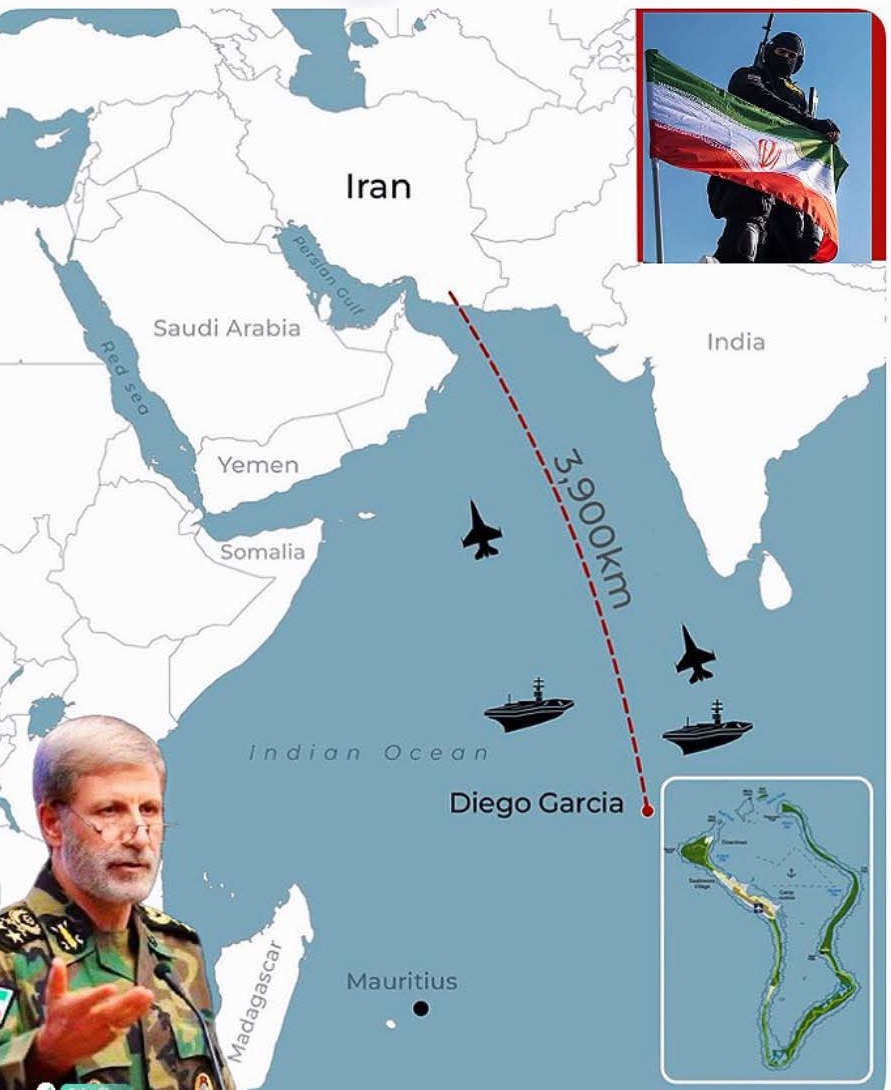
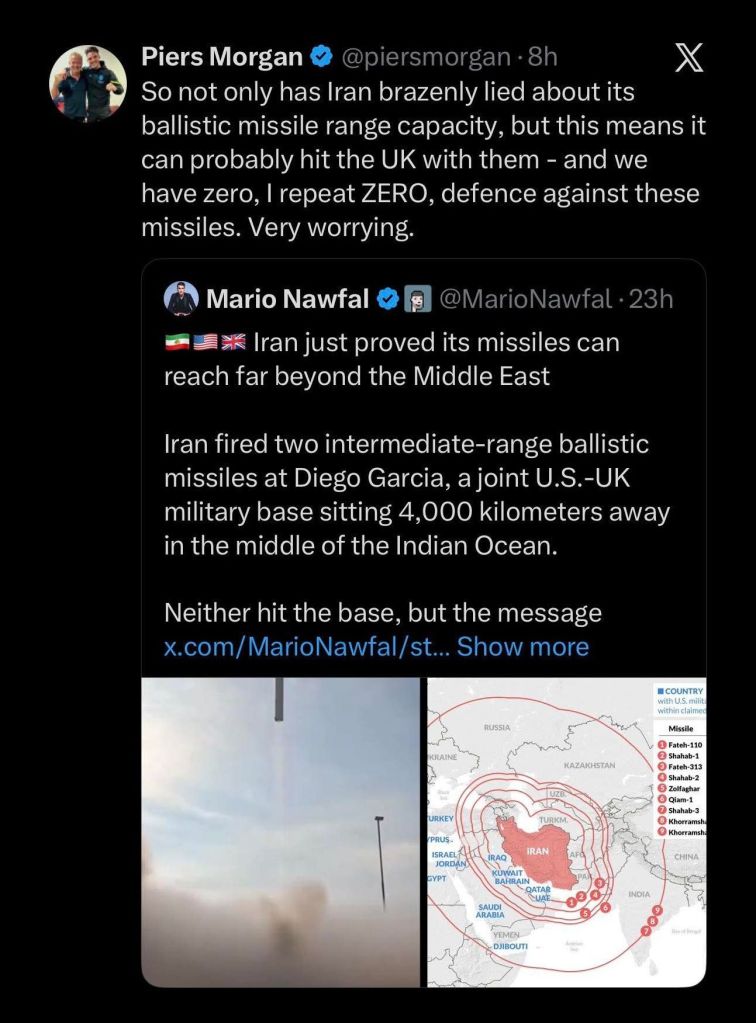
The conduct of the war has followed a discernible pattern in which Iranian actions have progressively expanded both in scale and technical demonstration, producing cumulative strategic effects that were not anticipated within prevailing Western assessments. Early assumptions regarding the limits of Iranian missile capability have been overtaken by operational evidence indicating reach well beyond previously declared thresholds. The reported strike against Diego Garcia, a facility central to United States long-range strike architecture, has introduced a new parameter into strategic planning, given the base’s historical immunity from direct attack over several decades of conflict.
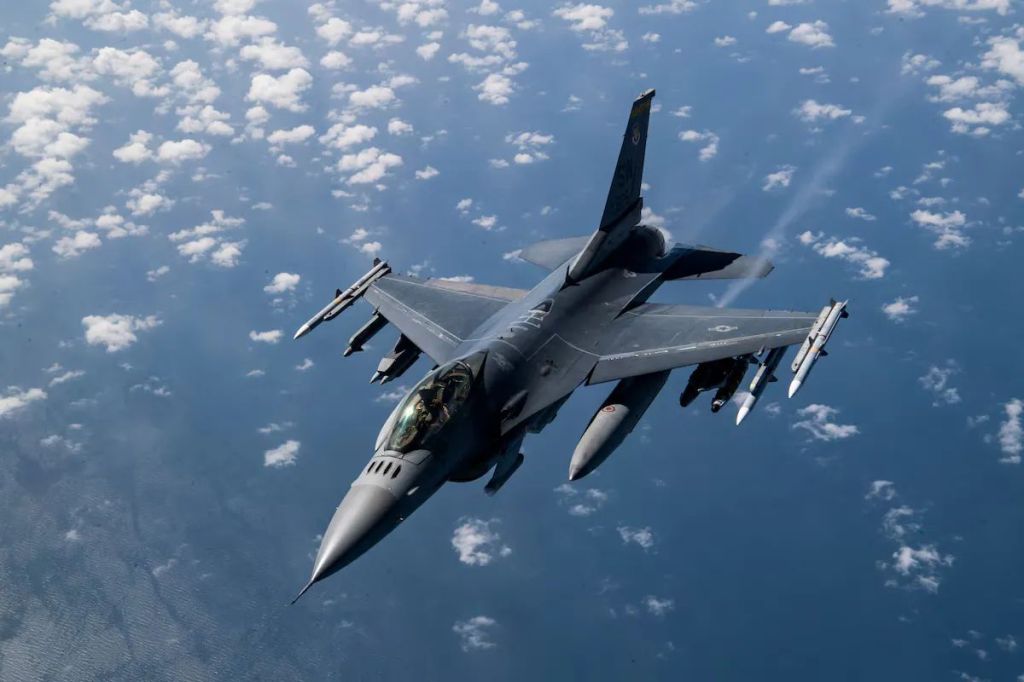
Parallel developments in the air domain have reinforced this reassessment. The downing of multiple fifth-generation aircraft, platforms presented as highly survivable within contested environments, has raised questions regarding both technological performance and the credibility of procurement narratives that underpinned their deployment. Observations concerning radar detectability and system reliability have circulated for some time, yet operational outcomes have now forced those concerns into open consideration. Adaptation by Iran, similar to earlier Russian approaches, appears to have focused on identifying specific weaknesses and compensating through layered air defence and sensor integration rather than attempting symmetrical technological competition.
Iranian targeting patterns have demonstrated both reach and selectivity. Strikes against the Haifa refinery and the Dimona complex, including facilities associated with nuclear research personnel, indicate an intention to impose direct costs on strategic infrastructure while shaping deterrence calculations. Casualty figures and damage assessments from these strikes have contributed to internal pressure within Israel, where air defence failures are under active investigation. Statements from Israeli security institutions regarding espionage recruitment highlight an additional dimension of conflict, with Iranian networks reportedly exploiting social media channels to recruit assets inside Israel. The scale of these activities has required expanded detention capacity and sustained counter-intelligence efforts.
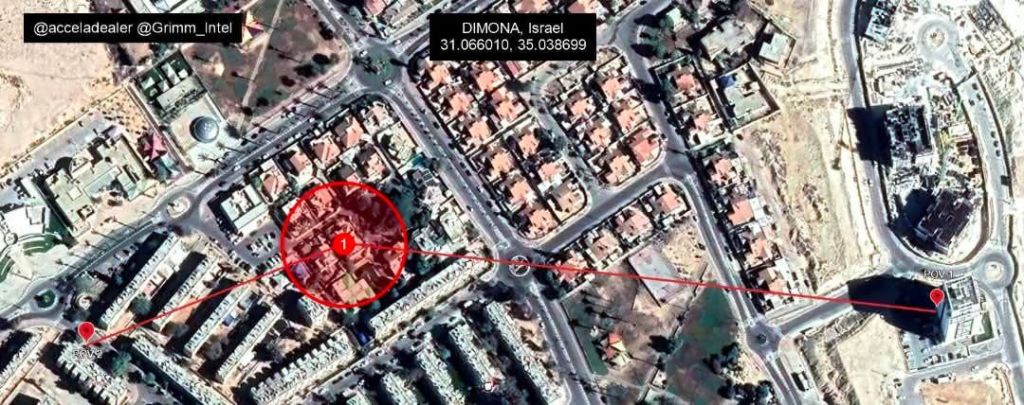
The bunker was likely the primary target, and it was struck using a hypersonic bunker-buster munition.
The maritime dimension has become central to the conflict’s economic impact. Iranian control over the Strait of Hormuz has provided a mechanism through which pressure can be applied not only to regional adversaries but to the global economy. Interference with energy flows has coincided with direct strikes on infrastructure across the Gulf. Attacks on Qatar’s Ras Laffan complex and Kuwait’s Mina Al-Ahmadi refinery have reduced output in both liquefied natural gas and refined petroleum. The Ras Laffan helium facility, responsible for a substantial share of global supply, has suffered damage expected to constrain output for years, removing a critical input for semiconductor manufacturing and medical imaging systems.
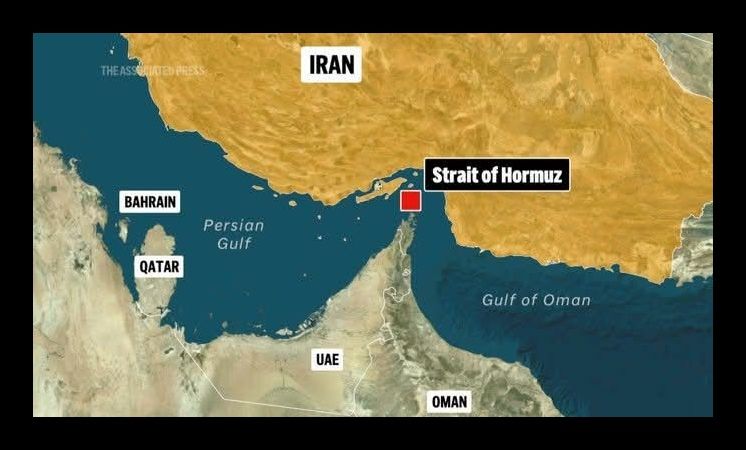
Consequences have extended rapidly across industrial economies. Semiconductor production centres in East Asia, including those supporting major fabrication firms, face constraints linked to helium shortages. European states have reported sharp price increases and rationing, while healthcare systems reliant on MRI technology have begun to encounter operational delays. The interconnected nature of these supply chains has translated regional strikes into global industrial disruption. Energy markets have reflected these pressures, with projections indicating potential oil price escalation to levels not observed in decades, alongside measurable reductions in liquefied natural gas export capacity.
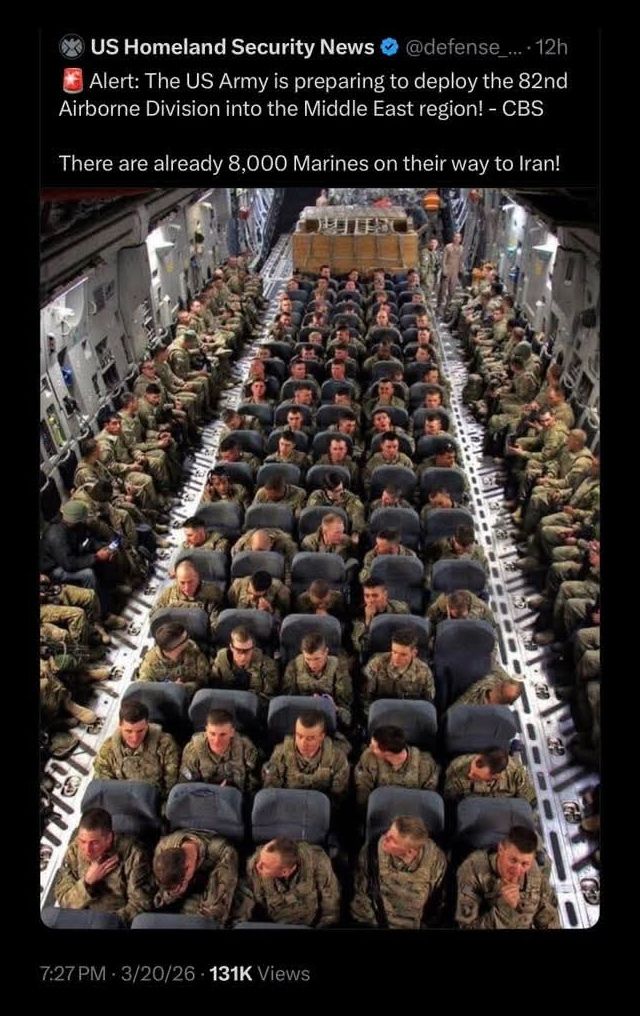
Military planning responses from the United States have introduced further risk. Deployment of approximately 8,400 light infantry personnel, consisting of marine units and elements of the 82nd Airborne Division, reflects a force composition lacking heavy armour, sustained artillery support, and logistical depth. These formations would be operating against an adversary with numerical superiority, extensive use of multiple launch rocket systems, and dense short-range precision firepower. The imbalance between deployed capability and operational environment suggests a high probability of severe losses without achieving decisive objectives, particularly in the context of Iran’s interior lines and strategic depth.
Escalation dynamics have shifted in a manner that challenges established doctrine. Analysts including Glenn Diesen have argued that the expectation of unilateral escalation control by the United States has eroded, as adversaries increasingly reject constraints on target selection and response scope. Iranian actions have reflected this position, extending retaliation to states hosting United States assets and to associated infrastructure. This approach has broadened the conflict’s geographic and political footprint, introducing risk for additional actors including European states that have assumed a degree of insulation from direct consequences.
Diplomatic signalling has proceeded alongside military escalation, though with limited convergence. Reported United States proposals, circulated through media channels, contain conditions that align poorly with Iranian stated objectives, leading to assessments that such proposals function primarily as instruments of market management rather than genuine negotiation frameworks. Legal analyst Robert Barnes has characterised these initiatives as structured to create an appearance of engagement while maintaining strategic pressure. Iranian demands, communicated through regional outlets, include binding guarantees against renewed conflict, removal of foreign military bases, compensation mechanisms, and restructuring of governance over the Strait of Hormuz. These positions reflect an assessment within Tehran that current conditions provide leverage sufficient to pursue maximal outcomes.
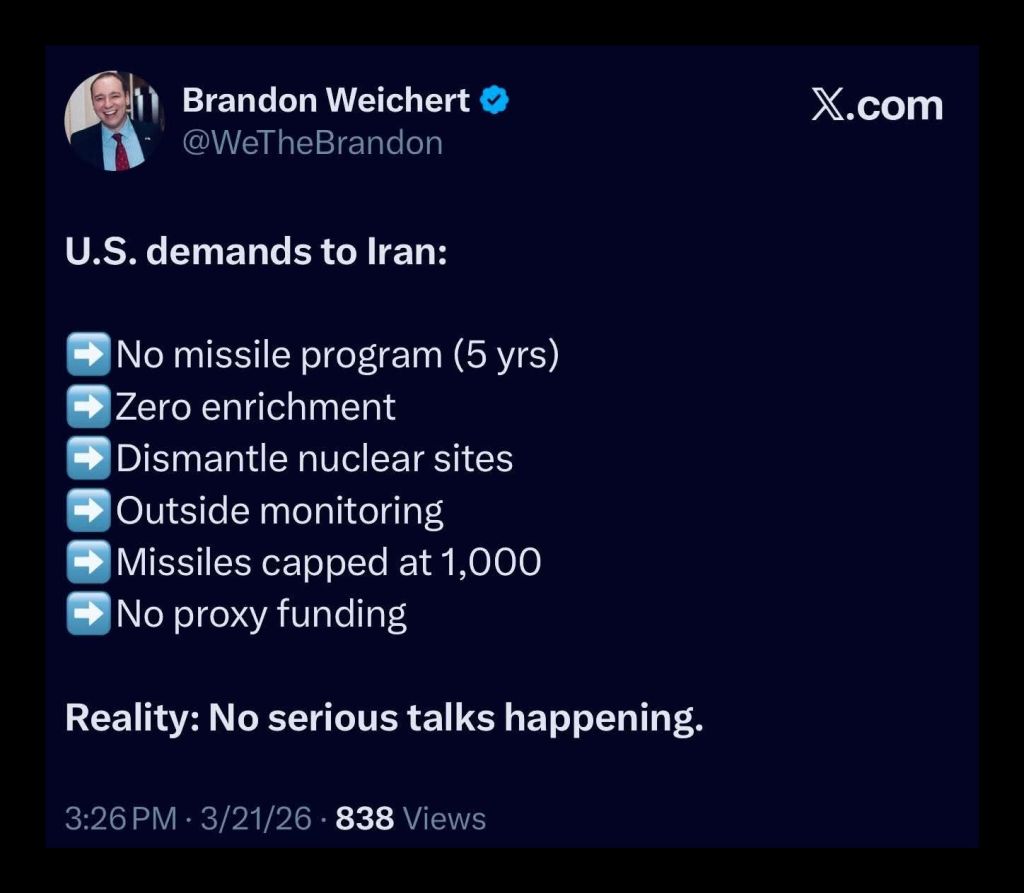
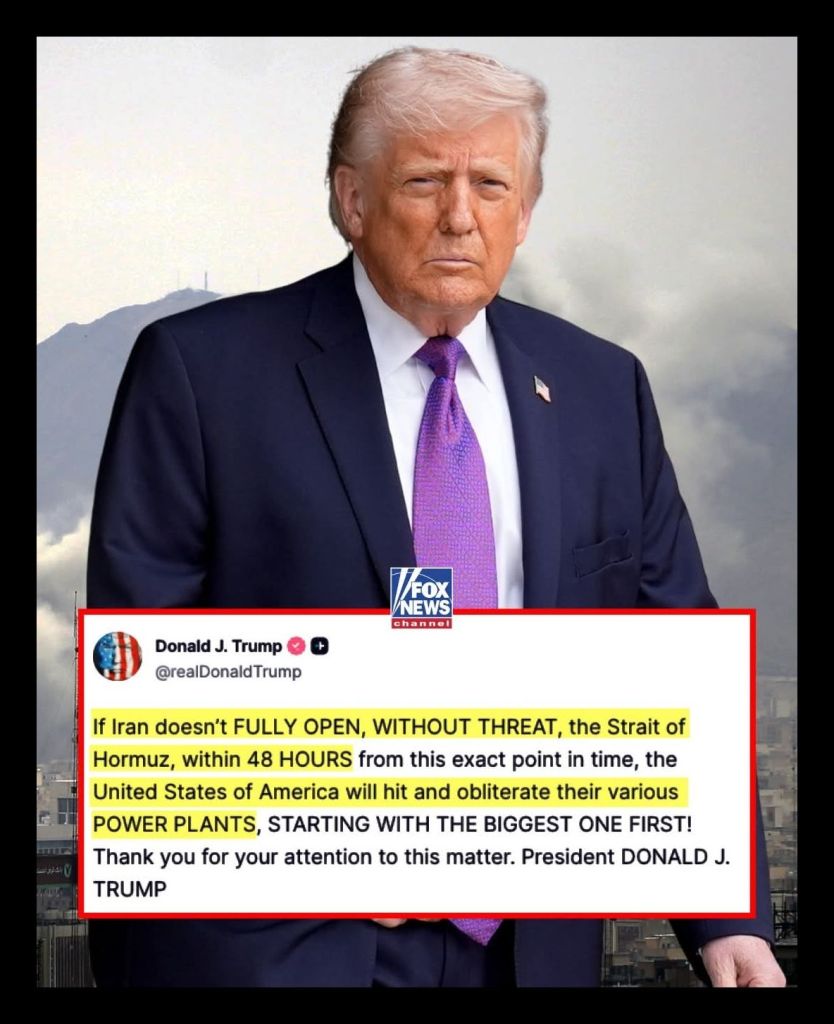
Emerging details of United States draft terms indicate a negotiating position structured around conditions that would require unilateral Iranian disarmament across multiple domains, including the suspension of its missile programme, the elimination of uranium enrichment, the dismantling of key nuclear facilities, externally imposed inspection regimes, regional arms limitations, and the severing of all support to aligned non-state actors. Reporting on these proposals indicates that they were formulated despite prior operational strikes on the same infrastructure, effectively demanding formal acceptance of strategic losses already inflicted. In parallel, public ultimatums have included deadlines for reopening the Strait of Hormuz under threat of further destruction of Iranian energy infrastructure, reinforcing a coercive framework rather than reciprocal negotiation . Iranian counter-positions have moved in the opposite direction, calling for binding guarantees against renewed conflict, removal of foreign military presence across the region, compensation for damages, and a restructuring of legal control over the Strait. The structural gap between these positions renders convergence improbable. The configuration of demands and counter-demands reflects a pattern observed in previous conflicts, where proposals are advanced in forms unlikely to be accepted, allowing subsequent attribution of diplomatic failure to the opposing side while sustaining military and economic pressure.
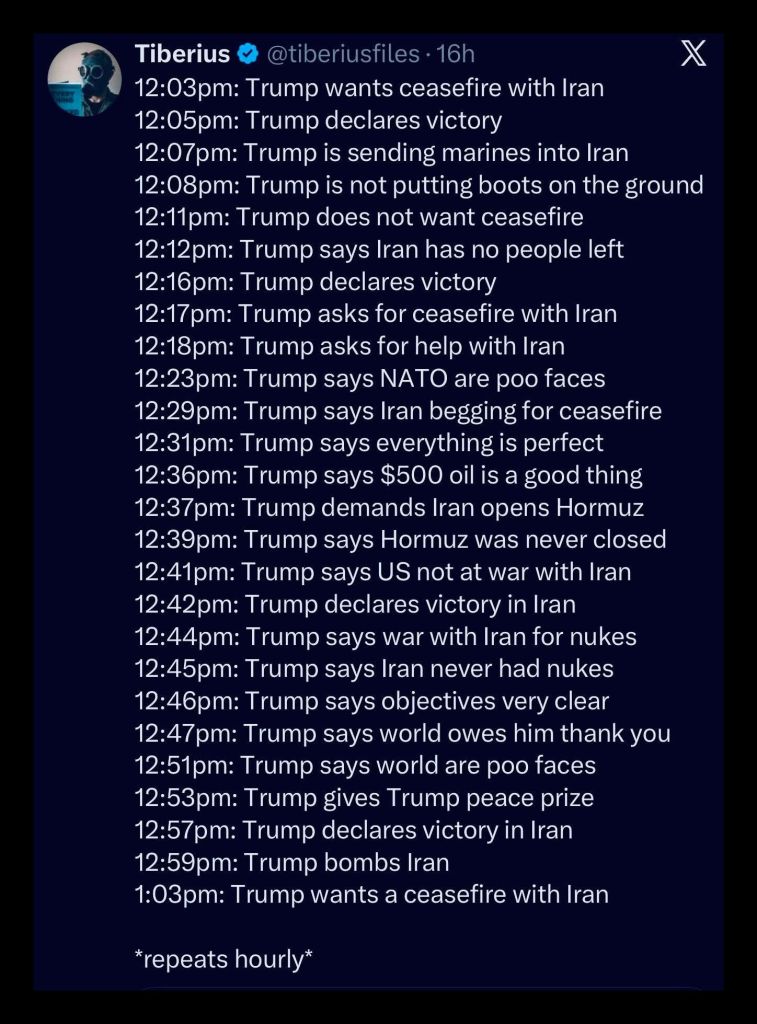
Political signals from leadership in Washington and Tel Aviv indicate recognition of mounting costs alongside a broader strategic objective extending beyond the immediate theatre. Statements and actions point toward an effort to reshape control over Gulf energy flows as part of a wider contest with China and Russia, where restriction of Chinese access to hydrocarbons remains a central consideration. Control over the Strait of Hormuz offers one mechanism, yet continued Iranian resistance has introduced an alternative pathway in which sustained conflict degrades the export capacity of the entire Gulf region. The Gulf countries including Israel are transnational proxies and expendable just like Ukraine. Strikes on LNG, refinery, and helium infrastructure across multiple states already demonstrate that regional energy systems are being drawn into the conflict irrespective of formal alliance structures. Public threats to expand targeting to Iranian energy facilities, combined with tolerance for disruption affecting partner states, indicate willingness to accept broader destruction of supply rather than allow adversarial access to remain intact. European dependence on Gulf energy has received limited accommodation within this framework, with pressure applied for greater participation despite exposure to supply shocks, reflecting a hierarchy of strategic priorities in which allied economic stability is secondary to constraining rival powers. The combination of coercive demands, escalation threats, and acceptance of systemic disruption reflects a deliberate approach to leverage energy denial as an instrument of geopolitical competition rather than a by-product of conflict management.
The conflict has also introduced risks extending beyond conventional military outcomes. Concerns have been raised regarding the possibility of uncontrolled escalation should one side perceive strategic defeat as imminent. The scale of economic disruption already evident, combined with the centrality of the region to global energy supply, amplifies the potential consequences of further escalation. Statements suggesting willingness to target all regional energy exports, including those of allied states, indicate a readiness to accept broad economic damage as a strategic instrument, particularly in the context of competition over resource access with major consumers such as China.
British involvement has drawn explicit response from Tehran, with official statements identifying United Kingdom assets and installations in the region as potential targets. This development reflects the extension of deterrence logic to all participants providing operational support, thereby widening the scope of potential engagement and increasing the vulnerability of distributed military and diplomatic infrastructure.
Endurance remains a defining factor. Iranian assessments indicate confidence in the capacity to absorb continued strikes while sustaining operational tempo, supported by strategic depth and decentralised capabilities. In contrast, the economic and political constraints facing the United States and its allies impose limits on the duration and intensity of sustained engagement. Historical analogies to Vietnam and Afghanistan have been invoked, though the present situation differs in that Iran is not confined to defensive resistance but is actively contesting across multiple domains simultaneously.
Authored By: Global GeoPolitics
Thank you for visiting. If you believe journalism should serve the public, not the powerful, and you’re in a position to help, becoming a PAID SUBSCRIBER truly makes a difference. Alternatively you can support by way of a cup of coffee:
https://buymeacoffee.com/ggtv |
https://ko-fi.com/globalgeopolitics |
Bitcoin: 3NiK8BoRZnkwJSHZSekuXKFizGPopkE7ns


Leave a comment