
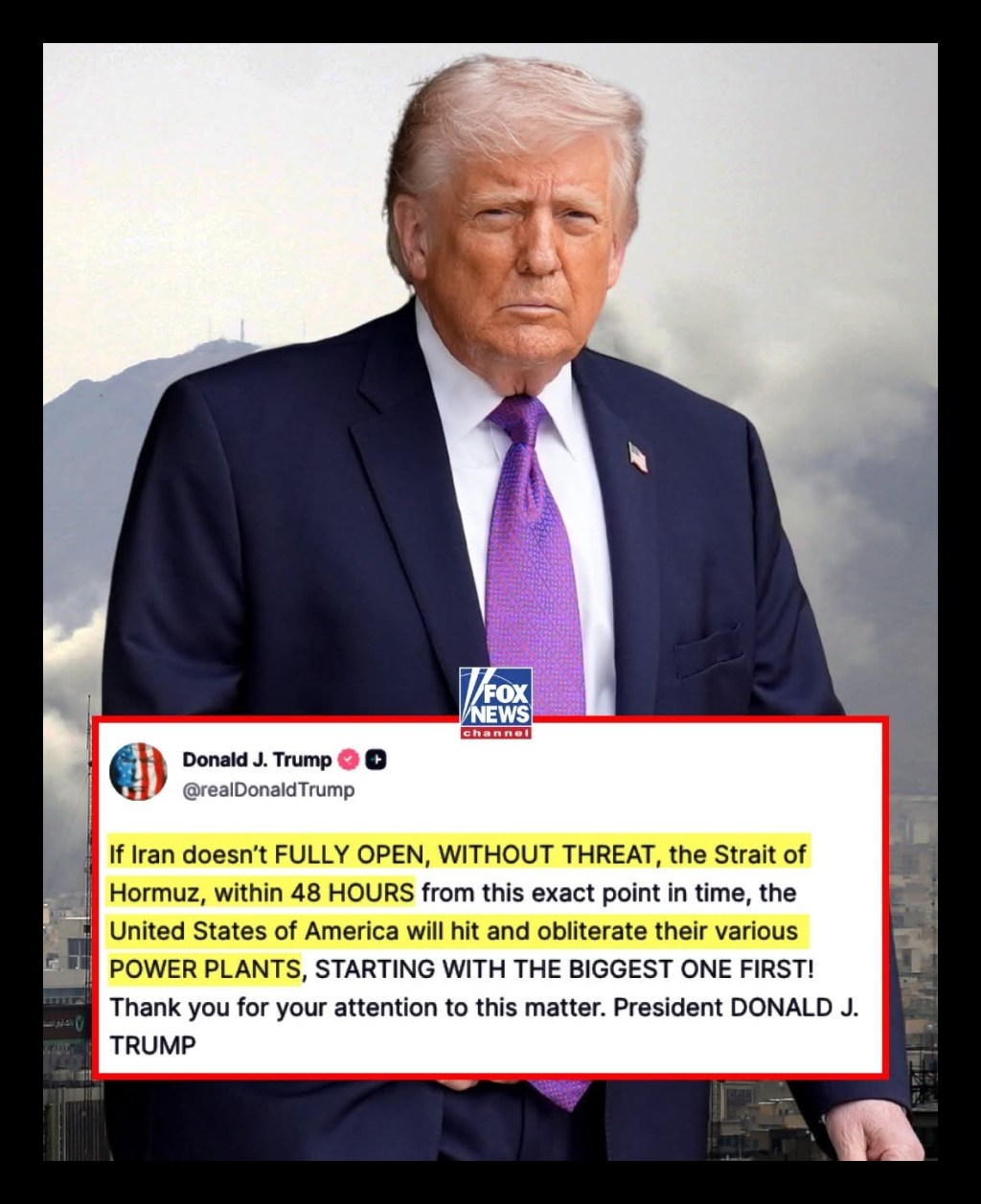
Repeated cycles of reassurance followed by unchanged conflict conditions show messaging functioning as a temporary volatility management tool rather than a reflection of reality
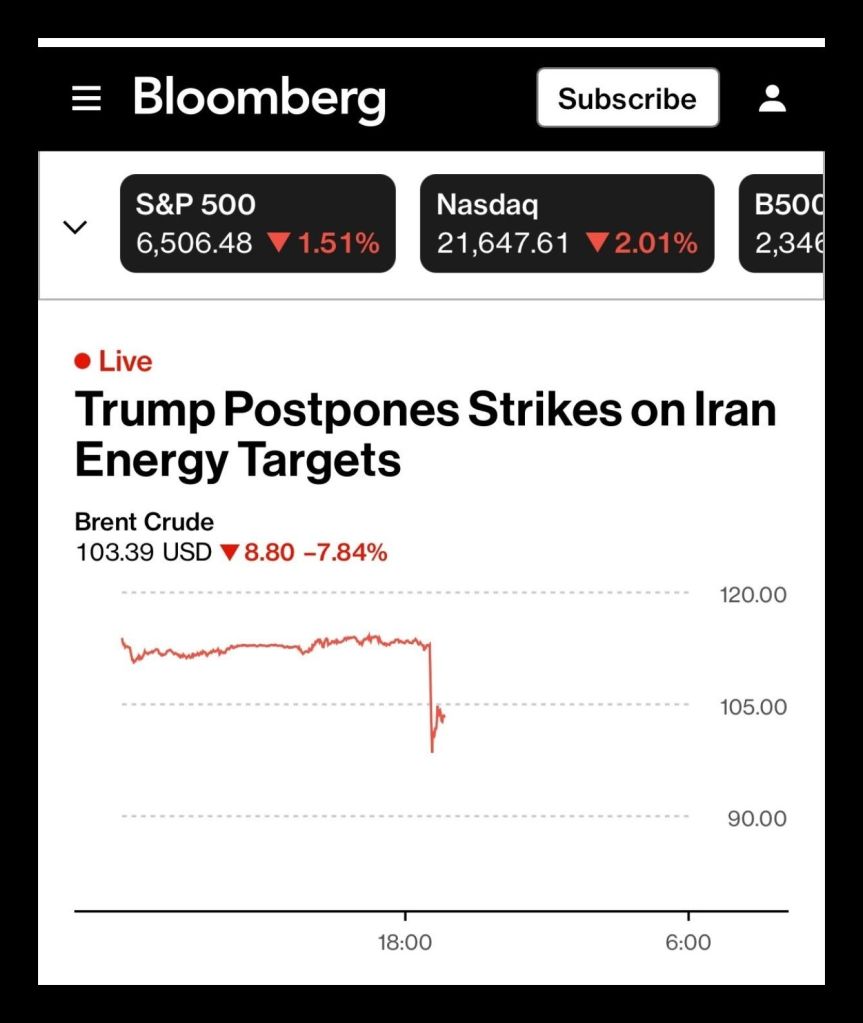
Statements issued by Donald Trump over the past three weeks show a repeatable interaction between political messaging and immediate market response, with timing, content, and outcome forming a consistent sequence rather than isolated events. Market data across early March to the present demonstrates that each assertion of imminent resolution, containment, or delay in escalation produces a short-term easing in oil prices and a rebound in equities, followed by rapid reversion once underlying conditions remain unchanged.
On 3 March, following the initial military strikes, oil prices surged sharply as shipping through the Strait of Hormuz was disrupted and supply risk increased, with prices climbing from the mid-$60 range in February to above $80 within days (Axios). That movement reflected physical constraints rather than narrative influence, with insurers, shippers, and energy firms reacting to direct threats to infrastructure and transit routes. Subsequent messaging from Washington attempted to reframe that surge as driven by “fear” rather than shortage, indicating early recognition that expectations, not just supply, were shaping price formation (Axios).
By 9-10 March, a clear example of narrative intervention appears. Trump publicly stated that the war would be over “very soon” and described military objectives as largely complete. Within hours, oil prices fell sharply from four-year highs approaching $120 per barrel, while equity markets in Europe and the United States rebounded (ITVX). Brent crude dropped by as much as ten per cent in a single trading window, moving below $90 in some sessions, despite no structural change in shipping risk or production capacity (The Independent). The only variable that shifted in that moment was the forward expectation of conflict duration, communicated directly by the United States president.
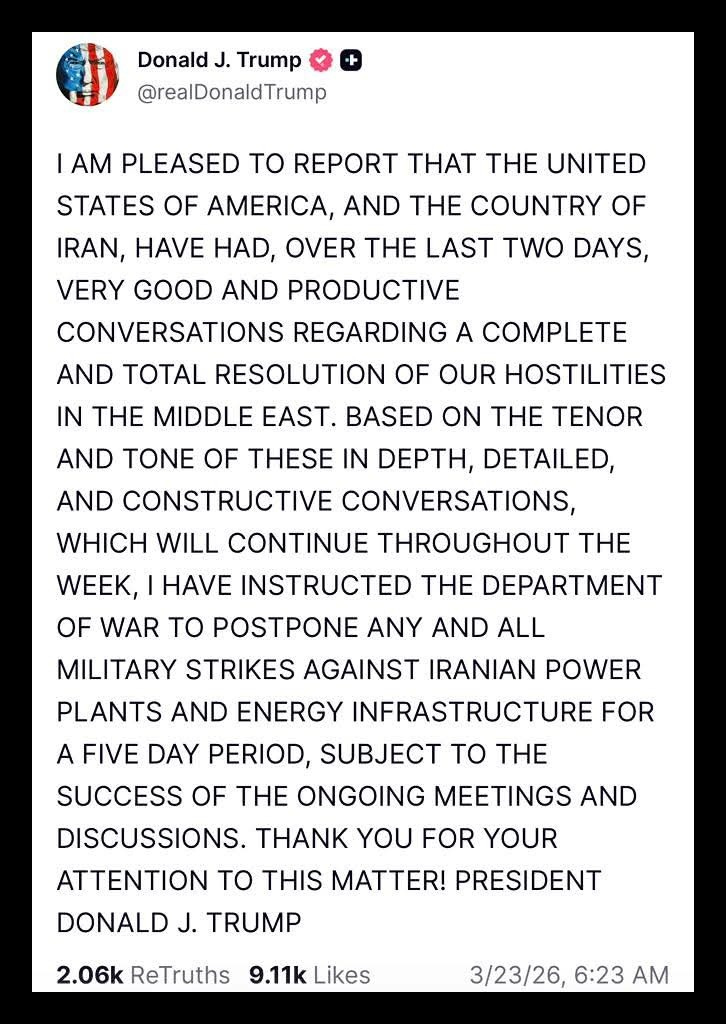
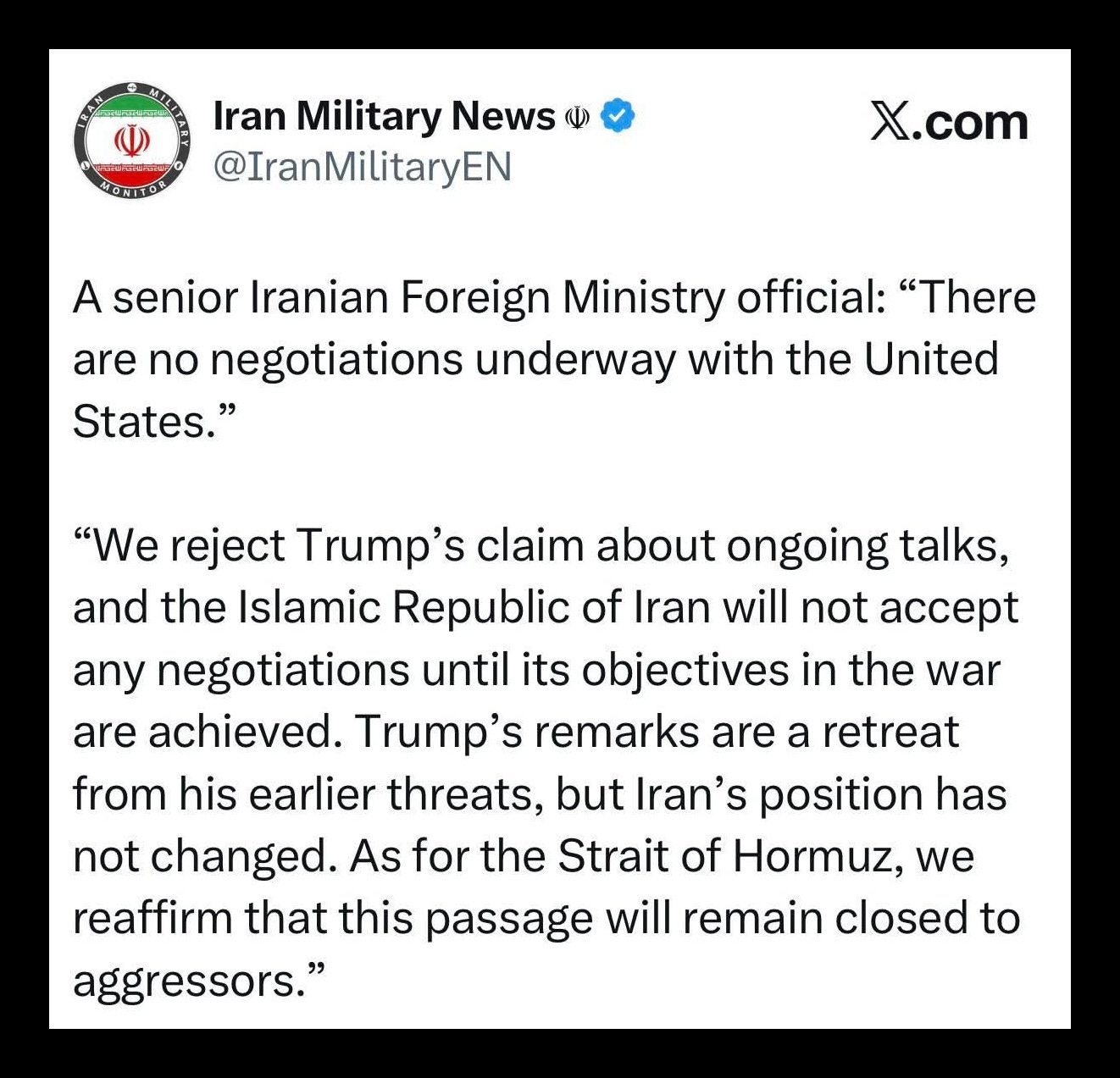
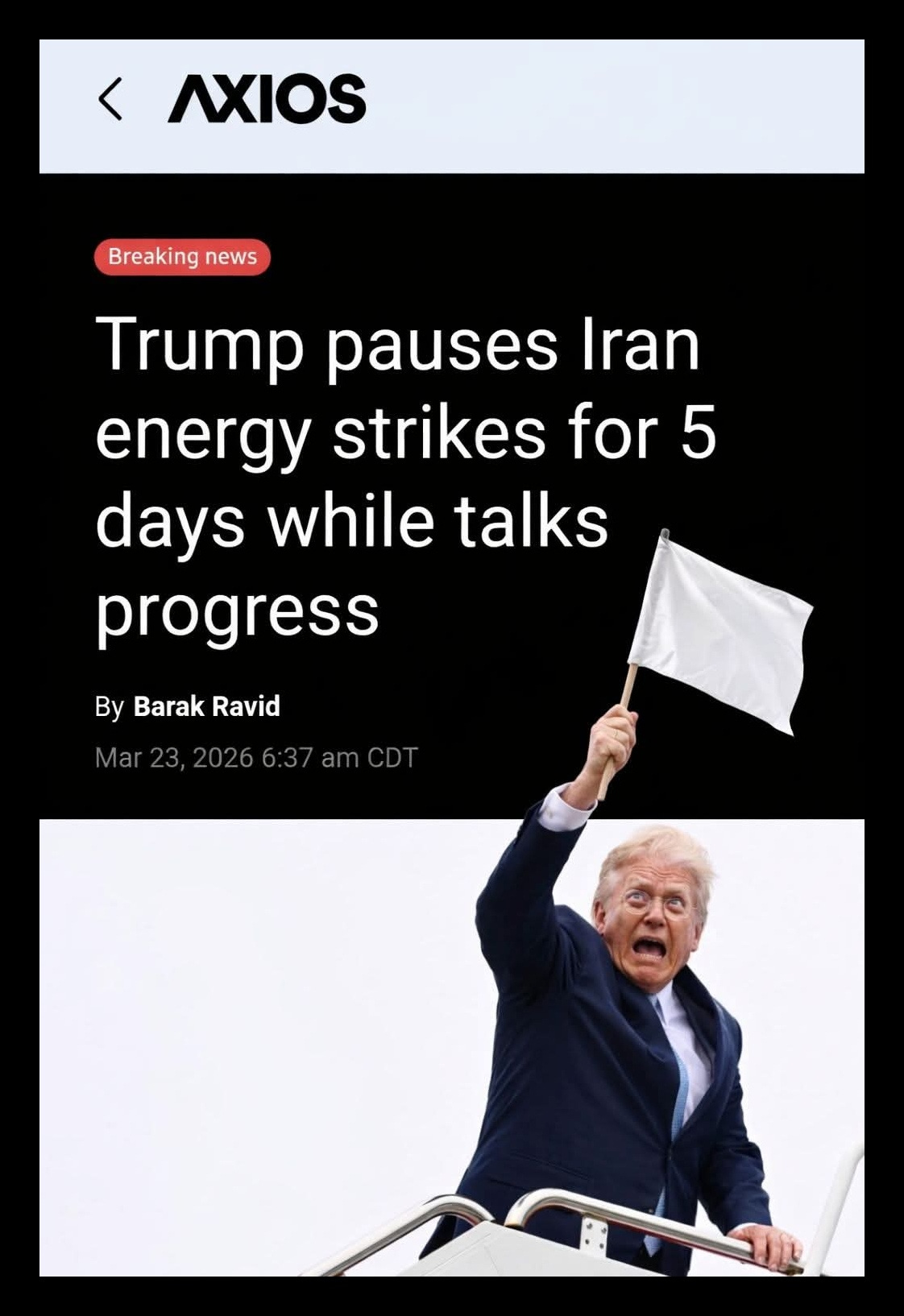
A second sequence occurred on 23 March. Trump announced a five-day postponement of strikes on Iranian power infrastructure, coupled with claims of “productive” discussions. Markets responded immediately. Oil prices fell between five and seven per cent, Brent moving toward the low $100 range, while stock futures rose and bond yields eased (The Guardian). The reaction again reflected pricing of reduced short-term escalation risk rather than confirmation of diplomatic progress. Iranian officials simultaneously denied any negotiations and attributed the pause to deterrence threats, yet those statements failed to reverse the initial market move (Reuters).
A third pattern emerges in the days following such announcements. Relief proves temporary. By 22–23 March, oil prices returned above $110 per barrel as markets reassessed the durability of any de-escalation signal and refocused on the continued closure of the Strait of Hormuz and ongoing infrastructure damage (Axios). The same cycle repeats: verbal de-escalation produces immediate price relief, followed by re-pricing based on physical constraints and operational realities.
These examples establish a consistent mechanism. Markets respond to forward guidance on conflict trajectory, even when that guidance lacks confirmation from opposing actors or observable change on the ground. Pricing models in energy markets incorporate probability distributions over future supply disruption. Statements from actors with capacity to alter those probabilities shift the distribution instantly, even if only for a short duration.
The question of why markets respond to Washington rather than Tehran requires examination of structural power rather than messaging clarity. United States controls key elements that directly affect global pricing: naval access to shipping lanes, sanction regimes, insurance guarantees, and coordination with major producers. Statements issued by its leadership therefore carry embedded policy risk. Traders interpret such statements not as descriptions of reality but as signals of potential action that could materially alter supply.
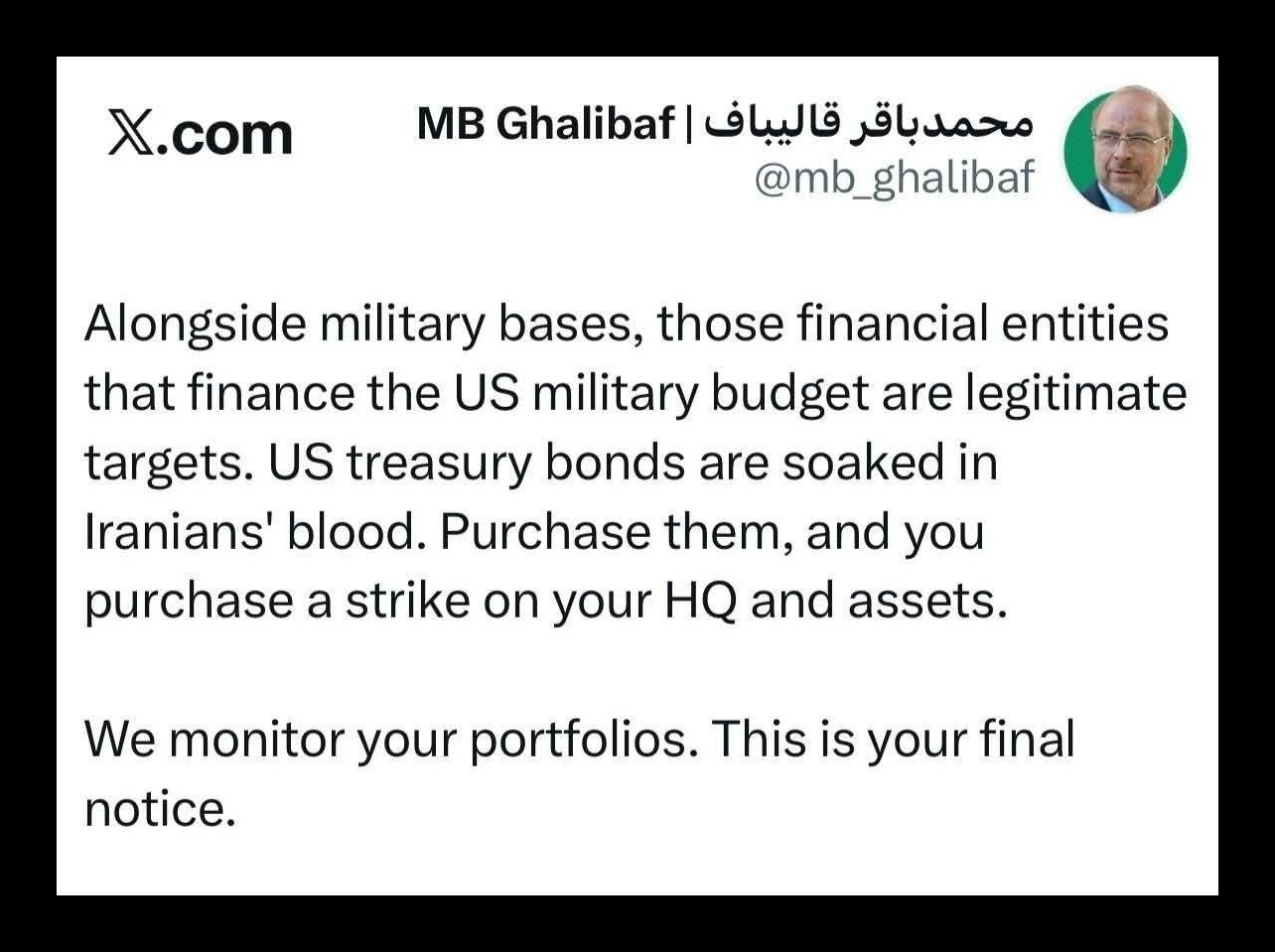
Iran, despite issuing more specific and internally consistent statements, operates from a different position within the global system. Iranian declarations regarding retaliation, closure of the Strait of Hormuz, or long-term restructuring of regional security architecture are often detailed and aligned with observed actions, including threats to shipping and infrastructure. Evidence shows that these actions do affect markets when physically realised, as seen in the initial surge in early March when transit disruptions drove prices upward (PolitiFact). Messaging alone, however, lacks the same immediate pricing effect because markets already assume a baseline level of Iranian resistance and disruption.
Consistency in Iranian communication reduces its marginal impact. When a position remains unchanged, new statements add limited information. Markets require new signals to reprice risk. Iranian officials have maintained a steady line that conflict will continue until deterrence objectives are achieved, that retaliation will target regional infrastructure, and that the Strait of Hormuz will not return to prior security arrangements. These positions, while clear, are already embedded in market expectations. Additional repetition does not shift pricing unless accompanied by escalation beyond what has already been assumed.
By contrast, variability in Trump’s messaging creates repeated repricing events. Assertions of imminent victory, followed by threats of escalation, followed by claims of negotiation, introduce new possible paths for the conflict within short timeframes. Each variation forces markets to reassess probabilities. Volatility in messaging produces volatility in pricing. Stability in messaging produces absorption into baseline expectations.
The durability of market belief in such statements appears limited and diminishing. Early March reactions showed large price swings following presidential claims of rapid resolution. By late March, responses remain visible but shorter in duration and smaller in magnitude, with prices rebounding more quickly after initial declines. Reports indicate that confidence in a swift resolution is weakening, and that investors increasingly expect prolonged disruption regardless of political assurances (Axios). This shift suggests that markets are beginning to discount verbal signalling and place greater weight on observable constraints such as blocked shipping routes and damaged infrastructure.
Duration of effectiveness therefore follows a recognisable curve. Initial statements carry strong influence when uncertainty is high and outcomes remain open. Repeated divergence between claims and reality reduces credibility, shortening the lifespan of each subsequent market reaction. Current data indicates that reactions now operate on intraday or short multi-day horizons rather than sustained trends.
The interaction between messaging and markets over this period supports a narrower conclusion. Political communication has functioned as a tool for short-term volatility management rather than long-term expectation setting. Statements indicating delay or resolution temporarily suppress price spikes and stabilise financial conditions. Underlying conditions, including restricted transit through a critical energy chokepoint and ongoing military operations, reassert themselves once the absence of structural change becomes clear.
Iranian messaging, though consistent and aligned with operational posture, lacks the same capacity to shift short-term pricing because it introduces little new information and originates from a position with less direct control over global financial mechanisms. United States messaging, even when contradicted, continues to move markets because it signals potential changes to those mechanisms.
Observed evidence across the past three weeks shows that markets do not assess truth in these statements in any immediate sense. Markets assess impact. Statements from actors capable of altering supply, transport, and financial conditions move prices regardless of verification. Statements from actors already assumed to maintain a fixed position do not. Over time, repeated misalignment between words and outcomes reduces the effect, but does not eliminate it, as long as the underlying capacity to act remains concentrated on one side.
Authored By: Global GeoPolitics
Thank you for visiting. This is a reader-supported publication. If you believe journalism should serve the public, not the powerful, and you’re in a position to help, becoming a PAID SUBSCRIBER truly makes a difference. Alternatively you can support by way of a cup of coffee:
https://buymeacoffee.com/ggtv |
https://ko-fi.com/globalgeopolitics |
Bitcoin: 3NiK8BoRZnkwJSHZSekuXKFizGPopkE7ns
Reference list
Axios (2026) Oil prices surge after Iran conflict escalation and U.S. response. Available at: https://www.axios.com/2026/03/03/oil-prices-iran-trump-rubio-mitigate-costs
Axios (2026) Trump attributes oil price increases to market fear amid Iran tensions. Available at: https://www.axios.com/2026/03/08/trump-oil-prices-iran-fear-strait-hormuz/
ITV News (2026) Trump claims Iran war will end soon as oil prices fall sharply. Available at: https://www.itv.com/news/2026-03-10/trump-says-war-against-iran-will-be-over-very-soon-as-oil-prices-fall
The Independent (2026) Oil prices drop following Trump comments despite continued conflict risk. Available at: https://www.independent.co.uk/bulletin/news/iran-war-oil-prices-today-b2935293.html
The Guardian (2026) Markets rise and oil prices fall after Trump delays strikes on Iran. Available at: https://www.theguardian.com/business/2026/mar/23/stock-markets-donald-trump-iran-gold-oil-prices
Reuters (2026) Trump postpones strikes on Iranian infrastructure amid market pressure. Available at: https://www.reuters.com/world/trump-postpones-military-strikes-iranian-power-plants-2026-03-23/
Axios (2026) Oil prices rebound as Iran conflict risks persist and Hormuz disruption continues. Available at: https://www.axios.com/2026/03/22/iran-war-oil-trump-hormuz-strait-threat
PolitiFact (2026) Energy market impact of Iran war and Strait of Hormuz disruption explained. Available at: https://www.politifact.com/article/2026/mar/04/gasoline-prices-iran-war-trump-hormuz/


Leave a comment