
Financial markets
-
Big Tech Is Borrowing Hundreds of Billions to Bet on AI – And the Bet Isn’t Paying Off (Yet)

Amazon, Microsoft, Google, Meta and Oracle are borrowing at an unprecedented rate to fund AI infrastructure, even as memory prices climb and the revenue to justify the spending remains unproven Microsoft, Amazon, Alphabet, Meta and Oracle built their market value over two decades on a specific financial identity, cash-generative software businesses that required comparatively little… Continue reading
-
One Battle, Two Press Releases: Hormuz and the Crisis of American Deterrence
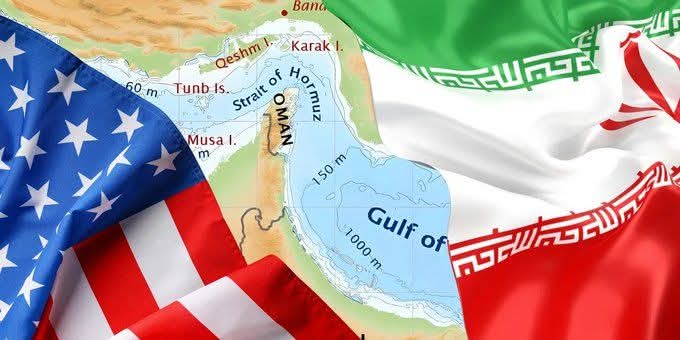
The Persian Gulf confrontation exposed the widening gap between military optics and operational control, while financial stabilisation and military escalation merged into the same strategic system A naval withdrawal inside the Strait of Hormuz would mark a strategic rupture extending far beyond one contested waterway, because the credibility of American maritime supremacy depends upon sustained… Continue reading
AI and Digital Control, America, China, economics, Energy, EUROPE, Financial markets, Foreign Policy, Geopolitics, Global Finance, iran, israel, middle east, Mineral Resources, NATO, politics, reserve currency, Russia, warAmerican Power, anti-access area denial, asymmetric warfare, Clausewitz, Coercive Credibility, Currency Systems, Defence Economics, dollar hegemony, energy security, escalation dominance, Financial markets, financial stability, Game Theory, Geoeconomics, Geopolitics, global order, Hormuz Crisis, imperial decline, international relations, iran, IRGC, maritime chokepoints, Maritime Strategy, Middle East security, military doctrine, Military Industrial Base, military strategy, Missile Saturation, multipolarity, Naval Warfare, Persian Gulf, Plunge Protection Team, political economy, realism, sea power, Strait of Hormuz, Strategic Geography, strategic studies, systemic risk, United States Navy -
U.S. Financial Losses Signal Market Breakdown and Risk of Economic Contraction

Energy disruption, inflation, rising debt costs, and global repricing of U.S. assets place sustained pressure across the entire economic system A sharp break in United States financial markets during the final week of March 2026 raised the risk of a broader economic contraction extending beyond equities into the core functions of the economy and its… Continue reading
AI and Digital Control, America, China, economics, Energy, EUROPE, Financial markets, Foreign Policy, Geopolitics, Global Finance, iran, israel, middle east, Mineral Resources, NATO, politics, reserve currency, Russia, warbond yields, capital flows, currency movements, economic contraction, energy crisis, federal reserve, Financial markets, geopolitical risk, global economy, inflation, interest rates, Iran conflict, labour market, layoffs, Lebanon conflict, liquidity, market volatility, Oil Prices, stagflation, stock market decline, Strait of Hormuz, systemic risk, Treasury market, US dollar, US economy -
Gate of Tears, Strait of No Return

How simultaneous chokepoint warfare has trapped global trade between two narrowing exits, a strategic game the West cannot easily exit The Houthi declaration of entry into the war alters the structure of the conflict in a measurable way that can be tested against known data on maritime flows, energy dependency, escalation theory, and capital market… Continue reading
AI and Digital Control, America, economics, Energy, EUROPE, Financial markets, Foreign Policy, Geopolitics, iran, israel, middle east, NATO, politics, Russia, warasymmetric warfare, bab el mandeb, chokepoint warfare, economic warfare., energy crisis, energy infrastructure attacks, Escalation dynamics, Financial markets, Game Theory, Geopolitics, global inflation, global trade disruption, houthis, Iran strategy, maritime security, Middle East conflict, multipolar world order, oil markets, oil price volatility, petrodollar system, proxy warfare, red sea crisis, regime resilience, shipping routes, sovereign debt risk, Strait of Hormuz, strategic endurance, supply chains, Ukraine-Russia war, Yemen war -
How Donald Trump’s Pre-Market Statements Shape Oil Prices To Buy Time During the Unprovoked Iran Conflict
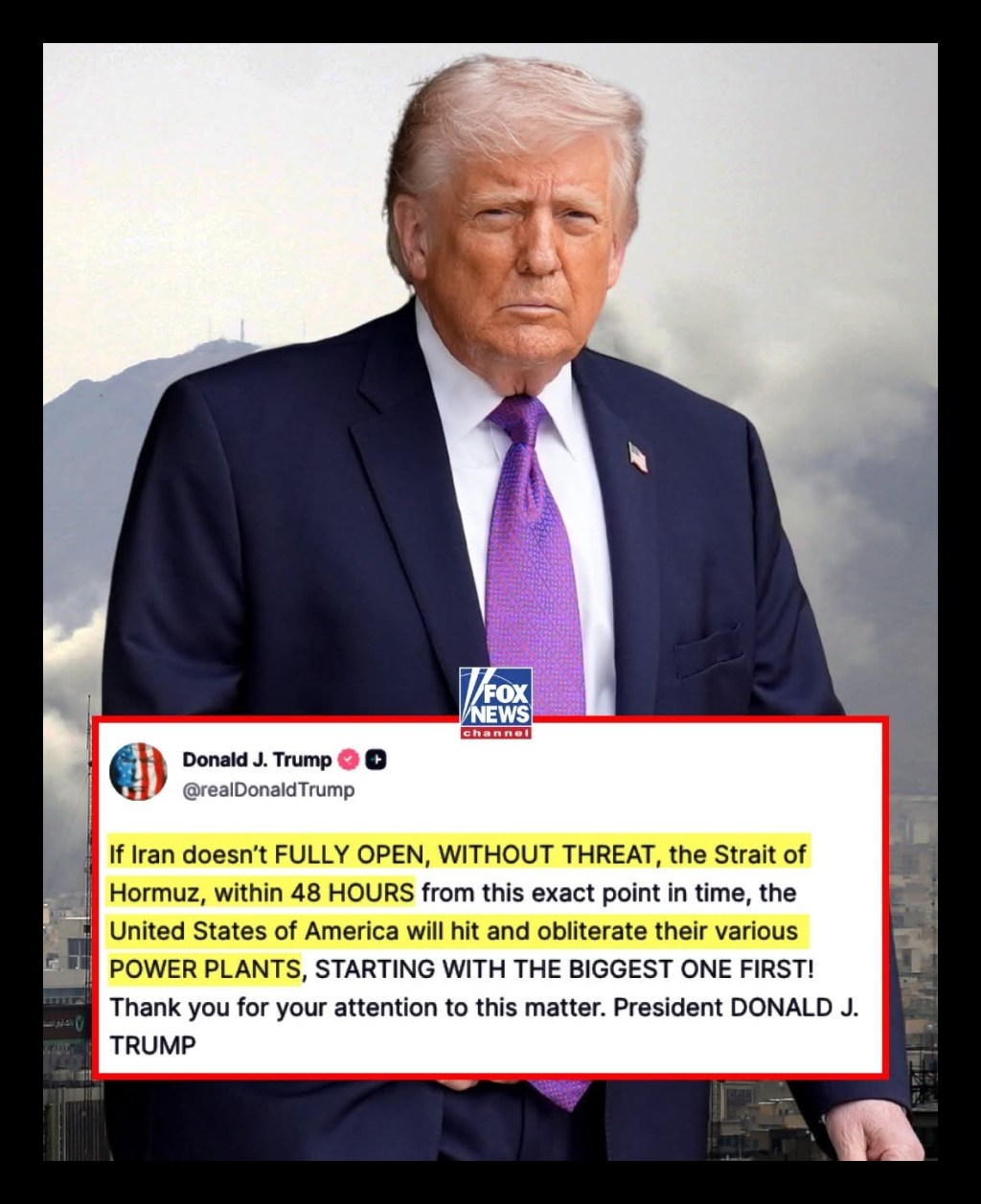
Repeated cycles of reassurance followed by unchanged conflict conditions show messaging functioning as a temporary volatility management tool rather than a reflection of reality Statements issued by Donald Trump over the past three weeks show a repeatable interaction between political messaging and immediate market response, with timing, content, and outcome forming a consistent sequence rather… Continue reading
AI and Digital Control, America, economics, Energy, EUROPE, Financial markets, Foreign Policy, Geopolitics, Global Finance, iran, israel, middle east, Mineral Resources, NATO, politics, warbond markets, crude oil pricing, donald trump, energy prices, equity market reaction, Financial markets, geopolitical risk, investor behaviour, Iran conflict, Iranian foreign policy, market signalling, market volatility, oil markets, risk perception, sanctions, Strait of Hormuz, strategic communication, supply disruption, United States policy, war messaging
