
energy prices
-
A Union Built on Smoke and Mirrors
How the European Union constructed a substitute political project around the defence of Ukraine, financed it through budget headroom and loan guarantees rather than transparent appropriation, and now confronts a fiscal and legitimacy crisis that its ruling class cannot resolve without either abandoning the war or dismantling the financial architecture of liberal Europe. Editorial Analysis… Continue reading
AI and Digital Control, America, bond market, China, economics, Financial markets, Foreign Policy, Geopolitics, Global Finance, imperialism, iran, israel, japan, knowledge, middle east, Mineral Resources, NATO, neocolonialism, politics, reserve currency, Russia, technology, warAmerican Hegemony, austerity, budget headroom, class analysis, energy prices, European Union, Eurozone, financial architecture, France, Game Theory, Germany, inflation, loan guarantees, Marine Le Pen, materialism, Multiannual Financial Framework, NATO enlargement, proxy war, realism, Ukraine war, Wolfgang Münchau -
Europe Is Being Made Poor on Purpose
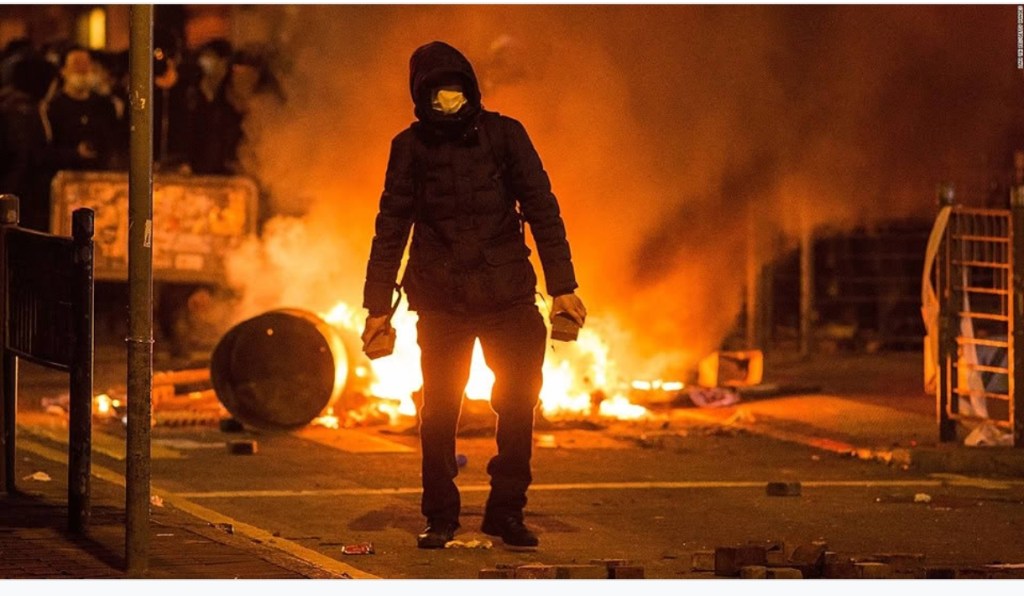
Why your wages buy less, your factories are closing, and the talk of war keeps growing How a rentier oligarchy extracts wealth through the cost of financing, deindustrialises its own productive base, and prepares populations for conflict over the world’s resource-rich periphery Editorial Analysis | October 2026 The economic condition of the advanced capitalist states… Continue reading
-
The Yen Crisis and the Unravelling of Dollar Hegemony
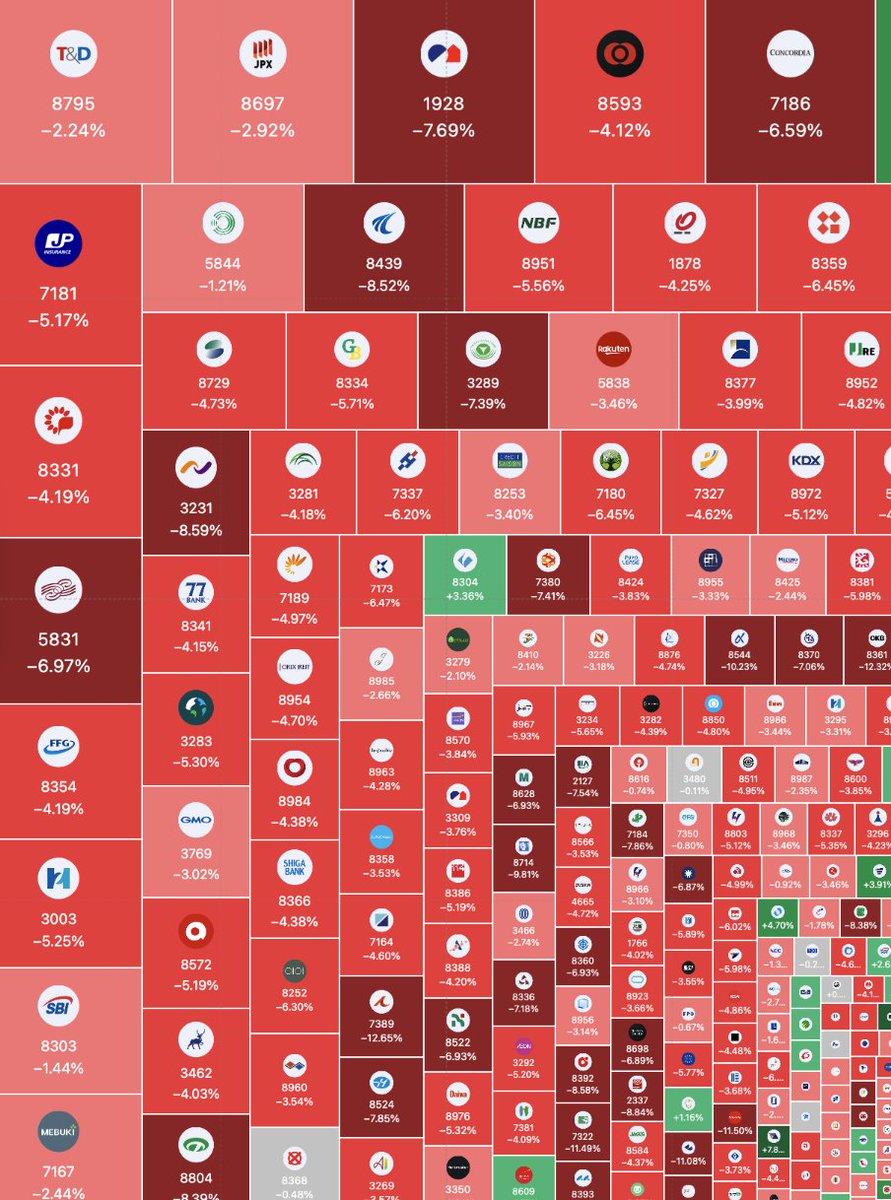
The Yen Crisis and the Unravelling of Dollar Hegemony: How America’s Energy War Is Breaking Its Own Financial System Editorial Analysis | August 2026 Japan’s currency has experienced its most dramatic decline in four decades, with the yen plunging to 163.99 per American dollar on 23 July 2026, a level not witnessed since 1986. This… Continue reading
-
How Donald Trump’s Pre-Market Statements Shape Oil Prices To Buy Time During the Unprovoked Iran Conflict
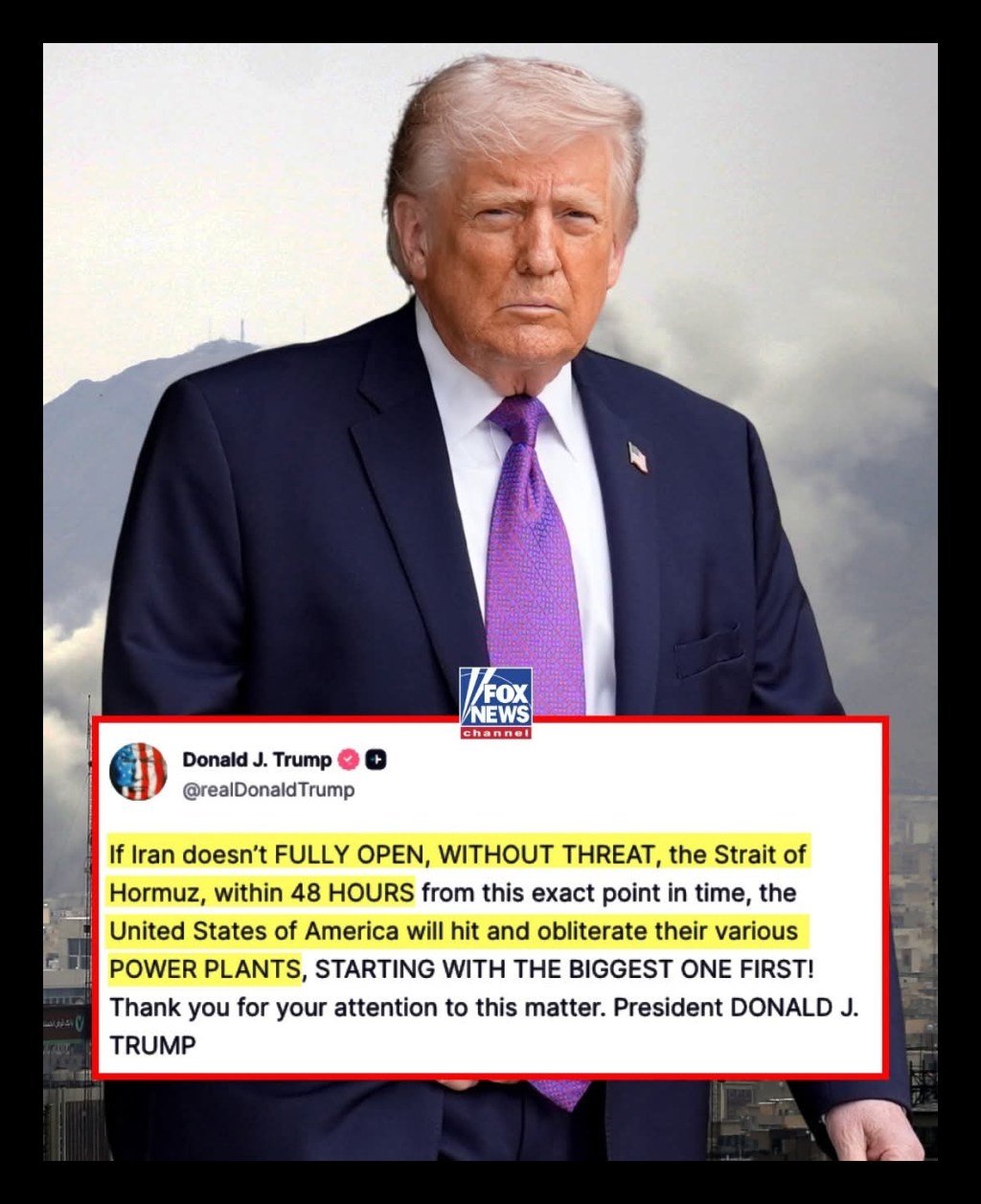
Repeated cycles of reassurance followed by unchanged conflict conditions show messaging functioning as a temporary volatility management tool rather than a reflection of reality Statements issued by Donald Trump over the past three weeks show a repeatable interaction between political messaging and immediate market response, with timing, content, and outcome forming a consistent sequence rather… Continue reading
AI and Digital Control, America, economics, Energy, EUROPE, Financial markets, Foreign Policy, Geopolitics, Global Finance, iran, israel, middle east, Mineral Resources, NATO, politics, warbond markets, crude oil pricing, donald trump, energy prices, equity market reaction, Financial markets, geopolitical risk, investor behaviour, Iran conflict, Iranian foreign policy, market signalling, market volatility, oil markets, risk perception, sanctions, Strait of Hormuz, strategic communication, supply disruption, United States policy, war messaging
