
Iran conflict
-
The Extension of Empire – Israel as America’s Forward Military Arm
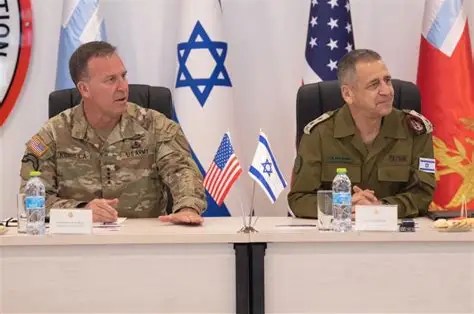
How US logistical support, intelligence sharing, and operational integration make Israeli military action inseparable from American strategic objectives Introduction: The Question of Agency Among the most persistent fictions in contemporary geopolitical commentary is the proposition that Israel acts as an independent military power, capable of initiating and sustaining major military operations without American approval or… Continue reading
AI and Digital Control, America, China, economics, Energy, EUROPE, Financial markets, Foreign Policy, Geopolitics, Global Finance, iran, israel, middle east, Mineral Resources, NATO, neocolonialism, politics, Russia, waraerial refuelling, CENTCOM coordination, energy security, global energy markets, intelligence sharing, Iran conflict, Israel defence, joint military operations, LNG exports, maritime chokepoints, Middle East geopolitics, military dependency, military industrial complex, Operation Roaring Lion, qualitative military edge, Strait of Hormuz, strategic dependence, US foreign policy, US-Israel alliance -
The Official Count is Fifteen

How the Pentagon Manufactured the Casualty Record of Operation Epic Fury Editorial Analysis | 29 May 2026 The United States government’s official position, as stated repeatedly by President Trump, by CENTCOM spokesman Captain Tim Hawkins, and by CENTCOM commander Admiral Brad Cooper at a Pentagon press conference, is that thirteen American service members died in… Continue reading
AI and Digital Control, America, Carribean, economics, EUROPE, Financial markets, Foreign Policy, Geopolitics, Global Finance, iran, israel, middle east, Mineral Resources, NATO, politics, reserve currency, Russia, warAmerican casualties overseas, American soldiers killed, armed conflict, battlefield losses, breaking news, casualty tracker, CENTCOM, combat casualties, defense news, drone attacks, Foreign Policy, Geopolitics, global conflict, Iran conflict, Iran crisis, Iran Israel US war, Iran missile attacks, Iran retaliation, Iran War, Kuwait base attack, Middle East war, military conflict, military losses, military operations, national security, Operation Epic Fury, Pentagon casualties, troop injuries, US airstrikes Iran, US defense, US military deaths, US military wounded, US service members, US troop casualties, US war casualties, US–Iran conflict, war death toll, war statistics, war updates, wartime casualties -
A War on Iran, A Strategy Against China
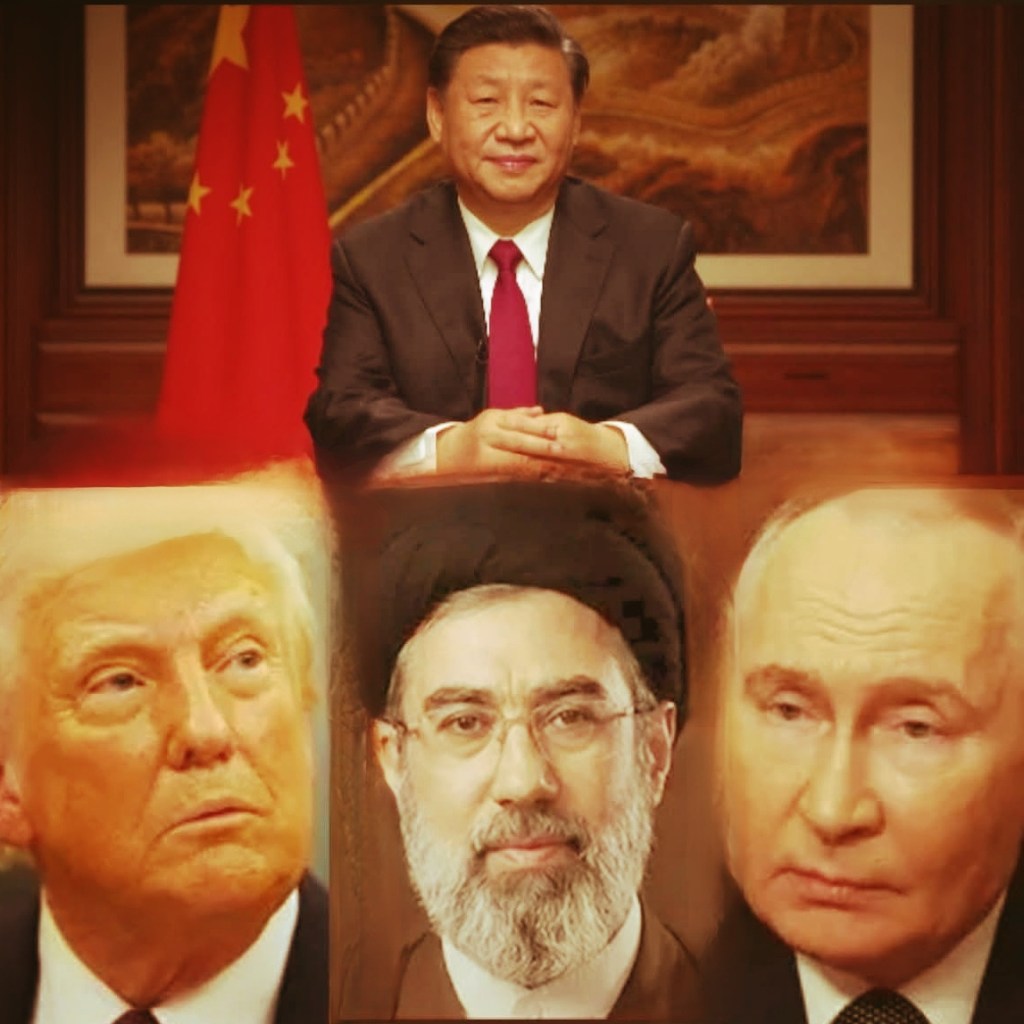
United States policy toward Iran reflects a broader strategy of energy control aimed at constraining China and maintaining systemic primacy The escalation of United States military and economic pressure against Iran must be understood within a broader strategic framework in which energy flows, maritime chokepoints, and financial systems intersect with long-term competition between major powers,… Continue reading
AI and Digital Control, America, China, economics, Energy, EUROPE, Financial markets, Foreign Policy, Geopolitics, Global Finance, iran, israel, middle east, Mineral Resources, NATO, politics, reserve currency, Russia, warBelt and Road Initiative, China containment, CPEC, de-dollarisation, economic warfare., energy geopolitics, energy security, financial systems, Geopolitics, global energy markets, global trade networks, great power rivalry, Iran conflict, maritime chokepoints, military strategy, multipolar world order, naval power, political economy, reserve currency, Russia-China relations, sanctions, Strait of Hormuz, Strategic Competition, supply chains, US foreign policy, US primacy -
Iran – The Last Window of Empire to Stop Multipolarity
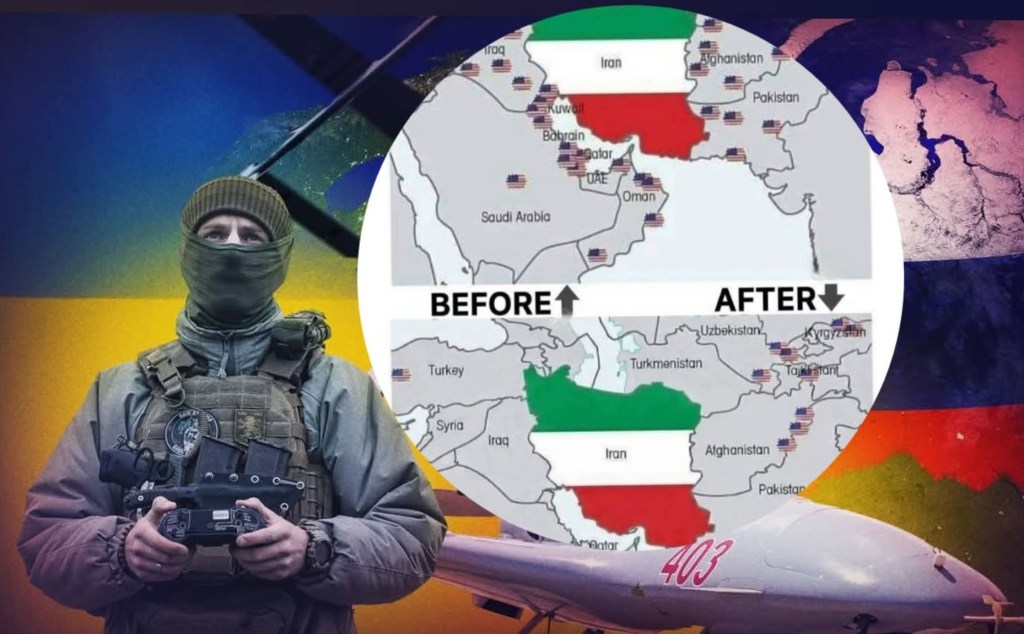
Why the War on Iran Signals a Final Attempt to Halt Multipolarity Before It Becomes Irreversible A structural rupture in the international system is already underway, and its trajectory has become effectively irreversible. The confrontation centred on Iran constitutes not a regional escalation but a terminal phase in the enforcement of a unipolar order that… Continue reading
AI and Digital Control, America, China, economics, Energy, EUROPE, Financial markets, Foreign Policy, Geopolitics, Global Finance, iran, israel, Latin America, middle east, Mineral Resources, NATO, politics, reserve currency, Russia, South East Asia, warChina Strategy, de-dollarisation, economic warfare., energy geopolitics, Game Theory, Geopolitics, global energy markets, global order, grand strategy, great power competition, hegemonic decline, imperial strategy, international relations theory, Iran conflict, Middle East geopolitics, multipolarity, petrodollar system, political economy, proxy warfare, Russia strategy, sanctions, Strategic Competition, systemic risk, unipolarity, US foreign policy -
U.S. Financial Losses Signal Market Breakdown and Risk of Economic Contraction

Energy disruption, inflation, rising debt costs, and global repricing of U.S. assets place sustained pressure across the entire economic system A sharp break in United States financial markets during the final week of March 2026 raised the risk of a broader economic contraction extending beyond equities into the core functions of the economy and its… Continue reading
AI and Digital Control, America, China, economics, Energy, EUROPE, Financial markets, Foreign Policy, Geopolitics, Global Finance, iran, israel, middle east, Mineral Resources, NATO, politics, reserve currency, Russia, warbond yields, capital flows, currency movements, economic contraction, energy crisis, federal reserve, Financial markets, geopolitical risk, global economy, inflation, interest rates, Iran conflict, labour market, layoffs, Lebanon conflict, liquidity, market volatility, Oil Prices, stagflation, stock market decline, Strait of Hormuz, systemic risk, Treasury market, US dollar, US economy -
Turkey and India Lead $82 Billion Dump of U.S. Treasuries
As foreign central banks dump U.S. bonds to defend their own economies, rising yields and shrinking demand threaten to destabilize the financial system underpinning American power. A financial shock is moving through the global system as foreign central banks offload tens of billions of dollars in U.S. Treasuries in a matter of weeks in favor… Continue reading
-
Turkey and India Lead $82 Billion Dump of U.S. Treasuries
As foreign central banks dump U.S. bonds to defend their own economies, rising yields and shrinking demand threaten to destabilize the financial system underpinning American power. A financial shock is moving through the global system as foreign central banks offload tens of billions of dollars in U.S. Treasuries in a matter of weeks in favor… Continue reading
-
A System That Charges Gulf States for Protection
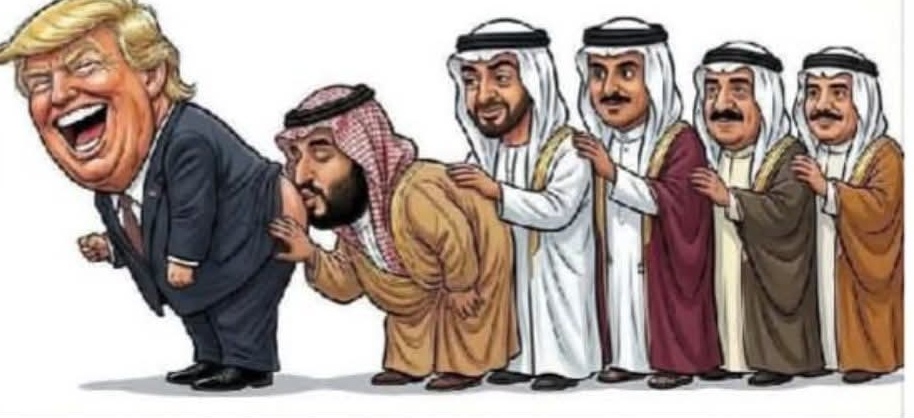
How Gulf states bankroll U.S. military presence while buying weapons and defending the petrodollar (Disclaimer: I did not create the headline cartoon image) The Gulf states are charged for the “myth” of protection. They didn’t start the Iranian war nor were they even consulted. They just woke up to the news of the double tap… Continue reading
AI and Digital Control, China, economics, Energy, EUROPE, Financial markets, Foreign Policy, Geopolitics, Global Finance, iran, israel, middle east, NATO, politics, reserve currency, wararms sales, defense spending, economic dependence, financial systems, Gulf States, imperialism, Iran conflict, Middle East geopolitics, military dependence, Mohammed bin Salman, oil markets, petrodollar, Saudi Arabia, sovereign wealth funds, Trump administration, U.S. bases, U.S. foreign policy, U.S. superpower, Washington influence -
How Donald Trump’s Pre-Market Statements Shape Oil Prices To Buy Time During the Unprovoked Iran Conflict
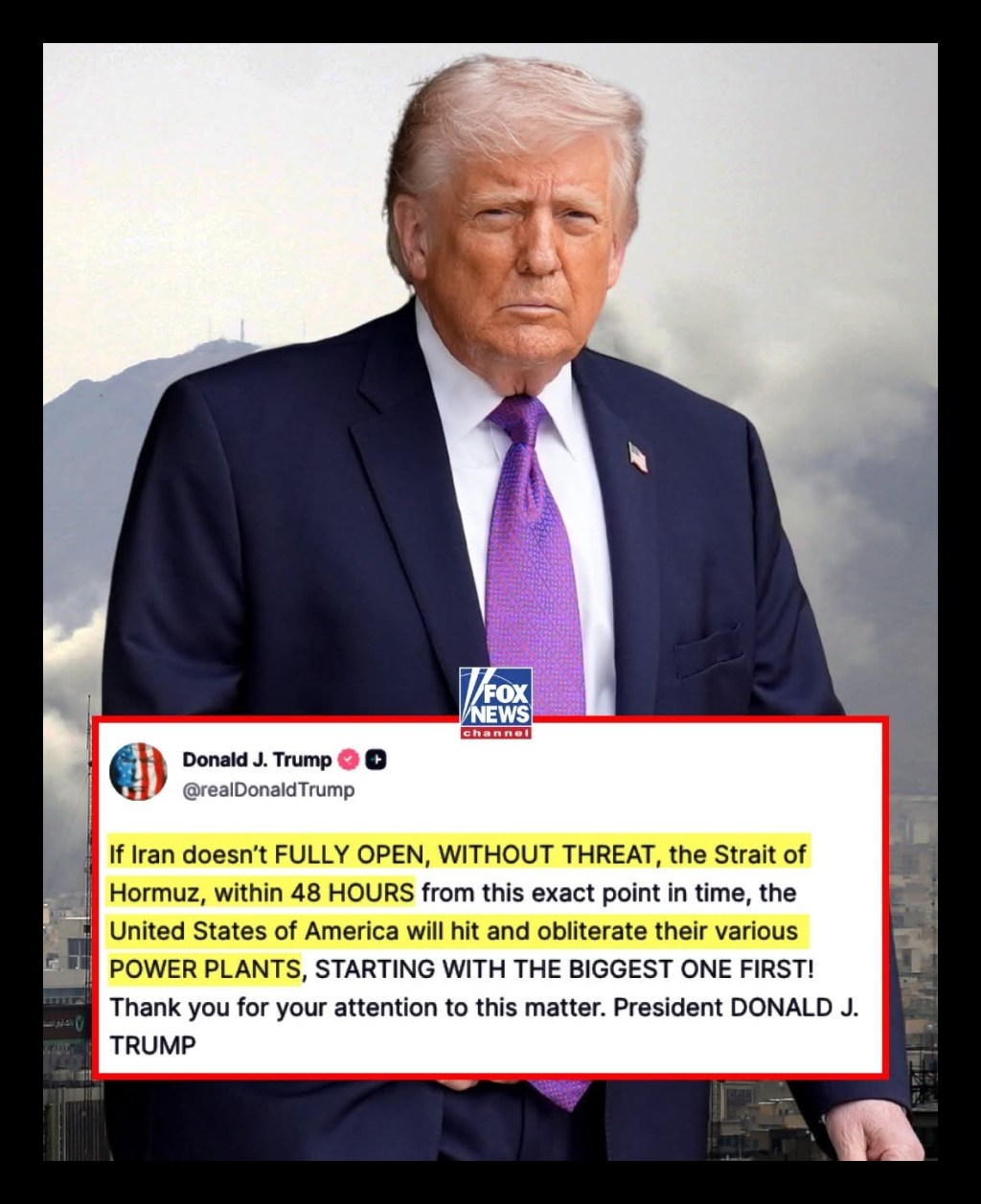
Repeated cycles of reassurance followed by unchanged conflict conditions show messaging functioning as a temporary volatility management tool rather than a reflection of reality Statements issued by Donald Trump over the past three weeks show a repeatable interaction between political messaging and immediate market response, with timing, content, and outcome forming a consistent sequence rather… Continue reading
AI and Digital Control, America, economics, Energy, EUROPE, Financial markets, Foreign Policy, Geopolitics, Global Finance, iran, israel, middle east, Mineral Resources, NATO, politics, warbond markets, crude oil pricing, donald trump, energy prices, equity market reaction, Financial markets, geopolitical risk, investor behaviour, Iran conflict, Iranian foreign policy, market signalling, market volatility, oil markets, risk perception, sanctions, Strait of Hormuz, strategic communication, supply disruption, United States policy, war messaging -
Brazil Calls for Defence Co-operation with South Africa

Lula and Ramaphosa reflect a growing unease across the Global South after Western military actions in Venezuela and Iran, reinforcing fears that states outside major alliance systems remain vulnerable to coercion and intervention. Brazil’s President Luiz Inácio Lula da Silva used the recent visit of South African President Cyril Ramaphosa to Brasília to articulate a… Continue reading
