
Iranian foreign policy
-
The Trap of Reconstruction: How the US-Iran Deal Subordinates Tehran to Gulf Capital
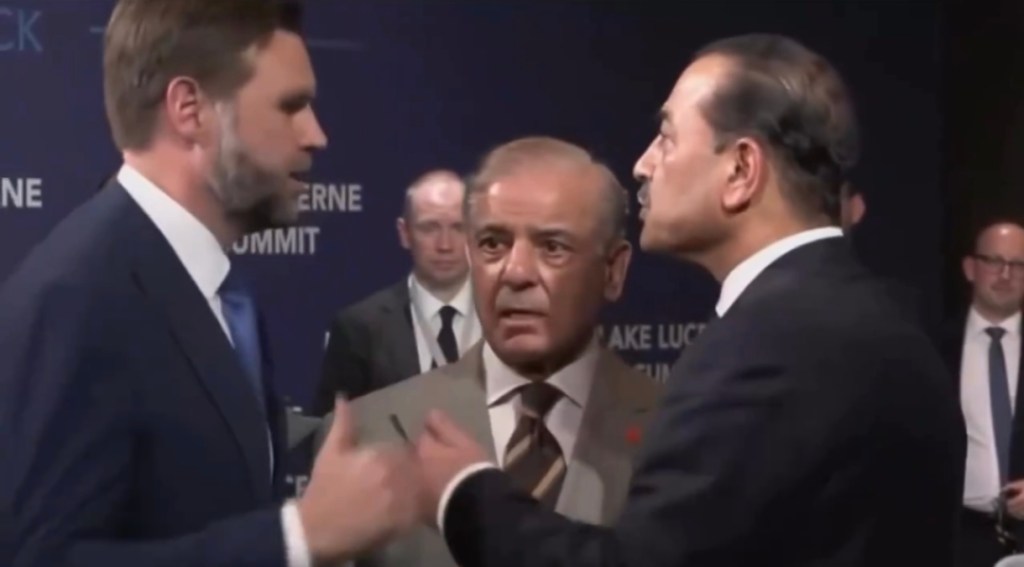
From Proxy Networks to Capital Dependency in the Post-War Middle East The signing of the Islamabad Memorandum of Understanding between the United States and the Islamic Republic of Iran on June 17, 2026, marks a decisive inflection point in the geopolitical trajectory of the Middle East, yet its true significance lies less in the cessation… Continue reading
AI and Digital Control, America, Foreign Policy, Geopolitics, imperialism, iran, israel, NATO, neocolonialism, Russia, waraxis of resistance, Belt and Road Initiative, financial imperialism, Gulf Cooperation Council, IMF structural adjustment, Iranian foreign policy, Islamabad Memorandum, JD Vance, managed multipolarity, maritime sovereignty, Middle East geopolitics, petrodollar system, reconstruction politics, regional security architecture, Strait of Hormuz, US–Iran relations -
How Donald Trump’s Pre-Market Statements Shape Oil Prices To Buy Time During the Unprovoked Iran Conflict
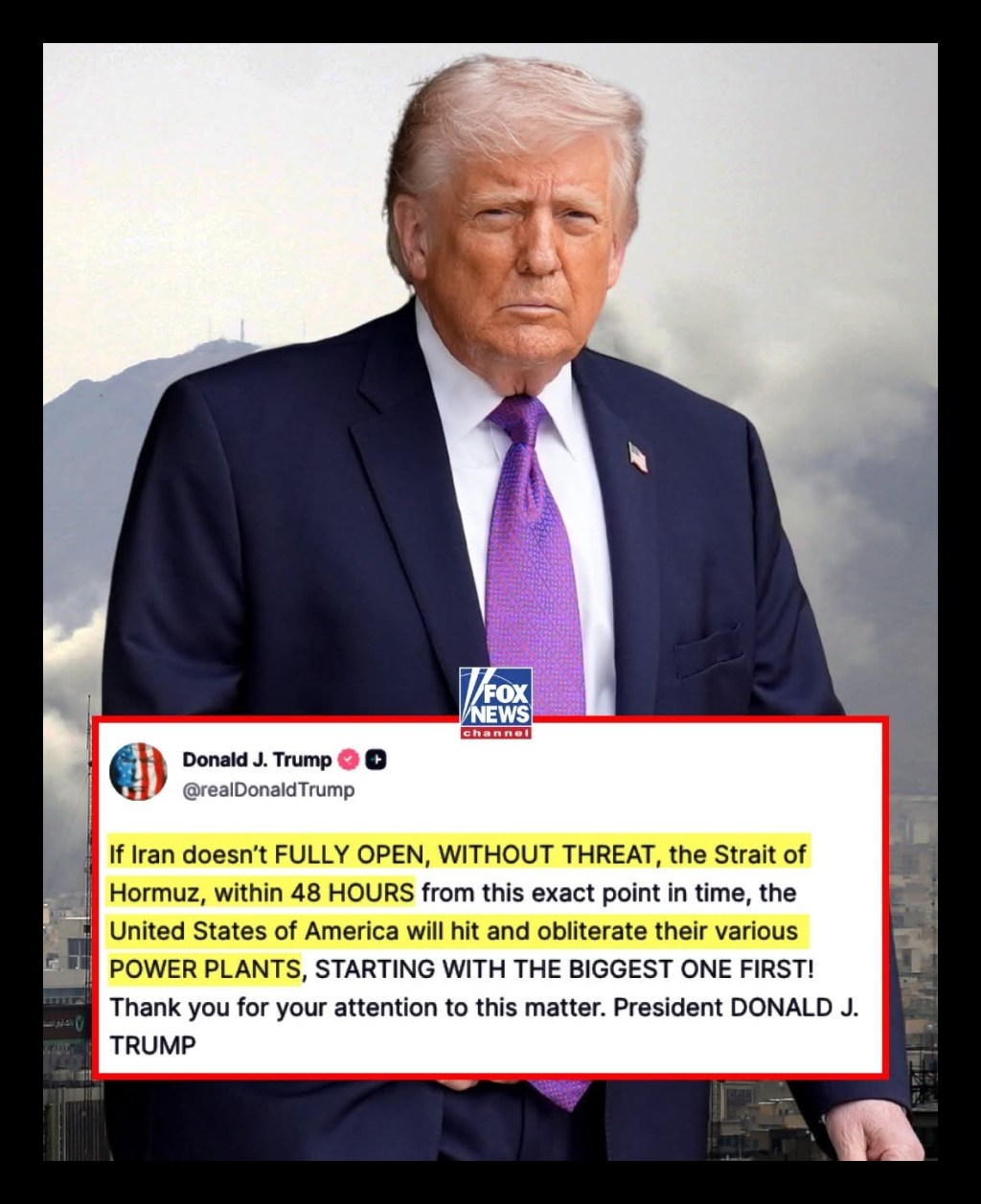
Repeated cycles of reassurance followed by unchanged conflict conditions show messaging functioning as a temporary volatility management tool rather than a reflection of reality Statements issued by Donald Trump over the past three weeks show a repeatable interaction between political messaging and immediate market response, with timing, content, and outcome forming a consistent sequence rather… Continue reading
AI and Digital Control, America, economics, Energy, EUROPE, Financial markets, Foreign Policy, Geopolitics, Global Finance, iran, israel, middle east, Mineral Resources, NATO, politics, warbond markets, crude oil pricing, donald trump, energy prices, equity market reaction, Financial markets, geopolitical risk, investor behaviour, Iran conflict, Iranian foreign policy, market signalling, market volatility, oil markets, risk perception, sanctions, Strait of Hormuz, strategic communication, supply disruption, United States policy, war messaging -
Iran Rejects Ceasefire Demands Permanent End to War and External Pressure
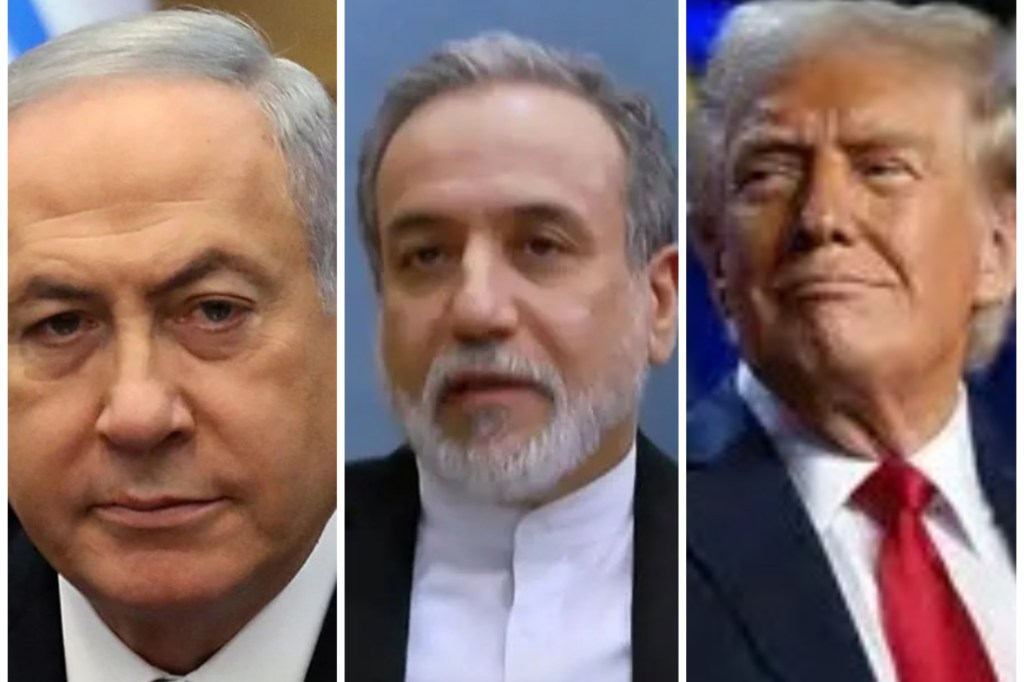
Iranian leadership argues that temporary truces only preserve the strategic conditions that have produced decades of confrontation since the 1979 revolution. Iranian refusal to accept a temporary ceasefire reflects a strategic calculation rooted in the historical pattern of hostilities directed against the Islamic Republic since the 1979 revolution. Tehran frames the current confrontation as the… Continue reading
AI and Digital Control, America, China, economics, Energy, EUROPE, Financial markets, Foreign Policy, Geopolitics, iran, israel, middle east, NATO, politics, Russia, warAbbas Araghchi, ceasefire diplomacy, energy security, Game Theory, Geopolitics, global energy markets, Gulf geopolitics, iran, Iranian foreign policy, IRGC, Israel Iran tensions, Middle East conflict, oil geopolitics, political economy, regional power balance, security architecture, Strait of Hormuz, Sun Tzu, Thomas Schelling, US–Iran relations, war strategy
