
How False Flags, Covert Operations and Manufactured Fear Shape the Stories We Are Told
General Article | October 2026
In 2024, a former Mossad agent appeared on 60 Minutes and described the way intelligence operations create what he called a “pretend world”. He explained that they are a global production company, writing the screenplay, directing the operation, producing it and acting in it, while the world becomes their stage. He was referring to the operation involving explosive pagers supplied to Hezbollah. His words raise a much wider question: how often is Israel creating a pretend world for the rest of the world to believe?
(Former Mossad agent went on 60 Minutes.: “We create a pretend world.)
This week, three separate incidents across Britain, Israel and Saudi Arabia have raised further questions about the use of manufactured fear and false-flag operations.
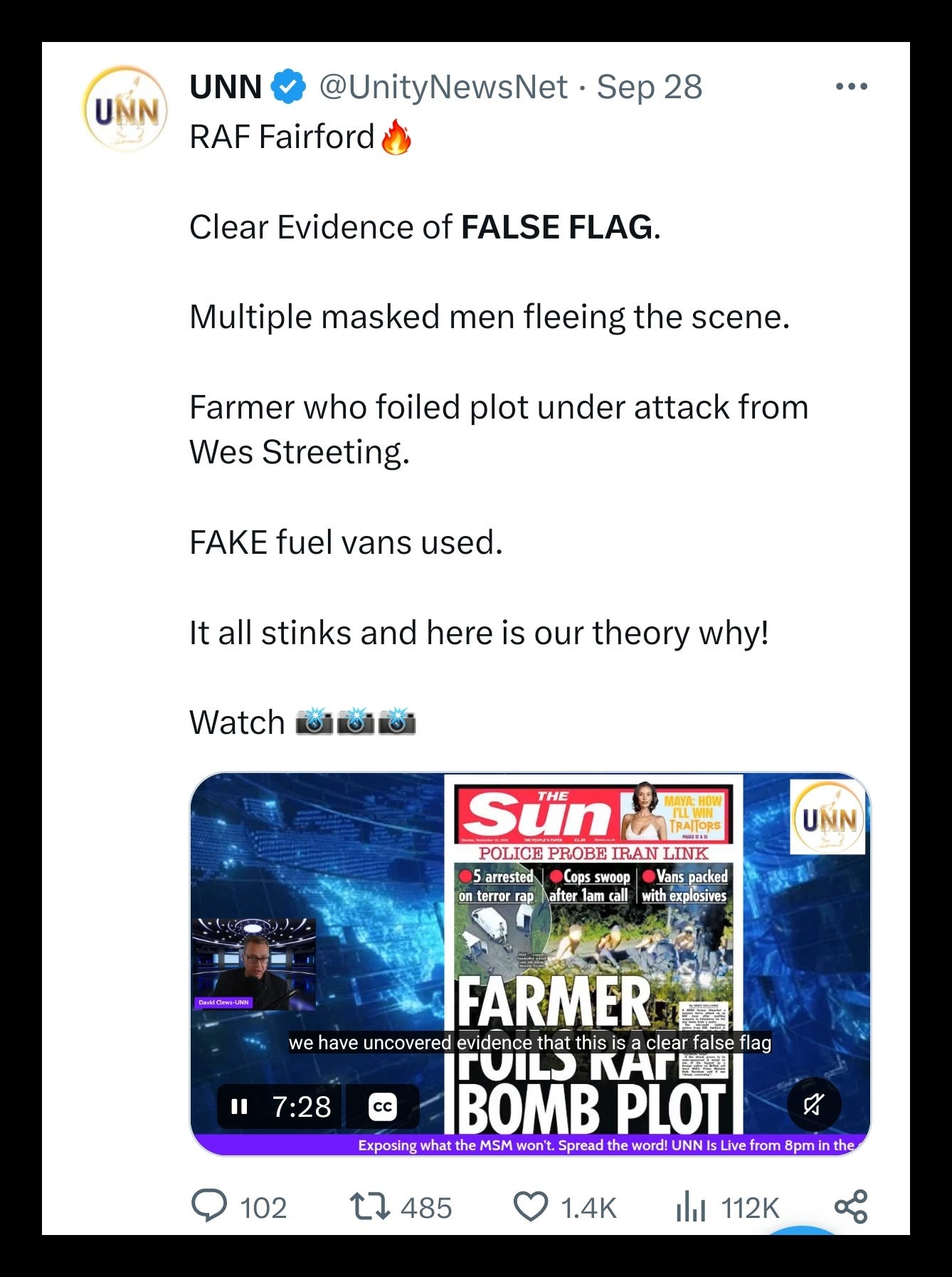
In Britain, five men were arrested near RAF Fairford following claims of a terrorist plot involving a suspicious vehicle. The arrests were immediately connected in the public narrative to possible Iranian involvement. Yet the men were subsequently released on police bail, no firearms were reported to have been found and materials examined by bomb disposal officers were reported not to be viable explosives. Iran denied involvement. The case remains an example of how quickly an incident can be turned into a major security narrative before the full picture is known.
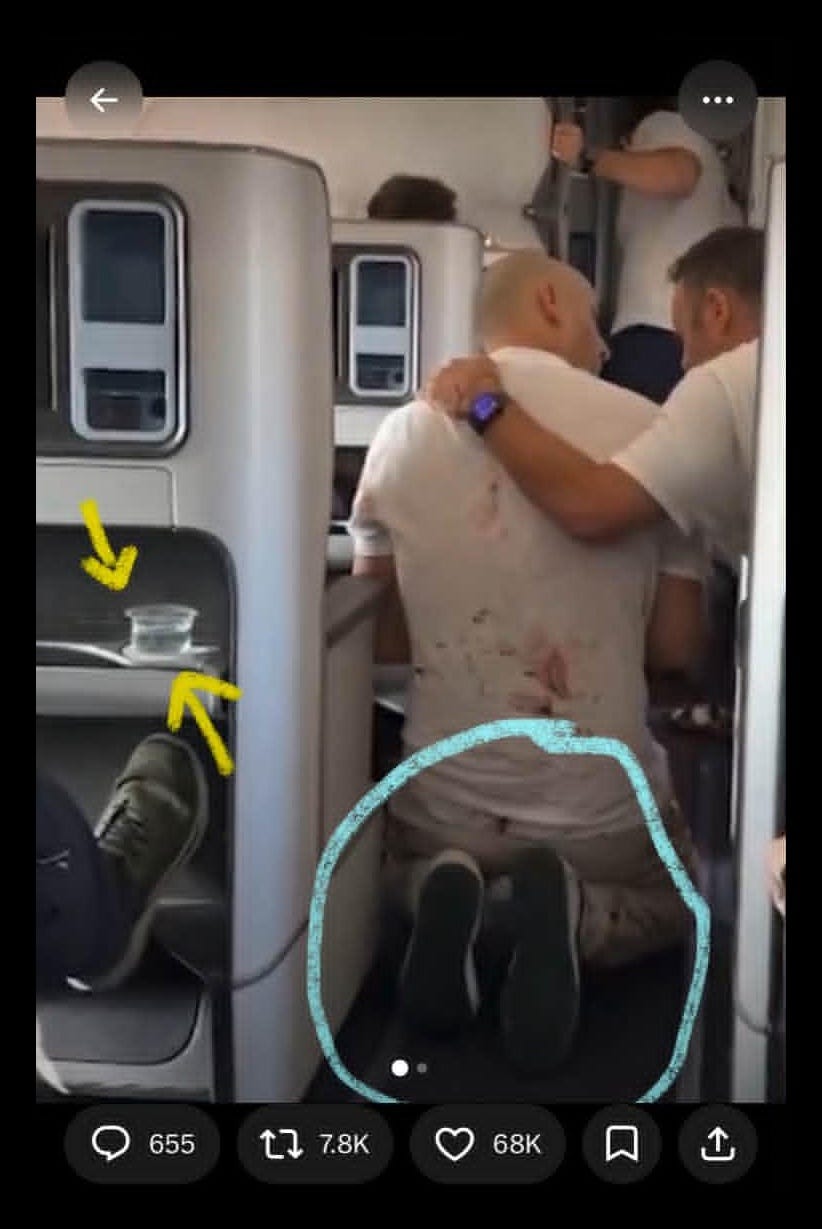
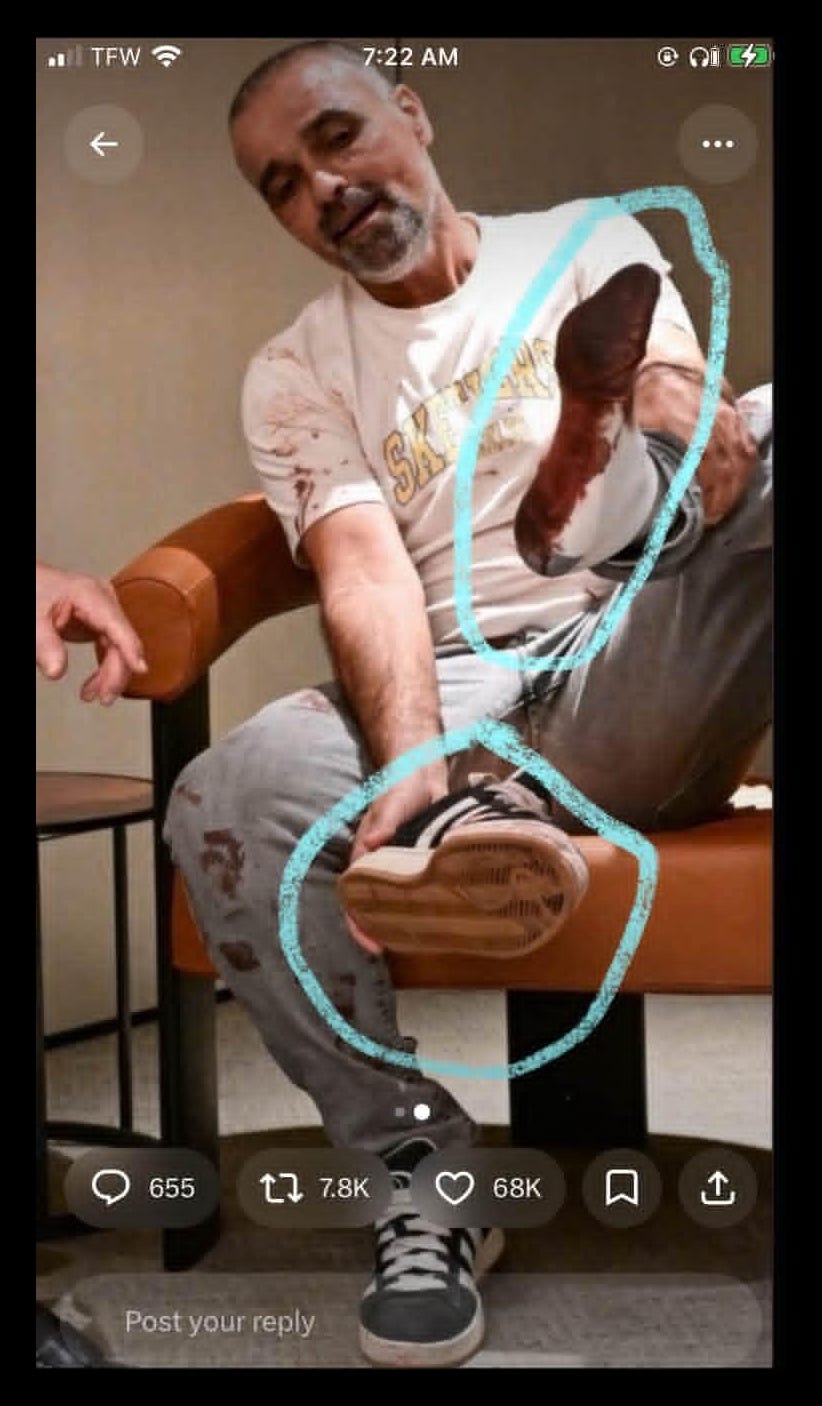
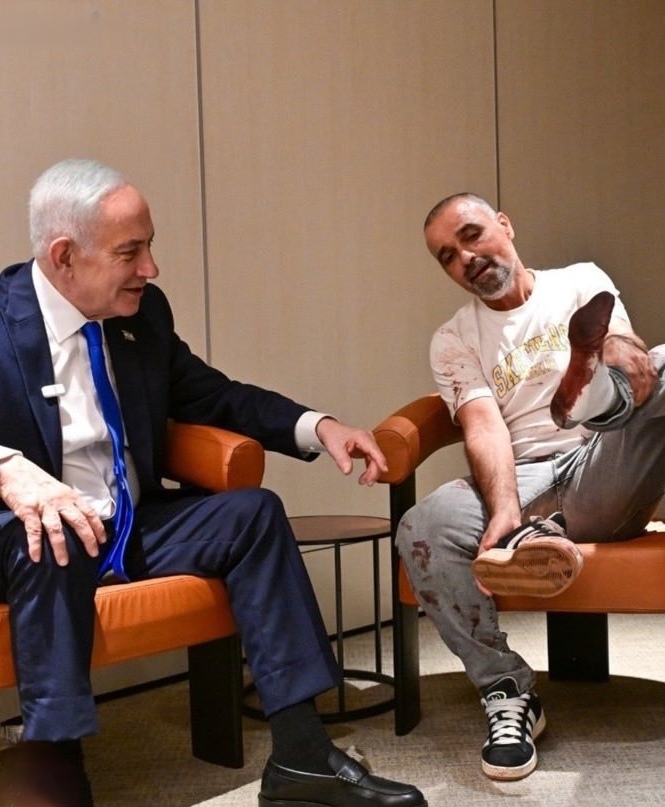
Then came the incident involving a Flydubai aircraft travelling from the UAE towards Israel. The co-pilot was accused of attempting to attack the captain, forcing the aircraft into an emergency situation before it landed safely. Israel described the incident as a terrorist attack. The passengers were subsequently assisted by Saudi Arabia. The incident was immediately surrounded by political interpretation, despite the circumstances and motive becoming a subject of intense scrutiny.
In Mecca, Saudi authorities reported that an armed suicide attacker had been arrested inside the Grand Mosque. Again, the incident created the conditions for another wave of fear and political speculation, particularly over whether Iran or Yemen would eventually be blamed.
Taken together, these events have prompted independent analysts to ask whether the public is watching three genuine and unrelated incidents or three carefully managed narratives designed to produce a particular political response. The argument is that the objective is not necessarily the event itself, but the fear created by the event and what governments can subsequently do with that fear.
The timing is also significant. Netanyahu faces domestic political pressure in Israel. Trump and the Republicans face the November elections in the United States. Saudi Arabia continues to face difficulties in its confrontation with the Houthis and has an interest in maintaining support across the Muslim world. Britain and the United States have their own strategic interests in the confrontation with Iran. Each government therefore has political and strategic reasons to control the narrative surrounding security incidents.
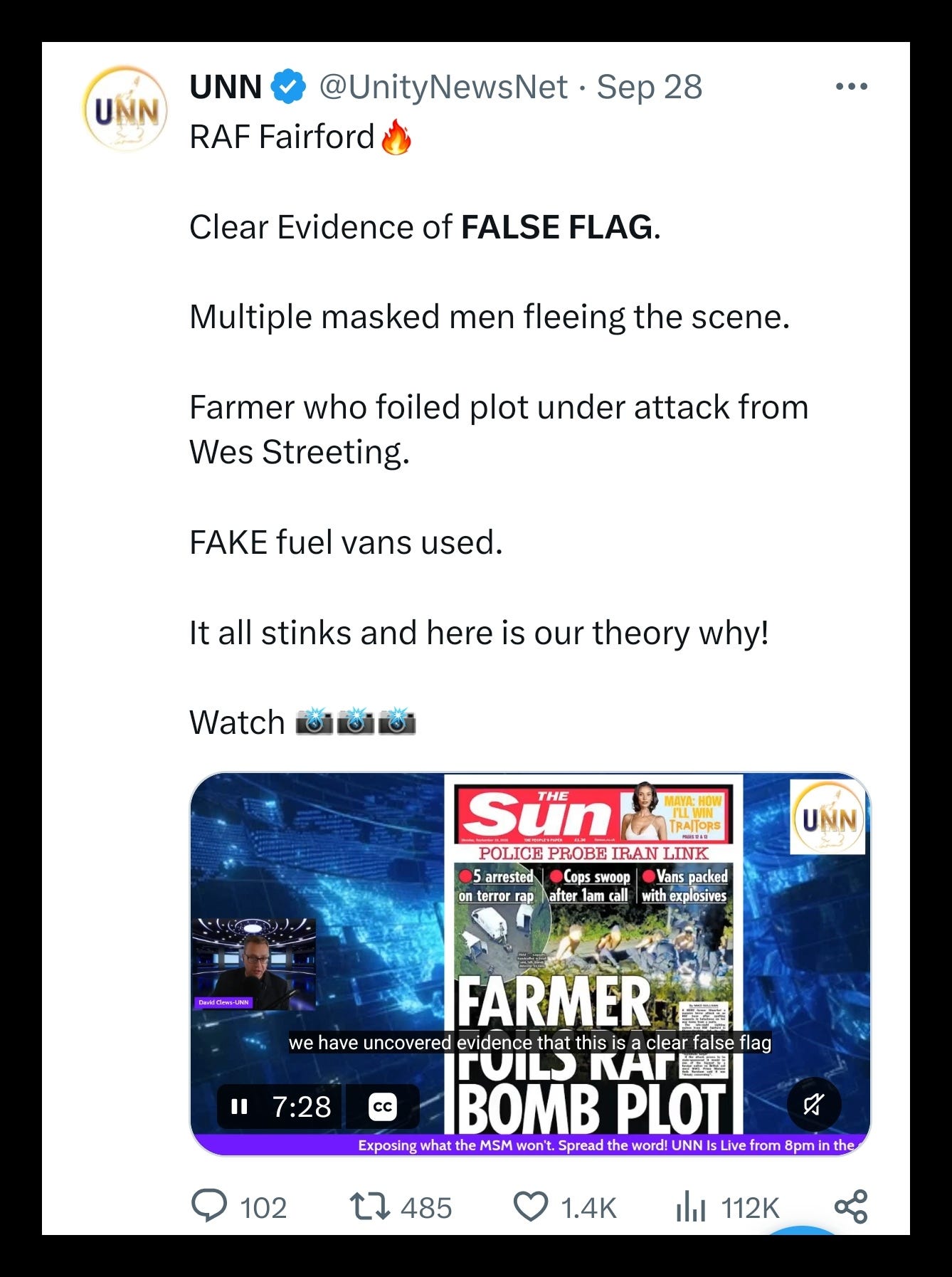
This is why the public should not automatically accept every dramatic story delivered by governments, intelligence agencies or major media organisations. Mossad, MI5 and the CIA have all operated covertly, conducted deception operations and manipulated information as part of intelligence and military strategy. The existence of these practices is documented history, not science fiction. The central question is therefore much bigger than any single incident. How many times has the public been presented with a carefully constructed version of events while the real operation remained hidden behind it?
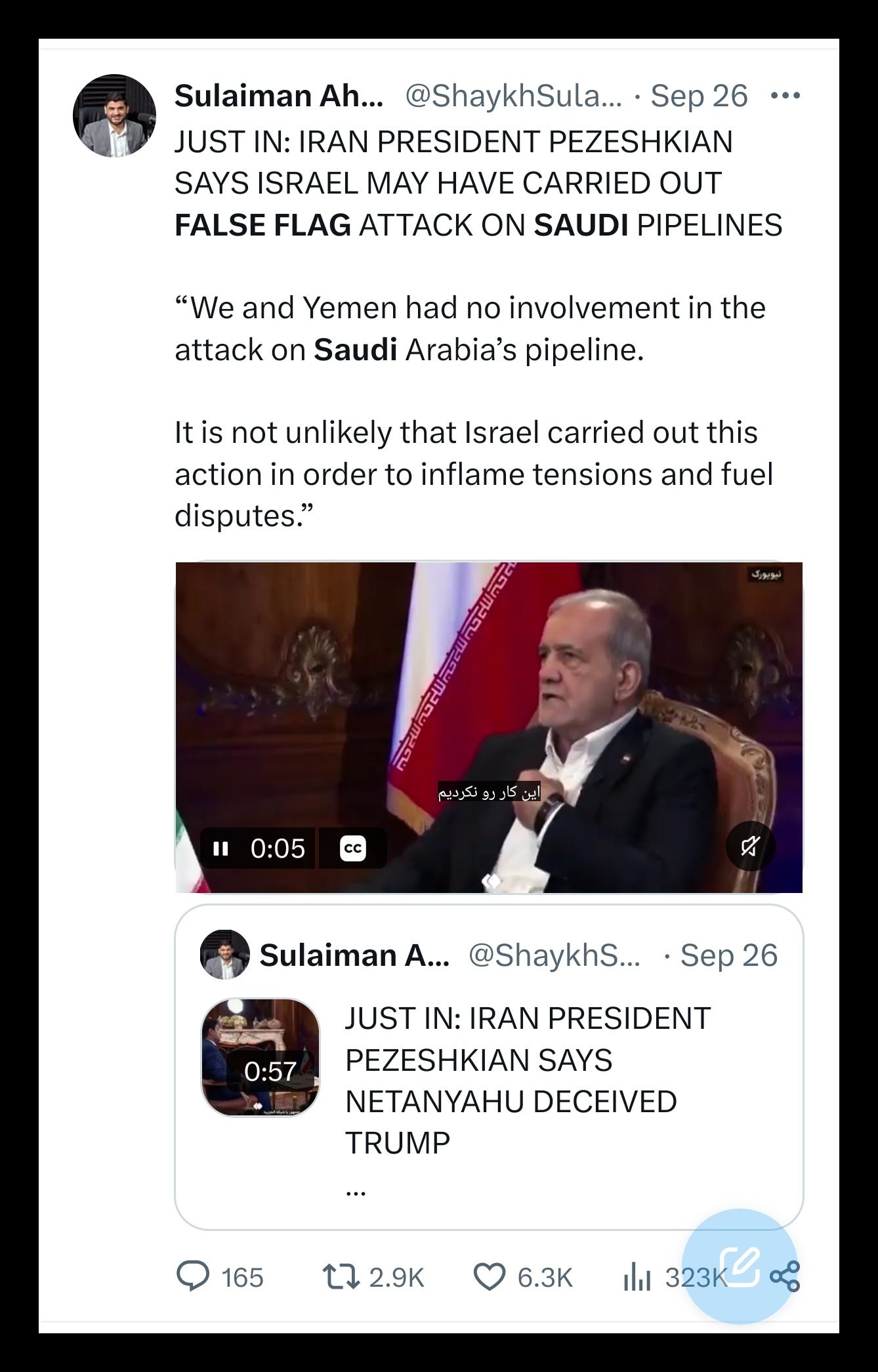
The former Mossad agent’s description of intelligence work as a global production company is particularly revealing. If intelligence agencies can write the screenplay, produce the operation and control the narrative afterwards, then the public must question whether what it is being shown represents reality or a production designed to create a particular reaction.
The warning is simple, that do not allow fear to do the thinking for you. Examine the incidents, examine the evidence, examine who benefits from the narrative and examine what is being left out. The next manufactured crisis may not happen in the Middle East or Britain but may happen in the United States, where another security incident could be used to generate public fear and political support.
False flags, covert operations and psychological warfare are not imaginary concepts. They are tools that in modeen history have mostly been associated with the current hegemon and it’s vassals. The question is not whether such operations are possible. The question is how often the public is watching the stage without knowing it is a script and who wrote the script.
Authored By: Global GeoPolitics
Thank you for visiting. This is a reader-supported publication. If you believe journalism should serve the public, not the powerful, and you’re in a position to help, becoming a PAID SUBSCRIBER truly makes a difference. Alternatively you can support by way of a cup of coffee:
https://buymeacoffee.com/ggtv |
https://ko-fi.com/globalgeopolitics |
.Bitcoin: 3NiK8BoRZnkwJSHZSekuXKFizGPopkE7ns


Leave a comment