
state capacity
-
The Banks That Made the Cartels Too Big to Fight
How laundering drug money gave the world’s biggest banks power over the gangs, the police and the governments that were supposed to stop them and why the fines never touched them The Minnesota fraud investigation and Mexico’s cartel wars are conventionally treated as unrelated episodes, but examining them together reveals a common architecture in which… Continue reading
AI and Digital Control, America, bond market, China, economics, Energy, EUROPE, Financial markets, Foreign Policy, Geopolitics, Global Finance, imperialism, iran, israel, japan, knowledge, middle east, Mineral Resources, NATO, neocolonialism, politics, reserve currency, Russia, warbank privatisation, BCCI, Calderón, class analysis, deferred prosecution agreement, drug cartels, El Chapo, financial power, Fobaproa, fraud, Game Theory, HSBC, human rights discourse, immigration enforcement, insurgency, intelligence agencies, materialism, Mexico, Minnesota, money laundering, neoliberalism, Nochixtlán., non-governmental organisations, Operation Metro Surge, Peña Nieto, realism, Salinas de Gortari, Sovereignty, state capacity -
The Ideological Architecture of the Free Market Myth and the Material Realities of State-Enforced Capital Accumulation

Class Power, Institutional Coercion, and the Dialectical Deconstruction of Market Neutrality in International Political Economy General Article | August 2026 The conventional framing of the global economic order around principles of unencumbered market exchange systematically disguises the coercive mechanisms that sustain contemporary capital accumulation. Liberal economic theory relies upon an abstract idealisation of market dynamics… Continue reading
-
System Disruption as Strategy: Trump’s Infrastructure Warfare on Iran
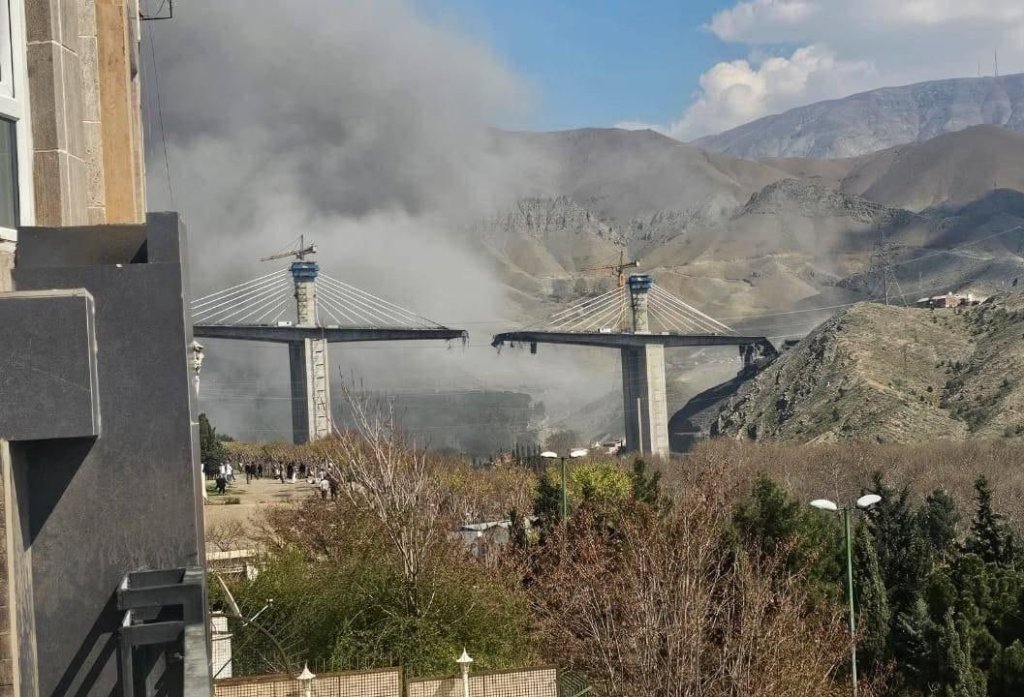
The Evolution of Targeting in the Iran Campaign From Military Objectives to Civil Networks A strike on the B1 Bridge along the Tehran-Karaj northern bypass marks a documented expansion of targeting into civilian infrastructure with no established military function. The structure formed part of a major urban transport project designed to ease congestion across a… Continue reading
AI and Digital Control, China, economics, Energy, EUROPE, Financial markets, Foreign Policy, Geopolitics, Global Finance, iran, israel, NATO, politics, warAdditional Protocol I, airstrikes, civilian infrastructure, conflict analysis, distinction principle, economic pressure, education systems, energy systems, Geneva Conventions, Gulf States, infrastructure warfare, international humanitarian law, iran, israel, Karaj, kinetic operations, legal exposure, medical networks, Middle East security, military targeting, national security, proportionality, resilience analysis, state capacity, strategic escalation, Syrian Civil War, systemic degradation, Tehran, transport infrastructure, war crimes risk
