
conflict analysis
-
The Gloves Are Off
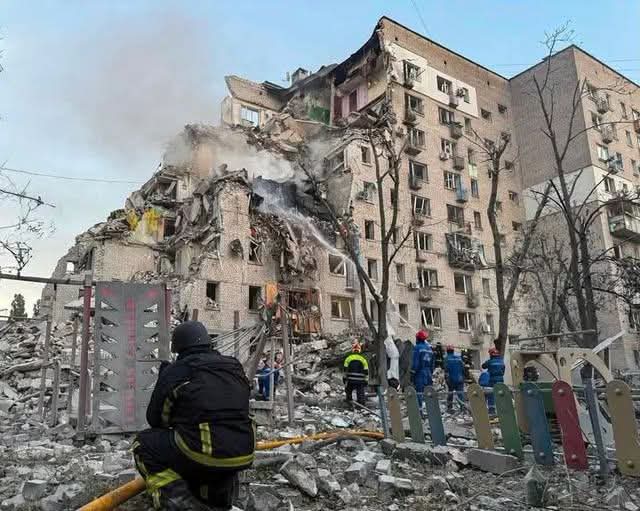
Russia’s Strategic Shift from Negotiation to Military Victory in Ukrain The trajectory of the war in Ukraine has entered a new phase, defined less by the ebb and flow of frontline manoeuvres than by a fundamental strategic reassessment in Moscow. For months, Russian officials had invoked the “spirit of Anchorage”, a term referencing the August… Continue reading
AI and Digital Control, America, Energy, EUROPE, Financial markets, Foreign Policy, Geopolitics, Global Finance, imperialism, iran, israel, NATO, neocolonialism, politics, Russia, warAnchorage agreements, attrition warfare, Bulgaria sanctions, conflict analysis, deindustrialization, donbas, Drone Warfare, energy infrastructure targeting, Escalation dynamics, EU summit 2026, European Union, geopolitical assessment, historical memory, hypersonic missiles, international diplomacy, Kherson, Kinzhal, lavrov, military escalation, military victory, military-industrial capacity, Poland-Ukraine relations, putin, rubio, Russia Ukraine War, Russian offensive, Russian Security Council, Russian strategy shift, strategic reassessment, total war, Trump, Ukraine war analysis, Volhynia massacre, war termination, WWII collaboration, Zaporizhzhia -
Reading Between the Lines: Why Rezaee’s CNN Interview Is More About Messaging Than Negotiation
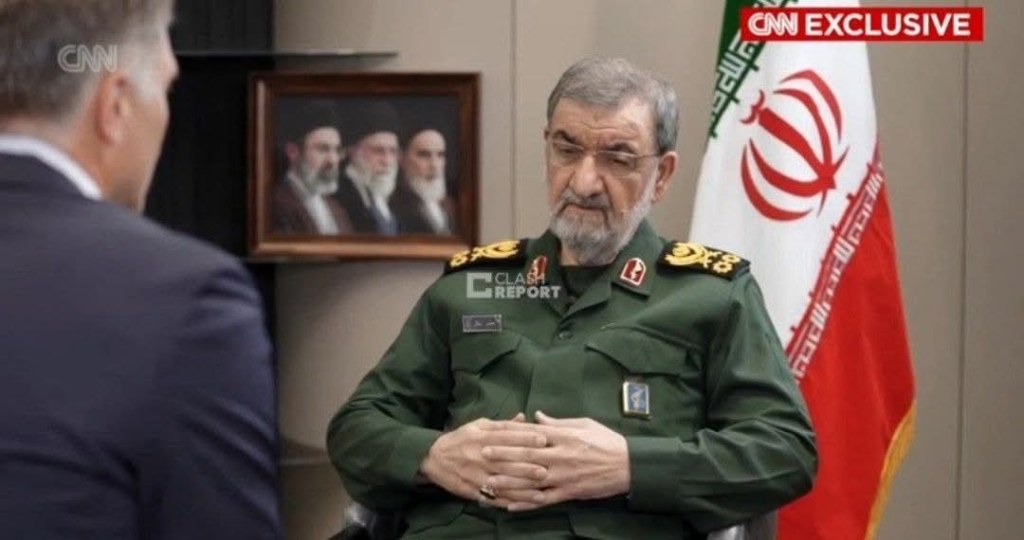
Tehran does not expect negotiations to produce a breakthrough, it wants to shape the narrative around any future escalation My reading of Rezaee’s CNN interview is that it is primarily directed at Western audiences and the cameras, not because Tehran genuinely expects negotiations to produce a breakthrough, but because it wants to shape the narrative… Continue reading
AI and Digital Control, America, Financial markets, Foreign Policy, Geopolitics, Global Finance, imperialism, iran, israel, middle east, Mineral Resources, NATO, neocolonialism, politics, South East Asia, warBab al-Mandab, British Empire Legacy, CNN Interview, Colonial Borders, conflict analysis, diplomacy, escalation, Foreign Affairs, GCC, geopolitical risk, Geopolitics, Geostrategy, Gulf Monarchies, Gulf States, information warfare, international relations, iran, Iran US relations, Long War, maritime security, middle east, Middle East politics, Middle East Transformation, Mohsen Rezaee, multipolar world order, Persian Gulf, political legitimacy, political stability, power projection, Red Sea security, Regime Security, Regional Conflict, Regional Order, Regional Realignment, security studies, state formation, Strategic Affairs, strategic messaging, US foreign policy, West Asia -
System Disruption as Strategy: Trump’s Infrastructure Warfare on Iran
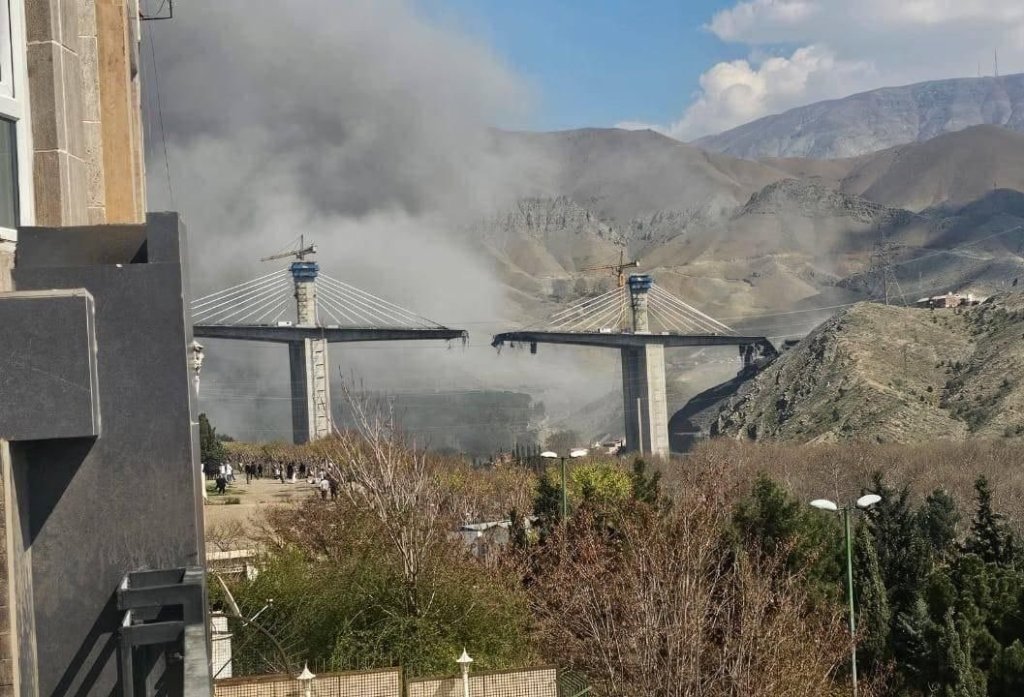
The Evolution of Targeting in the Iran Campaign From Military Objectives to Civil Networks A strike on the B1 Bridge along the Tehran-Karaj northern bypass marks a documented expansion of targeting into civilian infrastructure with no established military function. The structure formed part of a major urban transport project designed to ease congestion across a… Continue reading
AI and Digital Control, China, economics, Energy, EUROPE, Financial markets, Foreign Policy, Geopolitics, Global Finance, iran, israel, NATO, politics, warAdditional Protocol I, airstrikes, civilian infrastructure, conflict analysis, distinction principle, economic pressure, education systems, energy systems, Geneva Conventions, Gulf States, infrastructure warfare, international humanitarian law, iran, israel, Karaj, kinetic operations, legal exposure, medical networks, Middle East security, military targeting, national security, proportionality, resilience analysis, state capacity, strategic escalation, Syrian Civil War, systemic degradation, Tehran, transport infrastructure, war crimes risk -
Iran as an Underdog has Proven Effective and now Holds Significant Leverage
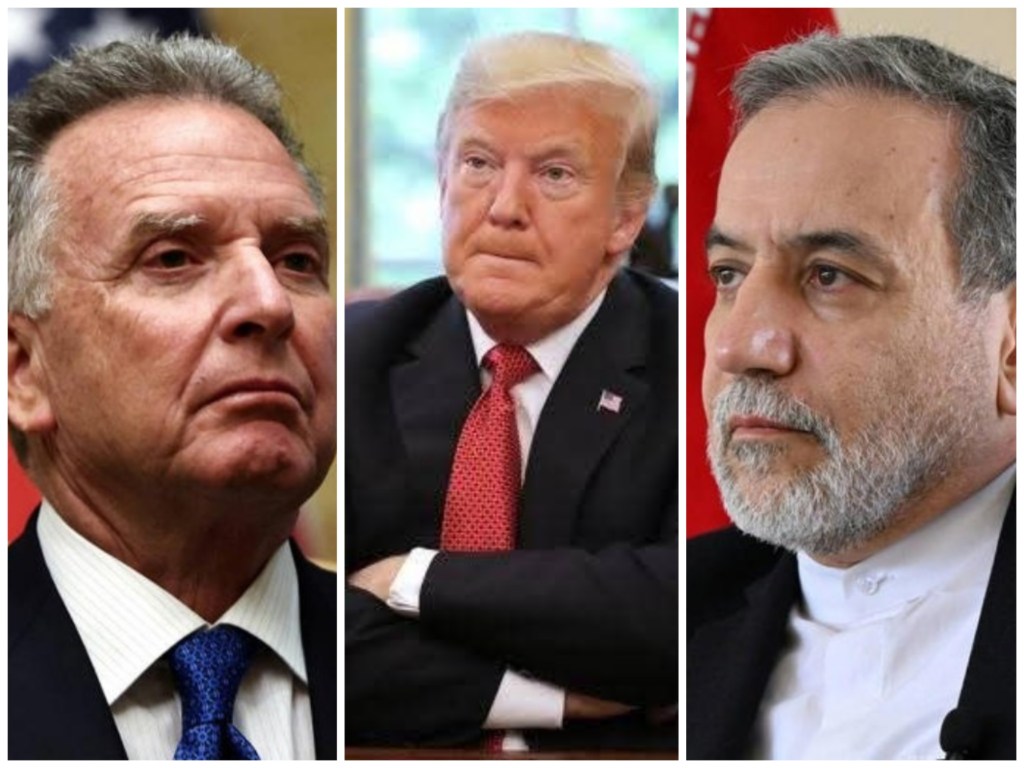
The consequences of underestimation and misreading capability by the United States and Israel has resulted in measurable strategic cost The available evidence indicates that the scale and resilience of Iranian state capacity under sustained attack have been materially underestimated in much Western policy analysis, despite repeated cautions issued over several years by academic specialists in… Continue reading
AI and Digital Control, America, China, economics, Energy, EUROPE, Financial markets, Foreign Policy, Geopolitics, Global Finance, iran, israel, NATO, politics, warasymmetric warfare, conflict analysis, cost imposition strategy, decentralised defence, deterrence, Drone Warfare, Escalation dynamics, geopolitical leverage, Gulf security, hybrid warfare, iran, israel, Middle East geopolitics, military doctrine, military miscalculation, missile warfare, regional power balance, state resilience, Strait of Hormuz, strategic resilience, strategic studies, underdog, United States, war of attrition
