
Iran, China, and Russia Turn Satellites Into Strategic Weapons of Retaliation Redrawing the Rules of Global Power
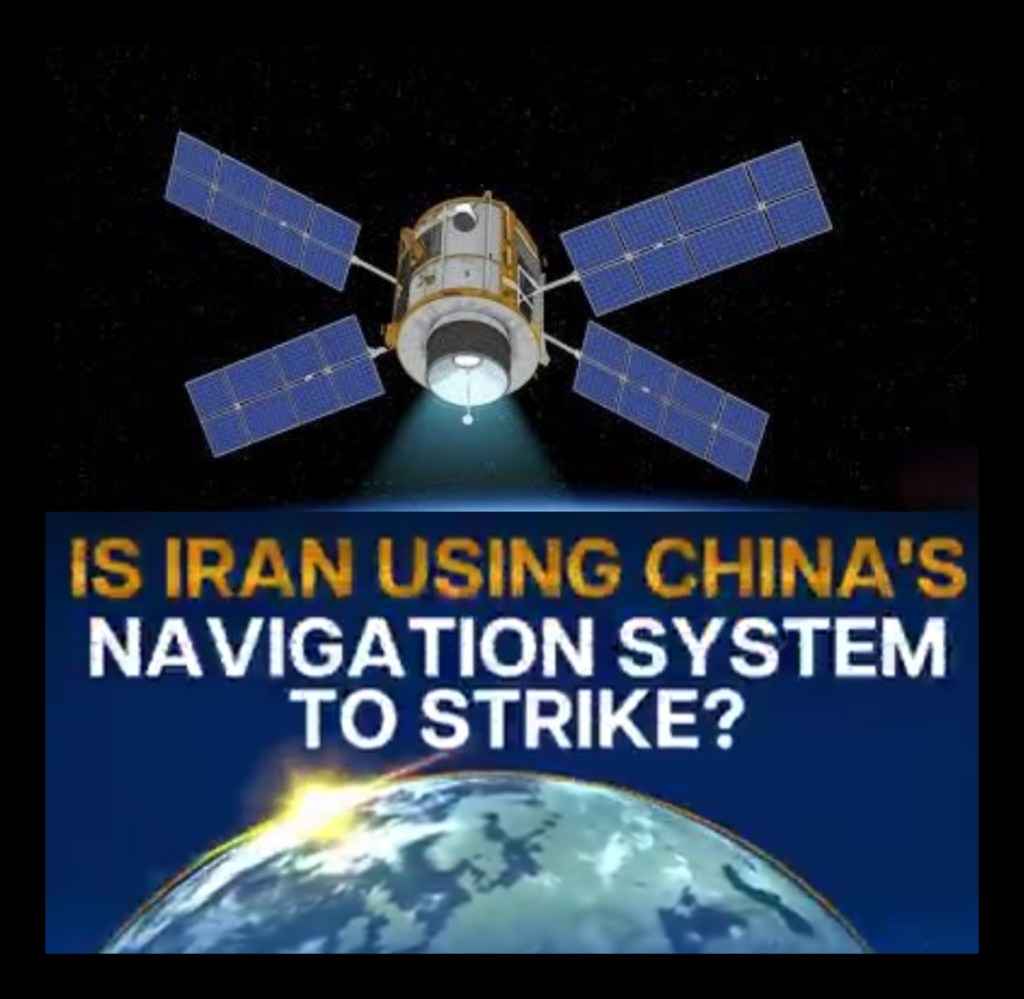
In the skies above the Middle East, the rules of war are changing, not through missiles or tanks, but through advanced observational systems orbiting the Earth. For decades, American military dominance relied on unrivaled intelligence and orbital surveillance, a quiet monopoly that allowed the United States to see without being seen. Today, that monopoly is gradually eroding as states previously constrained by sanctions, embargoes, and technological isolation, most notably Iran, acquire near-parity capabilities through partnerships with China and Russia, challenging the foundations of unipolar power. As noted by a 2023 Financial Times investigation, Iranian military planners reportedly leveraged the Chinese-built TEE-01B satellite during regional strikes on American military infrastructure, allowing them to identify runways, parked aircraft, and critical facility layouts with unprecedented precision.
Recent satellite imagery demonstrated that half-meter resolution, commercially available from Chinese firms, provides an order-of-magnitude improvement over Iran’s indigenous satellites, which historically produced only five-meter resolution imagery. Such technical advancements transform uncertainty into operational confidence, since missiles without precise targeting intelligence become symbolic, and strikes without post-strike verification lose strategic coherence. As Paul Scharre of the Center for a New American Security has argued, “In modern warfare, the ability to observe, verify, and coordinate is often as decisive as the physical application of force.” This reflects a broader transformation: satellites are no longer merely supporting technologies, but central instruments of strategic power.
Historically, American and Israeli forces dominated conflicts in Iraq, Syria, Libya, and Afghanistan because they could operate with integrated command networks, superior reconnaissance, and precision engagement enabled by C4ISR systems, command, control, communications, computers, intelligence, surveillance, and reconnaissance. Such capabilities allowed unilateral advantage and operational freedom. Iranian access to foreign satellite intelligence, however, reveals that informational exclusivity can now be purchased and geopolitically shared, undermining the logic of one-sided escalation. As Dr. Michael Horowitz of the University of Pennsylvania notes, “Commercial space systems have democratized access to high-resolution imagery, reducing the informational gap between established and emerging powers.”
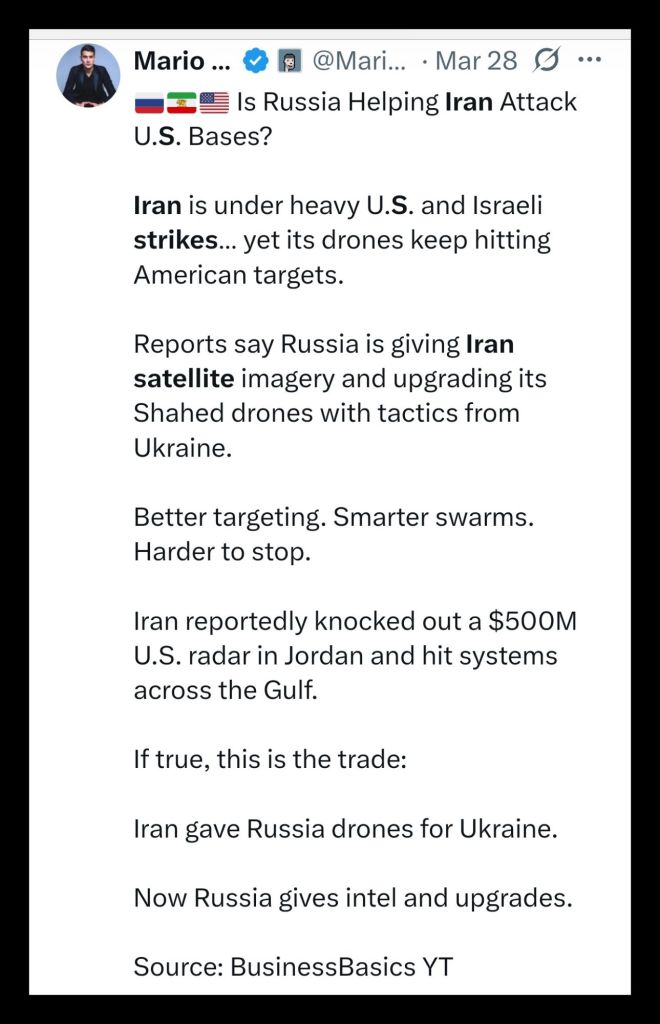
For decades, Washington has imposed stringent sanctions designed to block Iran’s space and defense programs, framing such restrictions as essential to global stability. Yet when Iran turns to nations such as China and Russia, both unwilling to accept unilateral American hegemony, for technological and strategic support, these partnerships are often portrayed in Western media as destabilizing. In reality, this cooperation represents a natural outcome of sovereign nations exercising their right to defend themselves against domination. The United States and Israel, which have long monopolized orbital surveillance and satellite technology to project power and enforce coercion globally, now raise alarms when these same tools are shared with Iran. Rather than threatening the rules-based order, Iran’s partnerships reflect defensive adaptation to the erosion of its strategic autonomy. Russia and China are not acting out of charity or ideological alignment; they are safeguarding their own interests while enabling Iran to assert its sovereign right to self-defense. As the former National Security Advisor Robert Blackwill has observed, “States under threat will inevitably seek technological parity to preserve autonomy; it is the natural mechanism of survival in an asymmetrical world.”
Facing sanctions and domestic constraints, Iran could not achieve full-spectrum aerospace independence, but it pursued technological sovereignty indirectly by partnering with China for orbital imagery and Russia for expertise in electronic warfare. This selective dependence creates layered resilience: even without matching U.S. hardware, Iran can monitor American forces, track regional infrastructure, and sustain credible retaliatory capability. Reports suggest that Iran’s acquisition of TEE-01B cost approximately $36 million, dramatically lower than the billions traditionally required to develop equivalent indigenous systems. Commercial satellite ecosystems now make high-level strategic intelligence available beyond superpower circles, allowing mid-tier states to effectively level the playing field.
The consequences of this shift extend beyond military calculations. Satellite imagery circulated rapidly across digital networks, rendering damage to American aircraft at Prince Sultan Air Base not only a tactical concern but also a symbolic instrument shaping perception, alliance confidence, and deterrence narratives. Information now sustains strategic power as decisively as missiles or tanks. A state capable of observing the battlefield can impose operational uncertainty on superior adversaries, recalibrating risk assessment across alliance systems. This dynamic was similarly observed in Ukraine, where open-source intelligence and commercial satellite imagery altered battlefield transparency, demonstrating that visibility itself has become a strategic weapon.
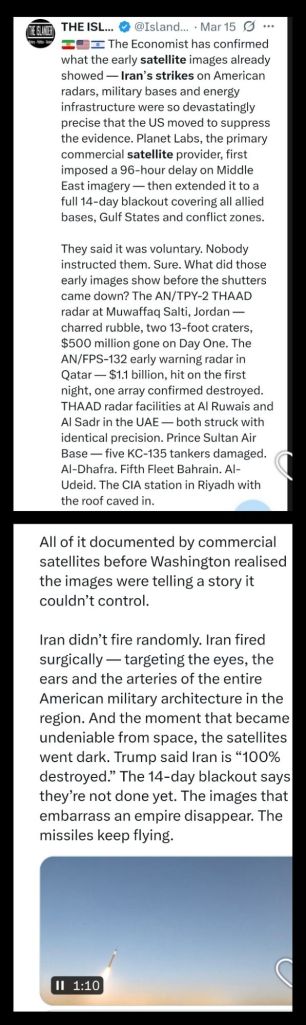
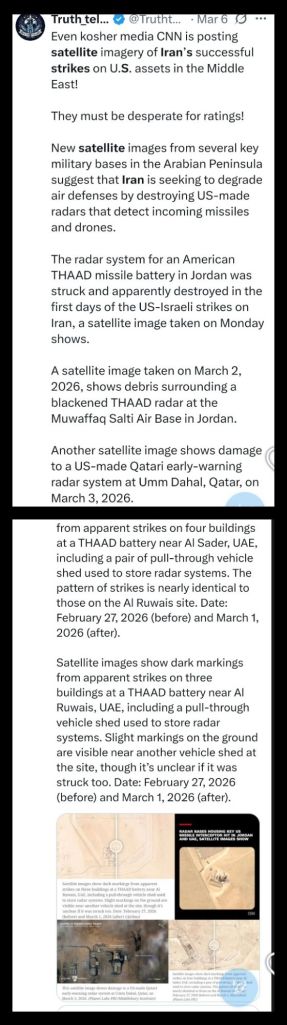
Reports from the Financial Times and Jane’s Defence Weekly indicate that Iranian precision strikes against U.S. and Israeli military infrastructure in the Gulf caused significant operational disruption, particularly at Prince Sultan Air Base in Saudi Arabia, where several KC-135 tankers and support facilities were damaged. Analysts noted that the strikes, coordinated with satellite-guided targeting systems, allowed Iran to maximize effect while minimizing Iranian personnel exposure. The global visibility of these strikes created such immediate concern that leading Western commercial satellite providers, including Maxar Technologies and Planet Labs, were reportedly instructed by U.S. authorities to limit the dissemination of high-resolution imagery to the public. As Thomas Karako of the Center for Strategic and International Studies explained, “The withholding of commercial satellite imagery demonstrates the psychological and strategic impact of Iranian strikes; these were not just attacks on physical assets, they were strikes on global perception and deterrence narratives.” The suppression of imagery highlights how Iran’s capability to observe, strike, and broadcast outcomes directly challenges Western control over the informational battlefield.
Iran’s targeting logic increasingly encompasses critical infrastructure, including desalination plants, refineries, ports, and transport corridors, demonstrating that strategic pressure extends beyond conventional military assets. As Samantha Ravich, former deputy national security advisor, has emphasized, “Control over information and strategic infrastructure has become the currency of twenty-first-century deterrence.” Vulnerability need not be catastrophic to produce effect: insurance rates, shipping routes, and global commodity prices shift according to perceived exposure, reinforcing the argument that satellite-enabled intelligence serves as both a military and economic instrument.
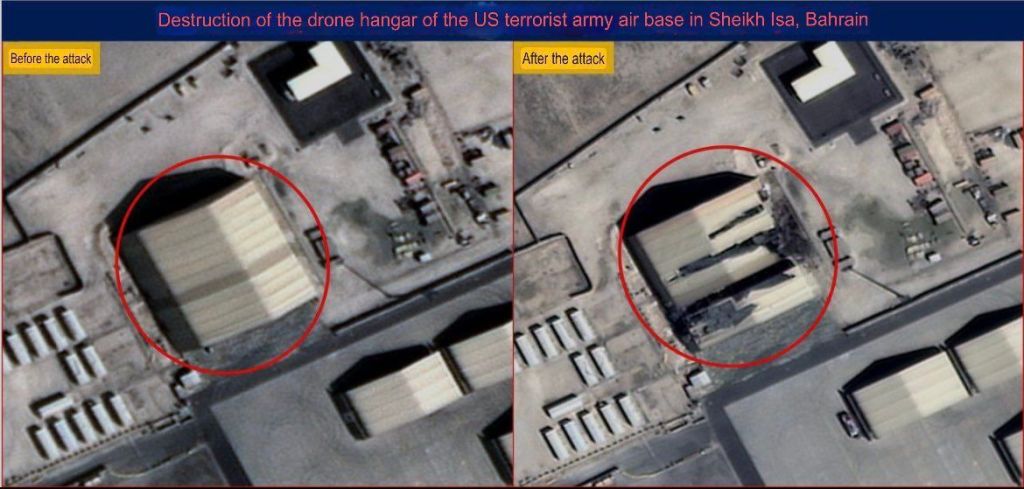
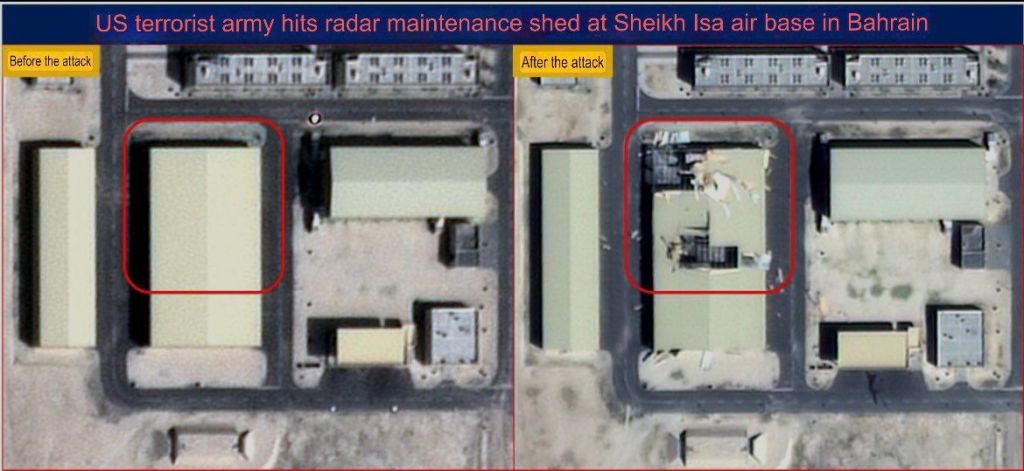
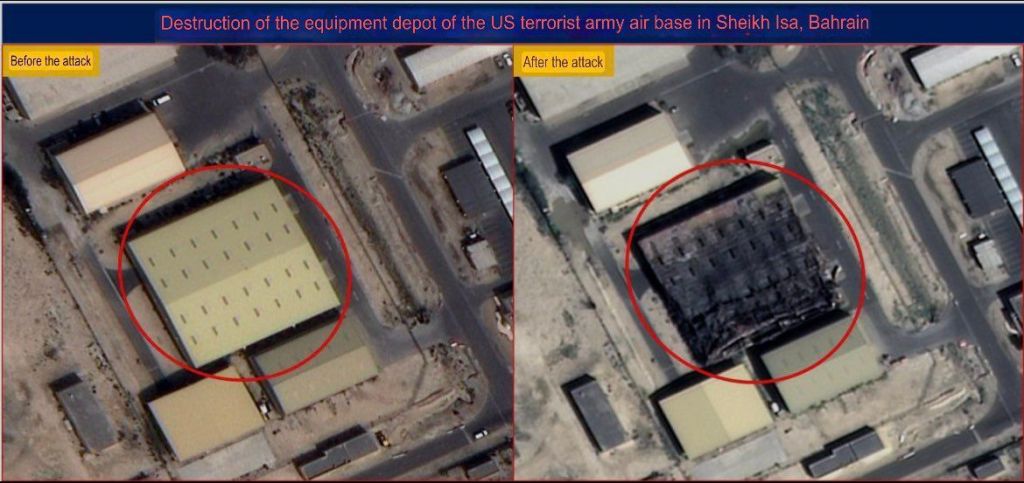
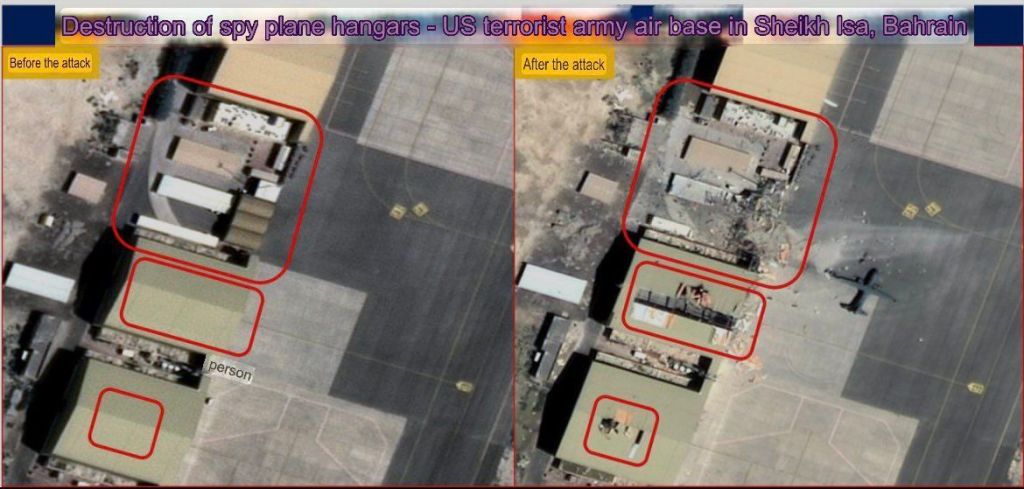
Iran, China, and Russia do not form a formal alliance; their cooperation remains transactional, bounded by national priorities, and mediated by separate strategic incentives. Yet the practical effect is multipolarity, in which overlapping centers of capability prevent any single actor from exercising unilateral dominance. Each participant, Washington, Beijing, Moscow, Tehran, and Tel Aviv, faces constrained incentives that prioritize calibrated escalation over outright war. Satellite intelligence enables weaker actors to achieve disproportionate influence by imposing uncertainty on stronger opponents, reshaping traditional assumptions about military hierarchy. As the RAND Corporation has observed, “Access to high-resolution orbital imagery allows states with limited conventional forces to achieve asymmetric deterrence against technologically superior adversaries.”
Wars are no longer decided solely on the battlefield. Strategic continuity increasingly depends upon informational endurance, including persistent observation, accurate targeting, and verified narrative construction. Satellite imagery now functions simultaneously as reconnaissance, targeting aid, and political instrument, demonstrating that information has become a form of power equal to destructive capability. Western support for Kyiv exemplifies this dynamic, as commercial satellite coverage of the conflict has been interpreted as collective defense, while Chinese and Russian assistance to Iran is framed as destabilizing, revealing that legitimacy in the age of satellite warfare is often determined more by alignment than by principle.
Territorial control alone no longer defines sovereignty. Modern sovereignty requires informational autonomy, as states unable to observe threats cannot effectively defend themselves. Access to orbital intelligence has become analogous to airpower during the twentieth century: essential for deterrence, resilience, and strategic independence. By partnering with China and Russia, Iran reduces reliance on Western-controlled systems while maintaining strategic options despite internal vulnerabilities, demonstrating that connectivity now outweighs isolation in contemporary power dynamics.
The erosion of unilateral surveillance supremacy does not imply the collapse of American military dominance. Instead, the global system is transitioning toward a layered equilibrium, a competitive yet stable environment in which information parity, technological reciprocity, and selective cooperation define strategic outcomes. Power no longer flows solely through fleets, airbases, or currency. It increasingly travels through data networks, orbital access, and the ability to observe and respond in near real-time. Empires once ruled through territorial occupation; twenty-first-century influence increasingly depends upon infrastructure access and the capacity to see, signal, and respond effectively. As Dr. Elsa Kania of the Center for Strategic and International Studies asserts, “Strategic competition now extends to space, and those capable of operating within orbit will shape the future of global power.”
Aurhored By: Global GeoPolitics
Thank you for visiting. This is a reader-supported publication. If you believe journalism should serve the public, not the powerful, and you’re in a position to help, becoming a PAID SUBSCRIBER truly makes a difference. Alternatively you can support by way of a cup of coffee:
https://buymeacoffee.com/ggtv |
https://ko-fi.com/globalgeopolitics |
Bitcoin: 3NiK8BoRZnkwJSHZSekuXKFizGPopkE7ns
References
- Financial Times. “Iran’s Use of Chinese Satellite TEE-01B Reported During Gulf Conflict,” 2023.
- Scharre, Paul. Army of None: Autonomous Weapons and the Future of War, W.W. Norton, 2018.
- Horowitz, Michael. “The Democratization of Space Surveillance and Its Strategic Implications,” Journal of Strategic Studies, 2022.
- Ravich, Samantha. Remarks on Strategic Infrastructure and Deterrence, Hudson Institute, 2021.
- RAND Corporation. “Emerging Space Capabilities and Strategic Deterrence,” 2022.
- Kania, Elsa. “China, Space, and the New Era of Strategic Competition,” CSIS Report, 2021.


Leave a comment