
multipolarity
-
The Anxiety of a Hegemon – Why America Cannot Stop Saying It Is Still Ahead
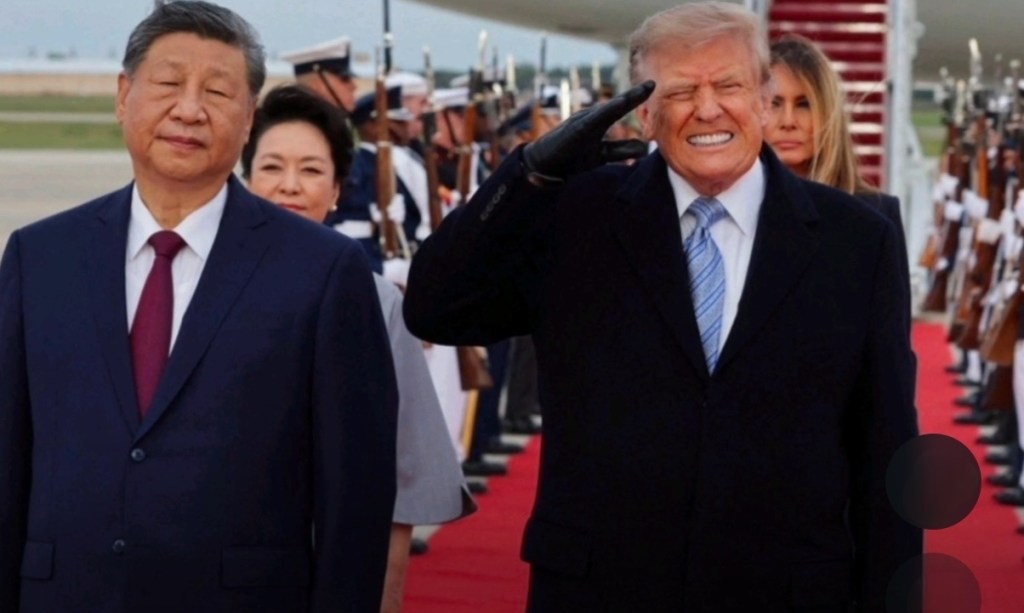
The ritualistic declarations of continued primacy reveal a deeper structural crisis that no amount of reassurance can conceal Editorial Analysis | September 2026 The most revealing aspect of contemporary American discourse about China is not the substance of the claims but the frequency and ritualistic character of their repetition. For decades, the United States was… Continue reading
AI and Digital Control, America, bond market, China, covid pandemic, economics, Energy, EUROPE, Financial markets, Foreign Policy, Geopolitics, Global Finance, imperialism, iran, israel, japan, knowledge, Mineral Resources, NATO, neocolonialism, politics, Russia, satellites, technology, Vaccines, war -
The Empire That Would Rather Burn Itself Than Share the World

An independent analysis of the 1992 Wolfowitz Doctrine, the RAND multi-domain strategy, and the structural reasons why a declining hegemon may attempt to topple the game board rather than accept a multipolar world Editorial Analysis | September 2026 The 1992 Defense Planning Guidance, drafted under the supervision of Paul Wolfowitz and leaked to the New… Continue reading
AI and Digital Control, America, bond market, China, economics, Energy, EUROPE, Financial markets, Foreign Policy, Geopolitics, Global Finance, imperialism, iran, israel, japan, knowledge, middle east, NATO, politics, reserve currency, Russia, satellites, technology, warAmerican primacy, Bilibili, China shipbuilding, class analysis, defence contractors, Extending Russia, institutional continuity, Iran threat assessment, multipolarity, National Endowment for Democracy, Nepal regime change, RAND Corporation, think tank funding, Venezuela oil seizure, Wolfowitz Doctrine, Yemen civilian casualties -
The Unipolar Delusion and the Return of Great-Power Politics: Why Western Escalation Reflects Panic Rather Than Strength
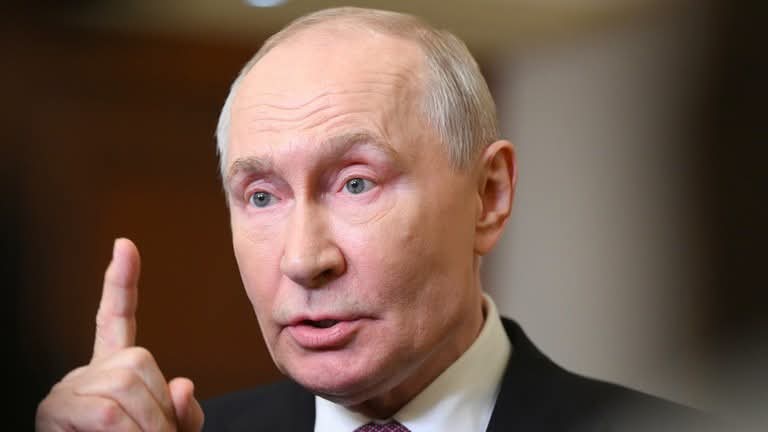
Editorial Analysis | September 2026 The collapse of the Soviet Union produced a distribution of global power that left Washington in effective control of the international system. That concentration of power, combined with the desire to maintain it in perpetuity, created structural incentives that shaped American foreign policy for three decades. One side emerged from… Continue reading
-
The Unit Settlement Instrument and the Material Limits of Multipolar Finance

The BRICS+ pilot of a gold-and-currency basket digital settlement token represents a significant technical experiment in parallel financial infrastructure, yet its trajectory remains constrained by the same capitalist contradictions that produced the dollar-centric order it seeks to circumvent. Editorial Analysis | September 2026 The Unit settlement instrument emerged from a specific historical conjuncture that fundamentally… Continue reading
AI and Digital Control, America, bond market, China, economics, Energy, EUROPE, Financial markets, Foreign Policy, Geopolitics, Global Finance, imperialism, iran, japan, middle east, Mineral Resources, NATO, neocolonialism, politics, reserve currency, warBelt and Road Initiative, Bishkek Declaration, BRICS, de-dollarisation, digital currency, Eurasian connectivity, financial sanctions, gold, Historical Materialism, hybrid warfare, international monetary system, International North–South Transportation Corridor, iran, Michael Hudson, multipolarity, national currencies, New Development Bank, SCO Development Bank, Sergey Glazyev, Shanghai Cooperation Organisation, Unit -
Building Parallel Architecture Against Weaponised Finance
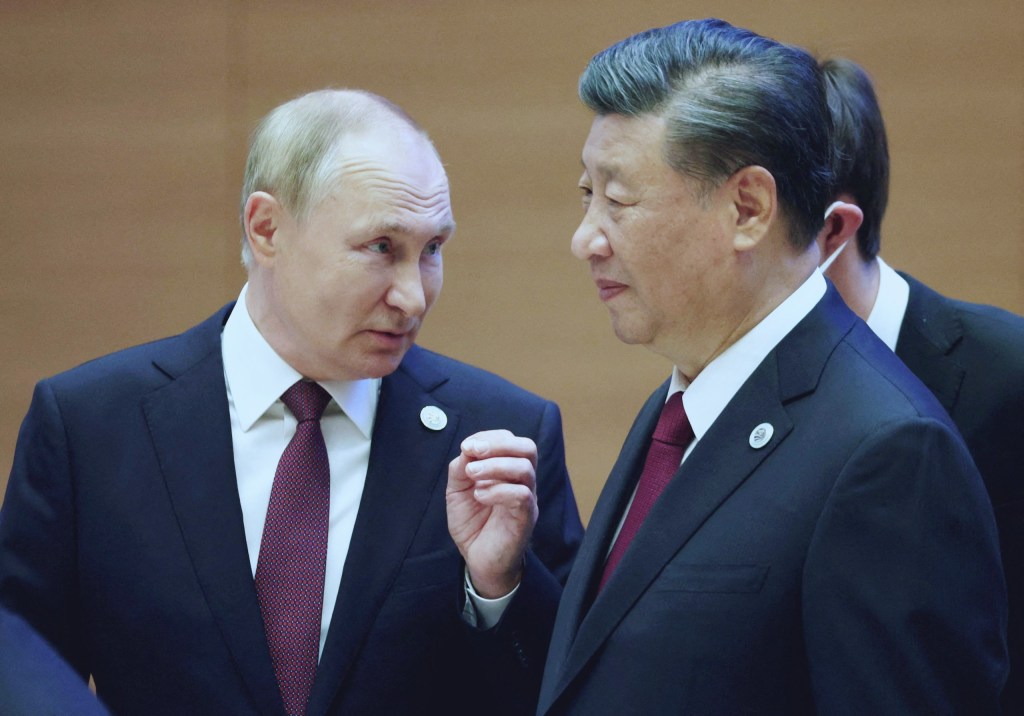
The Bishkek Summit and the Practical Contours of Eurasian Multipolar Construction Editorial Analysis | September 2026 The twenty-fifth summit of the Shanghai Cooperation Organisation held in Bishkek generated less theatrical display than the preceding gathering in Tianjin yet advanced several concrete institutional steps that clarify the organisation’s evolving role. Member states adopted a final declaration… Continue reading
-
China Gives Its Inland Factories a Direct Route to Southeast Asia
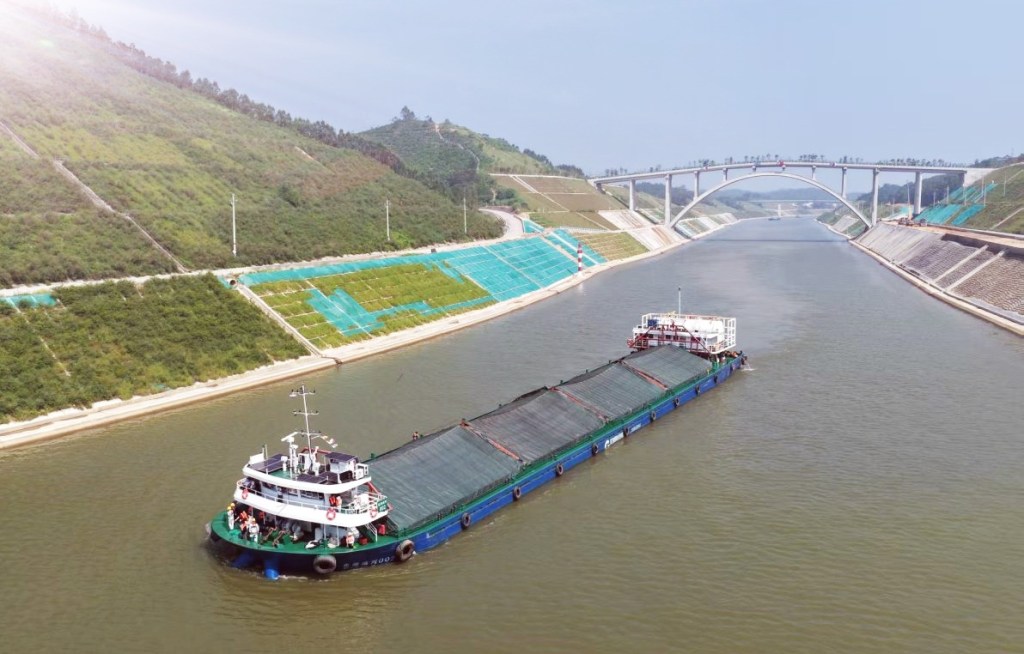
New Trade Route Linking China’s Inland Factories to Southeast Asia Later this month, cargo ships are expected to begin using a new and shorter route from China’s industrial southwest to the sea. The 134-kilometre Pinglu Canal connects Nanning and the inland river network of Guangxi to the Gulf of Tonkin. The canal has been built… Continue reading
-
The Bishkek Declaration and the Architecture of Imperial Continuity
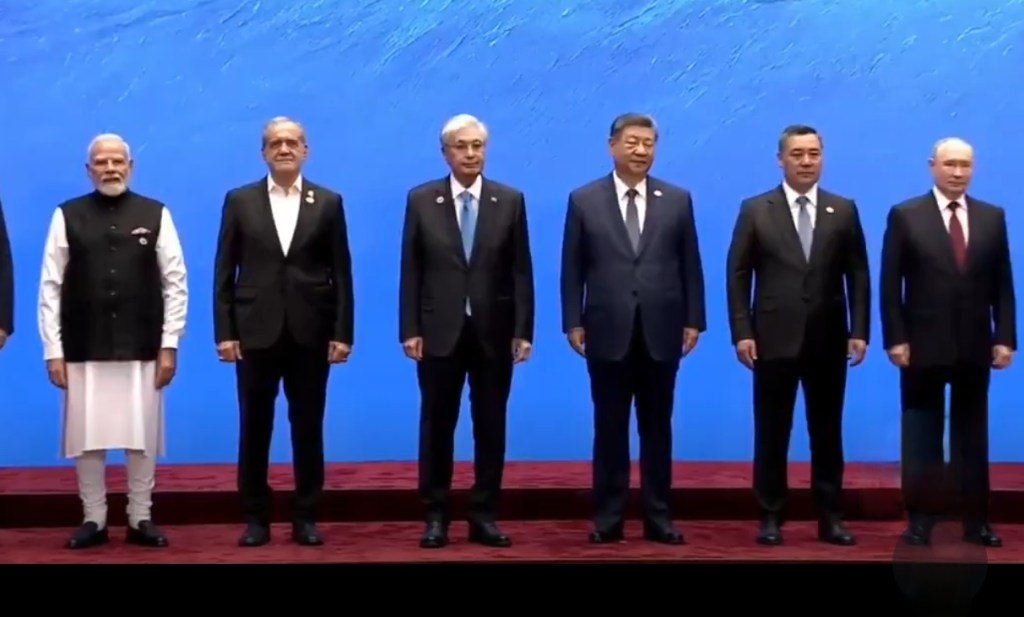
The Shanghai Cooperation Organisation’s unanimous condemnation of the American-Israeli attack on Iran signals more than diplomatic posturing; it exposes the deepening structural contradictions within a unipolar order that can no longer enforce its will without provoking collective resistance. Editorial Analysis | September 2026 The Shanghai Cooperation Organisation’s Bishkek Declaration, adopted on 1 September 2026, represents… Continue reading
-
The Yen Crisis is a Tsunami Like No Other on the Dollar Hegemony
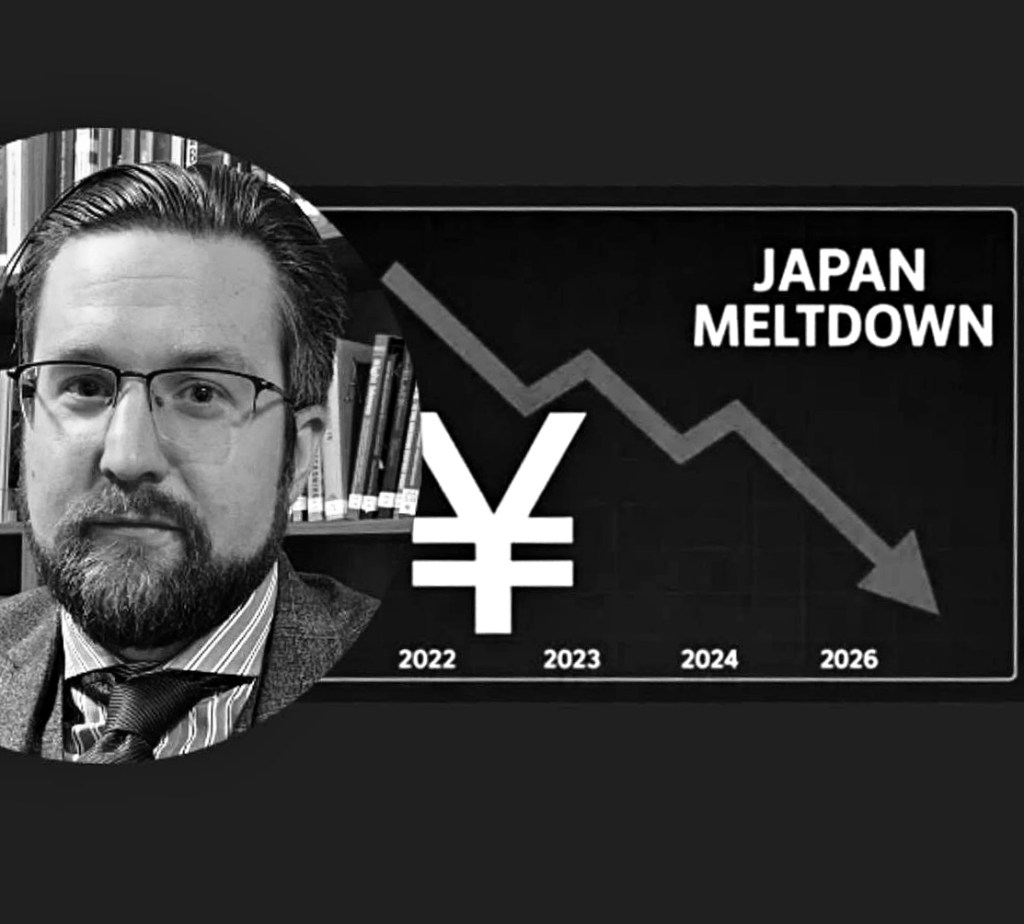
How Japan’s Financial Collapse Threatens to Trigger a Systemic Breakdown of the Global Dollar System Philip Pilkington’s analysis reveals that Japan’s financial instability represents the most immediate threat to the entire dollar-based international monetary system, with the yen functioning as the “canary in the coal mine” that signals an impending systemic collapse. The yen carry… Continue reading
-
A Marxist critique of the European push for war with Russia
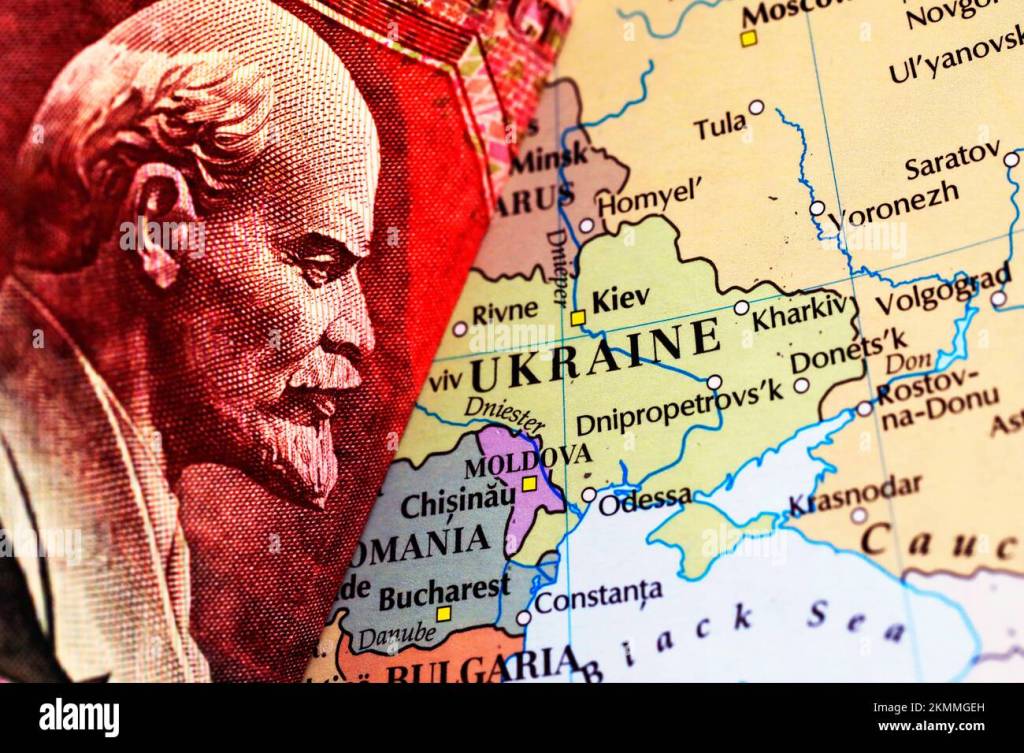
European elites are accelerating the push toward direct military confrontation with Russia not to defend democratic values or territorial integrity, but to preserve their own class power and wealth The central argument is that European elites are accelerating the push toward direct military confrontation not to defend democratic values or territorial integrity, but to preserve… Continue reading
AI and Digital Control, America, China, economics, Energy, EUROPE, Financial markets, Foreign Policy, Geopolitics, Global Finance, imperialism, iran, israel, Mineral Resources, NATO, neocolonialism, politics, reserve currency, Russia, waranti-war movement, austerity, BRICS, class struggle, colonialism, EUROPE, Global South exploitation, imperialism, imperialist war, Marxism-Leninism, multipolarity, NATO expansion, neoliberalism, primitive accumulation, Professor Richard Wolff, proletariat, Recolonisation, ruling class, Russia, Ukraine war -
Europe’s Recolonisation Project

How the Push for War With Russia Serves the Bourgeoisie’s Desperate Need to Revive a Dying System Editorial Analysis | August 2026 The war in Ukraine, which has now entered its fourth year, is not fundamentally a conflict about territorial integrity, national self-determination, or the defence of de mocratic values. These are the narratives presented… Continue reading
AI and Digital Control, America, economics, Energy, EUROPE, Financial markets, Foreign Policy, Geopolitics, Global Finance, imperialism, iran, israel, Mineral Resources, NATO, neocolonialism, reserve currency, Russia, waranti-war movement, austerity, BRICS, class struggle, colonialism, EUROPE, Global South exploitation, imperialism, imperialist war, Marxism-Leninism, multipolarity, NATO expansion, neoliberalism, primitive accumulation, Professor Richard Wolff, proletariat, Recolonisation, ruling class, Russia, Ukraine war
