
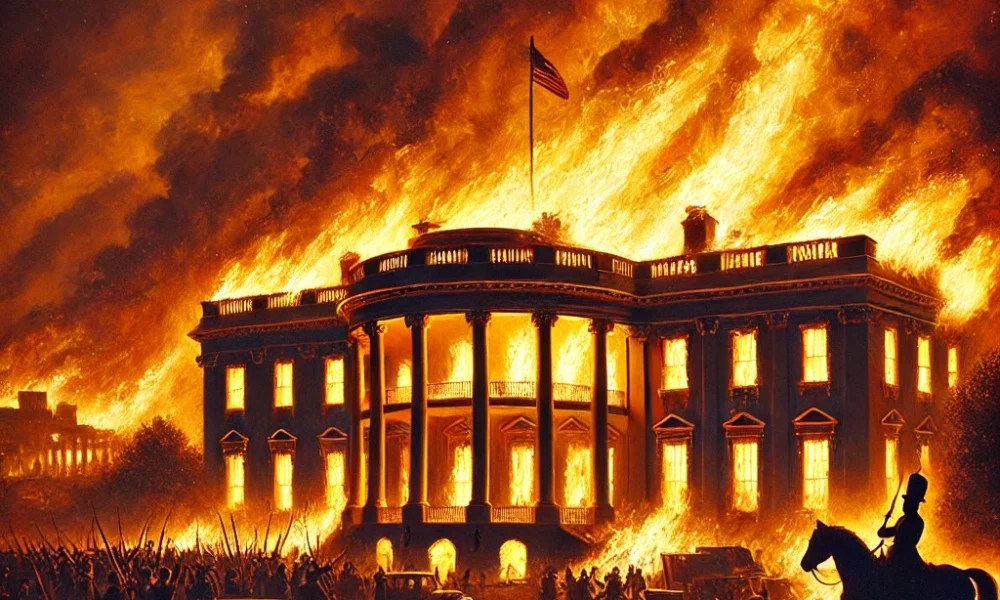
From Tehran to Taiwan: The Men Who Built America’s Empire Are Now Writing Its Autopsy
This the shortened version, the detailed long version for the avid readers, see link at the bottom.
Two of the most prominent architects of American imperial strategy published what can only be described as an obituary for uncontested United States military primacy within forty eight hours of each other in the second week of May 2026. Robert Kagan, co-founder of the Project for the New American Century and husband of former State Department official Victoria Nuland, wrote in The Atlantic that the United States had suffered a total defeat in Iran from which it could neither recover nor escape. Max Boot, the author of The Case for American Empire and a lifelong advocate of muscular American interventionism, then published an interview in The Washington Post with John Culver, a former Central Intelligence Agency national intelligence officer for East Asia, who has studied the Chinese military since 1985. The combined weight of these two admissions is not merely significant for what they reveal about American military capabilities. The combined weight is devastating because of who is speaking, where they are speaking, and what institutional tradition they represent.
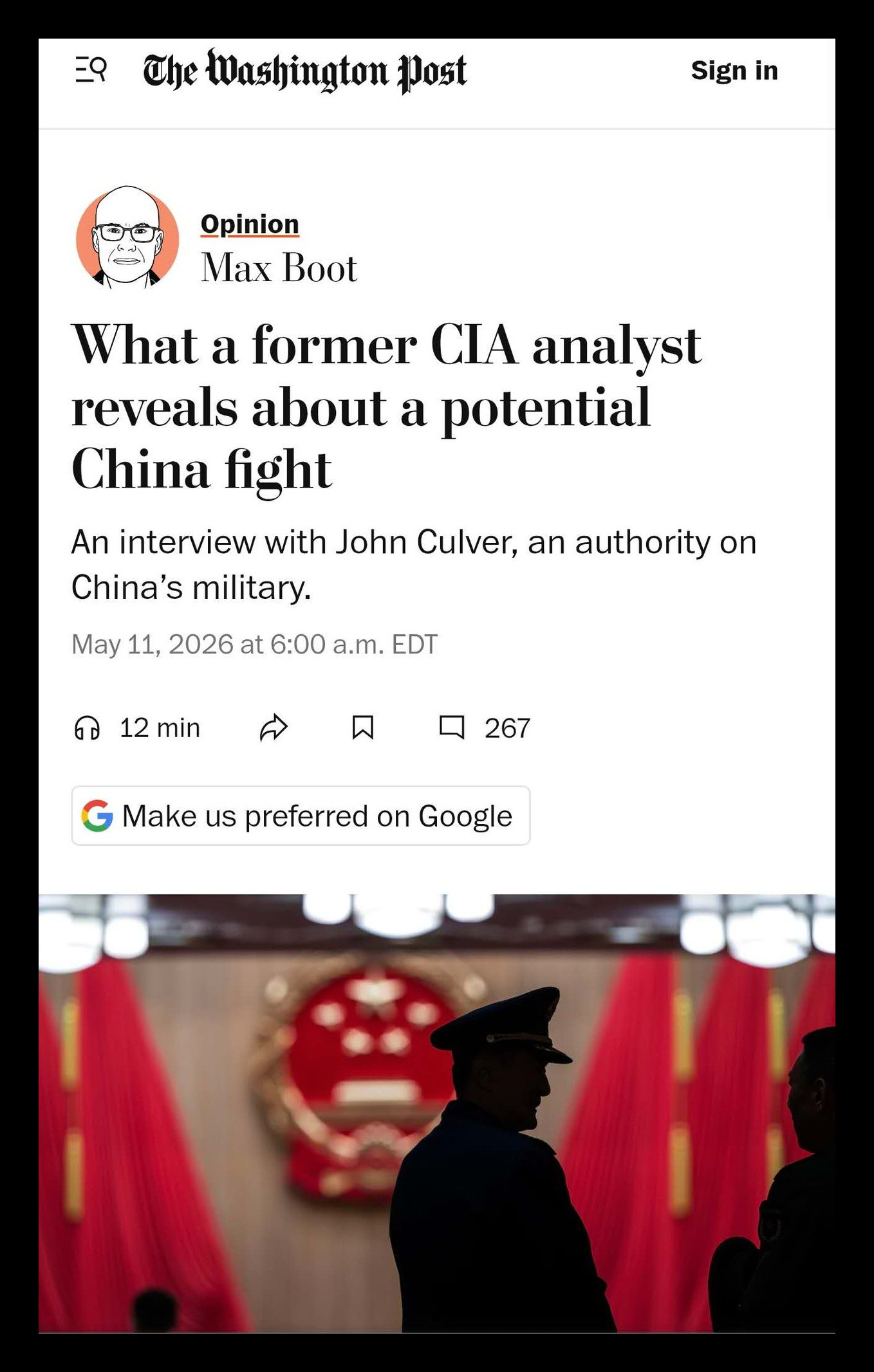
(WAPO link: What a former CIA analyst reveals about a potential fight with China)
Kagan effectively acknowledged that the United States could no longer control the Strait of Hormuz, that Iran had emerged as the dominant power in the Persian Gulf, and that the roles of Russia and China as Iran’s allies had been substantially strengthened while the role of the United States had been substantially diminished. The defeat, Kagan wrote, could neither be repaired nor ignored. There would be no return to the previous status quo. These are not the words of an anti-war dissident. These are the words of a man who spent his entire professional career arguing for American military supremacy and who was called upon by Dick Cheney to provide ideological justification for the invasion of Iraq. When Ronald McDonald tells you the hamburgers are not good, the hamburgers are genuinely not good.
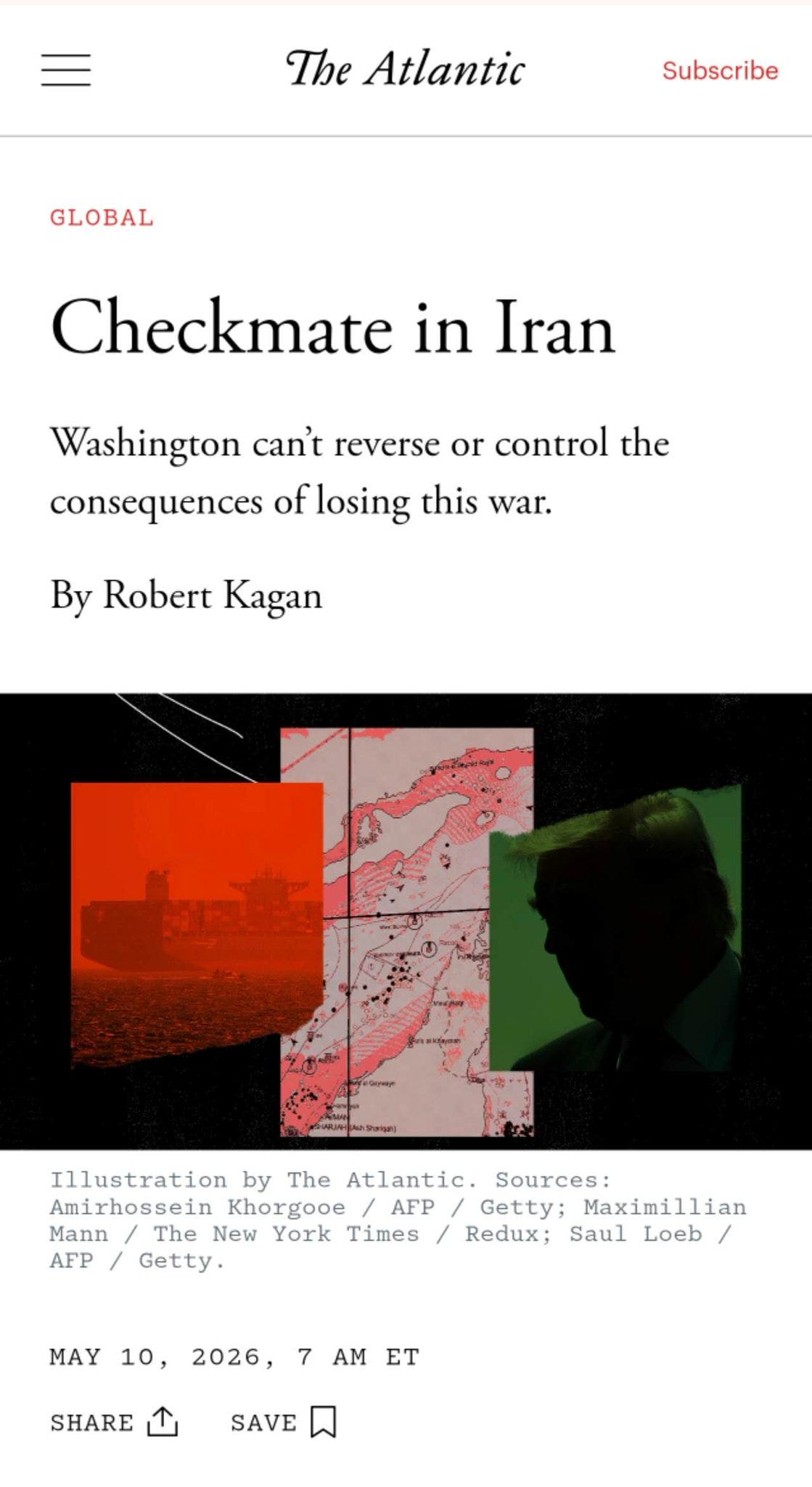
(The Atlantic link: Checkmate in Iran)
Boot’s interview with Culver goes further and may be even more devastating than Kagan’s piece because it moves beyond editorial opinion and into operational intelligence assessment. Culver is not a pundit. He spent decades inside the American intelligence community staring at the actual data concerning China’s military build-up. His conclusions are remarkably direct. He states that it is hard to point to any area other than submarines and undersea warfare where the United States still holds an advantage over China. In critical categories such as advanced munitions, air-to-air missiles, surface-to-air missiles, counter-space capabilities, and electronic warfare, China leads. In some areas, Culver says, China leads by magnitudes, meaning by factors of ten or one hundred. The industrial implications are staggering. One Chinese shipyard, Jiangnan Shipyard on Changxing Island near Shanghai, possesses more shipbuilding capacity than all United States shipyards combined. China deploys enough new naval vessels every year to replicate the entire French navy.
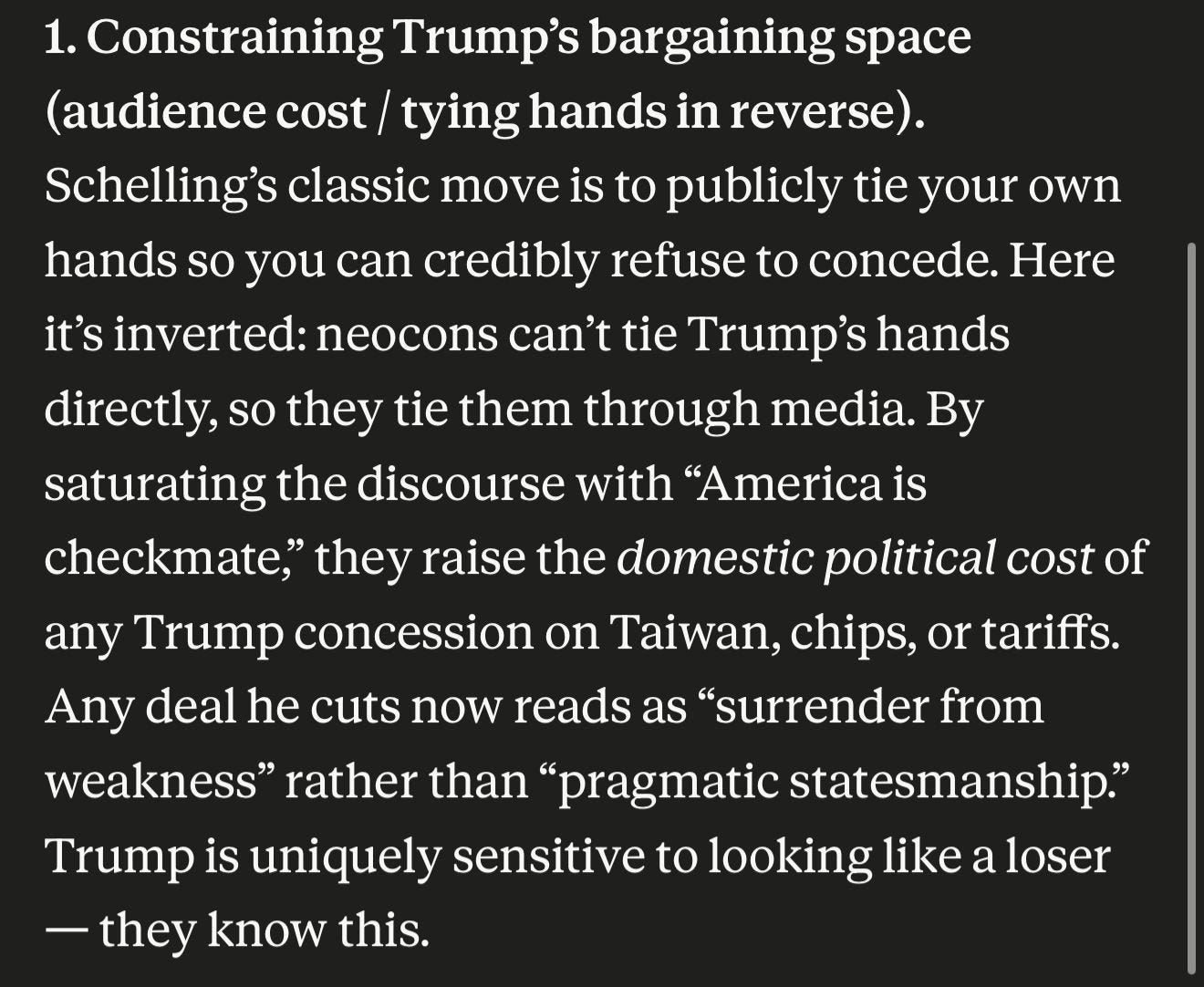
The most stunning revelation in the entire interview concerns Pentagon planning for a potential conflict over Taiwan. Culver states, as a matter of operational reality, that the current thinking inside the Pentagon appears to be that high-value American naval assets would need to be withdrawn from the theatre before hostilities even begin. American forces would then have to fight their way back in, from an origin point that is not clearly defined because Guam itself is no longer a safe bastion. The Chinese track American aircraft carriers every hour of every day. Carrier groups need to operate within one thousand miles of the combat zone to be relevant, but that distance lies well within the range of Chinese anti-ship missile systems. There are effectively no safe spaces for forward American deployment anywhere within the Western Pacific. This is not speculation about future vulnerability. This is a former top intelligence analyst describing the current operational assessment.
Culver’s analysis of industrial and logistical sustainability reinforces the severity of the situation. He notes that whichever side runs out of munitions first will lose. China produces advanced munitions at a rate magnitudes greater than the American industrial base could ever hope to match. The United States expended a huge portion of its long-range strike and theatre missile defence capacity fighting Iran, a conflict against a regional middle power with a fraction of China’s industrial capacity. The so-called Hellscape drone strategy for defending Taiwan collapses under Culver’s questioning because he asks the obvious question: what drones, launched from where? Any pre-deployment of drones to Taiwan, Luzon, or the Japanese southwest islands would place them within range of Chinese strikes. This is what Culver calls the tyranny of time and distance in Pacific warfare.
When Boot asks whether the Trump administration’s proposed one point five trillion dollar defence budget, which would represent a fifty percent increase, could reverse the trend lines, Culver’s answer is strikingly unoptimistic. He says it would probably help to some extent, but he worries that the United States would be throwing good money after bad. The problem is structural, not budgetary. American military services continue investing billions in aircraft carriers and battleships not because these platforms are strategically viable against China, but because the services have a nostalgia for the things that meet their expectations for how officers get promoted. There is no career track for drone operators leading to an admiral’s star. The system is incentivised to prefer obsolete platforms on which careers were built rather than adapt to the realities of twenty first century warfare.
The axioms established in the April 2026 Senate Armed Services Committee hearing on Indo-Pacific Command posture are now revealed as artefacts of a passing era. That hearing assumed American primacy could be maintained through forward basing, alliance integration, maritime interdiction, and energy warfare. Culver’s assessment, combined with Kagan’s admission, suggests that every pillar of that strategy has been compromised. Forward bases are no longer safe. Alliance integration exposes allied territories to devastating strikes. Maritime interdiction works both ways, and China holds geographic advantages the United States cannot overcome. Energy warfare against Iran has depleted American munitions stocks and revealed operational vulnerabilities that China has noted carefully. The unipolar machine that the Senate hearing described with such confidence is already broken.
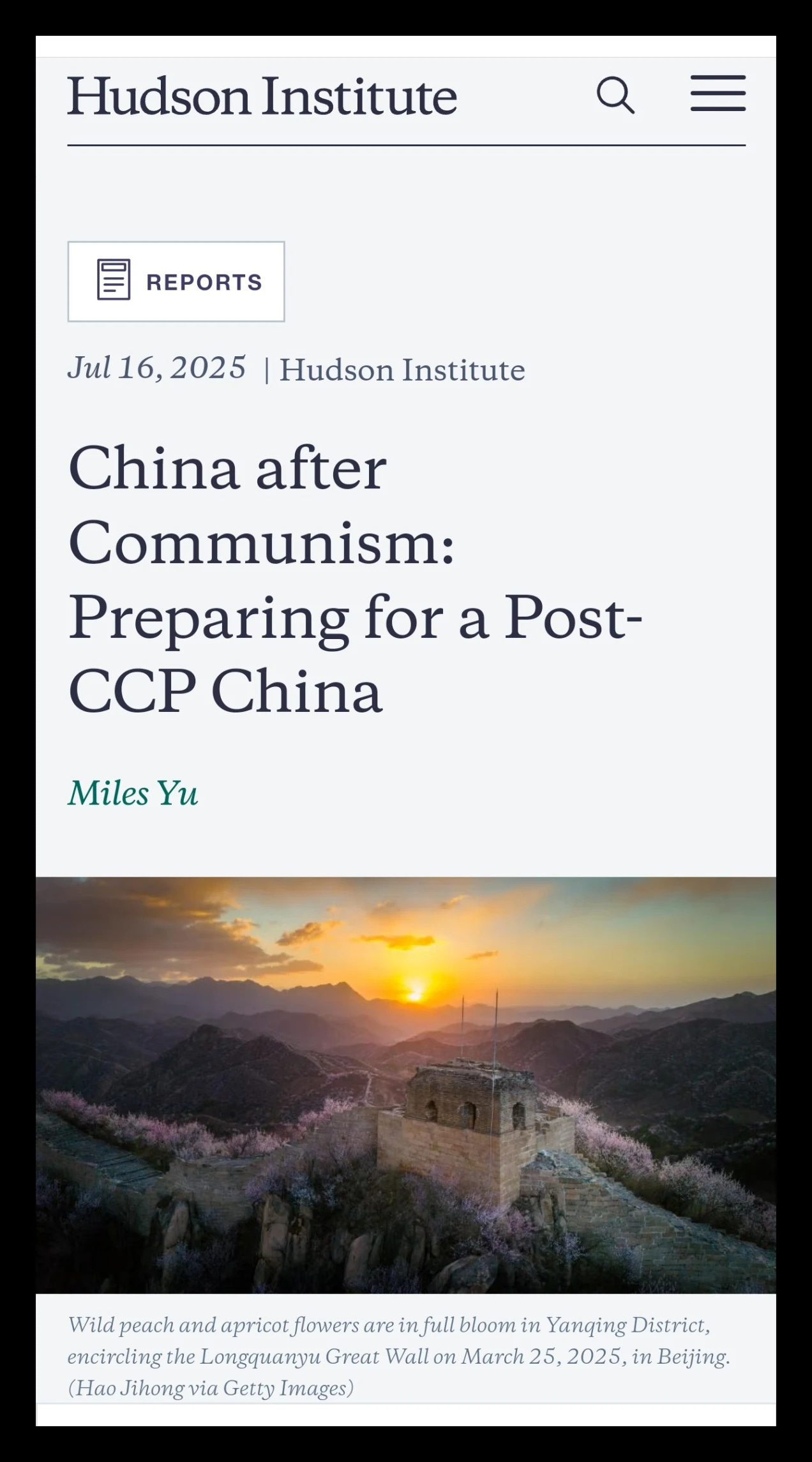
(Except from article: “With chapters written by experts in military affairs, intelligence, economics, human rights, transitional justice, and constitutional governance, this report examines the initial steps that should be taken in the immediate aftermath of the CCP regime’s collapse and the long-term trajectory China might take after a stabilization period.”)
Game is up. Two of America’s most prominent hawks, in two of its most establishment outlets, have published the obituary of American military primacy. Kagan admits total defeat in Iran. Culver implies that the United States cannot win a war against China and may well flee the Western Pacific rather than try. The arsonists who spent decades setting fire to the rules-based international order are now writing the fire report. The question is not whether American primacy is declining. The question is how the American political class will react to a decline that its own leading intellectuals have now publicly acknowledged. History suggests that declining hegemons become more dangerous, not less. Culver himself notes that Chinese leaders perceive the United States as a declining power becoming more violent as it tries to cling to primacy. That perception may be the most accurate strategic assessment in the entire Interview.
For the long detailed version, here is the link:
Kagan and Boot: The Guilty Are Writing the Verdict
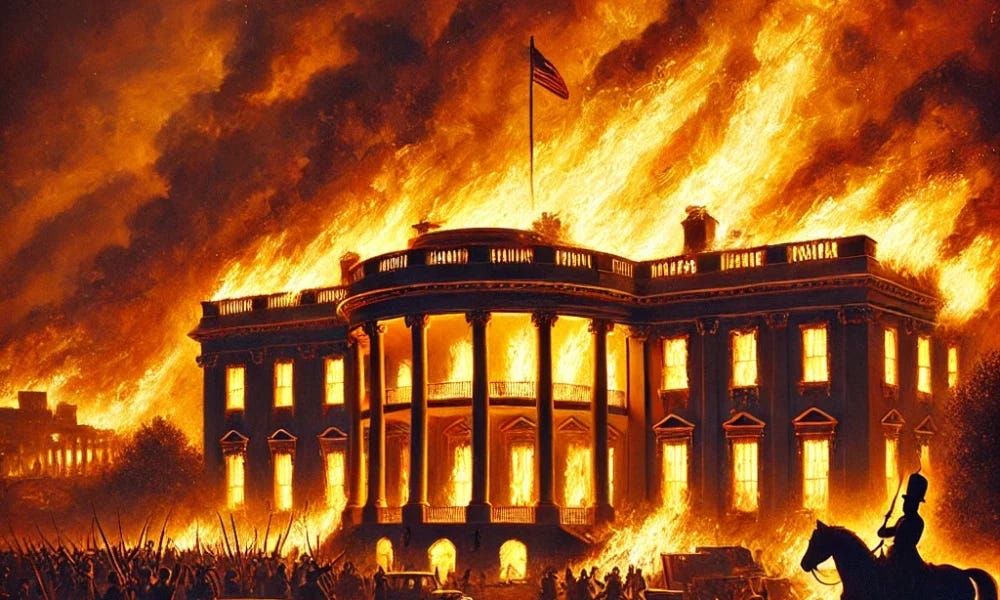
The Autopsy Report of Empire: Inside the Establishment Admission That the Game Is Up
Authored By: Global GeoPolitics
Thank you for visiting. This is a reader-supported publication. If you believe journalism should serve the public, not the powerful, and you’re in a position to help, becoming a PAID SUBSCRIBER truly makes a difference. Alternatively you can support by way of a cup of coffee:
https://buymeacoffee.com/ggtv |
https://ko-fi.com/globalgeopolitics |
Bitcoin:3NiK8BoRZnkwJSHZSekuXKFizGPopkE7ns
References
- The Atlantic – Robert Kagan: “Checkmate in Iran”
- The Washington Post – Max Boot interview with John Culver
- US Senate Armed Services Committee Hearing – Indo-Pacific Command Posture Review (April 21, 2026)
- US Senate Armed Services Committee YouTube Archive – Indo-Pacific Command Hearing
- The New York Times – “The Separation: Inside the Unravelling U.S.-Ukraine Partnership”
- US Department of Defense – Opening Remarks by Secretary Pete Hegseth at Ukraine Defense Contact Group
- Financial Times – Iranian Tankers Bypass US Blockade
- Reuters – How China Is Plugging Energy Supply Gaps Left by US-Iran Conflict
- Reuters – US Intercepts Iranian Oil Tankers in Asian Waters
- Politico – “5 Charts Show China’s Oil Dilemma After US Strikes”
- The Diplomat – Indonesia and the Future of Regional Energy Security
- Brookings Institution – “Which Path to Persia?”
- RAND Corporation – “Extending Russia”
- US Naval Institute Proceedings – “Tighten the Belt and Cut the Roads”
- The Guardian – “The Great Energy Pivot”
- CNN – China Preparing Weapons Shipment to Iran Amid Fragile Ceasefire
- Newsweek – JD Vance Floats Iran Blockade Proposal
- Geopolitical Economy Report – Oil War and the Petrodollar System
- US Office of the Historian – Courses of Action in Vietnam (1965)
- US Office of the Historian – The Philippine-American War, 1899–1902


Leave a comment