
American empire
-
The Energy Shock That Washington Pretended Wasn’t Happening
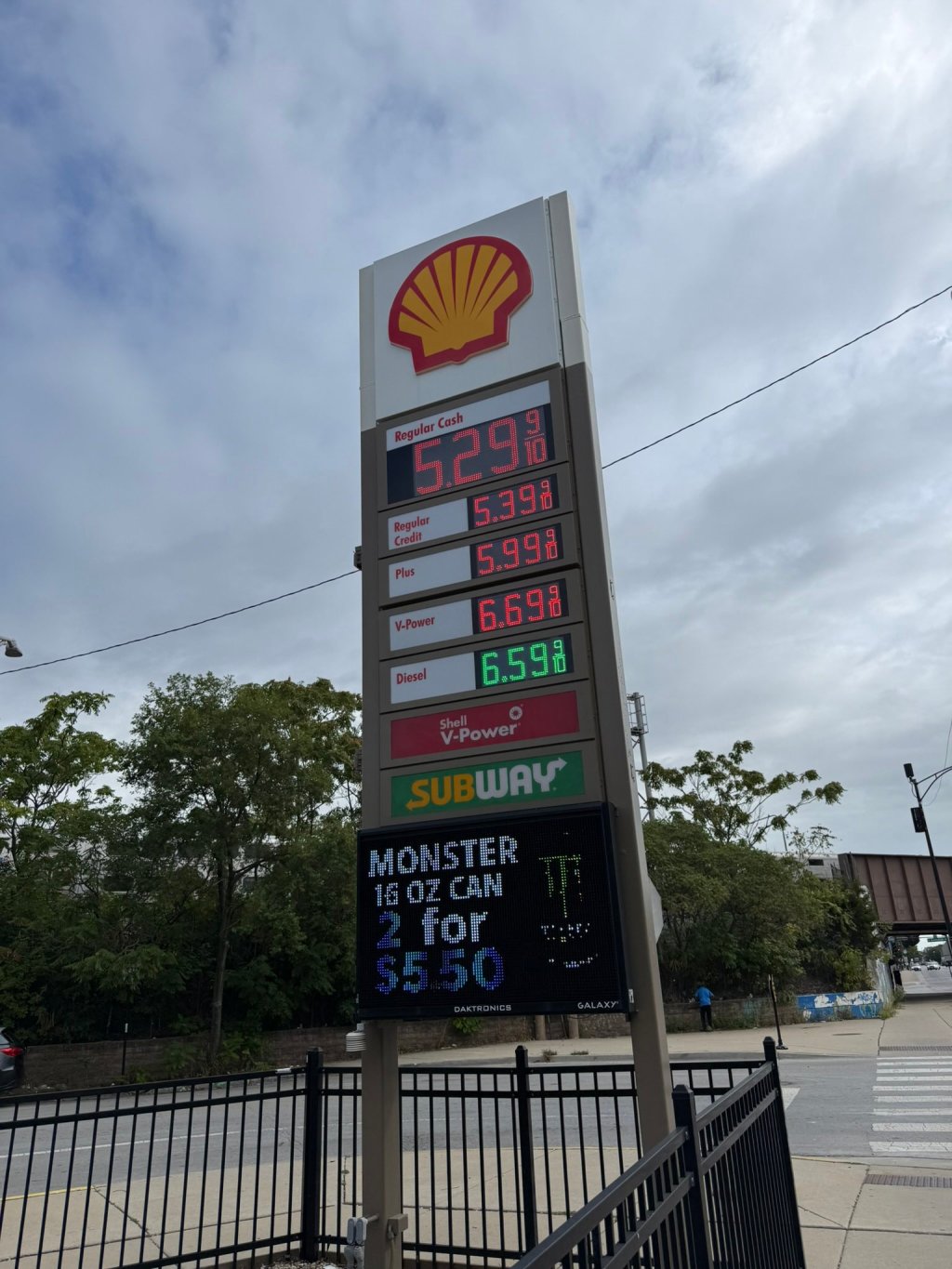
How the suppression of price signals turned a supply disruption into a systemic crisis, and why the costs are being borne by those who had no part in creating it Editorial Analysis | September 2026 The war that began on 28 February 2026 with joint United States and Israeli strikes on Tehran and several other… Continue reading
-
Tulsi Gabbard’s Exit Reveals Washington’s Old Foreign Policy Machinery
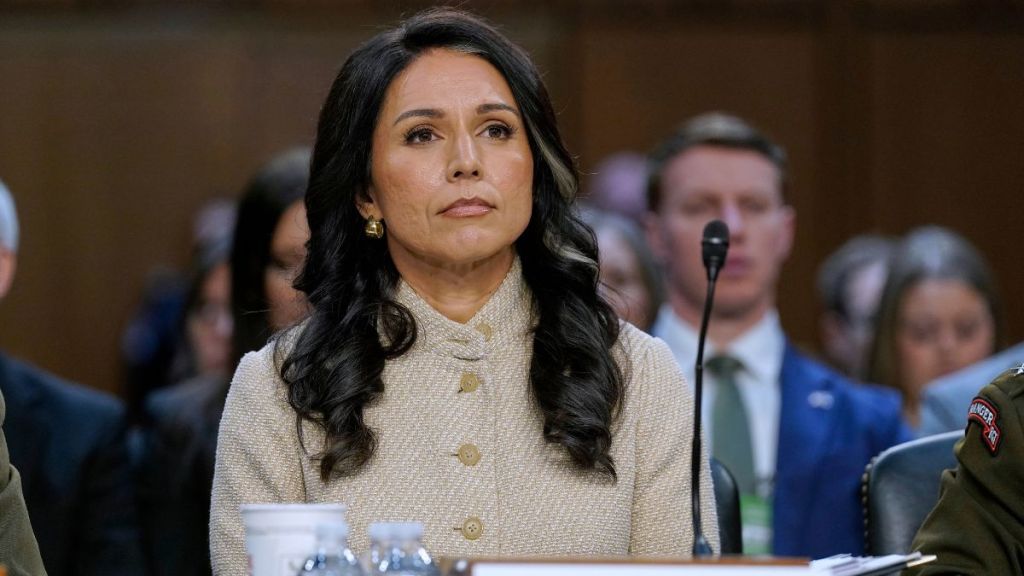
An administration elected partly upon anti-war sentiment increasingly resembles the interventionist security structures it once condemned, while mounting tensions surrounding Iran, intelligence authority, and scrutiny of American-funded biological research programmes cast a longer political shadow over Tulsi Gabbard’s carefully managed departure from the White House Tulsi Gabbard’s resignation from the position of Director of National… Continue reading
-
The Empire’s Mask Is Slipping

More people are starting to question the gap between what the West says it stands for and the destruction left behind by its wars, sanctions, and interventions. The Vietnamese leader, Ho Chi Minh said: “There is no destroyed house, scattered stone, severed hand, bereaved mother, or disfigured nation in which you will not find a… Continue reading
AI and Digital Control, America, China, economics, Energy, EUROPE, Financial markets, Foreign Policy, Geopolitics, Global Finance, iran, israel, middle east, Mineral Resources, NATO, politics, reserve currency, warAmerican empire, Anti War, empire, Endless War, Foreign Policy, Geopolitics, global power, Ho Chi Minh, imperialism, international relations, Iraq War, media propaganda, military industrial complex, narrative control, Palestine, Political Analysis, regime change, sanctions, Vietnam, Western Hegemony -
Trump’s Beijing Delegation Exposed the Real Structure of American Power [Extended Version]
![Trump’s Beijing Delegation Exposed the Real Structure of American Power [Extended Version]](https://globalgeopolitics.co.uk/wp-content/uploads/2026/05/img_20260513_235056.jpg?w=1024)
The Beijing visit exposed how transnational corporations, financial institutions, and technology monopolies now operate openly as the permanent power structure beneath American electoral politics. Donald Trump arrived in Beijing flanked by the commanding layer of American corporate and financial power because the visit exposed something Washington normally prefers hidden behind electoral theatre: transnational capital, technology… Continue reading
AI and Digital Control, America, China, economics, Energy, EUROPE, Financial markets, Foreign Policy, Geopolitics, Global Finance, iran, israel, middle east, Mineral Resources, NATO, politics, reserve currency, Russia, South East Asia, warAmerican decline, American empire, Apple, Belt and Road Initiative, blackrock, Boeing, China, Chinese Strategy, Corporate Globalism, corporate power, dollar hegemony, donald trump, economic warfare., elite power structures, energy security, Eurasia, Financial Capital, Financialisation, Foreign Policy, Game Theory, Geoeconomics, Geopolitics, global hegemony, global order, Goldman Sachs, great power competition, Indo-Pacific, Industrial Capacity, industrial policy, international relations, iran, manufacturing, Maritime Strategy, multipolarity, Nvidia, oligarchy, political economy, realism, Semiconductor War, Silicon Valley, Strategic Competition, strategic studies, supply chains, taiwan, technological sovereignty, Tesla, transnational capital, United States, US-China relations, wall street, Xi Jinping -
Kagan and Boot: The Guilty Are Writing the Verdict (Short Version)
From Tehran to Taiwan: The Men Who Built America’s Empire Are Now Writing Its Autopsy This the shortened version, the detailed long version for the avid readers, see link at the bottom. Two of the most prominent architects of American imperial strategy published what can only be described as an obituary for uncontested United States… Continue reading
AI and Digital Control, America, China, economics, Energy, EUROPE, Financial markets, Foreign Policy, Geopolitics, Global Finance, iran, israel, Latin America, middle east, Mineral Resources, NATO, politics, reserve currency, Russia, satellites, war#EnergyMarkets, #GlobalPolitics, #GreatPowerCompetition, #InternationalRelations, #MiddleEast, #MilitaryTensions, #SCO, #WesternHegemony, #WorldOrder, Abraham Accords, abuse of power, accountability, airstrikes, American decline, American dementia, American empire, American exceptionalism, American governance, American Hegemony, American politics, American Power, Anglo-Iranian history, Ariane de Rothschild, Asian energy security, assassination attempts, attrition, authoritarian, ballistic missiles, bargaining model of war, Benjamin Netanyahu, bipartisan continuity, blackrock, Bloomberg, British empire decline, Brussels, Brzeziński grand strategy, Geopolitics, iran, multipolarity, Russia -
The Choke Point Doctrine
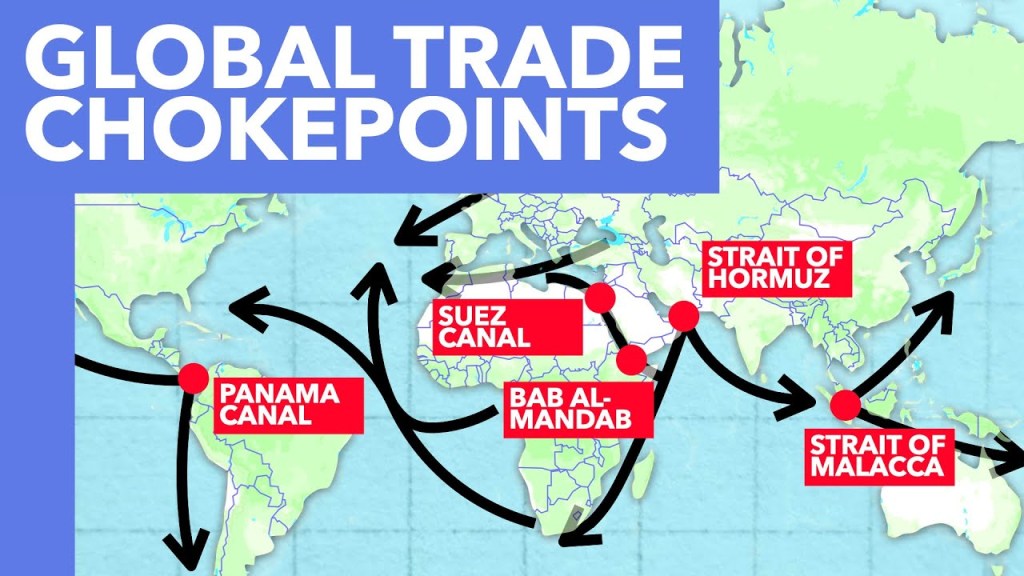
How American economic and military pressure now targets the Strait of Hormuz, the Strait of Malacca, the Panama Canal, the Suez Canal, the Strait of Gibraltar, and the Arctic passages The headline video below is circulating on social media under the title “It’s Not Chaos. It’s The Blueprint” argues that the seemingly disconnected crises in… Continue reading
AI and Digital Control, America, China, economics, Energy, EUROPE, Financial markets, Foreign Policy, Geopolitics, Global Finance, iran, israel, middle east, Mineral Resources, NATO, politics, reserve currency, Russia, warAdmiral Samuel Paparo, American empire, April 2026, Arctic passages, artificial intelligence, Belt and Road Initiative, Brookings Institution, China containment, choke point doctrine, energy security, geopolitical analysis, global trade routes, Greenland, Hong Kong, imperial decline, Indonesia military partnership, Iran War, lithium triangle, Malacca Dilemma, maritime interdiction, Maritime Strategy, Marshall Plan, military industrial complex, Morocco defence agreement, multipolarity, national security, naval blockade, Operation Stargate, Panama Canal, Panama ports, petrodollar, RAND Corporation, Senate Armed Services Committee, Strait of Gibraltar, Strait of Hormuz, Strait of Malacca, strategic petroleum reserve, Suez Canal, unipolarity, United States foreign policy, Venezuela Oil -
Kagan and Boot: The Guilty Are Writing the Verdict (Extended Version)
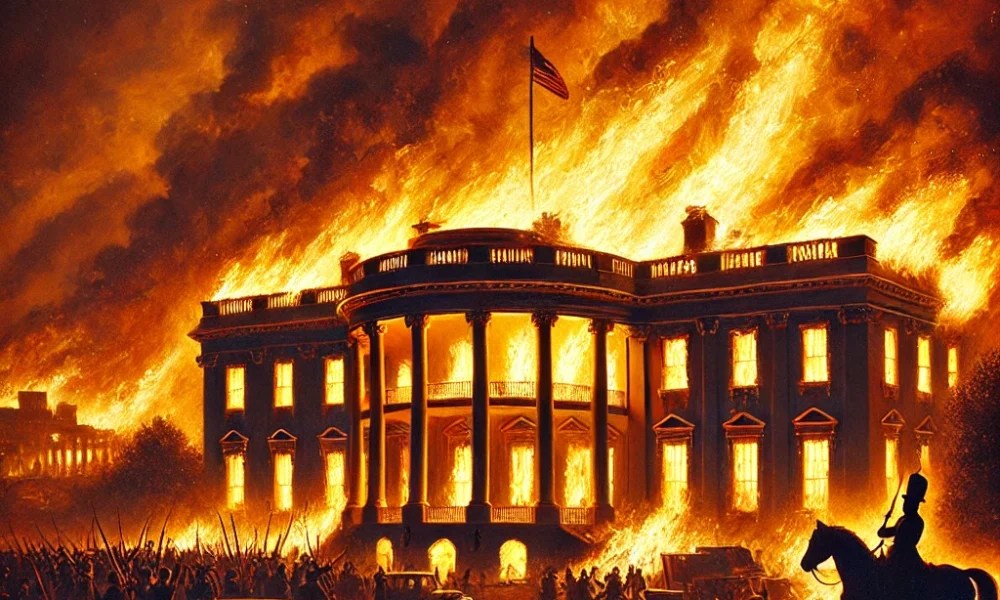
From Tehran to Taiwan: The Men Who Built America’s Empire Are Now Writing Its Autopsy The extraordinary significance of the Max Boot interview with former CIA analyst John Culver does not rest merely in the military assessments themselves, severe as they already appear. The deeper significance rests in who is speaking, where they are speaking,… Continue reading
AI and Digital Control, America, China, East Africa, economics, Energy, Financial markets, Foreign Policy, Geopolitics, Global Finance, iran, israel, NATO, politics, reserve currency, warAmerican decline, American empire, American Power, Atlanticism, Belt and Road Initiative, China, containment strategy, de-dollarisation, defence policy, empire, energy politics, Eurasia, Eurasian integration, Geopolitics, Geostrategy, global hegemony, global order, great power competition, imperial overstretch, Indo-Pacific, Indo-Pacific strategy, Industrial Capacity, international relations, iran, John Culver, maritime power, Max Boot, military industrial complex, Military Primacy, military strategy, multipolar world order, NATO, Neoconservatism, petrodollar, political economy, Project for the New American Century, Robert Kagan, Russia, sanctions, South China Sea, Strait of Hormuz, Strategic Competition, Strategic Decline, taiwan, Taiwan Strait, Ukraine war, unipolarity, US foreign policy, US Hegemony, US Navy, US-China relations, Washington Consensus, West Asia -
Kagan Admits Iran Won
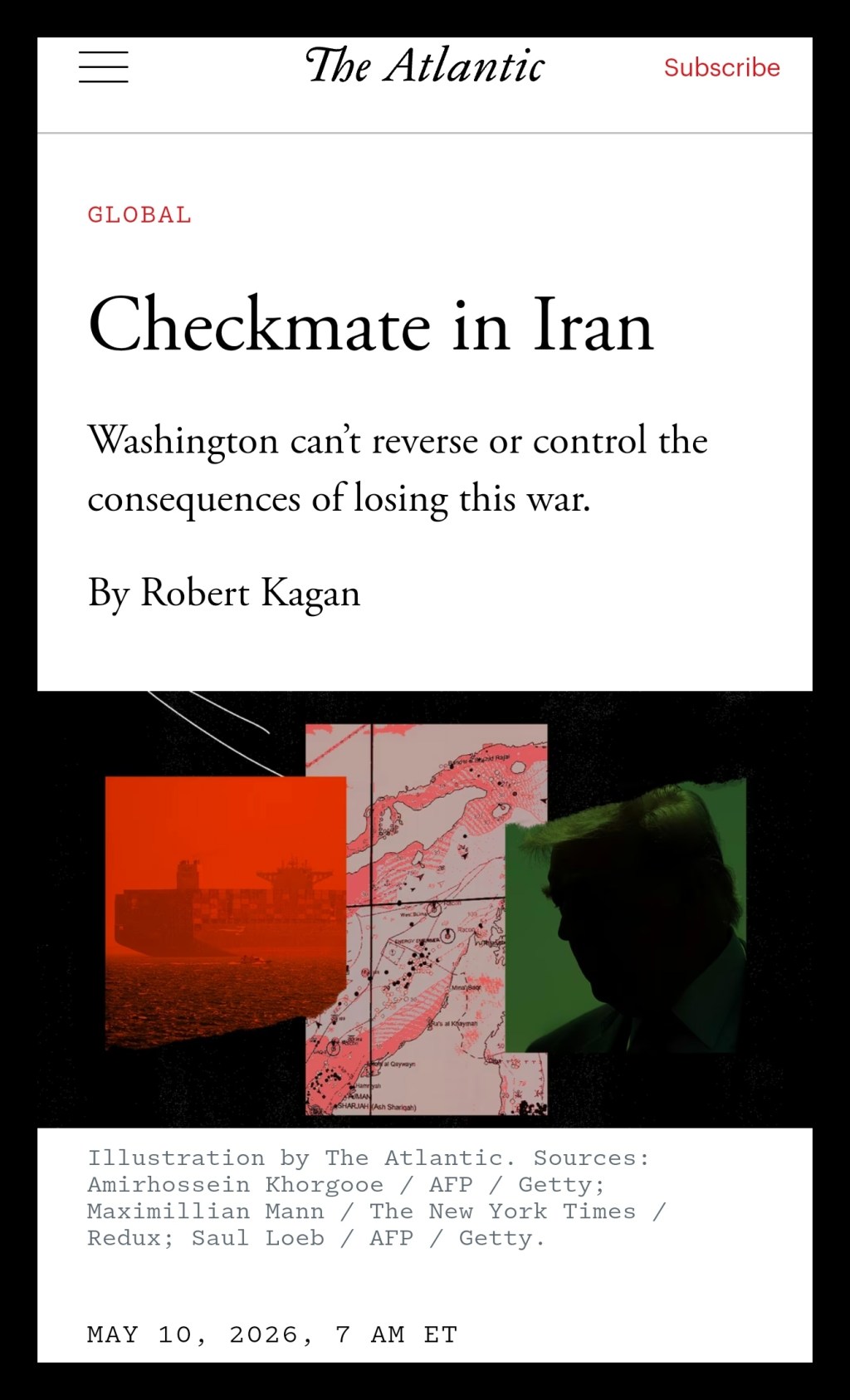
The co-founder of the Project for the New American Century writes the Empire’s Obituary – How the United States Lost a War it Started and Cannot Escape the Consequences When Robert Kagan writes that the United States has suffered a total defeat from which it cannot recover, the machinery of American imperialism has not merely… Continue reading
AI and Digital Control, America, China, economics, Energy, EUROPE, Financial markets, Foreign Policy, Geopolitics, Global Finance, iran, israel, middle east, Mineral Resources, NATO, politics, reserve currency, Russia, warAlaska LNG project, American dementia, American empire, anti-ship ballistic missiles, Asian energy security, AUKUS, Belt and Road Initiative, blockade failure, China containment, CIA analysis, CIWS, defence industrial base, energy decoupling, Eurasian axis, global food shortages, Gulf petromonarchies, imperial overstretch, Indo-Pacific Command, International North South Transport Corridor, Iran War, Iranian missile inventory, Iranian reparations, Iranian strategic dissuasion, IRGC Navy, Japan remilitarisation, JCPOA collapse, kamikaze drones, Mason, multipolar order, munitions shortages, NASA FIRMS satellite data, nuclear non proliferation treaty, oil prices 150 dollars, Persian Gulf Strait Authority, petrodollar collapse, petrodollar hegemony, Philippines China relations, Project for the New American Century, proxy warfare, Rafael Peralta, Robert Kagan, Russia China Iran alliance, sanctions lifting, Saudi Arabia airbase access, Shanghai Cooperation Organisation, South Korea military posture, Strait of Hormuz, strategic defeat, Taiwan deterrence, The Atlantic, Trump administration, Truxtun, UAE as enemy base, Ukraine war, unipolarity, United States defeat, US LNG exports, US Navy destroyers, Victoria Nuland, Washington Post intelligence assessment, weapons stockpiles, West Asian order -
The Myth of American Democracy

How Democratic Language Masked Elite Rule Beneath Public Participation The men who gathered in Philadelphia during the summer of 1787 did not meet to create a democracy in the modern sense of the word. They met to design a stable political order that could protect property, prevent unrest, secure commerce, and maintain elite control after… Continue reading
AI and Digital Control, America, economics, Energy, EUROPE, Financial markets, Foreign Policy, Geopolitics, Global Finance, iran, israel, middle east, Mineral Resources, NATO, politics, warAmerican empire, American governance, American politics, campaign finance, class power, constitutional design, constitutional history, corporate influence, democracy, democratic illusion, democratic myth, economic inequality, elite networks, elite rule, geopolitical analysis, governance, historical analysis, historical power structures, imperialism, institutional continuity, institutional power, lobbying, media power, national identity, oligarchy, political economy, political history, political ideology, political institutions, political legitimacy, political power, political structure, political theory, power and influence, public consent, ruling class, social hierarchy, State power, statecraft, wealth concentration -
America’s Suez Moment at Hormuz
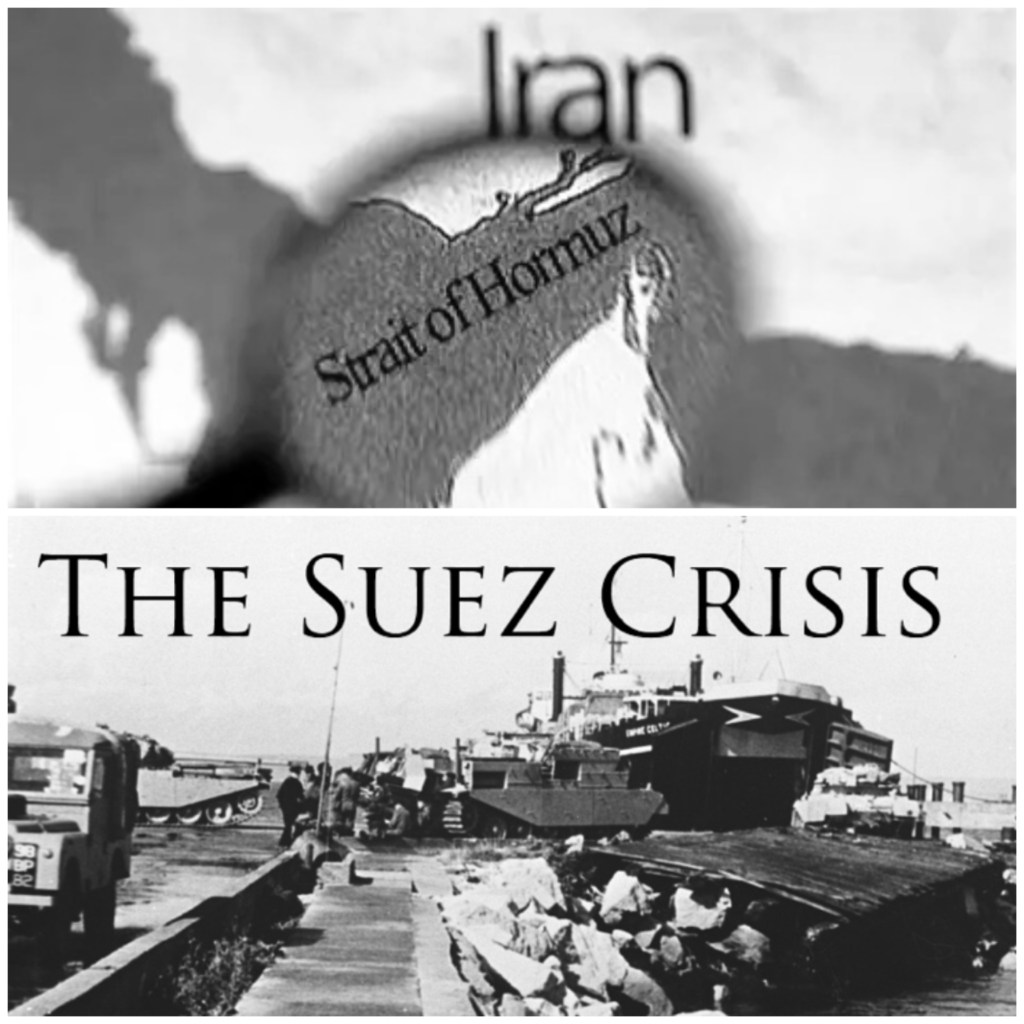
How loss of a single trade route reshapes power, finance, and global order Loss of control over the Strait of Hormuz will mark the end of American global dominance in the same manner that the Suez Canal marked the end of British imperial power, with the mechanism of decline rooted not in immediate military defeat… Continue reading
AI and Digital Control, America, China, economics, Energy, EUROPE, Financial markets, Geopolitics, Global Finance, iran, israel, middle east, NATO, politics, reserve currency, waralliance systems, American empire, asymmetrical warfare, British empire decline, capital flows, debt crisis, energy security, geopolitical analysis, global trade routes, historical precedent, imperial decline, Iran strategy, maritime chokepoints, oil transit, Ray Dalio, reserve currency status, Strait of Hormuz, Suez Crisis 1956, US dollar, US foreign policy
