
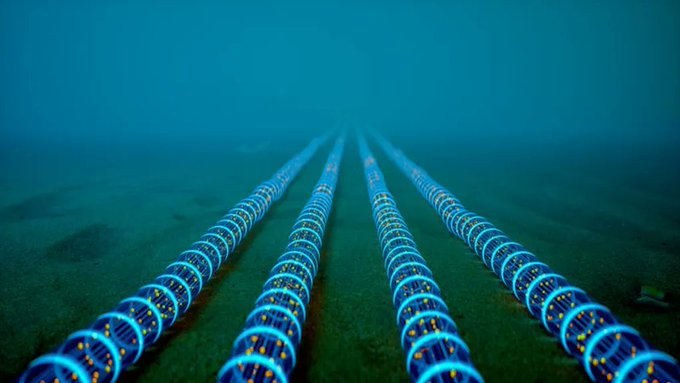
Tehran’s new licensing plan for foreign fiber optic cables increases pressure on US tech companies and adds another layer to growing global infrastructure tensions.
Iran has announced a new plan to charge fees for underwater internet cables passing through the Strait of Hormuz. Iranian media connected to the Islamic Revolutionary Guard Corps said companies such as Google, Microsoft, Meta, and Amazon would need licenses to operate cables in the area. The plan would also require companies to follow Iranian law and allow Iranian organizations to control repairs and maintenance.
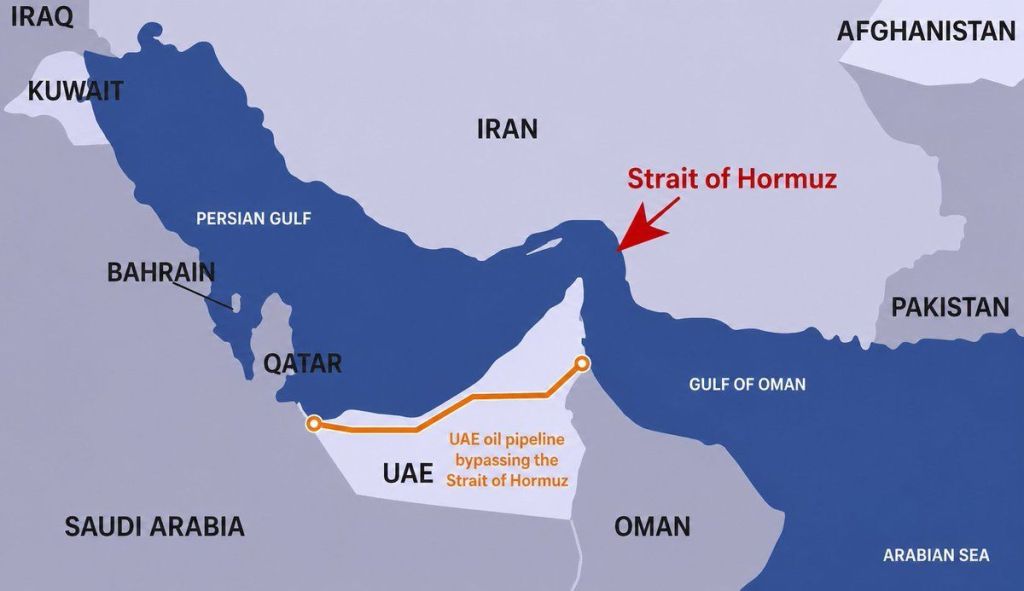
The Strait of Hormuz is one of the most important waterways in the world. Large amounts of global oil shipments pass through it every day. In recent years, the region has also become important for internet and digital communications because many submarine fiber optic cables connect Europe, Asia, and the Middle East through nearby waters.
The problem for American companies is that US sanctions already block many business payments to Iranian groups, especially organizations connected to the IRGC. This means companies could face legal trouble in the United States if they paid Iran under the new system. Iran is likely aware of this problem, which is why many analysts see the announcement as a political move instead of a normal business policy.
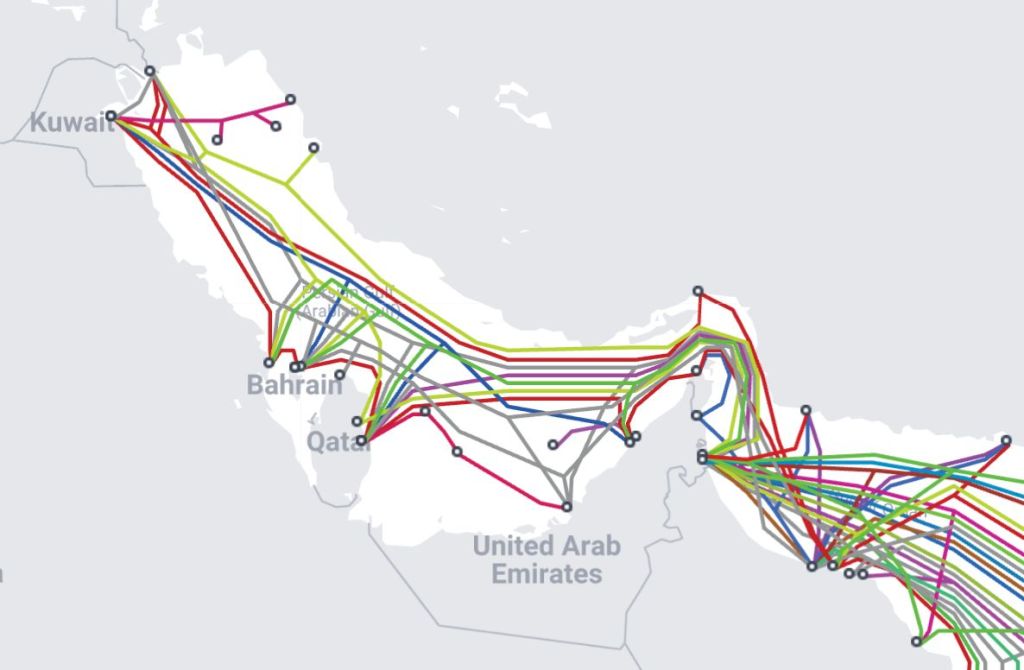
Iran appears to be using its geographic position as leverage against the West. The country has often threatened oil shipping in the Strait of Hormuz during periods of tension with the United States. Now Iran is showing that internet infrastructure could also become part of geopolitical conflict.
This issue is important because modern economies depend heavily on underwater cables. Financial systems, cloud computing, AI technology, online communication, and global businesses all rely on fast internet connections. If cable repairs become delayed or political disputes increase in the region, companies could face higher costs and slower service.
The announcement also reflects a larger global trend. Countries are competing for control over important infrastructure such as ports, shipping lanes, energy pipelines, semiconductors, and communication networks. Governments increasingly see digital systems as part of national security and economic power.
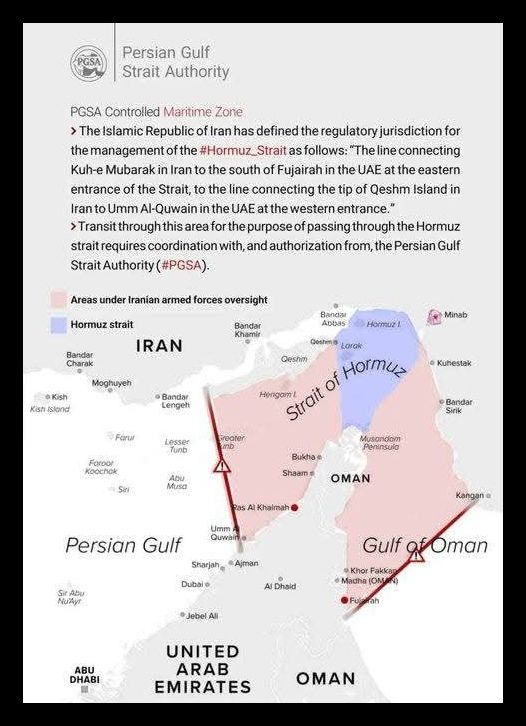
The Strait of Hormuz lies within the territorial seas of Iran and Oman, but because it is a strait used for international navigation, most states and maritime lawyers argue that it is governed by the transit-passage regime codified in Part III of UNCLOS (Articles 37–44). Under Article 38, ships and aircraft enjoy a right of transit passage that coastal states may regulate only in limited ways. Article 42 allows certain non-discriminatory regulations relating to safety, pollution, and navigation, but does not clearly authorize unilateral tolls or revenue charges for mere passage. UNCLOS also contains protections relating to submarine cables (Articles 79 and 113–115), though their application in territorial seas versus continental shelves can be legally complex. Iran is not a party to UNCLOS, although many provisions concerning straits are often argued to reflect customary international law. Iran has historically rejected interpretations that would automatically guarantee unrestricted transit passage through Hormuz, especially for military traffic. Tehran instead emphasizes its sovereignty over its territorial sea and has at times asserted broader regulatory powers than Western maritime powers accept.
The situation shows how global conflicts are expanding beyond military power and oil. Control over digital infrastructure is becoming another major part of international politics.
During an interview above with Rachel Blevins, Mark Sleboda argued that Iran can respond asymmetrically to US pressure by targeting critical global infrastructure.
Sleboda said Iran’s potential target list includes the East-West oil pipeline and undersea internet cables running through the Strait of Hormuz, infrastructure tied directly to global energy markets and international communications.
His comments reflect growing concerns that any major conflict with Iran would extend far beyond the battlefield and hit the global economy through shipping routes, energy systems, and digital networks.
dispute is therefore not only about Here is a strengthened, fully integrated version of your passage, incorporating the legal comparison and the strategic rationale you wanted at the end.
Authored By: Global GeoPolitics
If you prefer to make a one time donation in support of my work, you can do so by clicking any link below:
https://buymeacoffee.com/ggtv |
https://ko-fi.com/globalgeopolitics |
Bitcoin: 3NiK8BoRZnkwJSHZSekuXKFizGPopkE7ns


Leave a comment