
Persian Gulf
-
The U.S. Vows to Impose the Toughest Sanctions in History on Iran
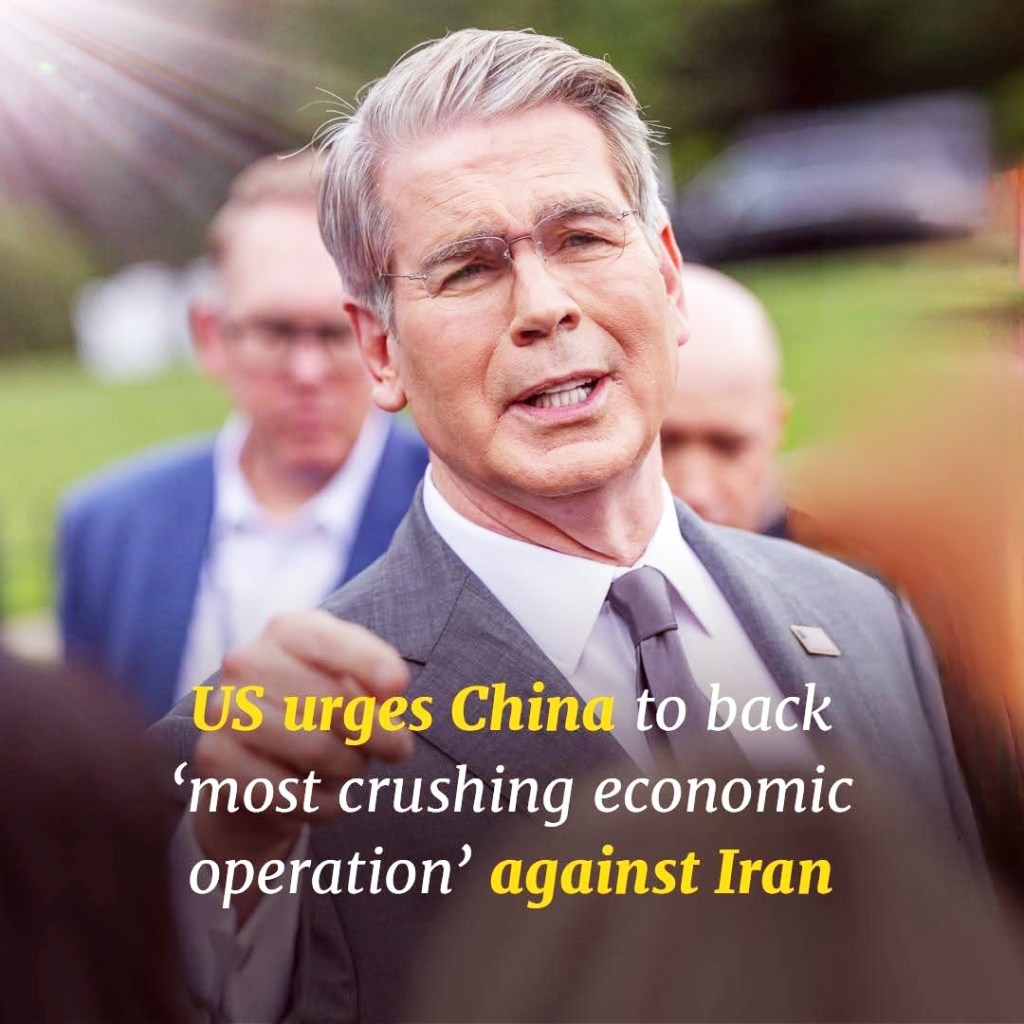
President Trump Declares ‘Economic D-Day,’ Threatening Crippling Sanctions for Dealing with Iran General Article | August 2026 Washington has launched what it describes as an economic D-Day against Iran, with United States Treasury Secretary Scott Bessent vowing to impose the toughest sanctions in history in a concerted effort to collapse the Iranian government. Speaking to… Continue reading
-
The Strategic Logic of American Energy Warfare and the Destruction of Global Stability
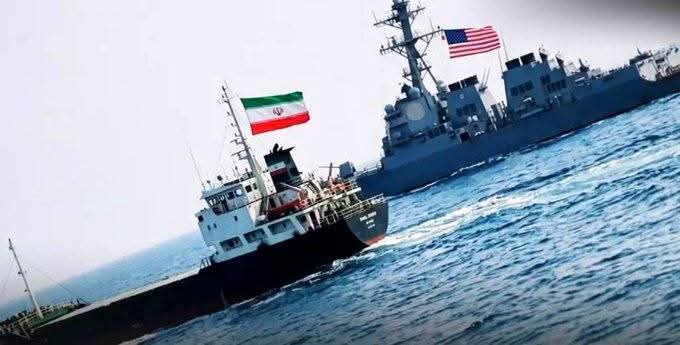
The Geopolitical Economy of Energy Sabotage and Transnational Class Primacy in the American Campaign Against Multipolarism Editorial Analysis | July 2026 The ongoing diplomatic and military confrontations involving the United States, its regional allies, and the Islamic Republic of Iran do not constitute an isolated regional crisis, nor do they stem from sudden tactical miscalculations… Continue reading
-
Iran Warns “Entire Region Will Pay the Price” as US Bombs Bridges
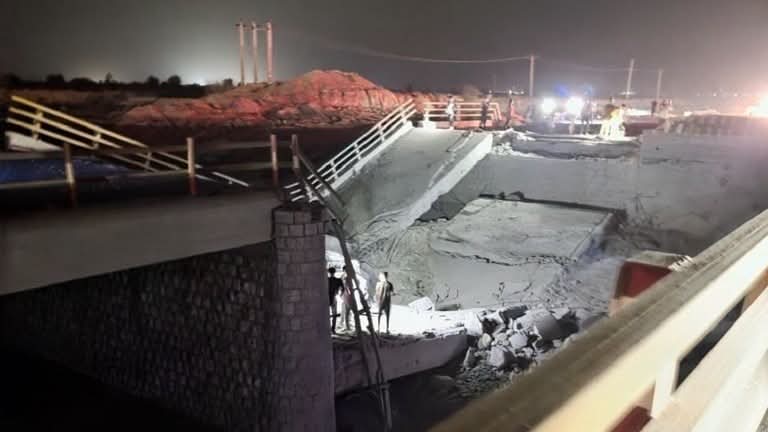
Tehran’s Response Will Leave Americans “Stunned,” Intelligence Source Says The United States carried out its sixth consecutive night of air strikes against Iran on Thursday, with Iranian officials reporting that American aircraft had hit civilian infrastructure, including several bridges, as Tehran warned that any further escalation would carry consequences for the entire region. US Central… Continue reading
Bahrain, Bandar Abbas, Bandar Khamir, Benjamin Netanyahu, civilian casualties, donald trump, Fifth Fleet, iran, Iranshahr Airport, Islamic Revolutionary Guard Corps, Middle East conflict, naval blockade, oil markets, Persian Gulf, regional escalation, RT, Strait of Hormuz, United States, US Central Command, US–Iran war -
Reading Between the Lines: Why Rezaee’s CNN Interview Is More About Messaging Than Negotiation
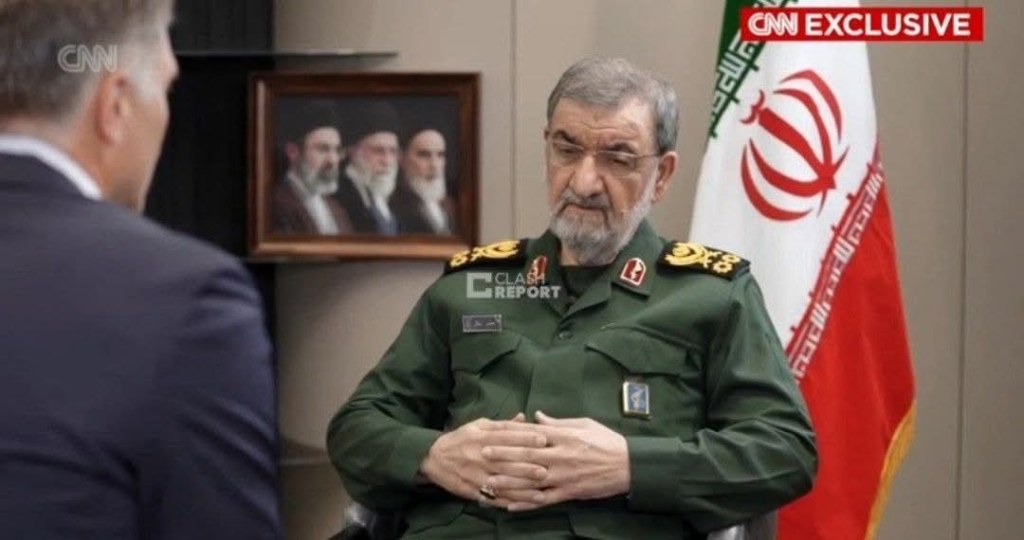
Tehran does not expect negotiations to produce a breakthrough, it wants to shape the narrative around any future escalation My reading of Rezaee’s CNN interview is that it is primarily directed at Western audiences and the cameras, not because Tehran genuinely expects negotiations to produce a breakthrough, but because it wants to shape the narrative… Continue reading
AI and Digital Control, America, Financial markets, Foreign Policy, Geopolitics, Global Finance, imperialism, iran, israel, middle east, Mineral Resources, NATO, neocolonialism, politics, South East Asia, warBab al-Mandab, British Empire Legacy, CNN Interview, Colonial Borders, conflict analysis, diplomacy, escalation, Foreign Affairs, GCC, geopolitical risk, Geopolitics, Geostrategy, Gulf Monarchies, Gulf States, information warfare, international relations, iran, Iran US relations, Long War, maritime security, middle east, Middle East politics, Middle East Transformation, Mohsen Rezaee, multipolar world order, Persian Gulf, political legitimacy, political stability, power projection, Red Sea security, Regime Security, Regional Conflict, Regional Order, Regional Realignment, security studies, state formation, Strategic Affairs, strategic messaging, US foreign policy, West Asia -
Iran Targets Undersea Internet Cables in Strait of Hormuz

Tehran’s new licensing plan for foreign fiber optic cables increases pressure on US tech companies and adds another layer to growing global infrastructure tensions. Iran has announced a new plan to charge fees for underwater internet cables passing through the Strait of Hormuz. Iranian media connected to the Islamic Revolutionary Guard Corps said companies such… Continue reading
AI and Digital Control, America, Geopolitics, iran, israel, middle east, Mineral Resources, NATO, politics, warblockade risk, cable landing stations, choke point control, customs control, digital infrastructure, economic warfare., energy trade route, freedom of navigation, geopolitical control, global energy supply, Here are clean comma-separated tags for your topic: Iran, Hormuz Strait, international waters law, Iranian Revolutionary Guard Corps, IRGC, LNG shipping, maritime chokepoint, maritime logistics, maritime security, maritime tariffs, naval control, naval escort system, oil shipping route, oil transport, Persian Gulf, port authority, sanctions enforcement, shipping insurance, shipping lanes, shipping regulation, shipping toll booth, Strait of Hormuz, strategic waterways, submarine communications cables, tanker traffic, telecommunications cables, territorial waters, toll system, transit fees, UNCLOS, undersea cables, vessel inspection -
The Calm Before the Storm: Is Washington Preparing for War With Iran Again?
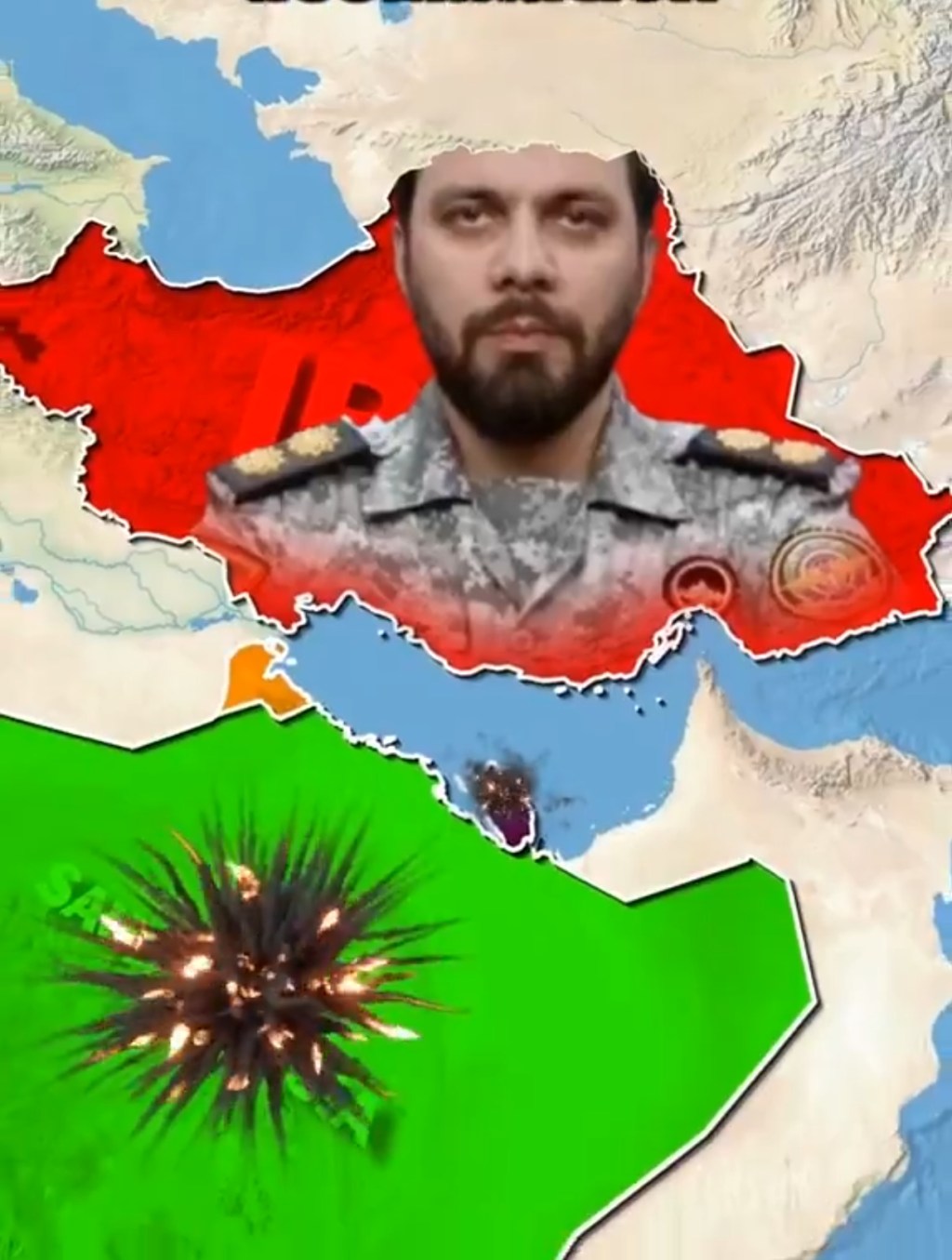
Washington says it wants diplomacy, but the demands being placed on Tehran look more like surrender terms than the foundation for lasting peace. The United States says it still wants diplomacy with Iran. Officials continue talking about negotiations, peace, and “de-escalation.” But behind the language of diplomacy, the reality looks very different. The conditions Washington… Continue reading
AI and Digital Control, America, Energy, Financial markets, Foreign Policy, Geopolitics, iran, israel, middle east, NATO, politics, Russia, warChina, CNN, Cruise Missiles, Defense, drones, Geopolitics, Global Politics, international relations, iran, middle east, Military, Military Industry, Missile Launchers, Missile Systems, Nuclear Tensions, pentagon, Persian Gulf, regional security, Russia, sanctions, Strait of Hormuz, strategic deterrence, Tehran, United States, US–Iran relations, Warfare -
One Battle, Two Press Releases: Hormuz and the Crisis of American Deterrence
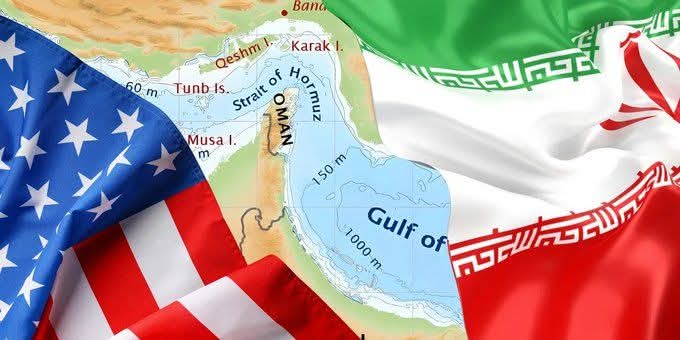
The Persian Gulf confrontation exposed the widening gap between military optics and operational control, while financial stabilisation and military escalation merged into the same strategic system A naval withdrawal inside the Strait of Hormuz would mark a strategic rupture extending far beyond one contested waterway, because the credibility of American maritime supremacy depends upon sustained… Continue reading
AI and Digital Control, America, China, economics, Energy, EUROPE, Financial markets, Foreign Policy, Geopolitics, Global Finance, iran, israel, middle east, Mineral Resources, NATO, politics, reserve currency, Russia, warAmerican Power, anti-access area denial, asymmetric warfare, Clausewitz, Coercive Credibility, Currency Systems, Defence Economics, dollar hegemony, energy security, escalation dominance, Financial markets, financial stability, Game Theory, Geoeconomics, Geopolitics, global order, Hormuz Crisis, imperial decline, international relations, iran, IRGC, maritime chokepoints, Maritime Strategy, Middle East security, military doctrine, Military Industrial Base, military strategy, Missile Saturation, multipolarity, Naval Warfare, Persian Gulf, Plunge Protection Team, political economy, realism, sea power, Strait of Hormuz, Strategic Geography, strategic studies, systemic risk, United States Navy -
The UAE’s OPEC+ Exit – A Structural Gamble
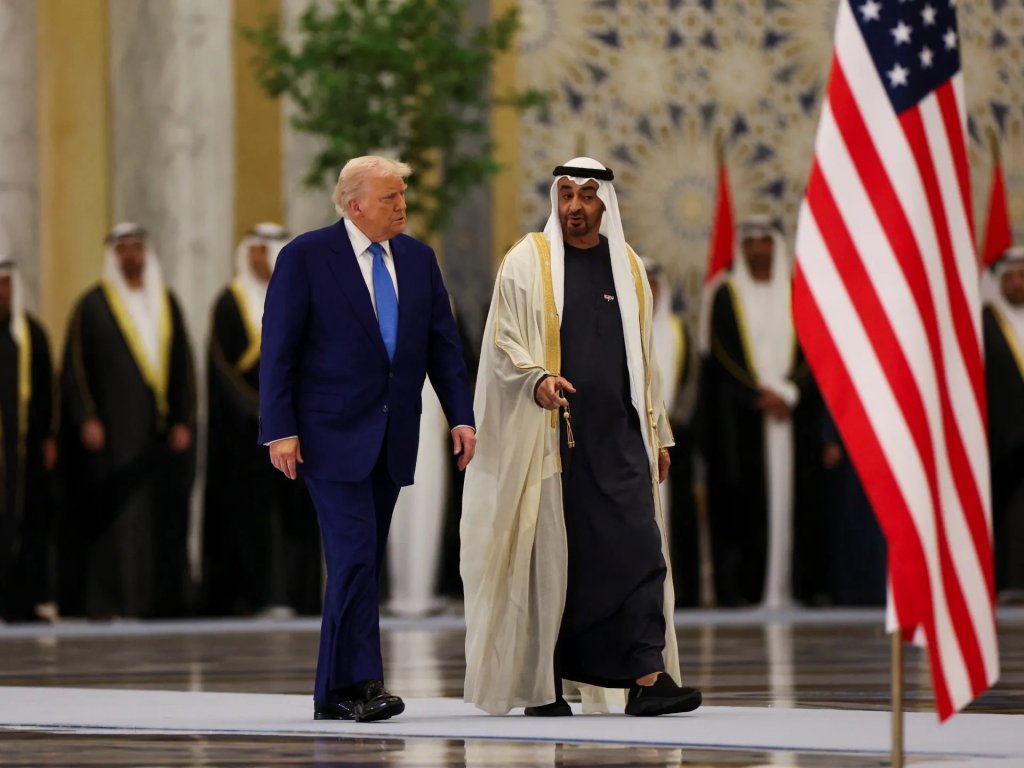
An irreversible strategic shift in energy, security, and regional order The United Arab Emirates’ decision to quit OPEC+ represents a structural rupture in Gulf geopolitics, reshaping energy flows, fracturing regional alliances, and exposing the fragility of U.S. strategic guarantees. This manoeuvre is irreversible. By monetising its newly expanded oil capacity of five million barrels per… Continue reading
AI and Digital Control, America, China, economics, Energy, EUROPE, Financial markets, Foreign Policy, Geopolitics, Global Finance, iran, israel, middle east, Mineral Resources, NATO, politics, reserve currency, Russia, South East Asia, warAbu Dhabi, asymmetric warfare, capital flight, energy strategy, Fujairah pipeline, Game Theory, GCC, global energy markets, Gulf geopolitics, international political economy, iran, Middle East energy, OPEC fragmentation, OPEC+, Persian Gulf, regional alliances, regional power shift, Saudi Arabia, strategic autonomy, U.S. security guarantees, UAE -
Iran Will Win This War
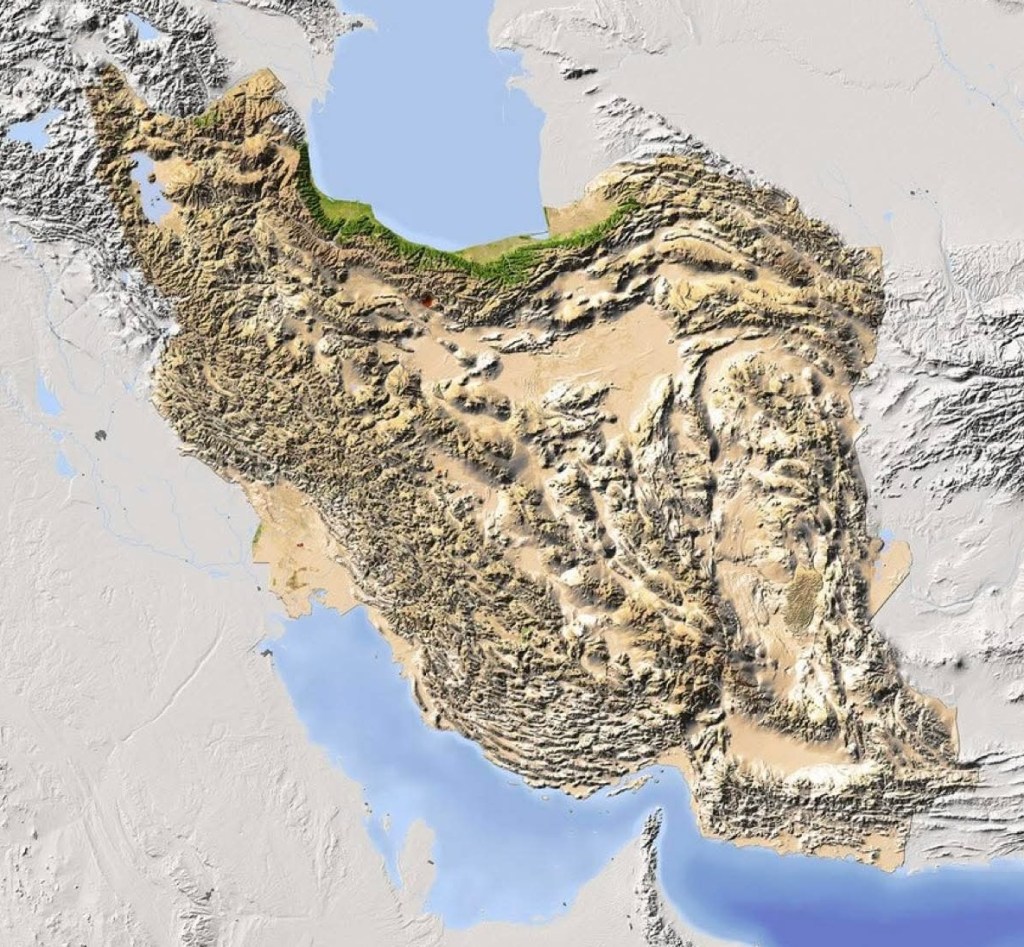
America Is Losing in the Middle East And Fast, Decades of Military Might, Gone in Days. Strategic analysis of the war involving Iran, the United States, and Israel must begin with a clear understanding of the form such a war would take and the structural realities shaping it. Conventional comparisons of aircraft carriers, military spending,… Continue reading
AI and Digital Control, America, China, Energy, EUROPE, Financial markets, Foreign Policy, Geopolitics, Global Finance, iran, israel, Latin America, middle east, NATO, politics, reserve currency, warinternational relations, iran, Iran defense, Iran military preparation, Iran missile capabilities, Iran vs US, Iran war strategy, Middle East conflict, military devastation, military infrastructure, Persian Gulf, regional dominance, Strait of Hormuz, Trump administration, US bases attacked, US foreign policy, US Military, US military history, war analysis, war footage -
Iran’s “Famous Bride” Jibe as Ghalibaf Mocks U.S. Carrier Departure as Strategic Retreat
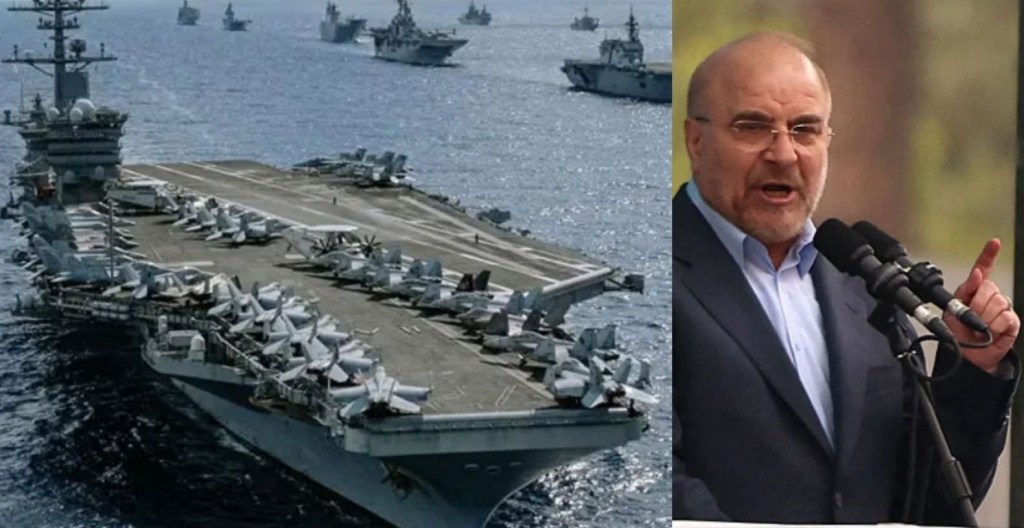
Beyond insult, the remark reflects Iran’s strategy of promoting missile and drone capabilities as tools to deter American power. Iranian Parliament Speaker Mohammad Bagher Ghalibaf used unusually cutting rhetoric to mock the United States over the departure of the aircraft carrier USS Abraham Lincoln (CVN-72), framing the move as proof that American military pressure against… Continue reading
