
IRGC
-
Report: Ghalibaf’s Zurich Visit and Growing Evidence of Internal Divisions Over the Islamabad MoU
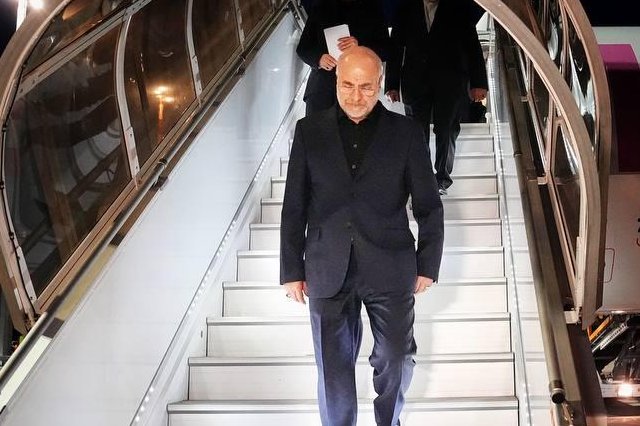
The reported arrival of Iranian Parliament Speaker Mohammad Bagher Ghalibaf in Zurich comes amid continuing controversy surrounding the Islamabad Memorandum of Understanding (MoU), Iran’s negotiations with the United States, and growing questions regarding the balance of power within the Islamic Republic. While many of the most detailed claims regarding the negotiation process remain unverified, a… Continue reading
-
The War That Remade Iran: Strategic Gains from the 2026 Conflict
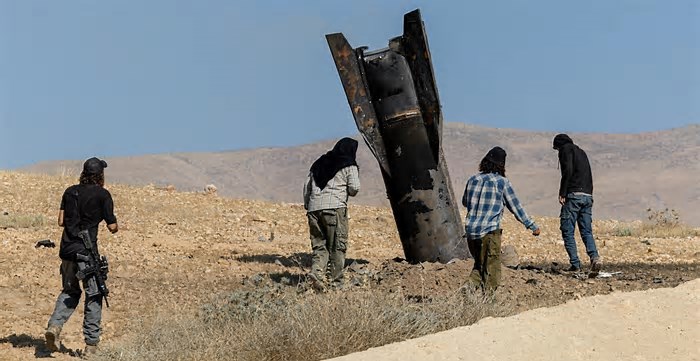
How a Battered Islamic Republic Emerged with New Power, New Leadership, and a Changed Middle East The central premise of the February 2026 American and Israeli military campaign against Iran was straightforward: sustained aerial bombardment combined with targeted killings of the Islamic Republic’s senior leadership would either fracture the state or produce conditions amenable to… Continue reading
-
Iran Targets Undersea Internet Cables in Strait of Hormuz

Tehran’s new licensing plan for foreign fiber optic cables increases pressure on US tech companies and adds another layer to growing global infrastructure tensions. Iran has announced a new plan to charge fees for underwater internet cables passing through the Strait of Hormuz. Iranian media connected to the Islamic Revolutionary Guard Corps said companies such… Continue reading
AI and Digital Control, America, Geopolitics, iran, israel, middle east, Mineral Resources, NATO, politics, warblockade risk, cable landing stations, choke point control, customs control, digital infrastructure, economic warfare., energy trade route, freedom of navigation, geopolitical control, global energy supply, Here are clean comma-separated tags for your topic: Iran, Hormuz Strait, international waters law, Iranian Revolutionary Guard Corps, IRGC, LNG shipping, maritime chokepoint, maritime logistics, maritime security, maritime tariffs, naval control, naval escort system, oil shipping route, oil transport, Persian Gulf, port authority, sanctions enforcement, shipping insurance, shipping lanes, shipping regulation, shipping toll booth, Strait of Hormuz, strategic waterways, submarine communications cables, tanker traffic, telecommunications cables, territorial waters, toll system, transit fees, UNCLOS, undersea cables, vessel inspection -
One Battle, Two Press Releases: Hormuz and the Crisis of American Deterrence
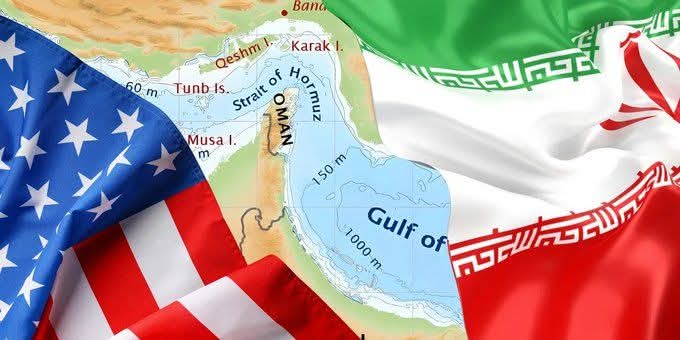
The Persian Gulf confrontation exposed the widening gap between military optics and operational control, while financial stabilisation and military escalation merged into the same strategic system A naval withdrawal inside the Strait of Hormuz would mark a strategic rupture extending far beyond one contested waterway, because the credibility of American maritime supremacy depends upon sustained… Continue reading
AI and Digital Control, America, China, economics, Energy, EUROPE, Financial markets, Foreign Policy, Geopolitics, Global Finance, iran, israel, middle east, Mineral Resources, NATO, politics, reserve currency, Russia, warAmerican Power, anti-access area denial, asymmetric warfare, Clausewitz, Coercive Credibility, Currency Systems, Defence Economics, dollar hegemony, energy security, escalation dominance, Financial markets, financial stability, Game Theory, Geoeconomics, Geopolitics, global order, Hormuz Crisis, imperial decline, international relations, iran, IRGC, maritime chokepoints, Maritime Strategy, Middle East security, military doctrine, Military Industrial Base, military strategy, Missile Saturation, multipolarity, Naval Warfare, Persian Gulf, Plunge Protection Team, political economy, realism, sea power, Strait of Hormuz, Strategic Geography, strategic studies, systemic risk, United States Navy -
Diplomacy on Paper, War in Practice
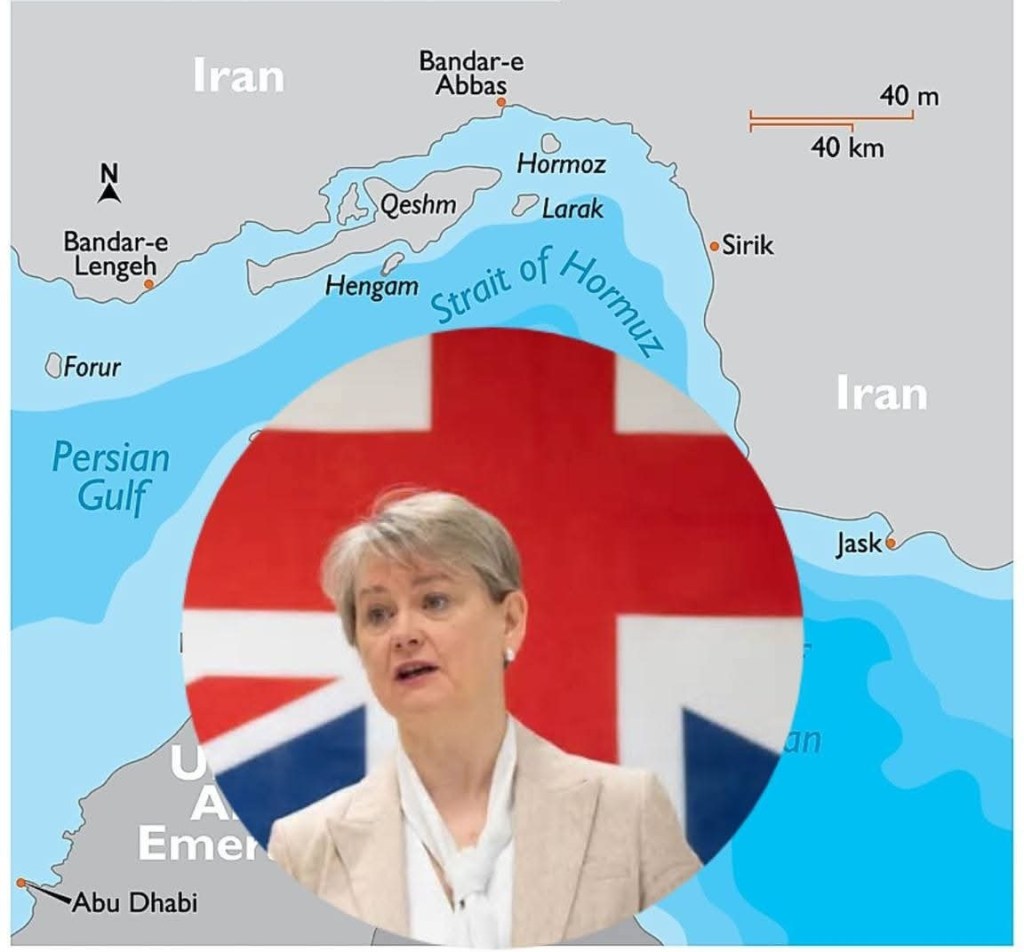
London hosts talks on Hormuz while enabling the very conflict it claims to stand apart from The decision by the United Kingdom to convene a gathering of 35 countries to “explore” reopening the Strait of Hormuz carries the appearance of urgency and coordination, yet it is difficult to avoid the conclusion that it is largely… Continue reading
-
Iran Rejects Ceasefire Demands Permanent End to War and External Pressure
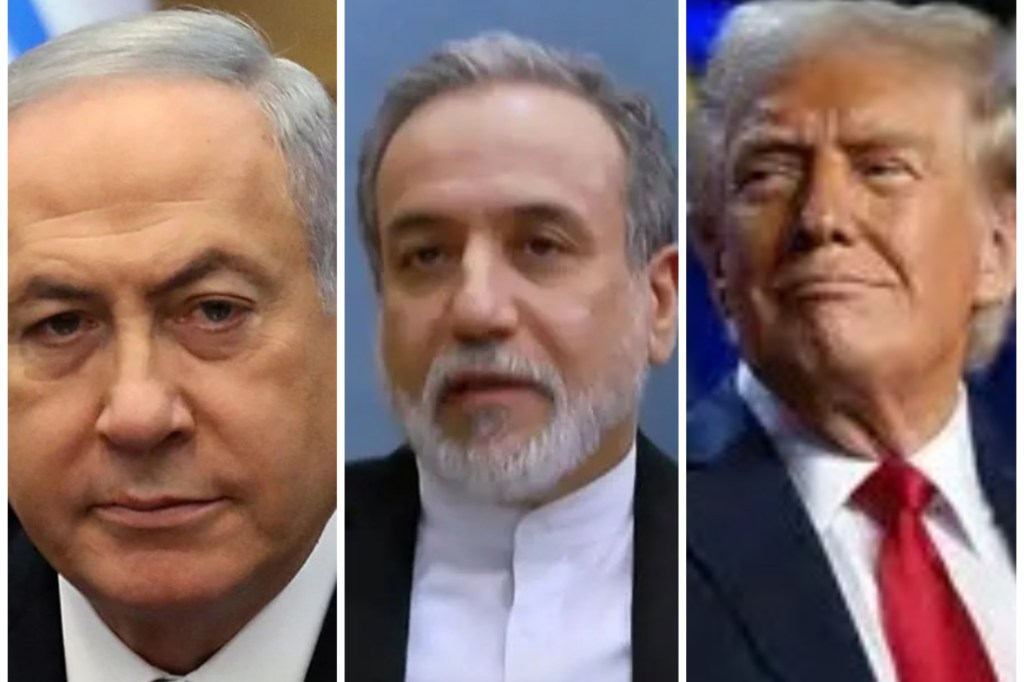
Iranian leadership argues that temporary truces only preserve the strategic conditions that have produced decades of confrontation since the 1979 revolution. Iranian refusal to accept a temporary ceasefire reflects a strategic calculation rooted in the historical pattern of hostilities directed against the Islamic Republic since the 1979 revolution. Tehran frames the current confrontation as the… Continue reading
AI and Digital Control, America, China, economics, Energy, EUROPE, Financial markets, Foreign Policy, Geopolitics, iran, israel, middle east, NATO, politics, Russia, warAbbas Araghchi, ceasefire diplomacy, energy security, Game Theory, Geopolitics, global energy markets, Gulf geopolitics, iran, Iranian foreign policy, IRGC, Israel Iran tensions, Middle East conflict, oil geopolitics, political economy, regional power balance, security architecture, Strait of Hormuz, Sun Tzu, Thomas Schelling, US–Iran relations, war strategy -
The Limits of Regime Change in a Hardened State
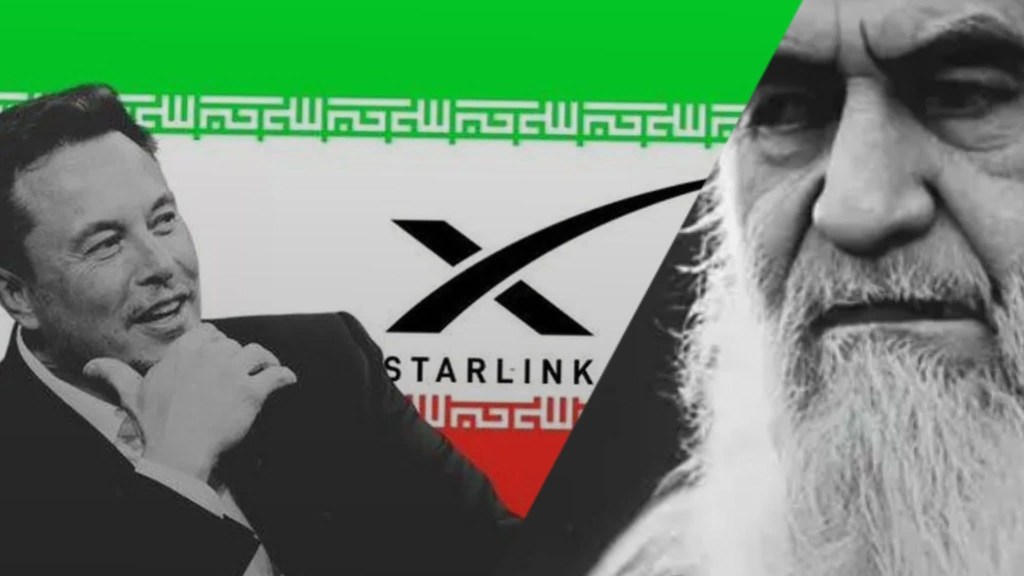
Manufactured internal dissent, external pressure, and the endurance of a layered Iranian political order The demand for regime change in Iran has become a litmus test for political coherence in the present international order. Advocacy for the overthrow of the Iranian state, when detached from the material balance of power that governs outcomes, functions as… Continue reading
