
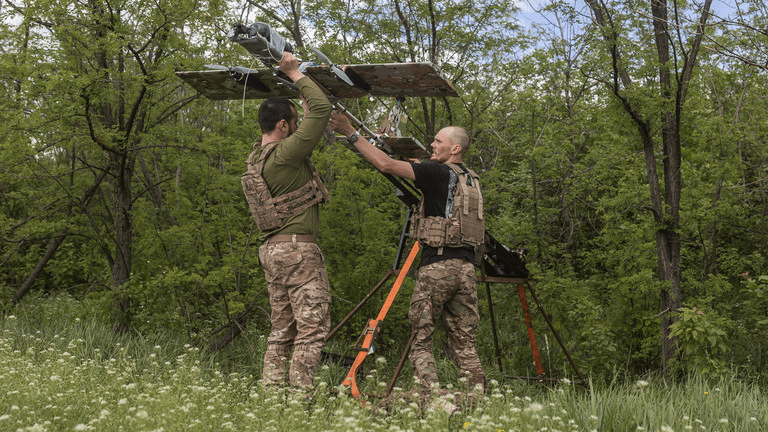
Allegations of Ukrainian drone operations linked to Latvian territory expose the collapsing boundary between proxy conflict and open confrontation between nuclear powers, while Europe drifts deeper into a war increasingly detached from democratic consent or strategic restraint.
The alleged use of Latvian territory and NATO-linked infrastructure for Ukrainian drone operations against targets deep inside Russia represents a dangerous expansion of the conflict beyond the original battlefield boundaries established during the earlier stages of the war. Moscow increasingly interprets such developments not as isolated Ukrainian military initiatives but as evidence that sections of NATO territory are gradually being integrated into active operational support for long-range strikes against the Russian state itself.
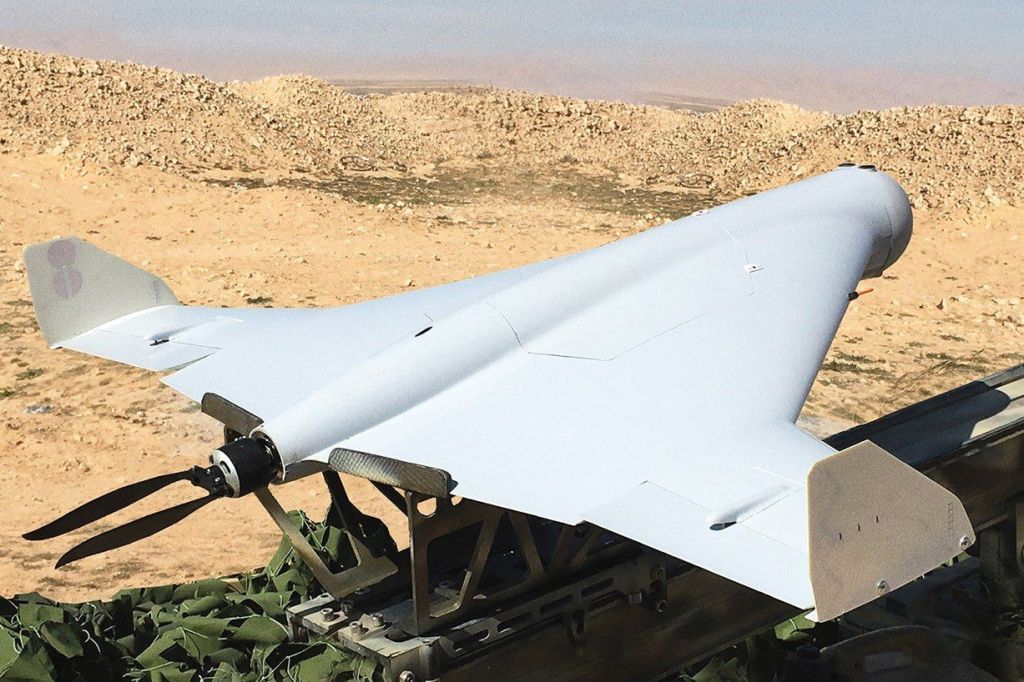
The strategic significance therefore extends far beyond drone warfare or border security incidents because the underlying issue concerns the erosion of the remaining distinction between indirect alliance support and direct participation in hostilities.\n\nRussian military doctrine has long treated external attacks launched from neighbouring territories as matters carrying broader escalation implications, particularly when those territories belong to states integrated into hostile military alliances. Statements from the Russian Security Council and Foreign Intelligence Service now indicate that Moscow may no longer regard Baltic logistical support, airspace cooperation, intelligence coordination, or launch infrastructure as politically separate from Ukrainian offensive operations. Under such conditions, the risk emerges that Russian retaliation could increasingly target command centres, communications facilities, air defence infrastructure, reconnaissance assets, or military installations located inside NATO member states themselves.
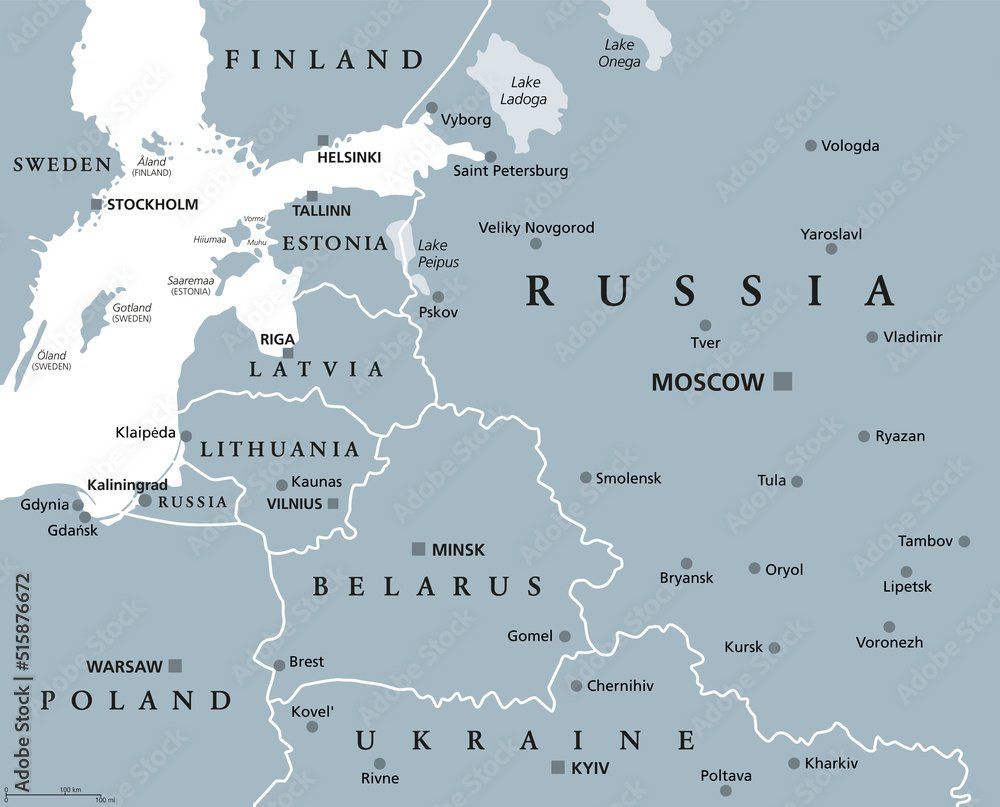
The danger for Latvia, Estonia, Lithuania, and Finland lies partly in geography and partly in military asymmetry. These states possess limited strategic depth, small populations, fragile energy systems, and heavy dependence upon NATO reinforcement structures that would require rapid escalation to remain credible during any direct confrontation with Russia. The Baltic region already functions as one of the most militarised and strategically sensitive theatres in Europe, containing overlapping NATO deployments, Russian missile systems in Kaliningrad, major energy infrastructure, naval chokepoints, and critical surveillance networks connected to wider alliance operations. Drone warfare launched across these frontiers substantially increases the probability of miscalculation, accidental strikes, disputed attribution, or rapid retaliatory escalation beyond the control of local governments themselves.
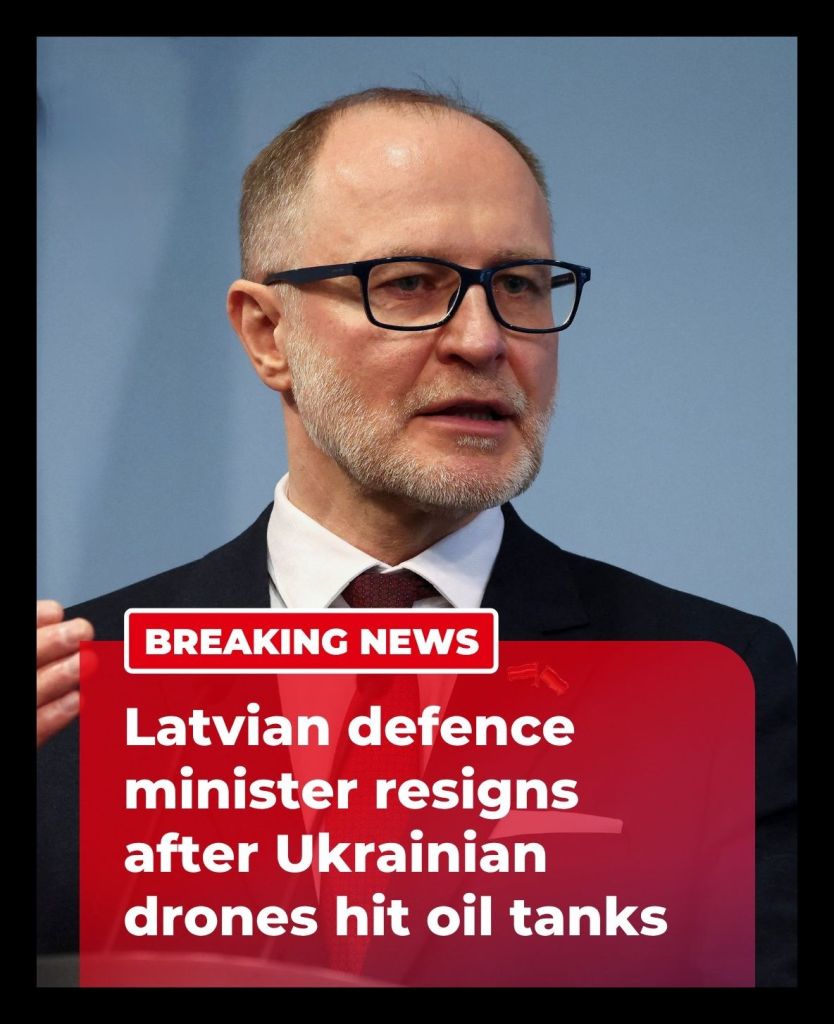
The broader geopolitical consequences extend into the internal political stability of the European Union and NATO alliance structures. European populations already face mounting economic pressure linked to energy inflation, military spending increases, industrial decline, deteriorating public services, and widening fiscal deficits associated with prolonged confrontation with Russia. Escalation into direct cross-border hostilities involving NATO territory would intensify fears that European governments are gradually being drawn from proxy warfare into open-state confrontation without explicit democratic mandates or serious public debate regarding the consequences.
Moscow also appears increasingly convinced that Ukraine’s long-range drone campaign serves broader political objectives beyond immediate military utility. Russian officials argue that such strikes are intended to demonstrate continued Ukrainian operational relevance to Western sponsors at a moment when battlefield momentum, manpower reserves, and financial sustainability increasingly favour Russia in a prolonged attritional conflict.
The political logic behind escalation therefore intersects directly with Ukraine’s dependence upon continued foreign financing and military support, especially as doubts grow within Europe concerning the viability of indefinite wartime commitments. The situation carries particular danger because the mechanisms for diplomatic de-escalation that existed during earlier stages of the conflict have largely collapsed. The Minsk framework disintegrated years ago, direct NATO-Russia communication channels remain deeply degraded, arms control structures across Europe have steadily eroded, and mutual strategic distrust now dominates nearly every layer of the relationship between Moscow and Western capitals. Under such circumstances, even limited tactical incidents involving drones, airspace violations, or strikes near alliance territory risk producing disproportionate strategic consequences.
Russian leadership increasingly frames the conflict as part of a broader existential struggle against Western encirclement, NATO expansion, and attempts to weaken Russia strategically through proxy warfare conducted along its borders. Western governments, meanwhile, continue presenting military support for Ukraine as necessary for preserving European security architecture and preventing Russian territorial revisionism. The coexistence of these two incompatible strategic narratives leaves progressively narrower space for compromise while simultaneously increasing the political incentives for escalation on all sides.
The result is a European security environment moving steadily toward direct confrontation between nuclear powers through incremental operational decisions that individually appear limited but collectively transform the strategic character of the war itself.
Latvia’s alleged involvement therefore matters not primarily because of the scale of individual drone attacks but because it signals the continuing dissolution of boundaries that previously separated proxy conflict from open interstate confrontation between Russia and the NATO alliance.
Authored By: Global GeoPolitics
Thank you for visiting. This is a reader-supported publication. If you believe journalism should serve the public, not the powerful, and you’re in a position to help, becoming a PAID SUBSCRIBER truly makes a difference. Alternatively you can support by way of a cup of coffee:
https://buymeacoffee.com/ggtv |
https://ko-fi.com/globalgeopolitics |
Bitcoin: 3NiK8BoRZnkwJSHZSekuXKFizGPopkE7ns


Leave a comment