
Eurasia
-
The Pause That Reveals Everything: Understanding America’s Controlled Demolition of the Global Energy Order
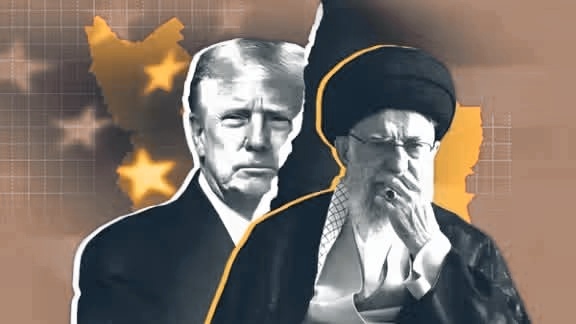
An examination of how operational pauses, proxy pressure on Russian and Iranian energy flows, and the expansion of North American liquefied natural gas serve the long-term strategic objectives of transnational financial capital.. Editorial Analysis | August 2026 The periodic cessation of kinetic strikes conducted by the United States and its regional proxies against Iranian infrastructure… Continue reading
-
Lavrov Highlights Strength of Russia-China Partnership at International Conference
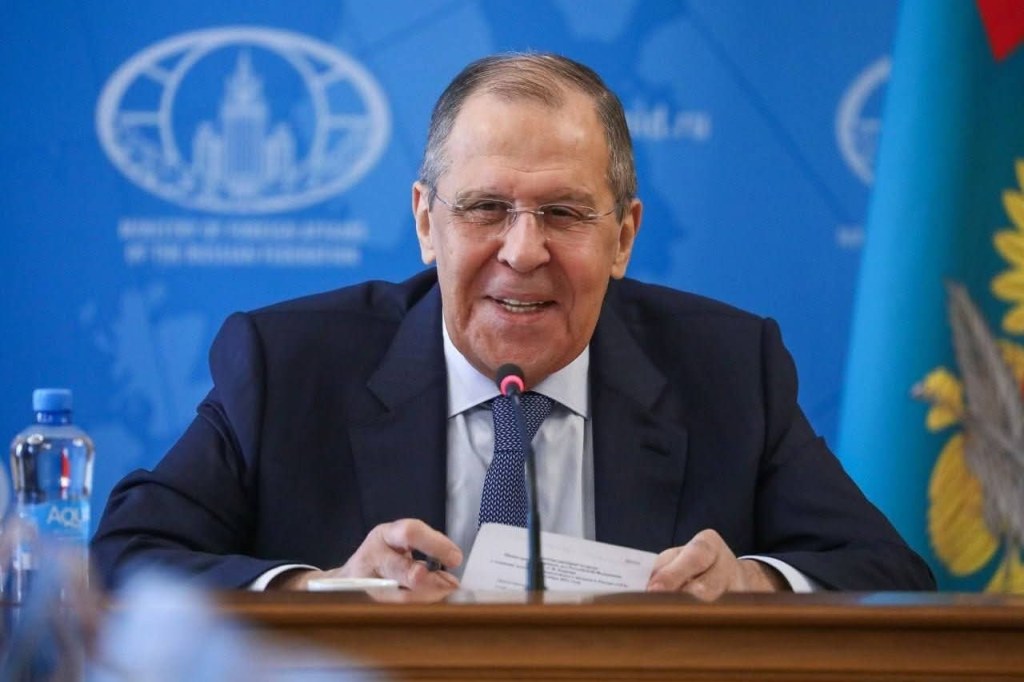
Russian foreign minister says Moscow and Beijing’s strategic partnership remains a stabilising force in global affairs as the two countries mark key diplomatic anniversaries. Russian Foreign Minister Sergey Lavrov has hailed the enduring partnership between Russia and China in a message to participants of the 11th International Conference, Russia and China: Cooperation in a New… Continue reading
AI and Digital Control, America, China, economics, Energy, EUROPE, Financial markets, Foreign Policy, Geopolitics, iran, israel, middle east, Mineral Resources, NATO, politics, reserve currency, Russia, satellites, war#SCO, Beijing, Bilateral Relations, BRICS, China, Chinese Academy of Social Sciences, diplomacy, Education Cooperation, Eurasia, Eurasian Security, Foreign Policy, G20, Geopolitics, Global Affairs, global governance, International Conference, international relations, moscow, multipolar world, Russia, Russia-China relations, Russia-China Treaty, Russian Foreign Ministry, Russian International Affairs Council, sergey lavrov, Shanghai Cooperation Organisation, Strategic Partnership, United Nations, vladimir putin, Xi Jinping -
The Fractured Crescent
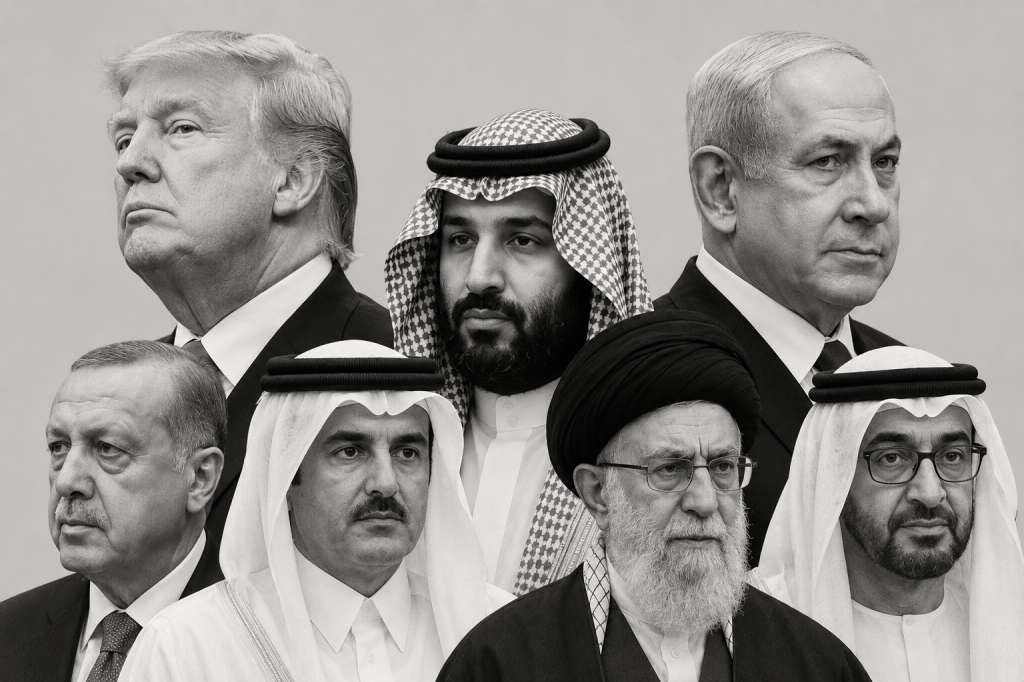
Power, Rivalry and Realignment in the Emerging Middle Eastern Order The Middle East enters another period of strategic transition as assumptions underpinning the regional order during the post-Cold War era face growing pressure from shifting power balances, changing economic realities, military confrontation, and the gradual erosion of uncontested American dominance. Public discussion frequently presents the… Continue reading
AI and Digital Control, America, China, economics, Energy, EUROPE, Financial markets, Foreign Policy, Geopolitics, Global Finance, iran, israel, Latin America, middle east, Mineral Resources, NATO, politics, reserve currency, Russia, South East Asia, warAbraham Accords, energy politics, Eurasia, Gaza War, Geopolitics, Geostrategy, great power competition, Gulf Cooperation Council, Gulf States, iran, israel, middle east, Mohammed bin Salman, Mohammed bin Zayed, multipolarity, Netanyahu, Political Rivalry, power transition, Qatar, Red Sea, regional power shift, Regional Realignment, Saudi Arabia, security architecture, Strait of Hormuz, Strategic Competition, Sudan conflict, Trump, Turkey, US foreign policy, West Asia, Yemen war -
1953 Coup: The Original Sin of US-Iran Relations

The 1953 Anglo-American overthrow of Mohammad Mosaddegh destroyed a democratic nationalist government, and laid the foundations for the anti-Western resistance doctrine drives Tehran’s politics today The modern confrontation between Iran and the United States did not begin with the 1979 Islamic Revolution, the embassy hostage crisis, or the rise of the Islamic Republic under Ayatollah… Continue reading
AI and Digital Control, America, Financial markets, Foreign Policy, Geopolitics, iran, israel, middle east, Mineral Resources, NATO, politics1953 Iranian Coup, Anglo-Iranian Oil Company, anti-imperialism, ayatollah khomeini, BP, BRICS, British Empire, British foreign policy, CIA, CIA Coups, Cold War, Declassified Documents, economic warfare., energy geopolitics, Eurasia, foreign intervention, Geopolitics, Global South, intelligence operations, iran, Iranian Nationalism, Iranian Revolution, Iranian Sovereignty, MI6, middle east, Mohammad Mosaddegh, multipolarity, nationalisation, Oil Politics, Operation Ajax, Petroleum Politics, political Islam, regime change, sanctions, SAVAK, Shah Mohammad Reza Pahlavi, United Kingdom, United States, US foreign policy, US–Iran relations, Western Intervention -
Moscow Warns Baltic States Against Deeper Involvement in Ukraine Drone War
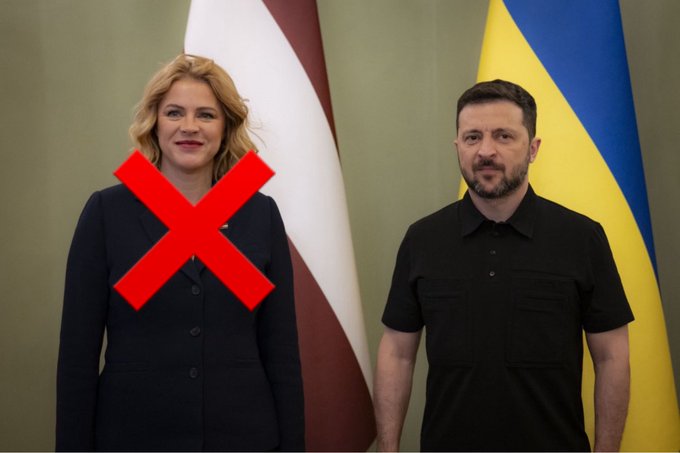
Russian intelligence claims Latvia is facilitating Ukrainian drone operations against Russian territory, raising the risk that the Baltic theatre could become the next escalation point in the widening confrontation between NATO and Moscow. Russia’s Foreign Intelligence Service has accused Latvia of permitting Ukrainian drone operators to use NATO territory for potential strikes against targets inside… Continue reading
AI and Digital Control, America, Energy, EUROPE, Financial markets, Foreign Policy, Geopolitics, iran, israel, NATO, politics, Russia, warAirspace Violations, Article 51, Baiba Braže, Baltic Crisis, Baltic security, Baltic States, Drone Warfare, Eastern Europe, Edgars Rinkēvičs, energy infrastructure, Eurasia, European Politics, European security, European Union, Foreign Policy, Geopolitics, hybrid warfare, Kaliningrad, Kremlin, Latvia, Leningrad Region, military escalation, military strategy, moscow, multipolarity, NATO, NATO Conflict, NATO expansion, NATO Russia Relations, proxy war, Russia, Russia NATO Tensions, Russia Ukraine War, Security Doctrine, Sergey Shoigu, strategic escalation, UAV Attacks, ukraine -
NATO’s Baltic Gamble Risks Direct War With Russia

Allegations of Ukrainian drone operations linked to Latvian territory expose the collapsing boundary between proxy conflict and open confrontation between nuclear powers, while Europe drifts deeper into a war increasingly detached from democratic consent or strategic restraint. The alleged use of Latvian territory and NATO-linked infrastructure for Ukrainian drone operations against targets deep inside Russia… Continue reading
AI and Digital Control, America, Energy, EUROPE, Foreign Policy, Geopolitics, iran, israel, NATO, politics, Russia, warBaltic Crisis, Baltic security, Baltic States, Drone Warfare, Eastern Europe, EU politics, Eurasia, European security, European Union, Foreign Policy, Geopolitics, hybrid warfare, international relations, Latvia, military escalation, minsk agreements, multipolarity, NATO, NATO Article 5, NATO expansion, NATO Russia Relations, proxy war, putin, Russia, Russia Ukraine War, Security Doctrine, strategic escalation, ukraine, Victoria Nuland, war economy, zelensky -
Do Not Underestimate the United States (Editorial Version)
An analytical examination of the US blockade on Iran, the systematic disruption of energy flows to Asia, and the long-term campaign to isolate China The United States Navy’s deployment of FA-18 Super Hornets to conduct strafing attacks against Iranian commercial tankers in the Gulf of Oman on 6 and 8 May 2026, three vessels targeted,… Continue reading
AI and Digital Control, America, China, economics, Energy, EUROPE, Financial markets, Foreign Policy, Geopolitics, Global Finance, iran, israel, middle east, Mineral Resources, NATO, politics, reserve currency, Russia, South East Asia, waralliance systems, Brian Berletic, Brookings Institution, China, deindustrialisation, economic warfare., energy security, Energy Warfare, Eurasia, Eurasian integration, Geopolitics, global energy markets, global trade routes, great power competition, Indo-Pacific, industrial policy, international relations, iran, LNG, maritime chokepoints, Maritime Strategy, NATO, Nord Stream, proxy warfare, RAND Corporation, Russia, sanctions, sanctions policy, Strait of Hormuz, Strait of Malacca, Strategic Competition, Ukraine war, United States foreign policy, US Navy -
Do Not Underestimate the United States (Long Version)
Why the United States Seeks Control of Supply Routes Rather Than Conventional Victory American power has repeatedly been misread during prolonged geopolitical confrontations because commentators continue measuring strategic success through the narrow lens of immediate battlefield outcomes rather than through cumulative institutional, economic, and infrastructural transformation across decades. Independent geopolitical analyst Brian Berletic argued during… Continue reading
AI and Digital Control, America, China, East Africa, economics, Energy, EUROPE, Financial markets, Foreign Policy, Geopolitics, iran, israel, middle east, NATO, politics, reserve currency, Russia, waralliance systems, Brian Berletic, Brookings Institution, China, deindustrialisation, economic statecraft, economic warfare., energy geopolitics, energy security, Energy Warfare, Eurasia, Eurasian integration, geopolitical risk, Geopolitics, global energy markets, global trade routes, great power competition, Indo-Pacific, industrial policy, international relations, iran, LNG, maritime chokepoints, Maritime Strategy, military strategy, NATO, Nord Stream, proxy warfare, RAND Corporation, Russia, sanctions, sanctions policy, Strait of Hormuz, Strait of Malacca, Strategic Competition, strategic studies, supply chains, Ukraine war, United States foreign policy, US Navy, US-China relations -
Trump’s Beijing Delegation Exposed the Real Structure of American Power [Extended Version]
![Trump’s Beijing Delegation Exposed the Real Structure of American Power [Extended Version]](https://globalgeopolitics.co.uk/wp-content/uploads/2026/05/img_20260513_235056.jpg?w=1024)
The Beijing visit exposed how transnational corporations, financial institutions, and technology monopolies now operate openly as the permanent power structure beneath American electoral politics. Donald Trump arrived in Beijing flanked by the commanding layer of American corporate and financial power because the visit exposed something Washington normally prefers hidden behind electoral theatre: transnational capital, technology… Continue reading
AI and Digital Control, America, China, economics, Energy, EUROPE, Financial markets, Foreign Policy, Geopolitics, Global Finance, iran, israel, middle east, Mineral Resources, NATO, politics, reserve currency, Russia, South East Asia, warAmerican decline, American empire, Apple, Belt and Road Initiative, blackrock, Boeing, China, Chinese Strategy, Corporate Globalism, corporate power, dollar hegemony, donald trump, economic warfare., elite power structures, energy security, Eurasia, Financial Capital, Financialisation, Foreign Policy, Game Theory, Geoeconomics, Geopolitics, global hegemony, global order, Goldman Sachs, great power competition, Indo-Pacific, Industrial Capacity, industrial policy, international relations, iran, manufacturing, Maritime Strategy, multipolarity, Nvidia, oligarchy, political economy, realism, Semiconductor War, Silicon Valley, Strategic Competition, strategic studies, supply chains, taiwan, technological sovereignty, Tesla, transnational capital, United States, US-China relations, wall street, Xi Jinping -
Kagan and Boot: The Guilty Are Writing the Verdict (Extended Version)
From Tehran to Taiwan: The Men Who Built America’s Empire Are Now Writing Its Autopsy The extraordinary significance of the Max Boot interview with former CIA analyst John Culver does not rest merely in the military assessments themselves, severe as they already appear. The deeper significance rests in who is speaking, where they are speaking,… Continue reading
AI and Digital Control, America, China, East Africa, economics, Energy, Financial markets, Foreign Policy, Geopolitics, Global Finance, iran, israel, NATO, politics, reserve currency, warAmerican decline, American empire, American Power, Atlanticism, Belt and Road Initiative, China, containment strategy, de-dollarisation, defence policy, empire, energy politics, Eurasia, Eurasian integration, Geopolitics, Geostrategy, global hegemony, global order, great power competition, imperial overstretch, Indo-Pacific, Indo-Pacific strategy, Industrial Capacity, international relations, iran, John Culver, maritime power, Max Boot, military industrial complex, Military Primacy, military strategy, multipolar world order, NATO, Neoconservatism, petrodollar, political economy, Project for the New American Century, Robert Kagan, Russia, sanctions, South China Sea, Strait of Hormuz, Strategic Competition, Strategic Decline, taiwan, Taiwan Strait, Ukraine war, unipolarity, US foreign policy, US Hegemony, US Navy, US-China relations, Washington Consensus, West Asia
