
US Israel relations
-
Israel Operates As a Law Unto Itself
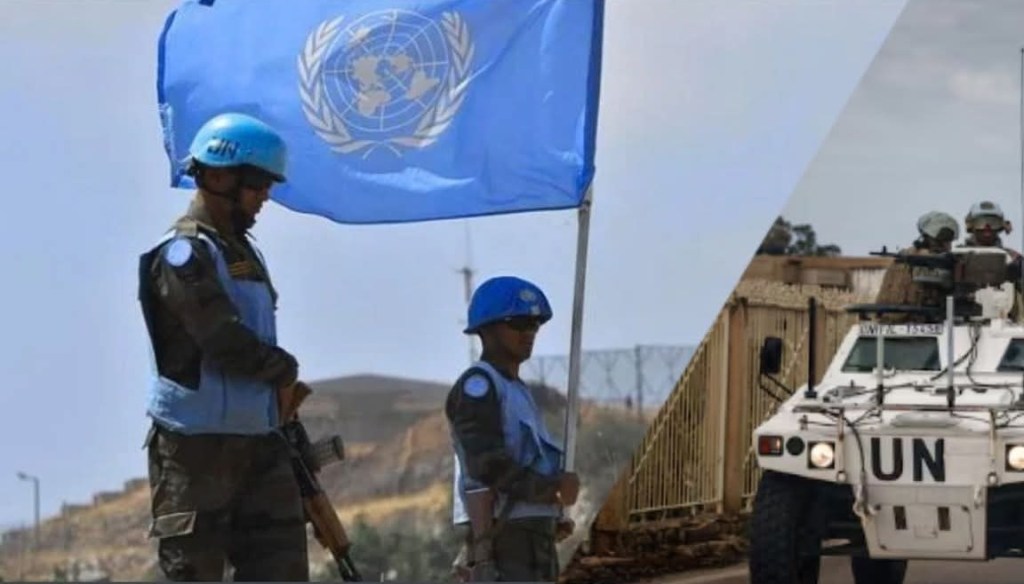
Repeated incidents involving UN personnel highlight a persistent tension between operational conduct, strategic imperatives, and the uneven application of international law. The argument that Israel operates as a law unto itself in its dealings with the United Nations and its personnel rests on a pattern of conduct that critics contend is neither incidental nor episodic,… Continue reading
-
US-Israel-Iran Standoff Shows Settlement Depends on Battlefield Outcomes, not Talks
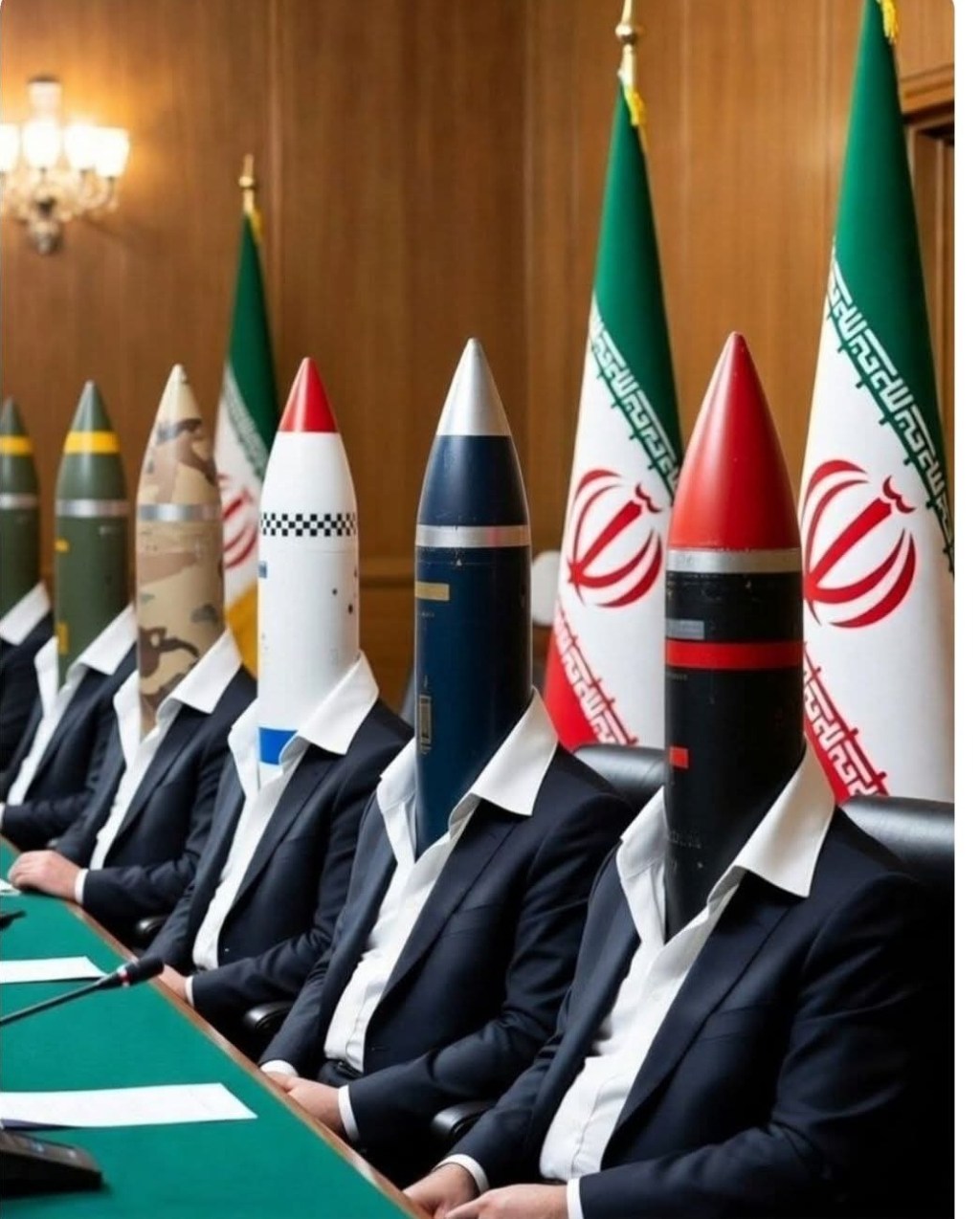
Iran conditions talks on guarantees and concessions while US proposals require prior compliance, leaving negotiations structurally blocked and raise likelihood of battlefield resolution Recent reporting from The Telegraph reflects a position carried through Gulf and Iranian channels over several days, describing a breakdown in direct contact after a meeting in Geneva on February twenty six,… Continue reading
AI and Digital Control, America, economics, EUROPE, Financial markets, Foreign Policy, Geopolitics, Global Finance, Health, iran, israel, middle east, Mineral Resources, NATO, politics, reserve currency, warbargaining model of war, battlefield dynamics, Brent Crude Oil, Carl von Clausewitz, coercive diplomacy, credible commitment, deterrence, economic impact, energy markets, Game Theory, Geopolitics, iran, Middle East conflict, military strategy, nuclear policy, sanctions, strategic studies, US Israel relations, war and negotiation -
Negotiations or Non-Negotiations? Seven Visits, Zero Resolution
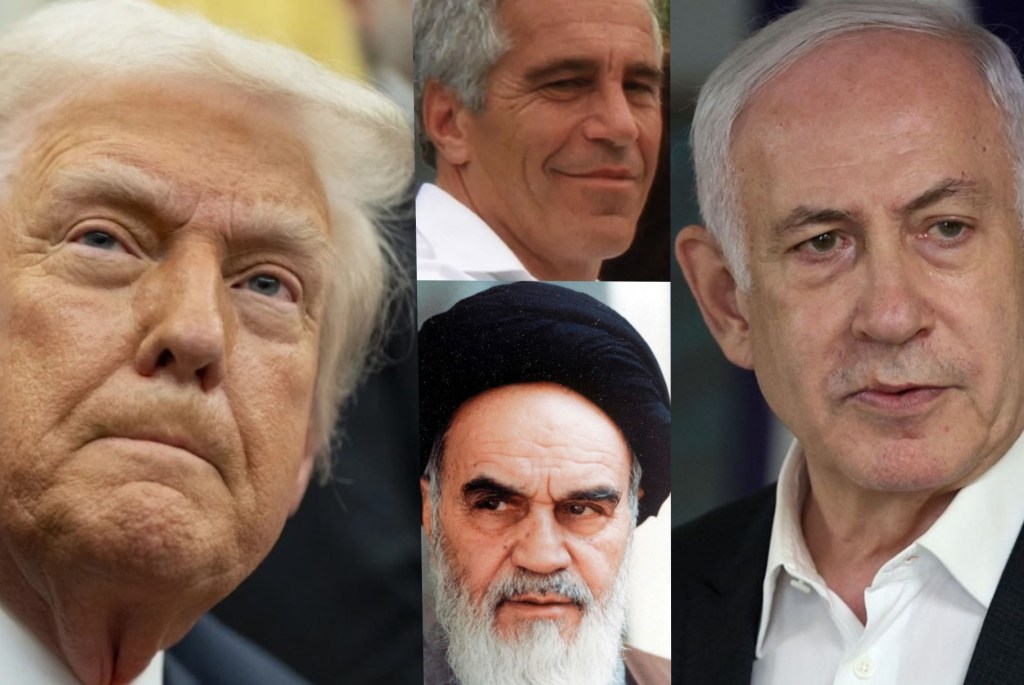
Netanyahu’s Washington Visits, Maximalist Demands, Domestic Vulnerabilities, Strategic Deadlock, and the Risk of Miscalculation on Iran Benjamin Netanyahu’s seventh visit to the White House within a twelve-month period takes place amid a dense convergence of military escalation, financial instability, and domestic political exposure within both the United States and Israel. Netanyahu arrives in Washington on… Continue reading
AI and Digital Control, America, Financial markets, Foreign Policy, Geopolitics, Global Finance, israel, Mineral Resources, NATO, politics, Russia, waralliance management, ballistic missiles, brinkmanship, deterrence theory, domestic political pressure, epstein files, financial instability, Foreign Policy, Game Theory, institutional trust, international security, Iran nuclear negotiations, maximalist demands, Middle East diplomacy, military escalation, Netanyahu, nuclear proliferation, proxy conflicts, strategic deadlock, US Israel relations, White House -
Gaza’s Two-Month Deadline To Disarm

Why enforced disarmament under occupation fails to produce stability The purpose of this analysis is to examine the reported joint Israeli and United States decision to impose a fixed two-month deadline for Hamas disarmament, and to assess what that decision reveals about current power structures, negotiation practices, and enforcement realities in Gaza. The case matters… Continue reading
asymmetric warfare, automation, capitalism, ceasefire violations, civilian protection, coercive diplomacy, conflict governance, distribution by price, ecological limits, enforcement mechanisms, food insecurity, gaza, global food system, global inequality, Hamas disarmament, hunger, international law, Israel Palestine conflict, labour displacement, market failure, Middle East geopolitics, military occupation, ownership and power, political economy, rent extraction, surplus and scarcity, technofeudalism, US Israel relations
