
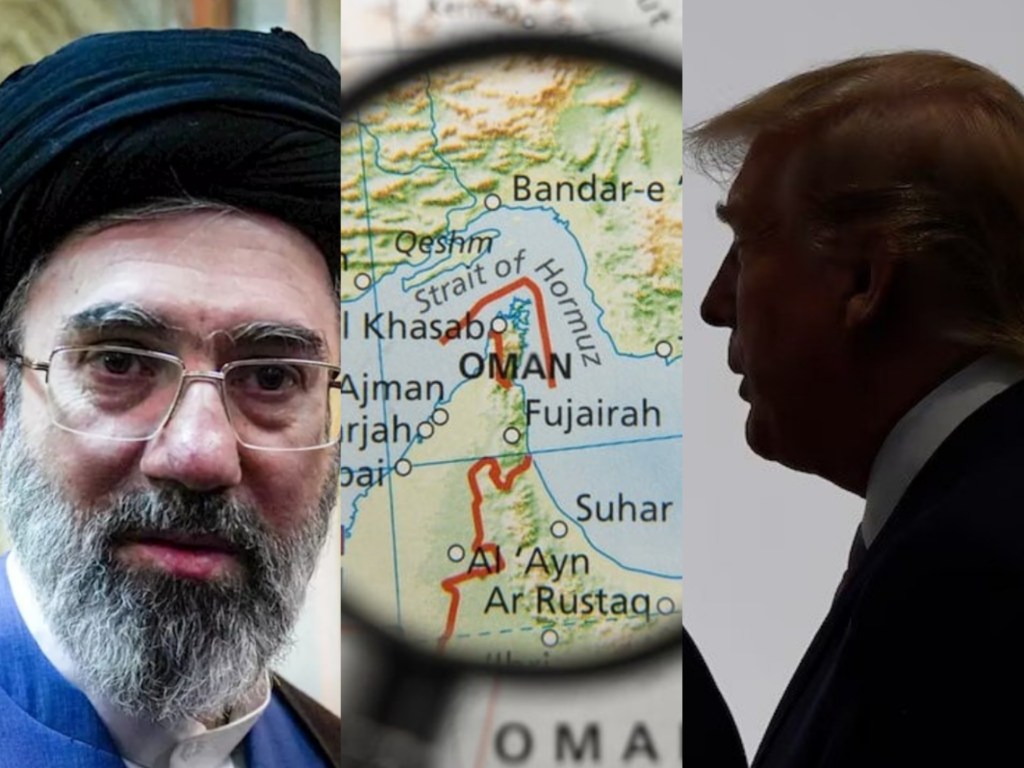
Oil market destabilisation reshapes battlefield calculations imposing a strategic dilemma of war termination under conditions of asymmetric pressure
Strategic conflict between the Islamic Republic of Iran and the United States–Israel alliance developed across nearly half a century of sanctions, covert operations, proxy warfare, assassinations of Iranian officials and nuclear scientists, and repeated military confrontations across West Asia. Iranian strategic doctrine therefore evolved under the assumption that any direct confrontation with the United States and Israel would occur under conditions of technological asymmetry and military imbalance. Iranian planners responded by developing a doctrine based on attrition, economic disruption, and geographic leverage designed to impose intolerable costs on technologically superior adversaries. The present war demonstrates the practical execution of that doctrine.
Iranian strategic thinking rests on the premise that conventional battlefield victory against the United States remains improbable in the short term but that strategic victory becomes possible by increasing the cost of conflict beyond the tolerance threshold of Western political systems. Robert Pape’s work on coercion and asymmetric conflict emphasises that weaker states frequently pursue strategies which target an adversary’s political will rather than its military capability (Pape, Bombing to Win, University of Chicago Press). Iranian planning therefore prioritised economic disruption and prolonged attrition over rapid battlefield dominance.
Iran’s leadership understood that the United States and Israel would deploy their most advanced offensive and defensive systems early in the conflict. Iranian planning therefore assumed an initial period of heavy bombardment directed against Iranian infrastructure, command centres, and air defence networks. Iranian planners also anticipated that the United States and Israel would rely heavily on expensive missile interceptors and precision strike systems that cannot be replaced rapidly under wartime conditions. Iranian doctrine therefore emphasised endurance during the opening phase followed by escalation once Western stockpiles began to decline.
Iranian missile and drone production reflects that doctrine. Shahed drones represent a simple technological platform described in technical assessments as “basically a fiberglass body with a motor, basic guidance, and explosives, meaning they can be assembled at a speedboat-repair facility.” The simplicity of the design allows mass production across dispersed industrial sites, making interdiction difficult even under sustained aerial bombardment. Western interceptor systems impose far greater financial and logistical burdens. Patriot PAC-3 interceptors cost roughly four million dollars per unit while THAAD interceptors cost more than twelve million dollars each. Iranian planners therefore constructed a battlefield equation where large volumes of inexpensive drones and missiles gradually exhaust expensive defensive systems.
The Iranian Aerospace Force recently declared a shift in missile doctrine reflecting the transition from endurance to escalation. IRGC Aerospace Force Commander Majid Mousavi announced that “after neutralizing US air defense layers in the region, Iran is transitioning to a new missile doctrine. From now on, no missiles carrying warheads lighter than 1 ton will be used. Waves of missile attacks will be more frequent and more widespread.” The Kheibar Shekan medium-range ballistic missile represents a central element of this doctrine. The system possesses a range of approximately 1,450 kilometres and can be launched from road-mobile platforms within thirty minutes. Terminal manoeuvring capability enables zig-zag evasive trajectories during re-entry at speeds approaching Mach 10 according to Iranian claims.
Iranian strategic planners also emphasised the economic dimension of war. Energy markets represent the central vulnerability of the global economic system, particularly for industrial economies dependent on imported petroleum. The Strait of Hormuz therefore occupies a pivotal position in Iranian war planning. Approximately twenty percent of global oil supply transits through the narrow maritime corridor connecting the Persian Gulf to the Indian Ocean (U.S. Energy Information Administration). Although the waterway measures roughly twenty-one miles across at its narrowest point, commercial shipping lanes measure only a few miles wide in each direction.
Geography provides Iran with a decisive positional advantage. Iranian territory surrounds the northern coastline of the strait while numerous islands and coastal mountain ranges provide launch sites for missiles, drones, and naval forces. The shipping corridor therefore lies within range of land-based missile systems, fast attack craft, naval mines, and unmanned aerial vehicles. Military planners often describe the strait as a narrow maritime choke point vulnerable to asymmetric disruption. Even a single damaged tanker could physically obstruct the shipping corridor. Insurance markets amplify the effect of such disruption because insurers typically withdraw coverage when shipping risk exceeds acceptable thresholds.
Strategic analysis frequently emphasises that closing a maritime chokepoint does not require total military denial of access. Disruption sufficient to discourage commercial shipping produces similar economic consequences. Pepe Escobar summarised the structural dynamic in simple terms: “Iran cannot defeat the U.S. Navy. But yes with mines, drones, missiles, and geography, it can temporarily make the strait unusable, which is all it needs.” Sea mines provide a particularly disruptive tool. Mines cost thousands of dollars to deploy while clearance operations require specialised vessels and lengthy search operations that can extend for weeks or months.
Iranian strategy therefore integrates military attrition with economic warfare. One analyst described the objective in direct terms: “Iran is not trying to WIN the war. Iran is trying to make winning TOO EXPENSIVE.” Iranian attacks against oil infrastructure, pipelines, storage facilities, refineries, and tanker routes follow this economic logic. The objective involves reducing global oil supply sufficiently to produce price spikes capable of destabilising Western economies.
Iranian planners therefore identify oil prices as the decisive strategic variable. The IRGC articulated the objective clearly. “$200 per barrel. That’s the number. That’s the mission. That’s how Iran declares victory, not by shooting down an F-35, but by making the price of oil so painful, so unbearable, so devastating to the global economy, that President Trump starts getting 50 phone calls a day from world leaders begging him to stop.” Economic warfare therefore operates as the central instrument of Iranian strategy rather than a secondary battlefield effect.
Economic disruption quickly generates international political pressure. European economies remain heavily dependent on energy imports while Asian economies such as China, India, Japan, and South Korea rely extensively on Gulf oil transported through the Strait of Hormuz. Gulf Cooperation Council states also face direct economic exposure because regional instability threatens both export infrastructure and investor confidence. Rising energy prices therefore transmit economic shock across the global system.
Classical geopolitical theory often emphasises the relationship between geography and strategic leverage. Halford Mackinder argued that control over key geographic chokepoints and transport corridors provides disproportionate influence over global economic systems. Iranian planners apply similar reasoning to the Persian Gulf energy corridor. Temporary disruption of shipping through Hormuz generates global consequences that extend far beyond the immediate battlefield.
The resulting economic pressure produces diplomatic consequences. Governments facing rising energy prices confront domestic inflation, industrial disruption, and public dissatisfaction. Global leaders therefore seek rapid de-escalation once energy markets destabilise. Iranian planners anticipated this response and incorporated it into their war planning. Economic pain imposed on the global system becomes a tool for diplomatic leverage against Washington and its allies.
Iranian leadership also articulates political objectives beyond battlefield operations. Conditions proposed for a ceasefire illustrate Tehran’s strategic demands. These include removal of sanctions, release of frozen Iranian assets, recognition of Iran’s right to enrich uranium domestically, compensation for war damages, and dismantling of United States military bases across West Asia. Such demands reflect a broader objective of restructuring the regional security architecture which has constrained Iran since the 1979 revolution.
Iranian officials express open hostility toward ceasefire proposals that leave the underlying strategic confrontation unresolved. Foreign Minister Abbas Araghchi declared that “Negotiations with the United States are no longer on the agenda.” Parliamentary Speaker Mohammad Ghalibaf expressed a similar position stating, “We are absolutely NOT seeking a ceasefire. We believe the aggressor must be struck in the mouth so that it learns a lesson and never again even thinks of attacking dear Iran.” Iranian leadership therefore frames the conflict as a decisive confrontation rather than a temporary escalation.
Israel entered the conflict with different strategic expectations. Israeli planners initially believed that intensive air strikes combined with economic pressure would destabilise the Iranian political system. The strategy assumed that sustained military pressure might trigger internal dissent leading to political fragmentation inside Iran. Such expectations influenced Israeli operational planning during the early phase of the war.
The Israeli Air Force achieved several tactical successes against Iranian infrastructure during the initial campaign. Military analysts acknowledge that the scale of the air campaign exceeded many pre-war expectations. Tactical destruction of missile sites, command facilities, and logistics infrastructure produced measurable battlefield results. Tactical success, however, did not produce the anticipated political consequences inside Iran.
Iranian political institutions remained stable despite sustained bombardment. Internal dissent failed to develop into a significant political challenge to the Iranian government. Israeli strategists therefore confronted a strategic dilemma where battlefield achievements failed to produce decisive political outcomes. Military operations destroyed infrastructure yet failed to alter the strategic balance.
Israeli planners also confronted unexpected resilience among Iranian allied organisations across the region. Hezbollah continued launching drones and missiles despite leadership losses and sustained air strikes. Israeli communities near the northern border remained under pressure from persistent attacks. Military planners therefore faced the prospect of prolonged conflict across multiple fronts.
Domestic vulnerabilities also became visible within Israel. Security disruptions affecting Ben-Gurion International Airport exposed structural fragility within the Israeli economy. Closure or interruption of the country’s primary aviation hub produced economic shock and public anxiety. War expenditures also generated fiscal pressure as the government diverted approximately NIS 28 billion toward military operations. Social programmes and infrastructure spending faced suspension, generating domestic political tension.
Diplomatic expectations regarding regional support also proved unrealistic. Israeli leadership anticipated strong backing from Gulf states that share concerns about Iranian regional influence. Instead Gulf governments prioritised regional stability and economic continuity. Regional leaders expressed concern that continued escalation would threaten energy infrastructure and economic development across the Gulf.
American political calculations further complicated Israeli strategy. Israeli planners expected sustained American military and political support during a prolonged confrontation with Iran. Signals emerging from Washington suggested a different trajectory. American political leadership expressed increasing interest in rapid de-escalation as economic consequences of the conflict spread across global markets.
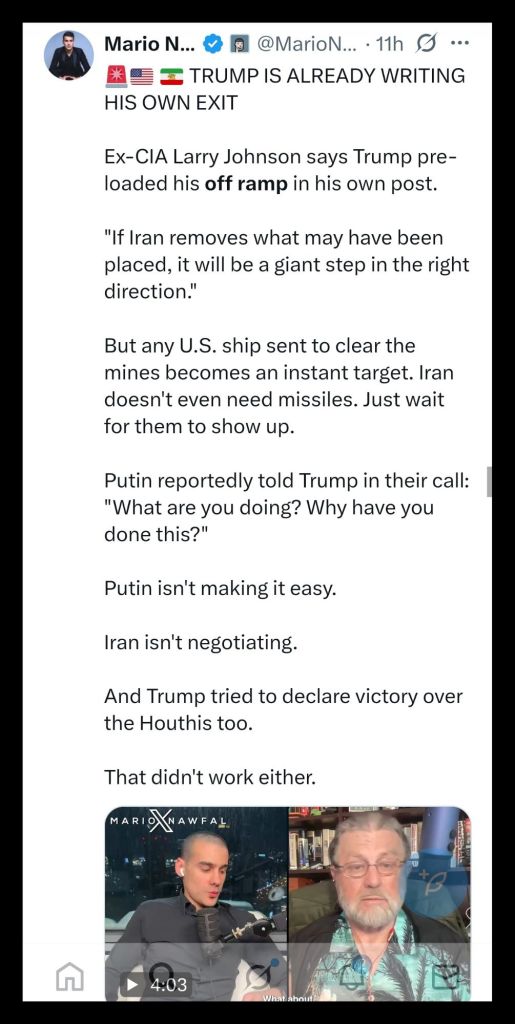
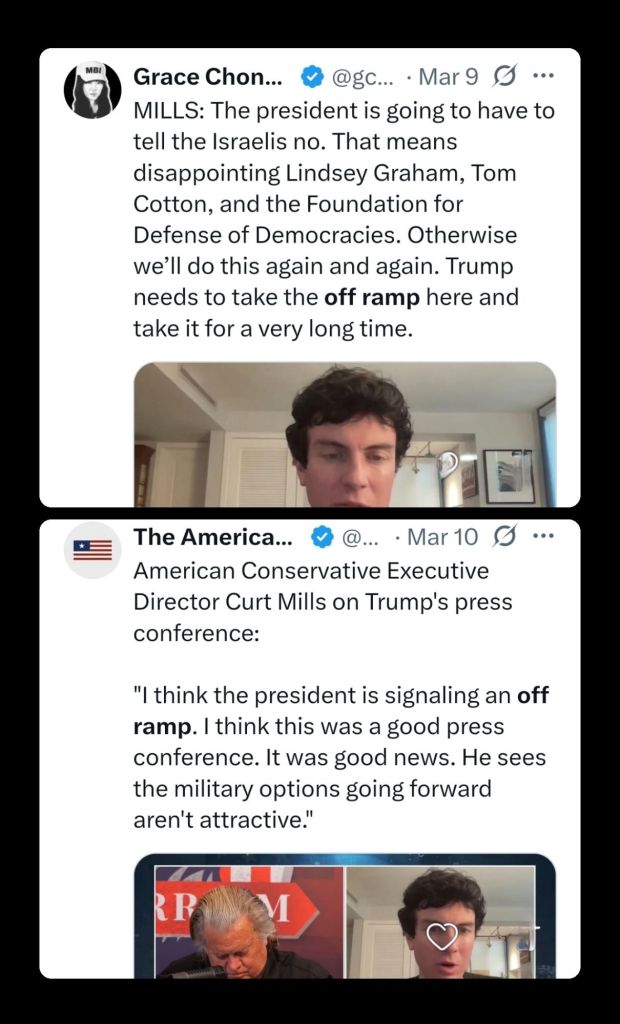
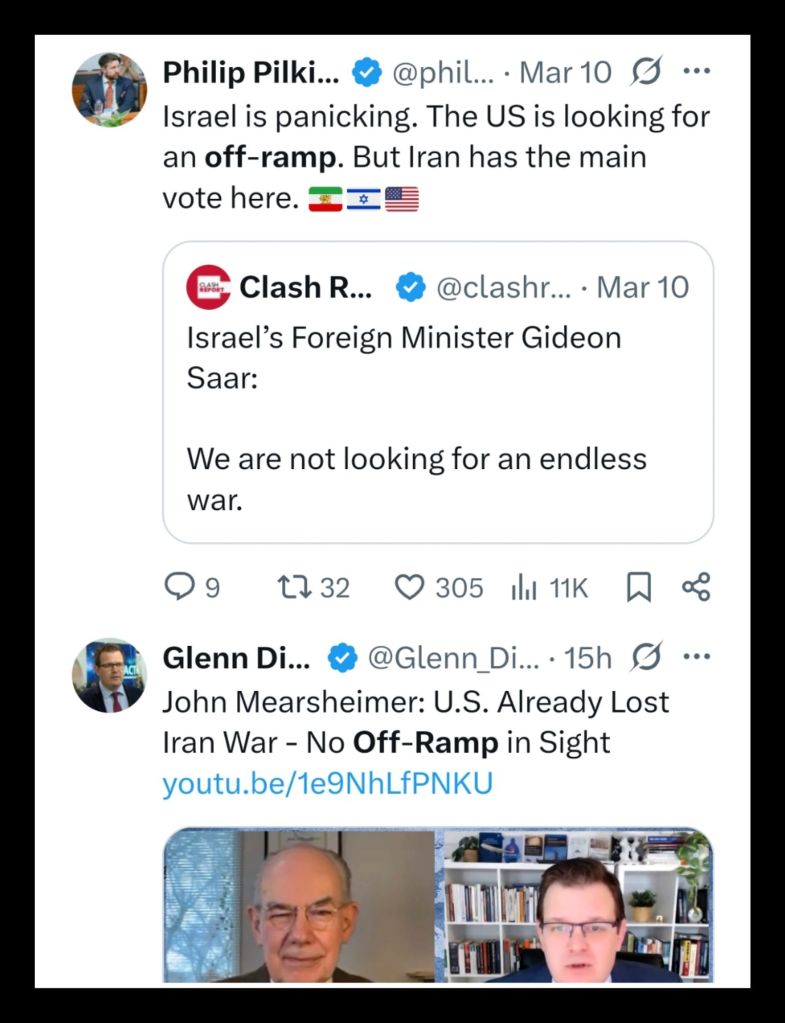
Iranian strategic planners also anticipate that the United States may ultimately seek an off-ramp that preserves domestic political credibility while temporarily halting the conflict. In this scenario Washington could declare the degradation of Iranian capabilities as a strategic success and disengage militarily while framing the outcome as a victory for deterrence. Such a withdrawal would not necessarily represent the end of the confrontation but rather a pause in a longer strategic cycle. Iranian analysts frequently argue that the United States and Israel may then attempt to exploit the post-war economic damage inflicted on Iran by encouraging internal unrest or political fragmentation in the years following the conflict. From Tehran’s perspective this reinforces the logic of refusing temporary ceasefires that leave the underlying confrontation unresolved. Iranian leadership therefore emphasises the necessity of imposing sufficiently high economic costs on the United States and Israel to force a settlement that fundamentally restructures the regional security order rather than merely postponing the next round of confrontation.
Israeli leadership therefore faces a strategic paradox recognised within its own policy community. Tactical battlefield successes coexist with deteriorating strategic conditions. Military operations degrade Iranian capabilities yet simultaneously intensify regional hostility and economic disruption. Israeli strategists increasingly fear that the war may produce long-term geopolitical consequences unfavourable to Israel despite short-term battlefield gains.
Political leadership therefore attempts to maintain a narrative of success while exploring pathways toward de-escalation. Public messaging emphasises tactical victories and destruction of enemy infrastructure. Private diplomatic channels simultaneously explore ceasefire arrangements capable of stabilising the regional environment without acknowledging strategic defeat.
Game theory provides a useful framework for understanding the strategic interaction between Iran and the United States–Israel alliance. Iran pursues a strategy designed to raise the cost of continued conflict beyond the acceptable threshold for Western political systems. Western governments face pressure from economic disruption, domestic politics, and global diplomatic backlash. Rational actors operating within this framework may eventually prefer negotiated settlement to continued escalation.
Iranian strategy therefore attempts to shift the payoff structure of the conflict. Victory becomes defined not by territorial conquest but by altering the cost-benefit calculations of adversaries. Energy markets, shipping corridors, and economic infrastructure become instruments of strategic coercion. Israel and the United States therefore confront a dilemma where military superiority does not automatically translate into favourable political outcomes.
Global reactions increasingly reflect the economic consequences of prolonged conflict. Rising oil prices generate inflationary pressure across industrial economies while supply disruptions threaten manufacturing and transport sectors. Governments facing domestic economic pressure increasingly advocate diplomatic solutions capable of stabilising energy markets.
The conflict therefore demonstrates a classical geopolitical principle recognised throughout strategic history. Military power alone rarely determines political outcomes when economic systems and global markets become central theatres of war. Iranian strategy seeks precisely that transformation by converting a regional military confrontation into a global economic crisis.
Strategic equilibrium therefore depends on whether economic pressure forces diplomatic compromise before military escalation produces irreversible consequences. Iranian leadership appears prepared for prolonged confrontation designed to reshape the regional security environment. Israeli leadership increasingly confronts the challenge of concluding the conflict while maintaining the appearance of strategic success.
Authored By: Global GeoPolitics
Thank you for visiting. If you believe journalism should serve the public, not the powerful, and you’re in a position to help, becoming a PAID SUBSCRIBER truly makes a difference. Alternatively you can support by way of a cup of coffee:
https://buymeacoffee.com/ggtv |
https://ko-fi.com/globalgeopolitics |
Bitcoin: 3NiK8BoRZnkwJSHZSekuXKFizGPopkE7ns


Leave a comment