
global energy markets
-
America’s Global War
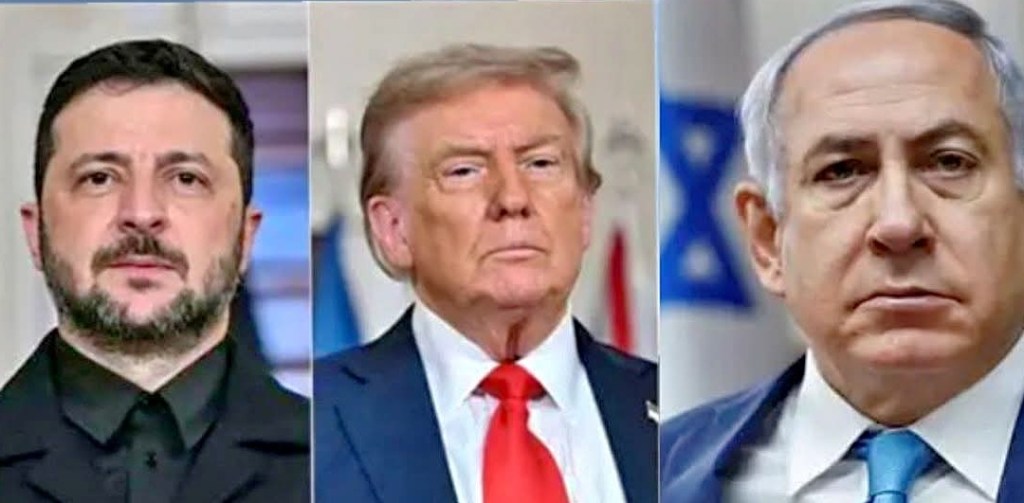
An Opinion Analysis of US-Israel-Ukraine Relations, the Integration of Military-Intelligence Infrastructure, and the Pursuit of Global Primacy The United States Congress has moved with remarkable determination to permanently codify the US-Israel relationship through legislative mechanisms that transcend traditional alliance frameworks. Section 224 of the House version of the 2027 National Defense Authorization Act, titled the… Continue reading
AI and Digital Control, America, China, Foreign Policy, Geopolitics, iran, israel, middle east, NATO, neocolonialism, politics, Russia, warAmerican foreign policy, American Hegemony, Brookings Institution, congressional legislation, defence industrial base, energy security, global energy markets, great power competition, intelligence sharing, Iran strategy, LNG exports, Middle East geopolitics, military integration, multipolar world, National Defense Authorization Act, proxy warfare, Russia-Ukraine conflict, strategic coercion, Ukraine war, US Israel relations -
The Extension of Empire – Israel as America’s Forward Military Arm
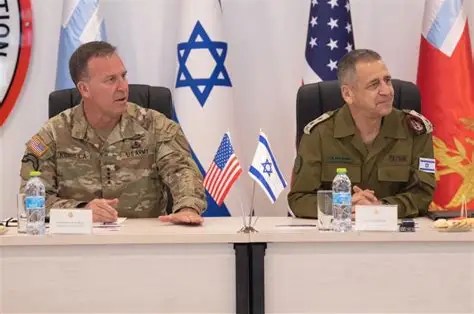
How US logistical support, intelligence sharing, and operational integration make Israeli military action inseparable from American strategic objectives Introduction: The Question of Agency Among the most persistent fictions in contemporary geopolitical commentary is the proposition that Israel acts as an independent military power, capable of initiating and sustaining major military operations without American approval or… Continue reading
AI and Digital Control, America, China, economics, Energy, EUROPE, Financial markets, Foreign Policy, Geopolitics, Global Finance, iran, israel, middle east, Mineral Resources, NATO, neocolonialism, politics, Russia, waraerial refuelling, CENTCOM coordination, energy security, global energy markets, intelligence sharing, Iran conflict, Israel defence, joint military operations, LNG exports, maritime chokepoints, Middle East geopolitics, military dependency, military industrial complex, Operation Roaring Lion, qualitative military edge, Strait of Hormuz, strategic dependence, US foreign policy, US-Israel alliance -
Do Not Underestimate the United States (Editorial Version)

An analytical examination of the US blockade on Iran, the systematic disruption of energy flows to Asia, and the long-term campaign to isolate China The United States Navy’s deployment of FA-18 Super Hornets to conduct strafing attacks against Iranian commercial tankers in the Gulf of Oman on 6 and 8 May 2026, three vessels targeted,… Continue reading
AI and Digital Control, America, China, economics, Energy, EUROPE, Financial markets, Foreign Policy, Geopolitics, Global Finance, iran, israel, middle east, Mineral Resources, NATO, politics, reserve currency, Russia, South East Asia, waralliance systems, Brian Berletic, Brookings Institution, China, deindustrialisation, economic warfare., energy security, Energy Warfare, Eurasia, Eurasian integration, Geopolitics, global energy markets, global trade routes, great power competition, Indo-Pacific, industrial policy, international relations, iran, LNG, maritime chokepoints, Maritime Strategy, NATO, Nord Stream, proxy warfare, RAND Corporation, Russia, sanctions, sanctions policy, Strait of Hormuz, Strait of Malacca, Strategic Competition, Ukraine war, United States foreign policy, US Navy -
Do Not Underestimate the United States (Long Version)

Why the United States Seeks Control of Supply Routes Rather Than Conventional Victory American power has repeatedly been misread during prolonged geopolitical confrontations because commentators continue measuring strategic success through the narrow lens of immediate battlefield outcomes rather than through cumulative institutional, economic, and infrastructural transformation across decades. Independent geopolitical analyst Brian Berletic argued during… Continue reading
AI and Digital Control, America, China, East Africa, economics, Energy, EUROPE, Financial markets, Foreign Policy, Geopolitics, iran, israel, middle east, NATO, politics, reserve currency, Russia, waralliance systems, Brian Berletic, Brookings Institution, China, deindustrialisation, economic statecraft, economic warfare., energy geopolitics, energy security, Energy Warfare, Eurasia, Eurasian integration, geopolitical risk, Geopolitics, global energy markets, global trade routes, great power competition, Indo-Pacific, industrial policy, international relations, iran, LNG, maritime chokepoints, Maritime Strategy, military strategy, NATO, Nord Stream, proxy warfare, RAND Corporation, Russia, sanctions, sanctions policy, Strait of Hormuz, Strait of Malacca, Strategic Competition, strategic studies, supply chains, Ukraine war, United States foreign policy, US Navy, US-China relations -
The UAE’s OPEC+ Exit – A Structural Gamble
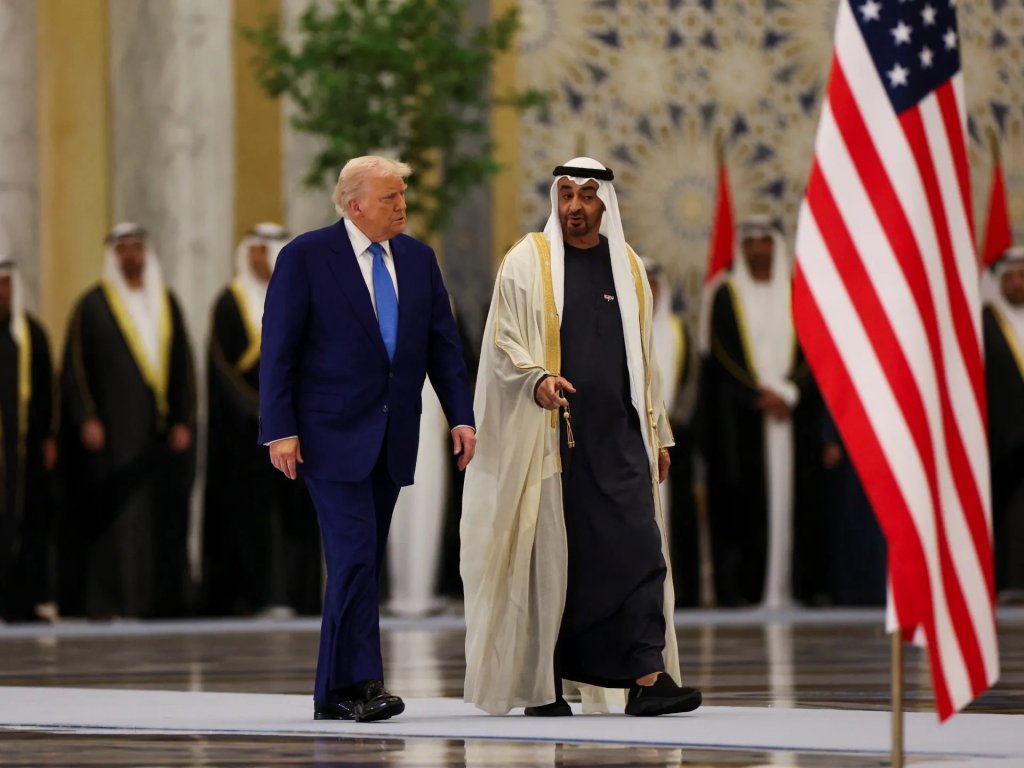
An irreversible strategic shift in energy, security, and regional order The United Arab Emirates’ decision to quit OPEC+ represents a structural rupture in Gulf geopolitics, reshaping energy flows, fracturing regional alliances, and exposing the fragility of U.S. strategic guarantees. This manoeuvre is irreversible. By monetising its newly expanded oil capacity of five million barrels per… Continue reading
AI and Digital Control, America, China, economics, Energy, EUROPE, Financial markets, Foreign Policy, Geopolitics, Global Finance, iran, israel, middle east, Mineral Resources, NATO, politics, reserve currency, Russia, South East Asia, warAbu Dhabi, asymmetric warfare, capital flight, energy strategy, Fujairah pipeline, Game Theory, GCC, global energy markets, Gulf geopolitics, international political economy, iran, Middle East energy, OPEC fragmentation, OPEC+, Persian Gulf, regional alliances, regional power shift, Saudi Arabia, strategic autonomy, U.S. security guarantees, UAE -
When Terms Are Rejected and Wars Cannot Be Won
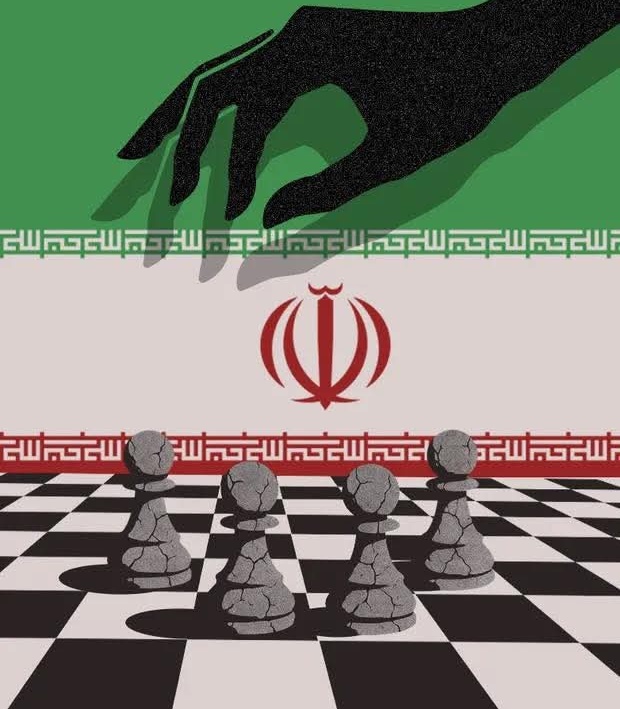
Why Iran Will Not Bargain, Ukraine Cannot Prevail and Brazil’s Rupture with the System A decisive structural rupture now governs the international system, where coercive diplomacy has lost credibility and military-economic escalation has become the primary language of state interaction. Iran’s refusal to attend ceasefire talks does not represent obstinacy but rather a rational rejection… Continue reading
AI and Digital Control, America, Financial markets, Foreign Policy, Geopolitics, Global Finance, iran, israel, middle east, Mineral Resources, NATO, politics, reserve currency, Russia, warattrition warfare, bab el mandeb, Brazil foreign policy, deterrence, energy security, Game Theory, Geopolitics, global energy markets, global governance crisis, global trade disruption, hezbollah, information warfare, international relations theory, Iran US relations, Israel Lebanon conflict, Lula da Silva, maritime chokepoints, Middle East conflict, military industrial complex, multipolar world order, political economy, proxy wars, sanctions economy, Strait of Hormuz, Strategic Competition, Ukraine-Russia war, UN Security Council, Western foreign policy -
A War on Iran, A Strategy Against China
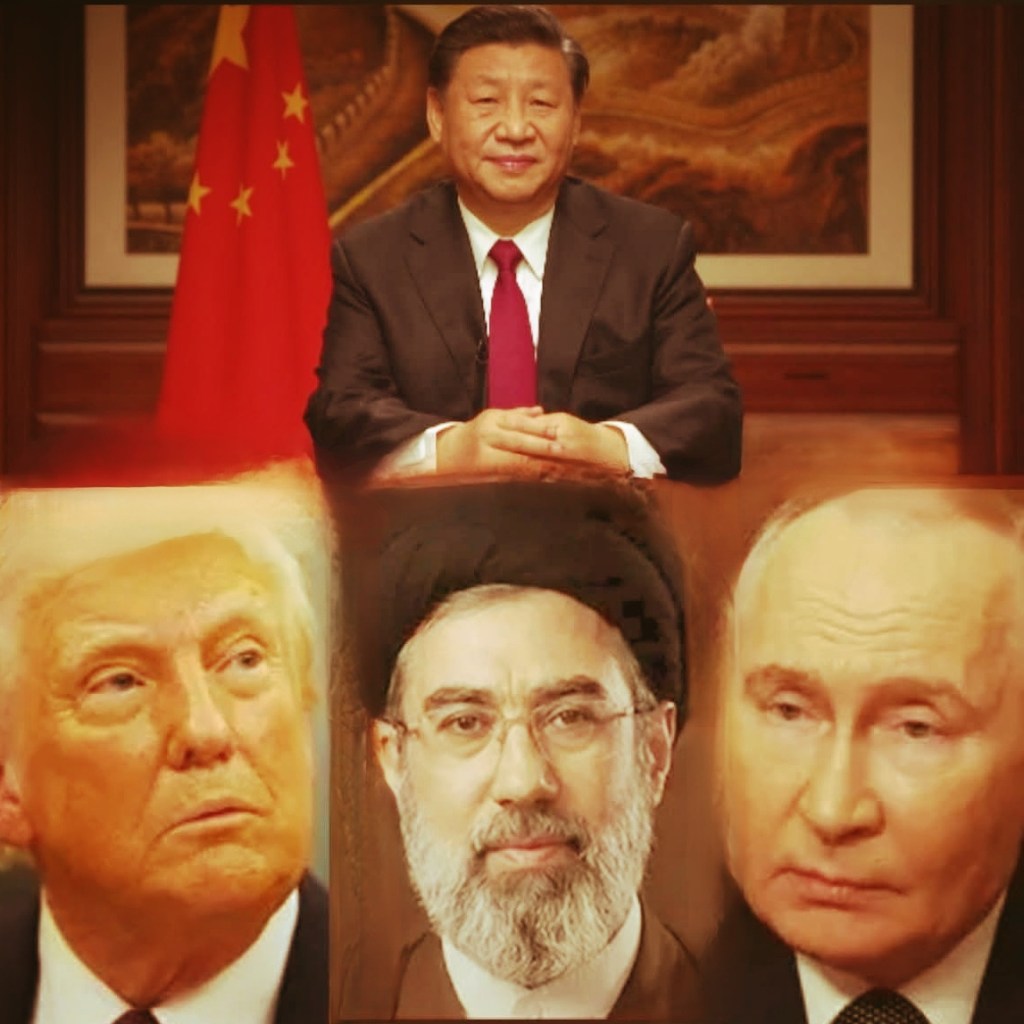
United States policy toward Iran reflects a broader strategy of energy control aimed at constraining China and maintaining systemic primacy The escalation of United States military and economic pressure against Iran must be understood within a broader strategic framework in which energy flows, maritime chokepoints, and financial systems intersect with long-term competition between major powers,… Continue reading
AI and Digital Control, America, China, economics, Energy, EUROPE, Financial markets, Foreign Policy, Geopolitics, Global Finance, iran, israel, middle east, Mineral Resources, NATO, politics, reserve currency, Russia, warBelt and Road Initiative, China containment, CPEC, de-dollarisation, economic warfare., energy geopolitics, energy security, financial systems, Geopolitics, global energy markets, global trade networks, great power rivalry, Iran conflict, maritime chokepoints, military strategy, multipolar world order, naval power, political economy, reserve currency, Russia-China relations, sanctions, Strait of Hormuz, Strategic Competition, supply chains, US foreign policy, US primacy -
Iran – The Last Window of Empire to Stop Multipolarity
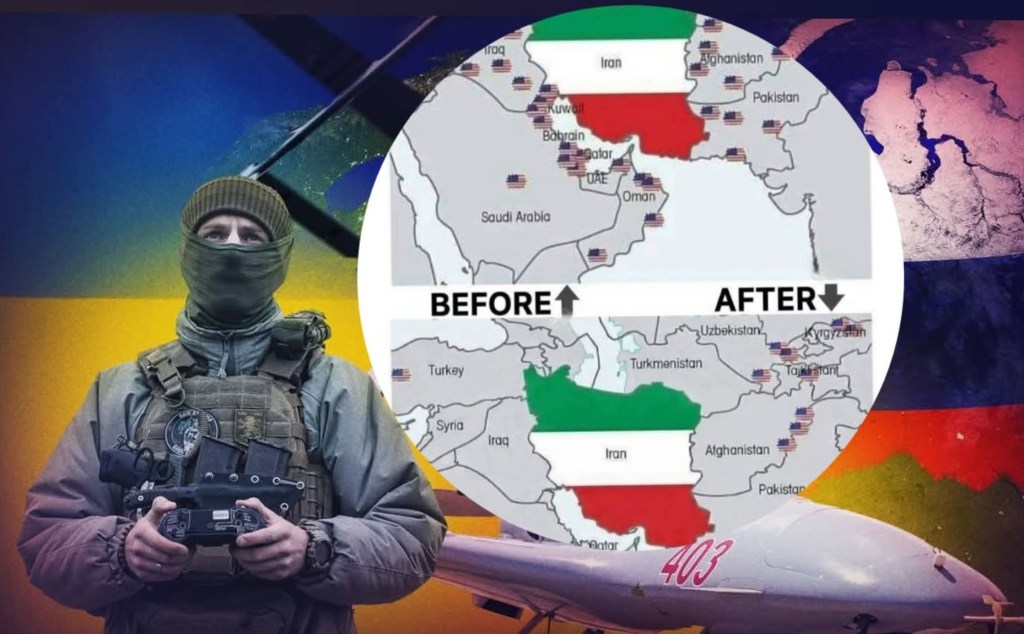
Why the War on Iran Signals a Final Attempt to Halt Multipolarity Before It Becomes Irreversible A structural rupture in the international system is already underway, and its trajectory has become effectively irreversible. The confrontation centred on Iran constitutes not a regional escalation but a terminal phase in the enforcement of a unipolar order that… Continue reading
AI and Digital Control, America, China, economics, Energy, EUROPE, Financial markets, Foreign Policy, Geopolitics, Global Finance, iran, israel, Latin America, middle east, Mineral Resources, NATO, politics, reserve currency, Russia, South East Asia, warChina Strategy, de-dollarisation, economic warfare., energy geopolitics, Game Theory, Geopolitics, global energy markets, global order, grand strategy, great power competition, hegemonic decline, imperial strategy, international relations theory, Iran conflict, Middle East geopolitics, multipolarity, petrodollar system, political economy, proxy warfare, Russia strategy, sanctions, Strategic Competition, systemic risk, unipolarity, US foreign policy -
The Security Council’s Selective Condemnation of Iran
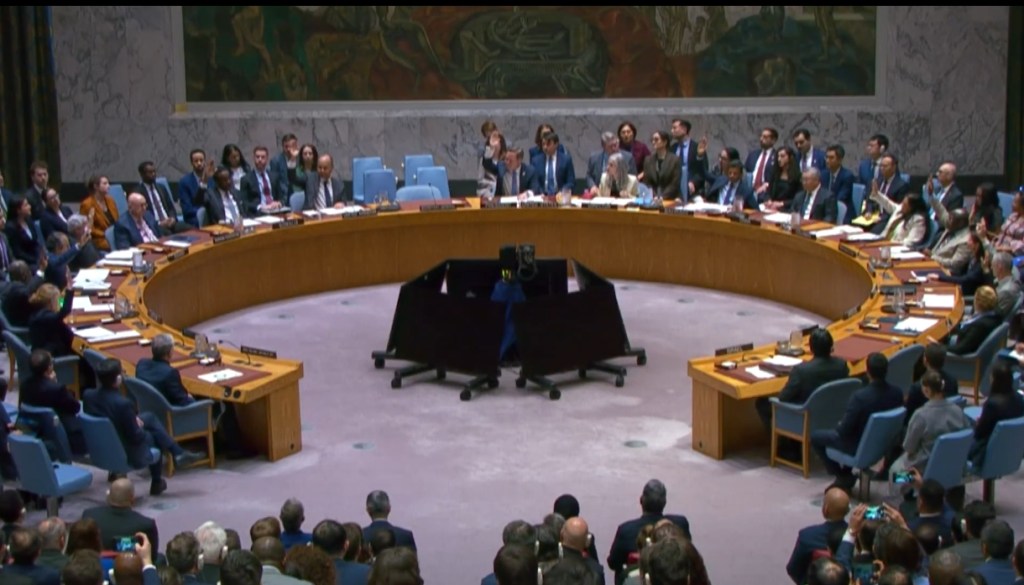
How the UN Resolution on Iran Omitted the Origins of the Conflict and Reflected the Politics of Power The resolution adopted by the United Nations Security Council condemning Iran’s military actions across the Gulf has been presented as a clear statement in defence of regional stability. Yet the circumstances surrounding the vote raise serious questions… Continue reading
AI and Digital Control, America, Carribean, East Africa, economics, Energy, EUROPE, Financial markets, Foreign Policy, Geopolitics, iran, israel, middle east, NATO, politics, Russia, warasymmetric warfare, Condemnation, Drone Warfare, economic disruption, economic warfare., energy security, geopolitical economy, geopolitical strategy, global energy markets, Gulf security, international diplomacy, iran, israel, Middle East geopolitics, military strategy, missile warfare, oil markets, sanctions, Strait of Hormuz, strategic deterrence, UN Resolution, UN Security Council, United Nations, United States, war of attrition, war termination -
The Hormuz Pressure Point Forces a Diplomatic Search for a Face-Saving Settlement
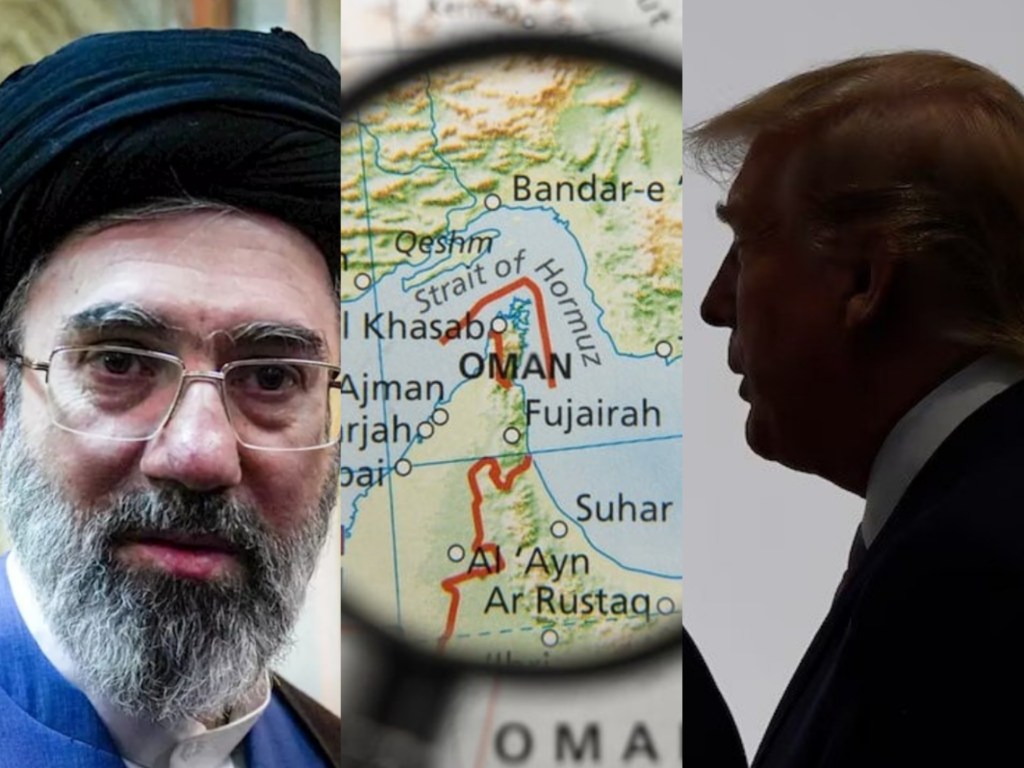
Oil market destabilisation reshapes battlefield calculations imposing a strategic dilemma of war termination under conditions of asymmetric pressure Strategic conflict between the Islamic Republic of Iran and the United States–Israel alliance developed across nearly half a century of sanctions, covert operations, proxy warfare, assassinations of Iranian officials and nuclear scientists, and repeated military confrontations across… Continue reading
AI and Digital Control, America, economics, Energy, Financial markets, Foreign Policy, Geopolitics, Global Finance, iran, israel, middle east, Mineral Resources, NATO, politics, reserve currency, Russia, warasymmetric warfare, Drone Warfare, economic disruption, economic warfare., energy security, geopolitical economy, geopolitical strategy, global energy markets, Gulf security, international diplomacy, iran, israel, Middle East geopolitics, military strategy, missile warfare, oil markets, sanctions, Strait of Hormuz, strategic deterrence, United States, war of attrition, war termination
