
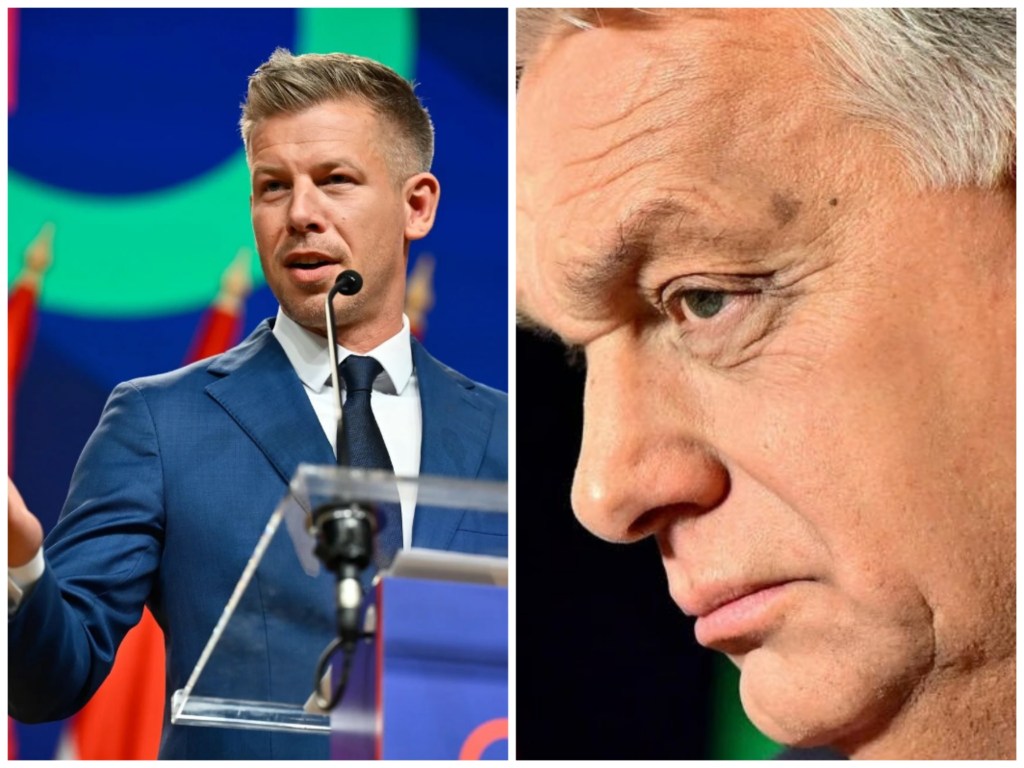
Magyar maintains sovereignty policy while altering Hungary’s position inside EU bargaining as Energy dependence and EU leverage define Hungary’s policy regardless of leadership change
Hungary’s recent election removed Viktor Orbán from office after more than a decade of centralised rule, replacing him with Péter Magyar following a vote that delivered roughly 54 per cent to 38 per cent on turnout approaching 78 per cent, the highest recorded in the country’s post-communist period. The result provided a clear mandate in procedural terms while leaving underlying voter preferences largely intact, since polling data and campaign positions showed continuity across core issues such as immigration control, national sovereignty, and resistance to deeper European integration.
Magyar’s political formation within Orbán’s governing network explains the limited ideological divergence observed after the transition, since both figures operate within the same electorate constraints and respond to similar structural incentives. Campaign commitments confirmed continued opposition to migrant quotas, maintenance of border controls, and retention of veto authority within the European Union framework, which indicates that the electoral shift reflects dissatisfaction with governance execution and external positioning rather than rejection of the prevailing policy model.
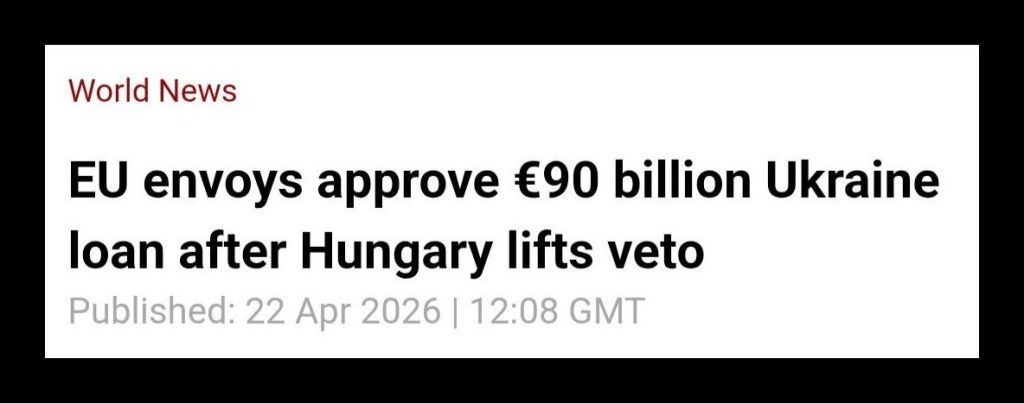
The European Union responded to the leadership change with immediate political signalling, particularly from Ursula von der Leyen, whose administration had previously frozen approximately €20 billion in funds allocated to Hungary over disputes concerning judicial oversight and regulatory compliance. The removal of a consistent veto actor creates procedural space for advancing a €90 billion financial package for Ukraine, although disbursement depends on fiscal capacity across member states whose aggregate debt levels exceed 80 per cent of GDP and whose budget deficits remain elevated following energy price shocks and post-pandemic spending commitments.
Hungary’s behaviour within the European Union can be modelled as a repeated bargaining game between an individual state and a collective institution, where each side possesses limited enforcement capacity and relies on iterative interaction to shape outcomes. Hungary’s available strategies consist of vetoing collective decisions or granting conditional compliance, while the European Union’s strategies involve releasing or withholding financial transfers tied to regulatory conditions. Payoffs for Hungary include access to funds, preservation of policy autonomy, and energy security, while the European Union seeks procedural unity, policy implementation, and institutional credibility.
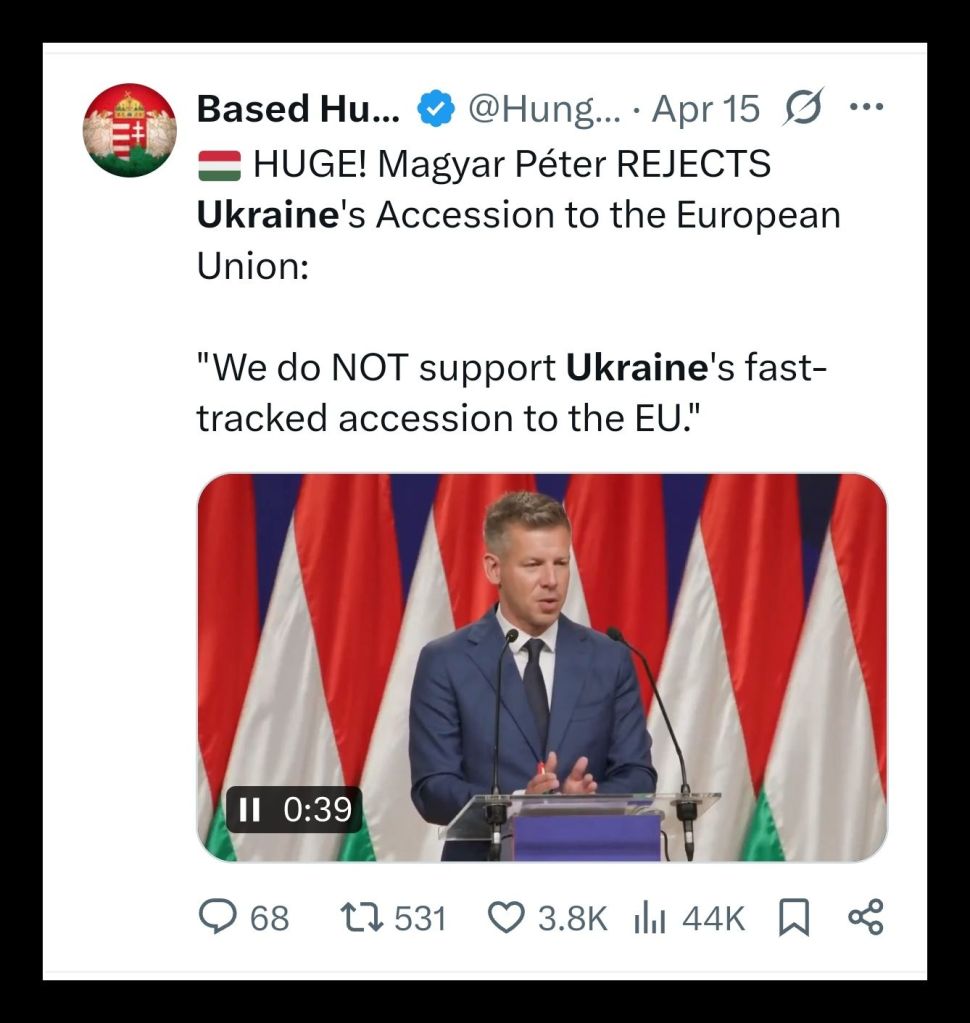
Equilibrium emerges through conditional cooperation sustained over repeated interactions, where Hungary relaxes its veto position in exchange for financial concessions, and the European Union releases funds while tolerating deviations from central policy preferences. Magyar’s early positioning suggests continuation of this equilibrium with lower transaction costs, since reduced rhetorical confrontation allows both sides to reach similar outcomes with fewer public disputes while maintaining the underlying payoff structure.
Energy constraints define Hungary’s strategic limits with greater precision than political alignment, given that approximately 85 to 90 per cent of its crude oil imports and a comparable share of natural gas originate from Russian supply routes, primarily through the Druzhba pipeline system. Existing contracts extend toward 2035, and substitution through liquefied natural gas or alternative pipeline networks would require infrastructure investment measured in billions of euros and timelines extending beyond immediate policy cycles. Price differentials between Russian pipeline energy and imported alternatives have at times exceeded 20 to 30 per cent, placing direct pressure on industrial output and household costs.
Magyar’s stated intention to reduce dependence aligns formally with European policy objectives, yet contractual obligations and infrastructure realities constrain implementation, ensuring continuity in energy relations with Russia in the medium term. Any attempt to accelerate transition without compensatory supply arrangements would impose measurable economic contraction, particularly in manufacturing sectors dependent on stable energy input.
Relations between Hungary and Ukraine remain defined by structural disputes that extend beyond leadership change, including transit reliability for energy supplies and the status of ethnic Hungarian communities in western Ukraine numbering approximately 100,000 to 150,000 individuals. Ukrainian wartime policies have prioritised mobilisation and linguistic standardisation, which conflict with Hungary’s domestic political requirement to defend minority rights and maintain cross-border cultural ties.
This interaction can be represented as a bargaining game under incomplete information, where Hungary cannot fully observe Ukraine’s willingness to adjust minority policies under wartime pressure, and Ukraine cannot accurately estimate Hungary’s tolerance for continued restrictions. Hungary uses its position within European decision-making to influence outcomes affecting Ukraine, while Ukraine relies on collective European support to sustain fiscal and military capacity. The resulting equilibrium produces ongoing friction without resolution, since both sides face constraints that limit concession.
European fragmentation becomes visible when examining voting patterns, defence spending commitments, and energy policies across member states, with northern and eastern countries maintaining stronger alignment with sanctions and military support, while southern and central states display greater sensitivity to economic costs and energy exposure. Figures such as Giorgia Meloni and Robert Fico illustrate divergence within the bloc, particularly regarding asset seizure proposals and long-term commitments to Ukraine financing.
Fiscal constraints within the European Union impose measurable limits on sustained external support, given that large-scale financial packages require either increased borrowing or reallocation from domestic budgets already under strain. Military production capacity further restricts escalation, as European output of artillery shells and drones remains below levels reported for Russian production, with estimates indicating Russian artillery manufacturing exceeding European capacity by a factor that varies across categories but remains materially significant.
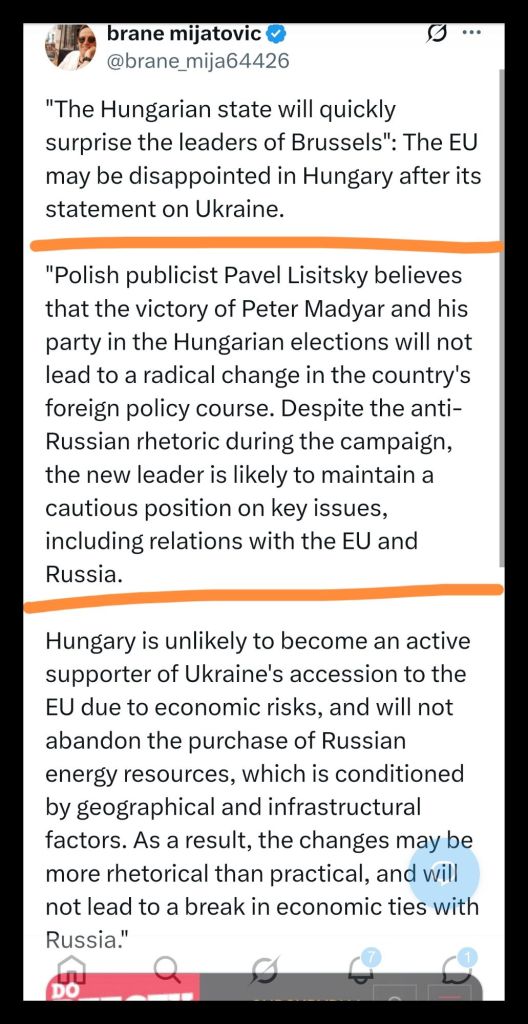
A war of attrition model applies to the conflict in Ukraine, where each side incurs ongoing costs while seeking to outlast the opponent through resource endurance and production capacity. Russia’s lower marginal cost of energy production, combined with redirected export flows toward Asian markets, reduces the impact of European sanctions, while European states face higher input costs and political constraints tied to domestic economic performance. Time preference and replenishment rates favour the actor capable of sustaining lower relative costs over extended periods, shaping the long-term balance of the conflict.
Russia’s broader economic adjustment reflects a structural shift toward Asian markets, particularly China and India, which have increased purchases of discounted energy supplies and expanded bilateral trade volumes. Infrastructure projects connecting Siberian resources to eastern markets reduce dependence on European demand, aligning with long-term geographic and economic patterns that place resource extraction closer to Asian consumption centres. This transition limits the effectiveness of European energy decoupling as a tool of leverage.
Transatlantic political dynamics influenced Hungary’s election outcome through reputational signalling associated with Donald Trump and JD Vance, both of whom publicly supported Orbán during the campaign period. Vance’s appearance in Hungary and his criticism of European institutions reinforced perceptions of external alignment that carried electoral costs among voters concerned with economic stability and relations with the European Union. Polling shifts during the campaign period indicated declining support for Orbán following these interventions, suggesting that association with polarising external actors can impose measurable political costs within European domestic contexts.
Signalling theory explains this outcome through the interpretation of political alignment as an indicator of future policy direction, where voters update expectations based on visible associations with foreign leaders. Orbán’s positioning signalled potential isolation from European decision-making structures, increasing perceived economic risk, while Magyar’s repositioning reduced these perceived costs without altering core domestic policies.
Moscow’s response to the election result further reflects strategic assessment rather than immediate confrontation, as the absence of a formal congratulatory message from Vladimir Putin indicated a cautious stance toward the incoming leadership. Russian officials had previously characterised Magyar’s rhetoric, including public references to historical conflicts and anti-Russian slogans, as unfriendly, which affects expectations regarding future cooperation in energy and diplomatic relations. Russia’s strategy in this context follows a conditional engagement model, where cooperation depends on predictable and stable partnerships rather than short-term political shifts.
Hungary’s position within this framework remains constrained by its need to balance relations with both the European Union and Russia while maintaining domestic political stability and economic performance. Magyar’s approach seeks to reduce confrontation with European institutions to secure financial resources while preserving key elements of national policy that depend on existing economic arrangements.
Historical patterns support this interpretation, as small and medium-sized states within larger political systems often adjust leadership without altering strategic orientation, particularly when geographic and economic constraints limit available choices. Examples from Cold War Europe and earlier periods of continental politics show similar behaviour, where states positioned between larger powers pursued balancing strategies designed to maximise autonomy while avoiding direct conflict.
The Hungarian election therefore reflects a recalibration within a fixed structural environment, where leadership change modifies tactical execution without altering the underlying distribution of incentives and constraints. European politics continues to operate through negotiated outcomes shaped by economic capacity, energy dependence, and institutional design, with limited scope for rapid transformation in the absence of structural change.
Future developments depend on measurable variables including energy prices, fiscal balances, and production capacity, each of which influences the strategic options available to European governments. Continued high energy costs combined with constrained industrial output would reduce the European Union’s ability to sustain large-scale external commitments, while stabilisation of supply conditions could extend current policies without resolving internal divisions. Hungary’s strategy under Magyar will operate within these limits, testing whether reduced confrontation can secure material gains without sacrificing autonomy, a balance that defines the behaviour of states operating under constraint within a fragmented regional system.
Authored By: Global GeoPolitics
Thank you for visiting. This is a reader-supported publication. If you believe journalism should serve the public, not the powerful, and you’re in a position to help, becoming a PAID SUBSCRIBER truly makes a difference. Alternatively you can support by way of a cup of coffee:
https://buymeacoffee.com/ggtv |
https://ko-fi.com/globalgeopolitics |
Bitcoin: 3NiK8BoRZnkwJSHZSekuXKFizGPopkE7ns


Leave a Reply